Why Your Creamy Sauce Turns Watery After Refrigeration: Prevention Tips
Tired of creamy sauces separating and turning watery in the fridge? Learn why it happens and get simple, foolproof techniques to keep sauces smooth every time.
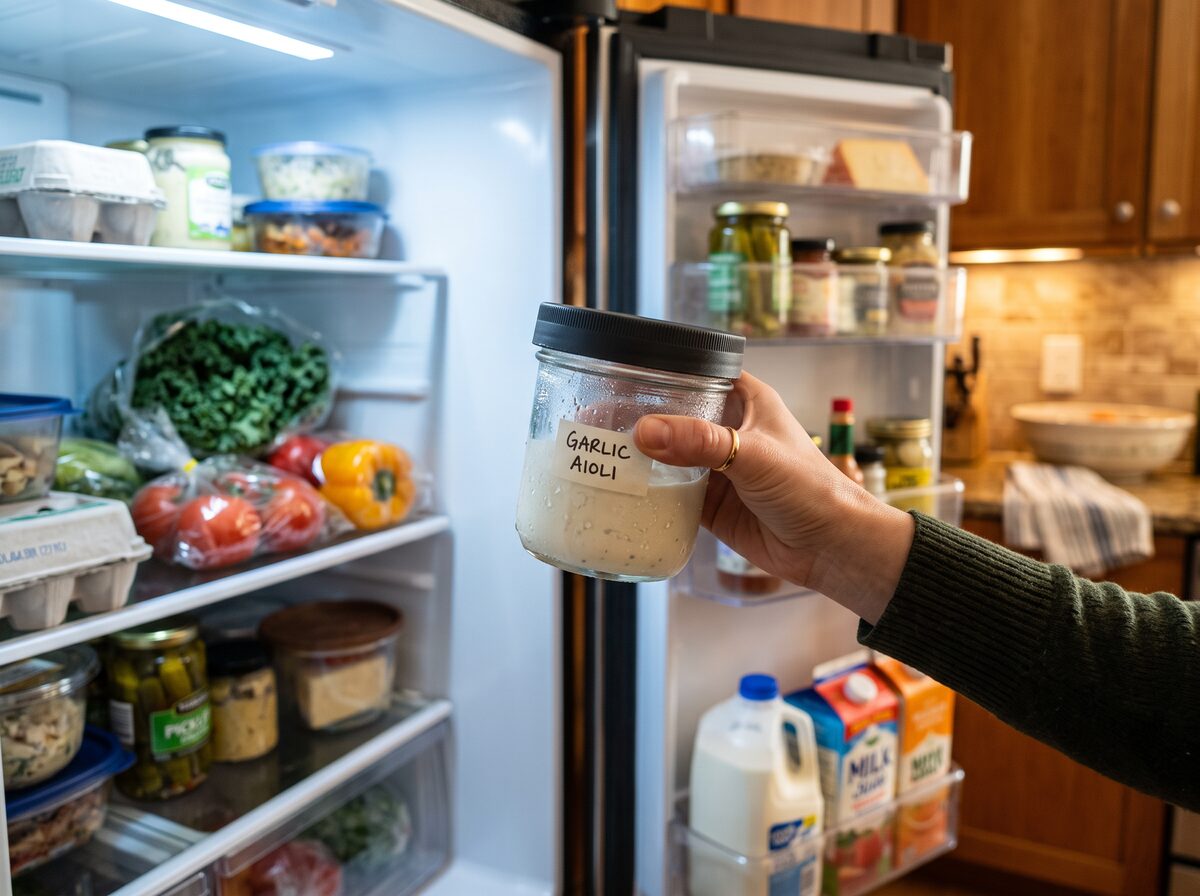
Written by FoodieManiac
With over 8 years of sauce-making experience, I've tested hundreds of techniques and products to bring you practical, reliable advice. Learn more about me →
Why Your Creamy Sauce Turns Watery After Refrigeration: Prevention Tips
I can’t count how many times I’ve opened the fridge, pulled out last night’s beautiful, glossy sauce, and found a sad, watery puddle around the edges. It’s the kind of kitchen letdown that makes you want to just order takeout. But after making (and ruining) more creamy sauces than I’d ever admit, I’ve learned some hard lessons on what causes that watery mess - and how to fix it before it ruins your leftovers.
What’s Actually Happening in the Fridge?
You make a gorgeous creamy sun-dried tomato basil sauce or even just a basic béchamel. It’s velvety and smooth. But after a night in the fridge, it’s thin, separated, or just...off. Why?
- Separation: Creamy sauces usually rely on an emulsion - fat and water held together, often with help from starch or protein. Cold temps can cause those bonds to loosen, so the sauce “breaks.”
- Starch retrogradation: If you used a starch thickener (like flour or cornstarch), it firms up in the fridge and can actually push water out, leaving a watery layer on top or around the edges.
- Condensation: Ever put a hot sauce straight in the fridge? The trapped steam turns into water droplets, which drip right back into your sauce and thin it out. I’ve made this mistake dozens of times.
- High water content ingredients: Think sour cream, yogurt, cucumbers, or even some cheeses - they can weep (release water) as they sit.
Which Sauces Are Most Likely to Turn Watery?
Not all creamy sauces are created equal when it comes to fridge survival. Here’s what I’ve noticed in my own kitchen:
- Béchamel-based: Classic white sauce holds up okay for a day or two, but thin it out too much and it’ll separate.
- Mayo/ranch/creamy dressings: If you’ve ever made creamy roasted garlic parmesan dip or creamy jalapeño cilantro dip, you know these can separate if they’re not stabilized (or if you use low-fat dairy).
- Cheese sauces: The dreaded grainy, watery mess. I’ve been there with mac and cheese leftovers more than I care to admit.
- Yogurt/sour cream dips: Like in creamy avocado cilantro lime dressing - these are notorious for splitting in the fridge.
Less Risky Sauces
Some sauces are practically immune. Oil-based sauces (like chimichurri or aji verde) stay pretty stable. Tahini-based sauces do better than dairy. Just don’t expect miracles from anything called “creamy” without some TLC.
Why Does This Matter?
Honestly, sometimes it doesn’t. If I’m just dunking chips in leftover sun-dried tomato basil dip, I’ll stir it up and move on. But if you want your sauce to stay smooth for meal prep, party dips, or make-ahead dinners, you need to know how to prevent (or at least fix) that watery mess.
How to Prevent Your Creamy Sauce From Turning Watery
1. Cool It Right
Don’t plop a hot pan of sauce straight into the fridge. It’ll steam, create condensation, and water down your sauce. I let my sauce cool uncovered on the counter for 30 minutes, then pop it in the fridge loosely covered (like with a silicone lid or foil, not a tight snap-on). Once it’s fully cool, then I seal it up. This trick alone stopped a lot of my watery sauce disasters.
2. Thicken Properly From the Start
Go slightly thicker than you think you need. If your sauce seems perfect right out of the pan, it may thin out after chilling. I usually cook my creamy sauces until they coat the back of a spoon (if you draw a line with your finger, it should hold), then reduce the heat and give it another 2-3 minutes. If it’s already thin, it’ll only get worse in the fridge.
3. Watch Your Ingredients
- Full-fat dairy holds up way better than low-fat or fat-free. I’ve tried to “healthify” sauces with skim milk or light sour cream, and they split every time.
- Pre-shredded cheese (with anti-caking agents) makes cheese sauces gritty and prone to separating. If you can, use block cheese and shred it yourself. But if you’re short on time, pre-shredded is fine - just know it won’t reheat as smoothly.
- Cornstarch vs. flour: Cornstarch-based sauces tend to hold up better when chilled and reheated, but flour gives a silkier texture. For dips I know I’ll store, I often use a mix.
4. Use Stabilizers (If You Want to Get Fancy)
I don’t do this every time, but a teaspoon of cream cheese or a splash of heavy cream can help keep things smooth. In restaurant kitchens, they sometimes use xanthan gum or sodium citrate, but honestly, that’s overkill for home cooks. A little extra fat goes a long way.
5. Store in Small Containers
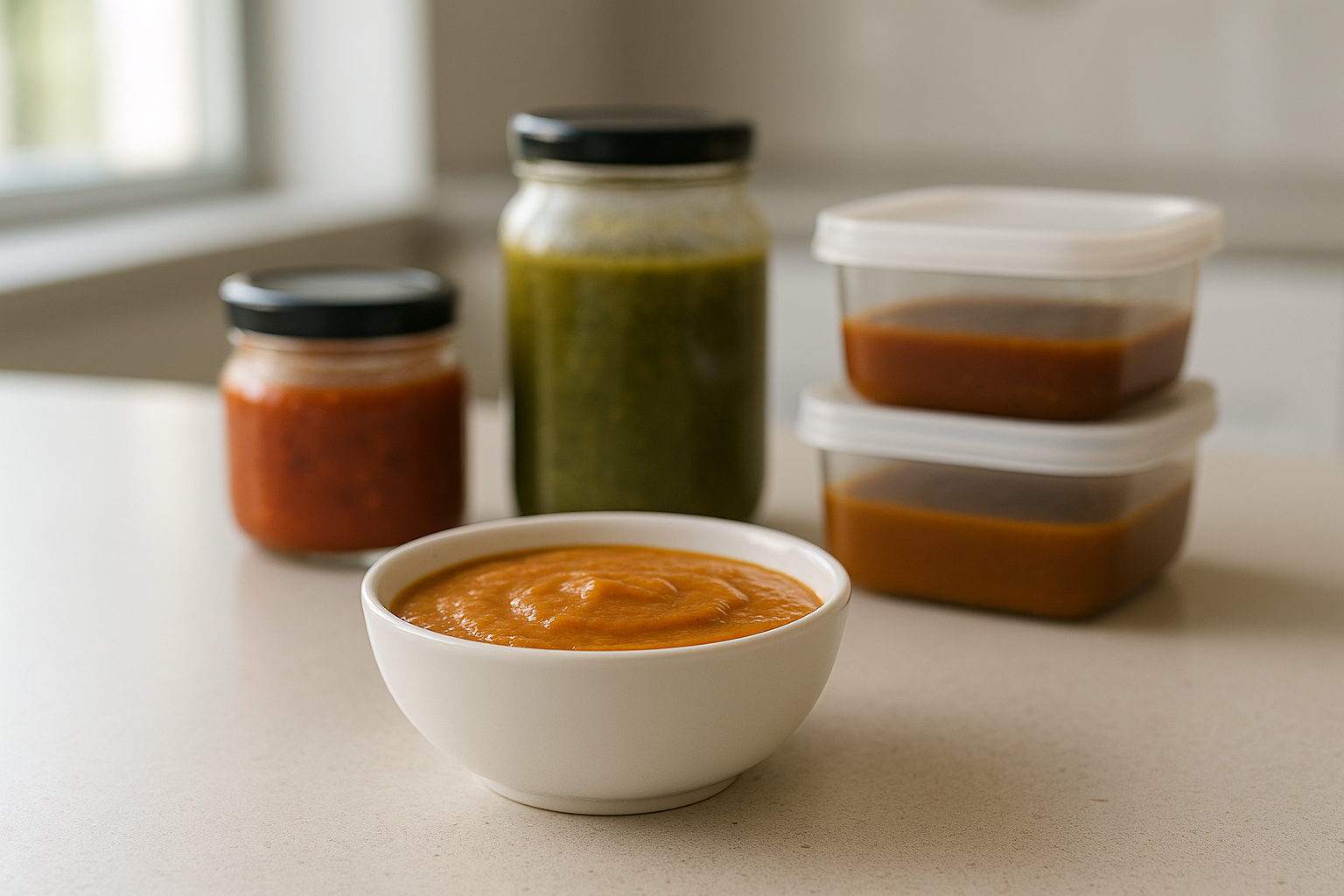
Big batches cool unevenly and trap more steam. I divide sauces into smaller airtight containers. It’s annoying, but it really helps. Plus, you can just grab what you need without stirring up the whole batch.
Tested Tips
- Let it cool uncovered: If you cover hot sauce tightly, condensation will drip right back in. I ruined at least a dozen batches before figuring this out. Let your sauce cool uncovered for 30-60 minutes, then cover and refrigerate. If you forget, just pour off the watery layer before reheating or stir it back in (but expect a thinner sauce).
- Stir before serving: Don’t just scoop from the edge. Give the whole container a good stir to reincorporate any separated liquid. It won’t be perfect, but it’ll help. If it’s still too watery, reheat gently and whisk in a teaspoon of cornstarch slurry (1 tsp cornstarch mixed with 1 tbsp cold water).
- Thicken after reheating: Sometimes no matter what you do, the sauce separates. If you’re reheating, bring it up to a simmer on low and whisk in a little extra thickener. I’ve rescued many cheese sauces with a pinch of flour or cornstarch this way.
- Go full-fat for leftovers: If you’re meal-prepping, use whole milk, heavy cream, or full-fat yogurt. Low-fat dairy splits so easily when chilled and reheated. Trust me, I tried to make a “lighter” creamy parmesan caesar dip for a party once and it turned into a soupy mess overnight. Never again.
- Don’t overheat when reheating: Creamy sauces can split if you blast them with high heat. Go low and slow - gentle heat, lots of stirring. I use medium-low and stop as soon as it’s hot enough, not bubbling furiously.
Can Watery Sauce Be Saved?
Sometimes! If it’s just a watery layer, stir it in and see how it tastes. If it’s super thin, try reheating gently and whisking in a cornstarch slurry (start with 1 teaspoon cornstarch to 1 tablespoon cold water, then add in small amounts until thickened). If you want more detailed rescue tips, check out my guide on Why Your Quick Creamy Sauces Separate and How to Fix It Fast or Why Your Quick Creamy Sauce Turns Watery: Causes and Simple Fixes.
Shortcuts and Real-World Swaps
- Store-bought stock is totally fine for most creamy sauces. I’ve made some killer creamy sun-dried tomato pasta sauce with boxed chicken stock.
- Don’t sweat the fancy butter. Use what you have. Expensive European butter is nice, but it’s not a miracle-worker against watery sauce.
- Cheese quality only matters if it’s the star. For cheese dips, spring for the good stuff. But for anything with lots of other flavors (like spicy maple sriracha BBQ sauce), use cheaper cheese.
- Timing is flexible. I’ve left sauce cooling on the counter for an hour (sometimes by accident), and it was fine. Just don’t leave it out overnight - you’ll be making a new batch anyway.
Optional Steps: Worth It?
Some recipes suggest straining your sauce or blending it again after reheating. Honestly, if it’s for a dinner party, I might do it (especially for something like creamy roasted garlic caesar dressing). But for weeknight dinners, I usually skip it and just stir well. The flavor is there, even if the texture isn’t perfect.
Related Sauce Troubleshooting Guides
- Why Your Sauce Tastes Too Acidic - Simple Fixes for Balanced Flavor
- How to Freeze Sauces the Right Way: Storage Tips for Maximum Freshness
- How to Prevent Garlic Sauce From Turning Green in the Fridge
- How to Make 3-Ingredient Sauces: Fast, Flavorful Recipes for Any Meal
Bottom Line: Embrace Imperfection
Your creamy sauce might never look quite as perfect on day two - and that’s okay. Most of the time, a quick stir and gentle reheat will bring it back to life. If you want to level up, use full-fat dairy, thicken well, cool it right, and don’t panic over a little water. After all, the best sauces are the ones you actually eat - watery or not.
TAGS
Related Articles
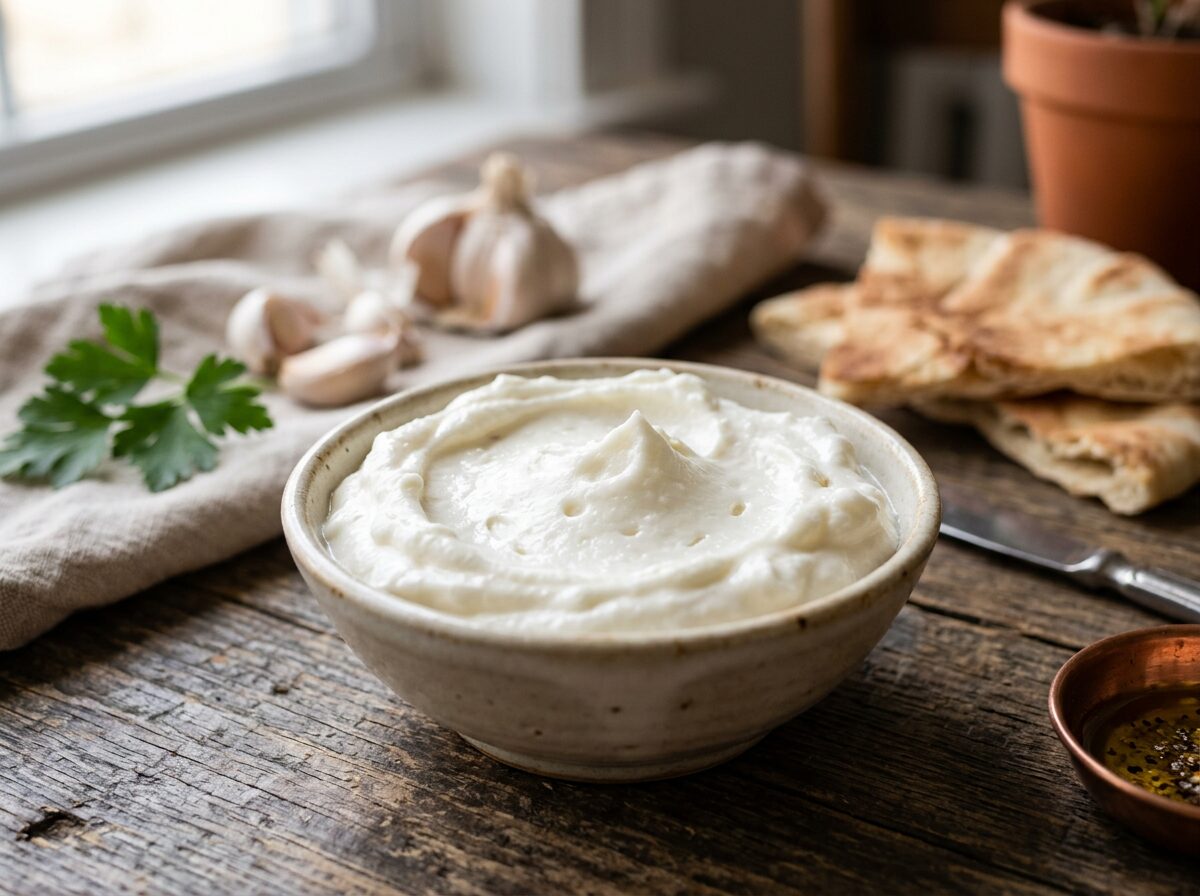
How to Make Toum: Lebanon’s Creamy Garlic Sauce for Grilled Meats
Learn to make authentic Lebanese toum sauce at home. This fluffy garlic condiment is perfect for grilled meats, shawarma, and roasted veggies.
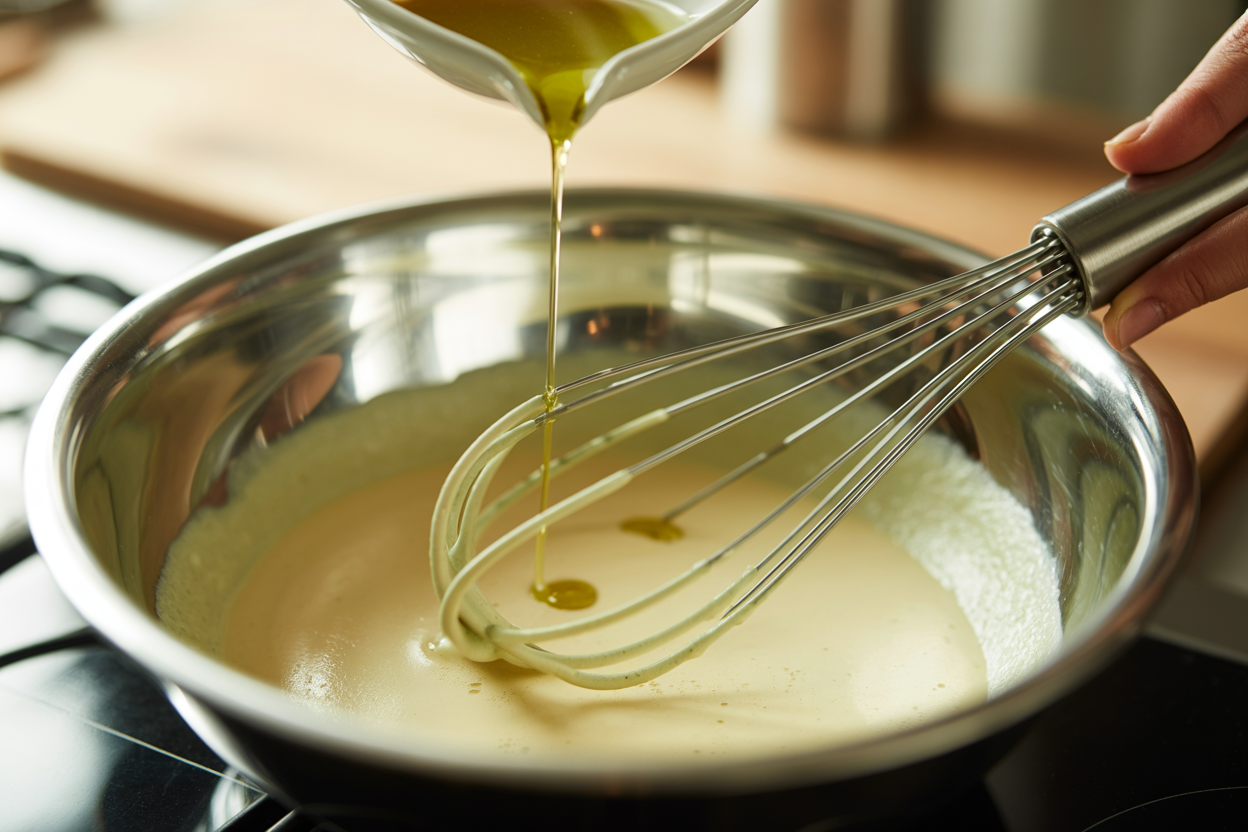
The Science Behind Emulsification (Explained Simply)
What actually happens when oil and water mix in a sauce, why it usually fails, and the handful of kitchen ingredients that make it work. No chemistry degree required.
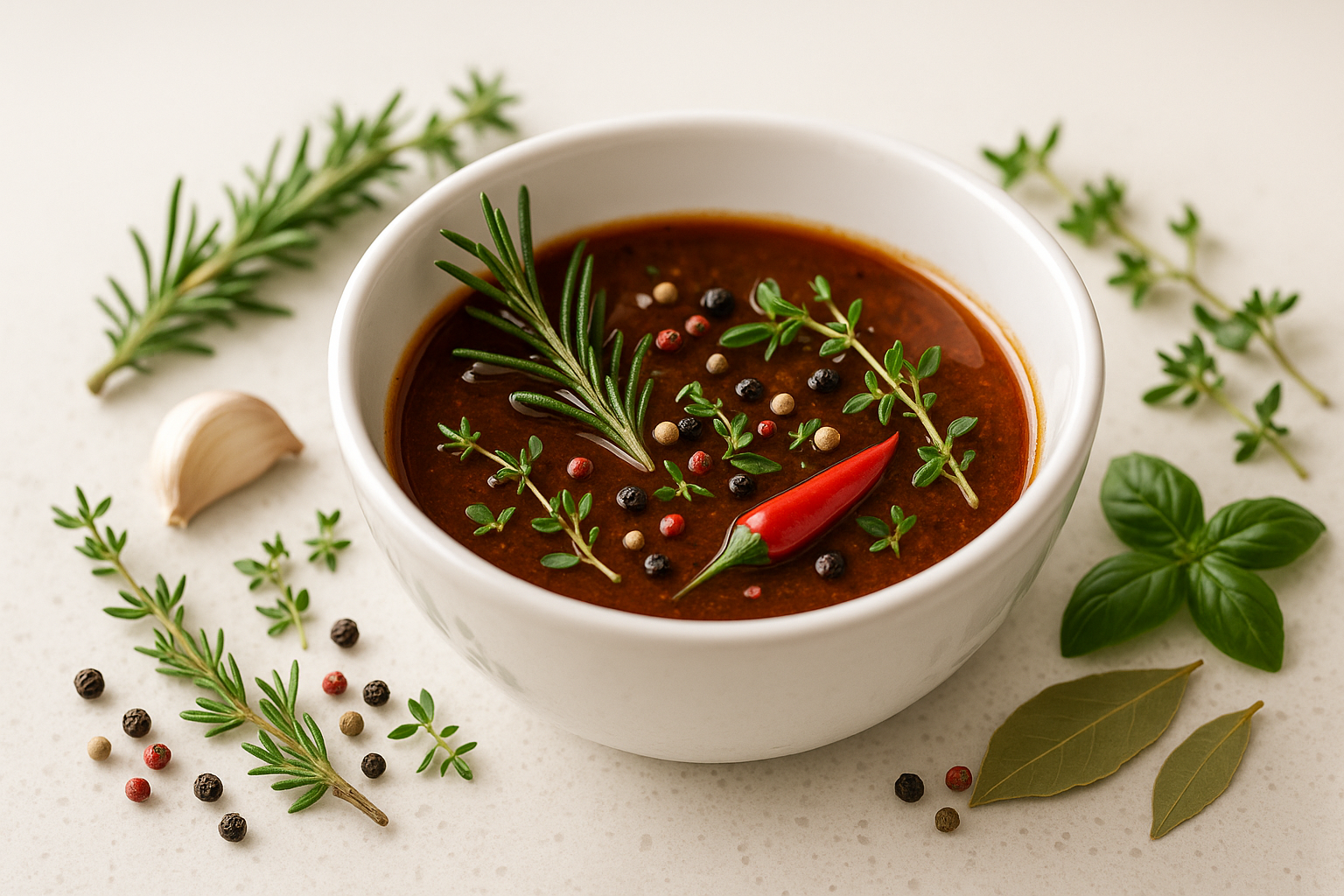
How to Infuse Sauces With Herbs and Spices: Techniques for Maximum Flavor
Learn expert infusion techniques to add bold herbal and spice flavors to any sauce. Step-by-step methods, tips, and pairing ideas for home cooks.
How to Store Sauces in the Fridge: Safety, Shelf Life, and Best Containers
Learn how to safely store sauces in your fridge, extend their shelf life, and choose the best containers to keep flavors fresh and prevent spoilage.