Why Your Quick Creamy Sauce Turns Watery: Causes and Simple Fixes
Is your creamy sauce too thin or watery? Learn the common mistakes and easy fixes for thick, luscious quick sauces every time you cook.
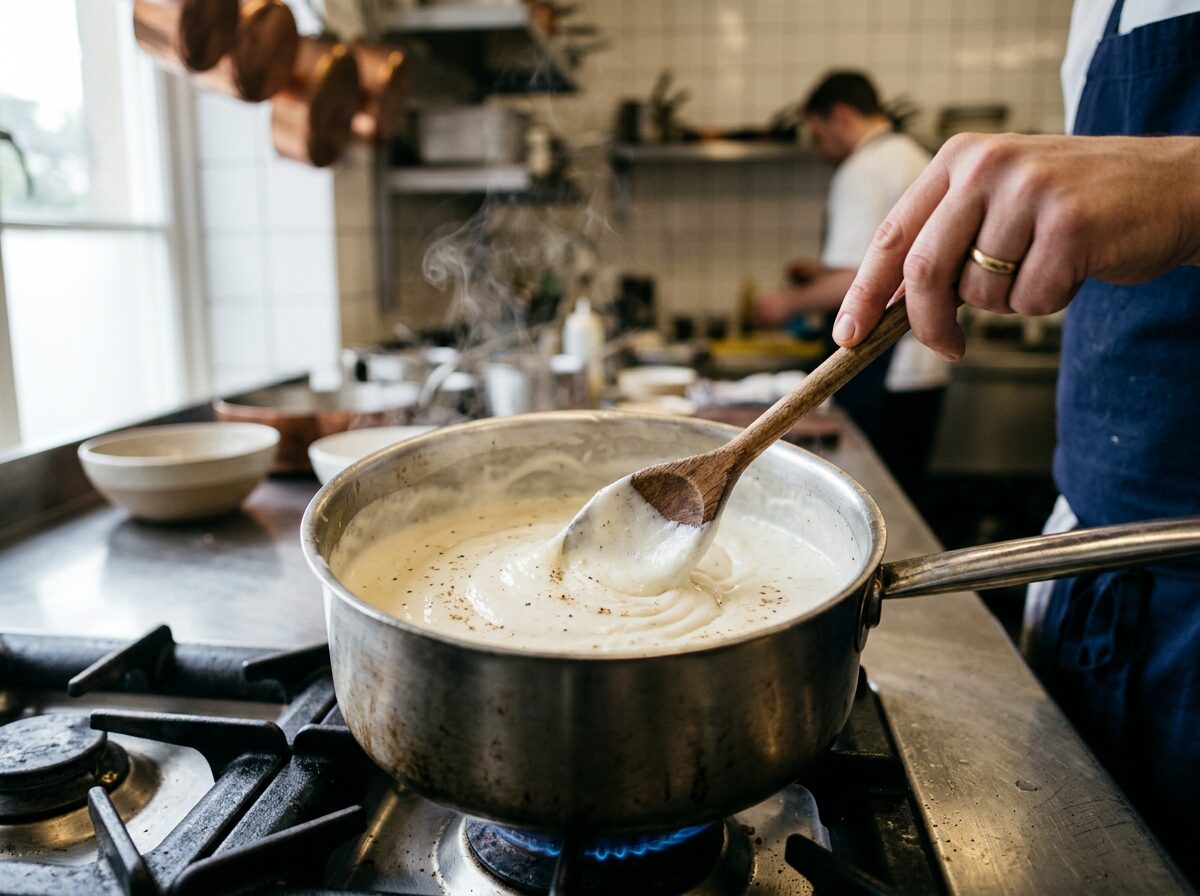
Written by FoodieManiac
With over 8 years of sauce-making experience, I've tested hundreds of techniques and products to bring you practical, reliable advice. Learn more about me →
Why Your Quick Creamy Sauce Turns Watery: Causes and Simple Fixes
That Moment When Your Sauce Fails (And Why It Happens)
If you’ve ever whisked up a quick creamy sauce, poured it over your chicken, and watched it pool into a thin, sad puddle - I feel your pain. I’ve ruined more sauces than I want to admit. The first time I tried making a 15-minute Alfredo, it looked perfect until I served it. By the time we sat down, it was basically milk with lumps of cheese. Not my finest hour.
Here’s the thing: creamy sauces are trickier than they look. You’d think it’s just “add cream to pan, simmer, done.” But there’s chemistry happening - and if you miss a step or rush it, you get watery, split, or even gritty sauce (ugh). If you want to avoid that, let’s break down why this happens and how to actually fix it.
The Most Common Causes of Watery Creamy Sauces
You don’t need to be a food scientist to understand this stuff. Most times, it boils down to a few classic mistakes. Here’s what I’ve learned from way too many failed attempts:
1. Not Enough Thickener (or Skipping It Entirely)
If you’re making a quick pan sauce with just cream, it can work - but only if you let it reduce long enough. If you’re in a rush and turn off the heat too soon, it won’t thicken. Some recipes add a bit of flour, cornstarch, or even cream cheese to help. If you skip a thickener and don’t reduce, it’s going to be runny. And trust me, you really notice it once it hits the plate.
2. Too Much Liquid (Broth, Wine, or Even Veggies)
Adding broth or wine for flavor? Totally legit. But if you add too much, or don’t let it cook down, your sauce won’t thicken up. Even high-moisture veggies (like mushrooms or zucchini) can leak water into your sauce. I’ve dumped a whole cup of wine into a pan before and thought “oh, it’ll boil off.” Spoiler: it didn’t. Ended up with watery sadness. Measure your liquids and be patient with the simmer.
3. Wrong Dairy (Or Low-Fat Substitutes)
I love saving calories, but when it comes to creamy sauces, fat is your friend. Using skim milk, half-and-half, or “light” cream almost always gives you a thin sauce. Heavy cream or full-fat sour cream is the way to go if you want that luscious texture. If you absolutely have to use something lighter, you’ll need a thickener (like a cornstarch slurry).
4. Too High Heat (Or Not Enough Simmer Time)
Cranking the heat up to high won’t make your sauce thicken faster. It just boils off the cream and can make it split. On the flip side, if you barely simmer it (or are scared to let it bubble), it won’t reduce. You need a gentle simmer - think little bubbles around the edges, not a rolling boil. Give it at least 5-8 minutes, stirring often.
5. Not Enough Emulsification
Some of my favorite creamy sauces (like a good Creamy Sun-Dried Tomato Basil Dip or homemade Caesar) rely on a proper emulsion. If you don’t whisk enough, or add the fat too quickly, the sauce can separate or turn watery. No shame - I’ve done this a dozen times. Just go slow with your additions and keep that whisk moving.
How to Fix a Watery Creamy Sauce (On the Fly)
Okay, so you’re standing at the stove, your sauce is way too thin, and dinner is in ten minutes. Don’t panic. Here’s what actually works, tested by me in real, messy kitchens:
Let It Reduce Longer
Honestly, this is the easiest fix. Leave your sauce uncovered on medium-low heat and let it simmer. Stir it every minute or two, scraping the bottom. Set a timer for 5 minutes and check the thickness. If it coats the back of a spoon (run your finger through it and the line stays), you’re good.
Add a Quick Thickener
If you’re truly in a rush, mix 1 tablespoon cornstarch with 2 tablespoons cold water. Whisk that slurry into your simmering sauce. Let it cook for 2-3 minutes - it’ll thicken fast. Flour works too, but you need to cook it longer so it doesn’t taste raw. Cream cheese is my sneaky shortcut: add a tablespoon, whisk until melted, and it’ll thicken right up.
Turn Off the Heat Before Adding Cheese
If you’re making a cheese-based sauce (like for pasta or over veggies), kill the heat before you add the cheese. Otherwise, you risk the cheese seizing up or turning gritty, which makes the sauce even thinner. I learned this the hard way making mac and cheese at 11pm. The cheese clumped, the sauce broke, and the whole thing was a mess. Now I always stir in cheese off the heat.
Adjust Seasoning After Thickening
If you add salt too early, then reduce your sauce, it gets way too salty. Trust me, I’ve ruined a whole batch this way. Always taste and adjust seasoning after your sauce has thickened. Start with half a teaspoon of salt, taste, then add more if you need it - you can always add, but you can’t un-salt.
Tested Tips
- The cool pan trick: If your sauce starts to split (you see oily pools), take the pan off the heat and whisk in a tablespoon of cold cream or milk. It often brings it back together. If it’s beyond saving, blitz with a stick blender - not perfect, but way better than starting over.
- Don’t panic about store-bought broth: I use boxed stock all the time for pan sauces. Just boil it down a bit first to concentrate the flavor (maybe 5 minutes on high). If you dump it straight in, your sauce can get watery and bland.
- Starch slurry safety: Always mix your cornstarch or flour with cold water before adding. If you sprinkle dry starch right into hot sauce, it’ll clump. I’ve had to strain lumpy sauce more times than I want to admit.
- The lid trick: If your sauce is reducing too fast, put the lid on halfway. I spent a year making sauces too thick before someone told me this. It slows evaporation but still lets things thicken gently.
- Fat is flavor and texture: If you’re tempted to use low-fat cream, don’t expect restaurant results. Use full-fat when you want it silky, and save the light stuff for dressings or cold dips. (Try my Thermomix Creamy Sriracha Ranch Dressing for a lighter, creamy fix.)
- Rescue with cheese (or not): Adding a handful of grated Parmesan can fix a watery sauce - but only if you stir it in off the heat. Too much cheese, though, makes it stringy or greasy. Go slow, a tablespoon at a time.
When Is a Watery Sauce Actually Fine?
Not every sauce needs to be super thick. Some are supposed to be pourable - like a classic vinaigrette or certain BBQ sauces. If you’re doing something like Homemade Sweet Chipotle BBQ Sauce or Spicy Maple Sriracha BBQ Sauce, a little runniness is part of the style. But for creamy pan sauces, you want that “coat the spoon” moment. If you’re not sure, dip a spoon in and run your finger through it. If the line stays, it’s thick enough.
Real-Life Examples: What Actually Goes Wrong
Here’s what I’ve done in my own kitchen (so you don’t have to):
- Added cold milk to a hot roux and ended up with glue. Always warm your milk or cream first (microwave for 30 seconds).
- Tried to rush a sauce by turning the heat up. It boiled, split, and turned into a thin mess. Gentle simmer is key.
- Used pre-shredded cheese in a cream sauce. It didn’t melt right and made the sauce gritty. Always grate your own cheese for creamy sauces. (For dips like Creamy Parmesan Caesar Dip, you can get away with the bagged stuff.)
- Skipped the thickener because I was “in a hurry.” Ended up simmering for 20 minutes to get it even remotely thick, and the flavor was gone. Sometimes the shortcut isn’t worth it.
Optional Steps (And What Happens If You Skip Them)
- Sautéing aromatics: If you skip sautéing garlic or shallots at the start, you lose depth. But honestly, if you’re pressed for time, just add a pinch of garlic powder at the end. Not as good, but totally serviceable.
- Deglazing the pan: Pouring in a bit of wine or stock after browning meat pulls up flavor. If you skip it, your sauce will taste flatter. If you want to get better at this, check out my guide on Deglazing Techniques for Sauces.
- Straining the sauce: If you want it ultra-smooth, strain it through a fine mesh sieve. I rarely bother unless it’s for a dinner party, but it makes a difference for texture.
Other Sauce Disasters (And How to Prevent Them)
Watery sauce isn’t the only pitfall. If you’re battling grainy cheese sauces, check out Why Your Cheese Sauce Turns Grainy. For vinaigrettes that separate, peep Why Your Homemade Vinaigrette Separates. And if you’re curious why your tzatziki turns into soup, I wrote about it here: Why Your Tzatziki Sauce Turns Watery.
When to Embrace the Shortcut
If you’re making a quick weeknight sauce, don’t sweat the details. Store-bought stock is fine. Pre-minced garlic works in a pinch. Just use full-fat dairy, simmer it down, and taste as you go. For more flavor boosters, try out something like Authentic Argentine Chimichurri or Creamy Jalapeño Cilantro Dip as a topper instead of a cooked sauce.
When Sauce Is Worth the Extra Effort
If you want to impress or just treat yourself, take the time to make it right. Sauté your aromatics. Deglaze your pan. Use that little bit of heavy cream hiding in the fridge. And if you want to geek out on flavor, check out my guide on How Chefs Build Flavor in Sauces.
Final Kitchen Wisdom
Every sauce I’ve ruined taught me something. Most of the time, the fix is just a few minutes of patience or a quick thickener. Don’t be afraid to experiment - worst case, you end up with a tasty dip for tomorrow’s lunch. And hey, if you want to branch out from creamy sauces, try a spicy Turkish Ezme or a bold Kansas City-Style BBQ Sauce next time.
The kitchen is for learning, not perfection. If your sauce goes watery, you’re in good company. Just keep a whisk handy and remember: you can always thicken, but you can’t un-split. Good luck, and happy saucing!
TAGS
Related Articles
How to Fix Over-Salted Sauces: Chef-Approved Rescue Techniques
Learn step-by-step methods to save over-salted sauces. Tips, tricks, and ingredient fixes to balance flavors and rescue your favorite recipes.
Why Your Pan Sauce Turns Out Greasy - Quick Fixes for Silky Results
Tired of greasy, separated pan sauces? Learn quick tricks to fix and prevent oily sauces for smooth, restaurant-quality results at home every time.
How to Make Copycat Arby’s Horsey Sauce: Creamy Horseradish at Home
Craving the zesty kick of Arby’s Horsey Sauce? Learn how to recreate this creamy, tangy horseradish sauce at home with simple ingredients and tips.

Why Your Tzatziki Sauce Turns Watery: Common Mistakes and Easy Fixes
Tired of runny tzatziki? Learn why your Greek yogurt sauce gets watery and discover simple tips to keep it thick, creamy, and flavorful every time.