Why Your Homemade Vinaigrette Separates: Simple Fixes for Stable Dressing
Tired of vinaigrette that splits into oil and vinegar? Learn why it happens and easy tips for making a perfectly blended, stable salad dressing every time.
Written by FoodieManiac
With over 8 years of sauce-making experience, I've tested hundreds of techniques and products to bring you practical, reliable advice. Learn more about me →
Why Does Your Vinaigrette Separate? Real Talk
Let’s just get this out of the way: if your homemade vinaigrette separates, you are very much not alone. I don’t care what those “just shake it!” Pinterest graphics say - emulsifying oil and vinegar is a pain if you don’t know a few tricks. I’ve had plenty of vinaigrettes break on me mid-dinner, mid-lunch, and sometimes just sitting in the fridge for half an hour. There’s no shame in it. But if you want that dreamy, thick, restaurant-style vinaigrette that hugs your lettuce instead of pooling sadly at the bottom, there’s a bit of science and a lot of little kitchen hacks involved.
The Science (A Tiny Bit, I Promise)
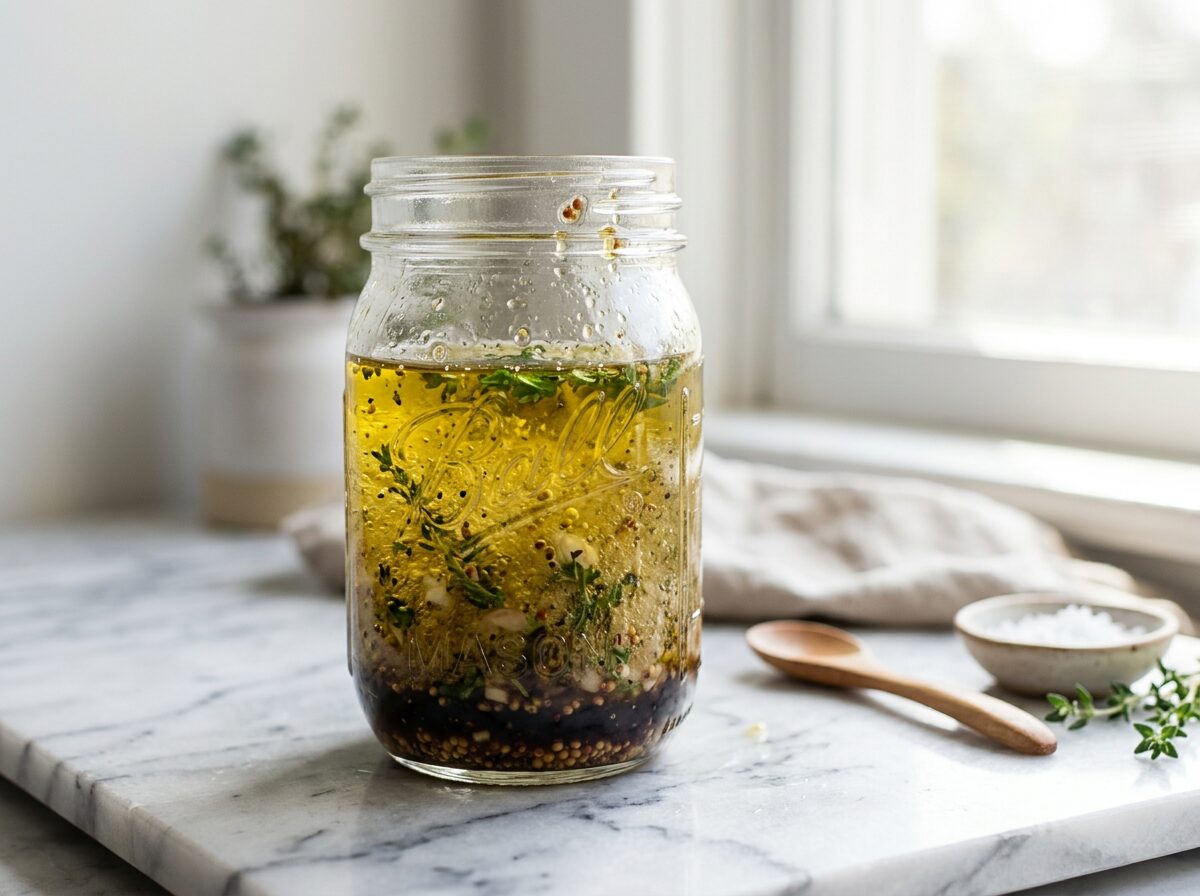
Here’s what’s really going on: oil and vinegar absolutely do not want to mix. Oil is fat; vinegar is water-based. When you pour them together, they’ll join up for a second, then split apart as soon as your back is turned. That’s why a vinaigrette will separate so fast if you just whisk oil and vinegar alone. The only way to get them to stay together - even for a few hours - is to create an emulsion. Think of it as tricking those two enemies into holding hands.
If you want to nerd out on why sauces break in general (not just vinaigrettes), I recommend reading Why Sauces Break (And How to Prevent It Every Time). It helped me realize why I kept ruining sauces for years.
What Actually Makes Vinaigrette Stable?
It comes down to emulsifiers. These are ingredients that help oil and vinegar stay together. The most common ones I use are:
- Mustard (Dijon, grainy, or yellow): A half-teaspoon of Dijon makes more difference than you’d think. I used to skip this and wondered why my vinaigrette always looked sad. Don’t skip it unless you genuinely hate mustard flavor.
- Honey or maple syrup: Even a small amount helps. This is why sweet vinaigrettes (like balsamic) feel so much thicker and silkier.
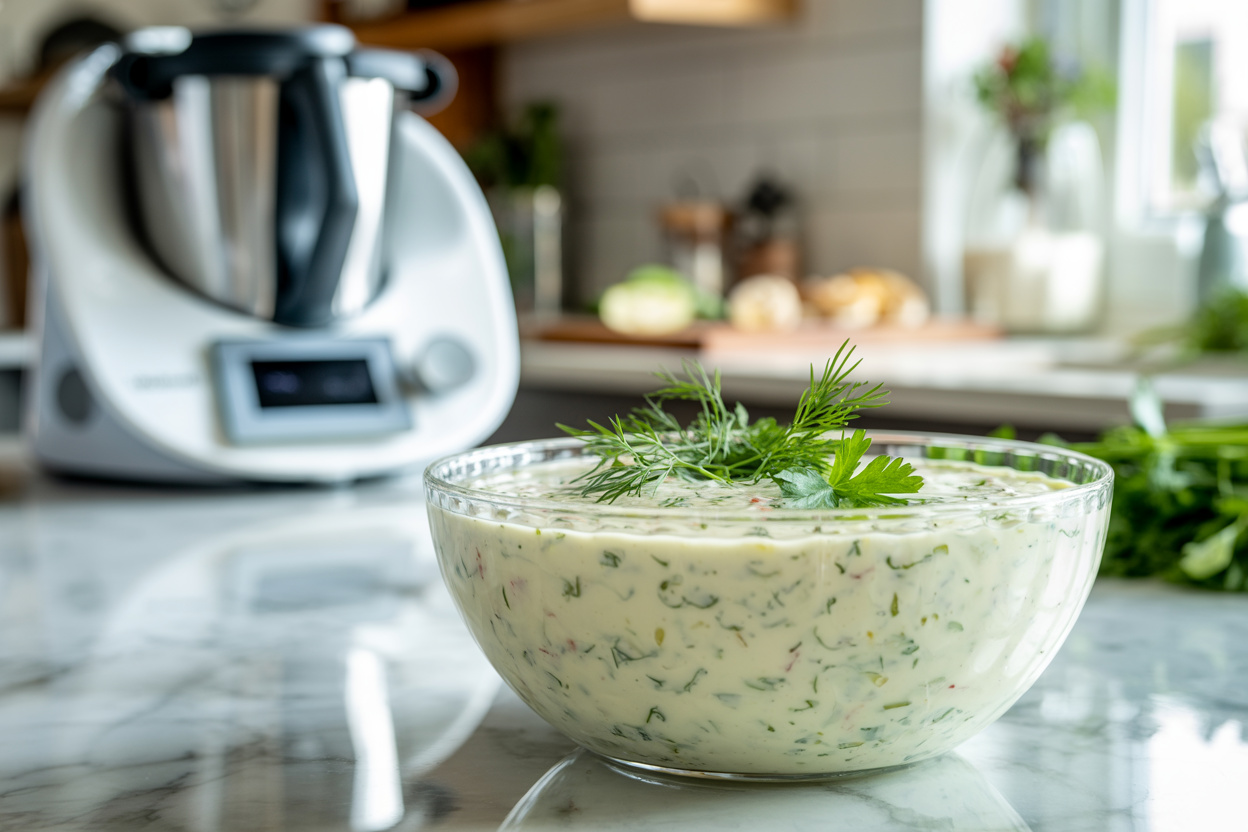
- Egg yolk: This is how Caesar dressing gets creamy (see my Thermomix Creamy Roasted Garlic Caesar Dressing), but it’s not common in everyday vinaigrettes. Still, a trick worth knowing if you want something extra rich.
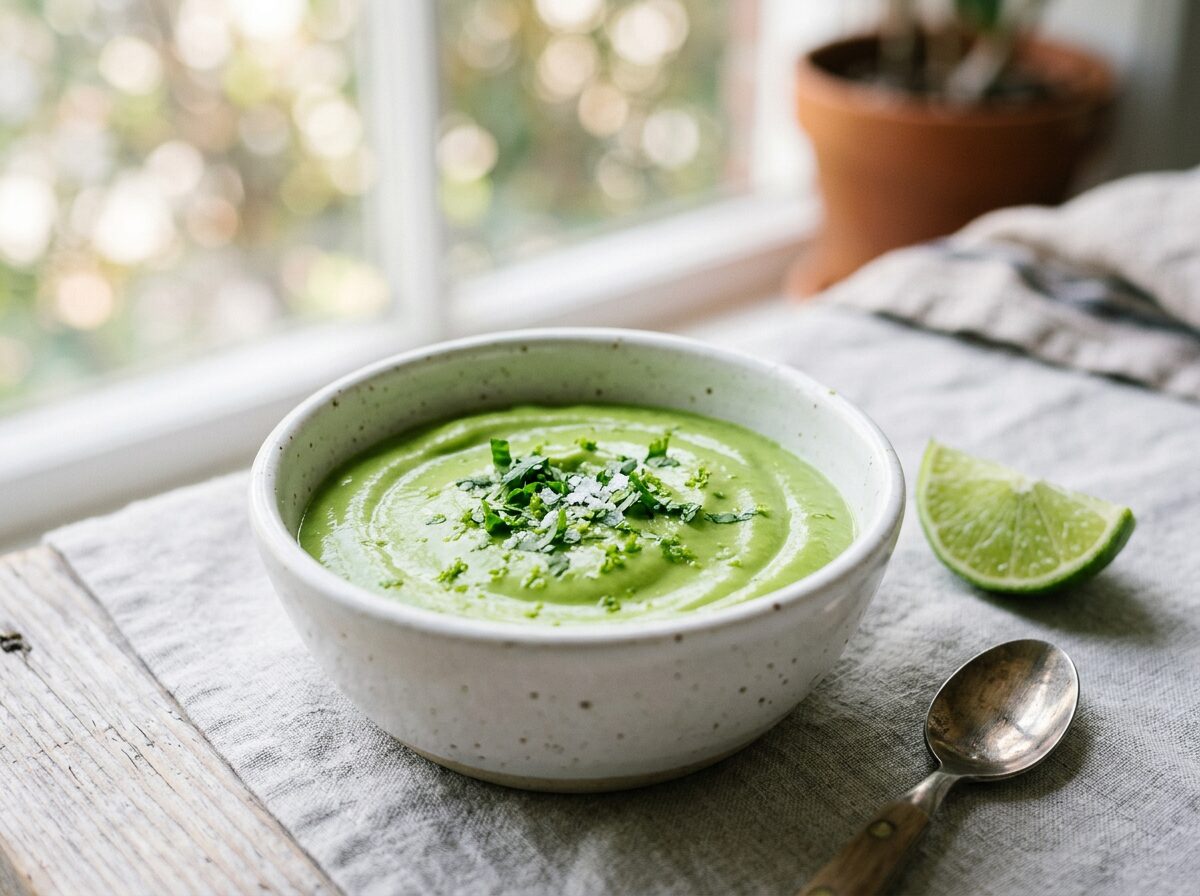
- Mayo or Greek yogurt: Not traditional, but if you want a creamy vinaigrette, it works. (Try my Creamy Avocado Cilantro Lime Dressing for a totally different take.)
- Garlic paste or finely grated shallot: They don’t technically emulsify, but they do help the dressing “grab” onto your salad and make the emulsion last a bit longer.
Classic Vinaigrette Ratio – And Why It’s Not Sacred
Most cookbooks say vinaigrette is 3 parts oil to 1 part vinegar. Here’s the thing: I almost never do exactly that. Sometimes I want it punchier, sometimes I want less tang. Honestly, my “default” is about 2.5:1. If you’re using a really sharp vinegar (like sherry or red wine), you might even go 4:1. Taste as you go. But if you start with 3 tablespoons oil and 1 tablespoon vinegar, you’ll be in the ballpark.
Salt matters too. I start with 1/2 teaspoon kosher salt for every 1/3 cup of oil. Taste, then add more. You can always add, but you cannot un-salt a dressing. Learned that the hard way more times than I’ll admit.
Common Mistakes (I’ve Made Them All)
- Pouring oil in too fast: If you dump oil all at once, you’re basically begging it to separate. Drizzle it in slowly while whisking. If you’re using a jar, add all your ingredients first, then shake like you mean it for at least 30 seconds.
- Not using an emulsifier: I ignored mustard for years and wondered why my vinaigrette was always watery and split in minutes. Even if you’re not a mustard fan, a tiny bit makes a difference and usually you can’t taste it strongly.
- Skipping the salt and sweetener: Even if you don’t want your dressing sweet, a little honey or maple syrup helps with texture and balances the tang. Plus, it really does hold things together longer.
- Using super cold ingredients: If your oil is fridge-cold and your vinegar is room temp, you’re in for a lumpy, separated mess. Get everything to the same temperature first if you can. Just leave them out for 10-15 minutes if you have time.
Tested Tips
- The mustard magic: Add 1/2 teaspoon of Dijon mustard to your vinaigrette, even if you don’t love mustard. It helps stabilize the emulsion. I went years making vinaigrette that separated until I finally tried this. If you skip it, your dressing will separate fast - but you can whisk it again right before serving, so it’s not a dealbreaker.
- Shake, then shake again: If you’re making vinaigrette in a jar (my favorite lazy method), shake for a full 30 seconds. If it starts to separate after sitting, just shake it again. I’ve found that the second shake actually makes it hold together longer. If you’re whisking, drizzle oil in sloooowly - I once dumped it in all at once and got pure separation.
- Salt at the start: Whisk the salt and any garlic or onion into the vinegar before adding oil. Otherwise, the salt won’t dissolve and you’ll get gritty bits at the bottom. I’ve had to remake more than one dressing for this reason.
- Chop your aromatics fine: If you’re adding shallots, garlic, or fresh herbs, mince them as fine as you can. Big chunks don’t distribute well and can actually help the oil and vinegar break apart. I’ve bitten into a raw garlic chunk more than once and regretted it.
- Don’t stress about the container: If you don’t have a fancy dressing bottle, just use a clean jar with a tight lid. I’ve used old jam jars, mustard jars, even a water bottle in a pinch. Just don’t use a bowl that’s too wide - splashing vinaigrette is not fun to clean off your cabinets.
Shortcuts That Actually Work
- Mini blender or immersion blender: If you really want a super-stable vinaigrette that stays together for days, use a stick blender. I only do this for big batches or if I’m prepping ahead for a party, but it works. Just blend everything except the oil, then drizzle in the oil with the blender running at medium speed. It’ll get creamy, almost like a thin mayo.
- Honey for texture: A tiny squeeze of honey (literally 1/2 teaspoon) thickens vinaigrette like magic. If you hate sweet dressings, use a drop of agave or just a pinch of sugar. It’s not about flavor - it’s about mouthfeel and stability.
- Store in the fridge, but bring to room temp before serving: Oil solidifies in the fridge, so your vinaigrette will look weird and clumpy if you pour it straight on salad. Let it sit out for 15 minutes or run the jar under warm water, then shake again. I’ve ruined more than one salad by forgetting this.
Should You Ever Buy Store-Bought Vinaigrette?
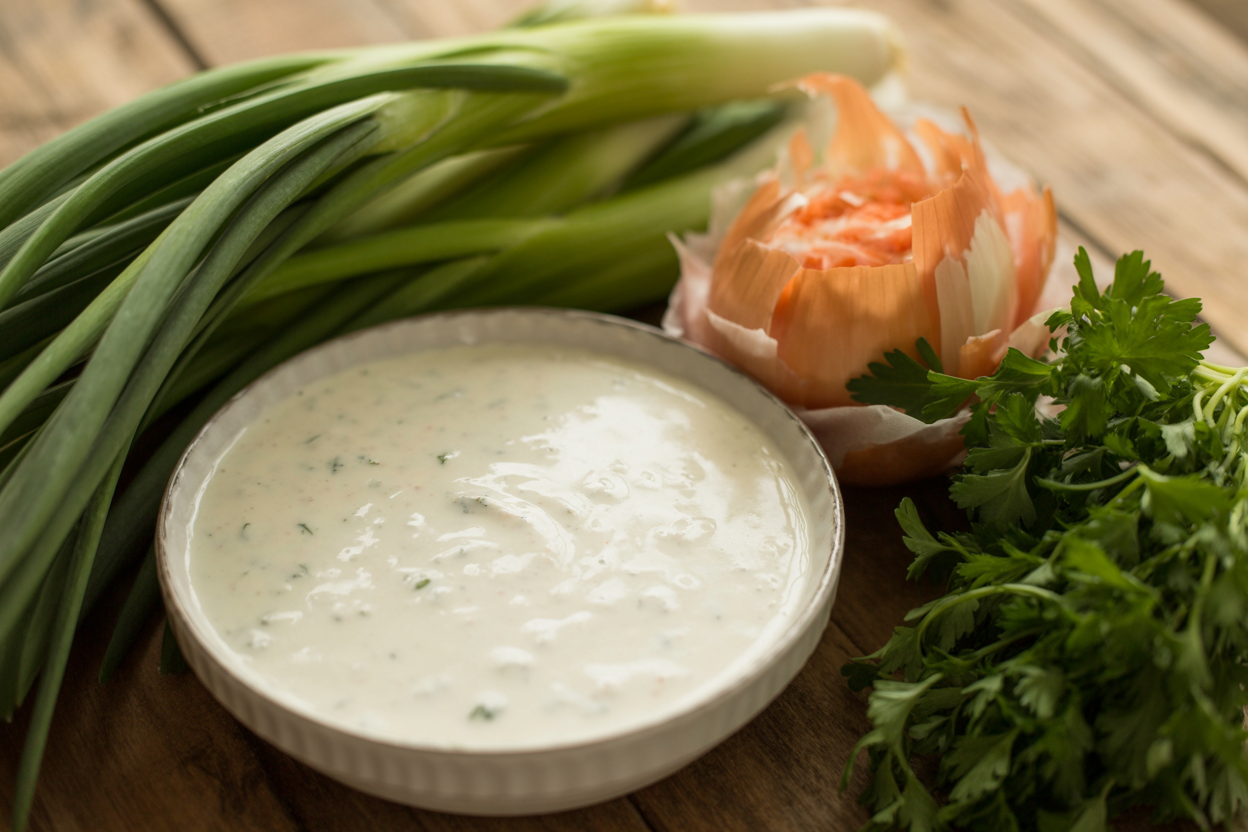
Honestly, if you love the taste of a bottled dressing, go for it. There are some pretty solid ones out there now, especially for creamy styles (try my Thermomix Creamy Sriracha Ranch Dressing if you want to skip the bottle). The main thing you’ll miss in bottled vinaigrette is the punchy acidity and the fresh, grassy flavor of good olive oil. If you’re doing a quick weeknight salad, there’s zero shame in using a store-bought vinaigrette.
But if you want something super fresh, or if you’re trying to impress (yourself or someone else), homemade is faster than you think. Plus, you can tweak it endlessly. Want it spicy? Add a pinch of chili flakes or a splash of hot sauce. Want it herby? Throw in fresh dill, parsley, or basil. I love making a big batch of Homemade Greek Lemon-Oregano Vinaigrette and keeping it in the fridge for the week.
How Long Will Homemade Vinaigrette Last?
Plain vinaigrettes (just oil, vinegar, salt, and maybe some mustard or honey) will last about a week in the fridge. If you add fresh garlic, shallot, or fresh herbs, I use it up within 3-4 days. Fresh ingredients can go funky fast. If you’re ever unsure, give it a sniff and a taste. If it smells off, toss it. For more on sauce safety, check Why Did My Homemade Sauce Go Bad? Signs of Spoilage and How to Prevent It.
A Word About Vinegars and Oils
You don’t need expensive olive oil for vinaigrette. In fact, I save the fancy stuff for drizzling. Use a decent, extra-virgin olive oil that tastes good on its own. Taste it by itself - if it’s bitter or harsh, your vinaigrette will be too. Cheap vinegars? Honestly, most work if you balance with a little sweetener or a splash of water to mellow them out. Balsamic, sherry, red wine, apple cider - all are fair game.
What Happens If You Skip an Emulsifier?
Your dressing will separate, usually within minutes. It’s not the end of the world. Just whisk or shake again before serving. This is what restaurants do if they’re using “classic French” vinaigrette. But if you want that thick, clingy dressing you get in some bistros or higher-end spots, you need an emulsifier. Or just go creamy - you can try my Homemade Creamy Parmesan Caesar Dip or Homemade Creamy Buffalo Blue Cheese Dip for inspiration.
What If Your Vinaigrette Just Won’t Stay Together?
First, don’t panic. Try adding another half-teaspoon of mustard and whisking again. If that doesn’t work, add a few drops of water and whisk some more. Sometimes the extra water helps the emulsion “catch.” If it’s still splitting, use it as-is and shake right before pouring. It’ll still taste good.
If you want to see how this works in other types of sauces, check out Why Your Quick Cheese Sauce Gets Lumpy - Fast Fixes and Pro Tips or Why Your Pan Sauce Turns Out Greasy - Quick Fixes for Silky Results. The principles are weirdly similar.
My Favorite Vinaigrette Variations
Once you’ve got the basic technique down, you can riff like crazy. Here are a few combos I make on repeat:
- Red wine vinaigrette: 3 tbsp olive oil, 1 tbsp red wine vinegar, 1/2 tsp Dijon, 1/2 tsp honey, 1/2 tsp salt, cracked black pepper.
- Balsamic vinaigrette: 3 tbsp neutral oil, 1 tbsp balsamic, 1/2 tsp Dijon, 1 tsp maple syrup, pinch of garlic powder, 1/2 tsp salt.
- Lemon-herb vinaigrette: 3 tbsp olive oil, 1 tbsp lemon juice, 1/2 tsp Dijon, 1/2 tsp honey, 1 tbsp chopped parsley or dill, 1/2 tsp salt.
If you want to get really creative, use the vinaigrette as a base for other sauces. I sometimes swirl a spoonful into Authentic Turkish Ezme Sauce or drizzle it over a plate of Authentic Argentine Salsa Criolla for a bit of brightness.
Bottom Line: Don’t Stress Over Separation
Even chefs just re-whisk vinaigrettes before serving. If you want a super stable vinaigrette, use mustard and honey, drizzle oil in slowly, and shake (or whisk) hard. But don’t let separation stop you from making homemade dressing. It’s honestly better than 99% of what you’ll get in a bottle, and you can tweak it to fit whatever mood or salad you’re having.
If you’re on a sauce kick, check out my guides on How to Rescue Any Sauce (The Complete Guide) or The Role of Fat, Acid, and Salt in Sauces for more on what makes sauces (and dressings) sing. And if you want to try something creamy and different, don’t miss my Creamy Sun-Dried Tomato Basil Dip or Thermomix Creamy Sun-Dried Tomato Pasta Sauce. Both are perfect for dunking or drizzling, and they never separate on you.
TAGS
Try These Recipes

Related Articles
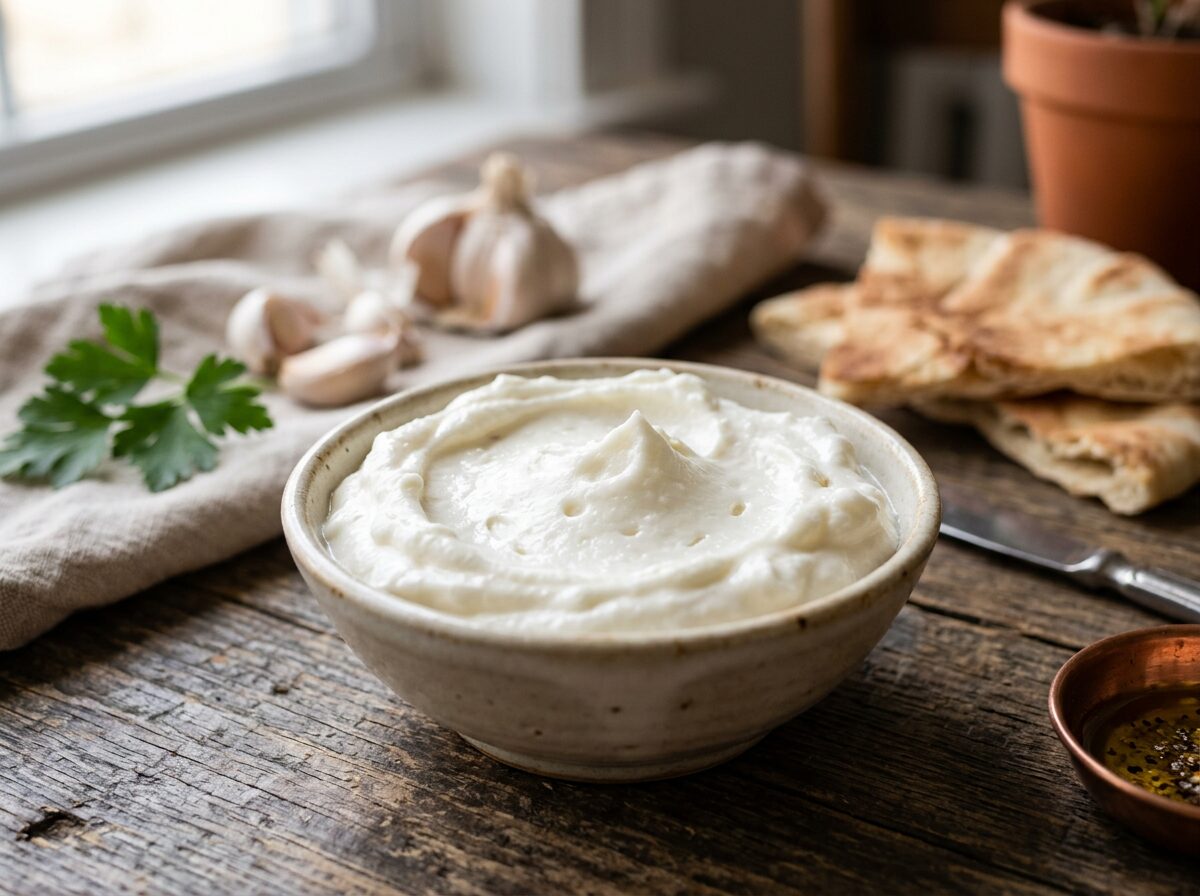
How to Make Toum: Lebanon’s Creamy Garlic Sauce for Grilled Meats
Learn to make authentic Lebanese toum sauce at home. This fluffy garlic condiment is perfect for grilled meats, shawarma, and roasted veggies.
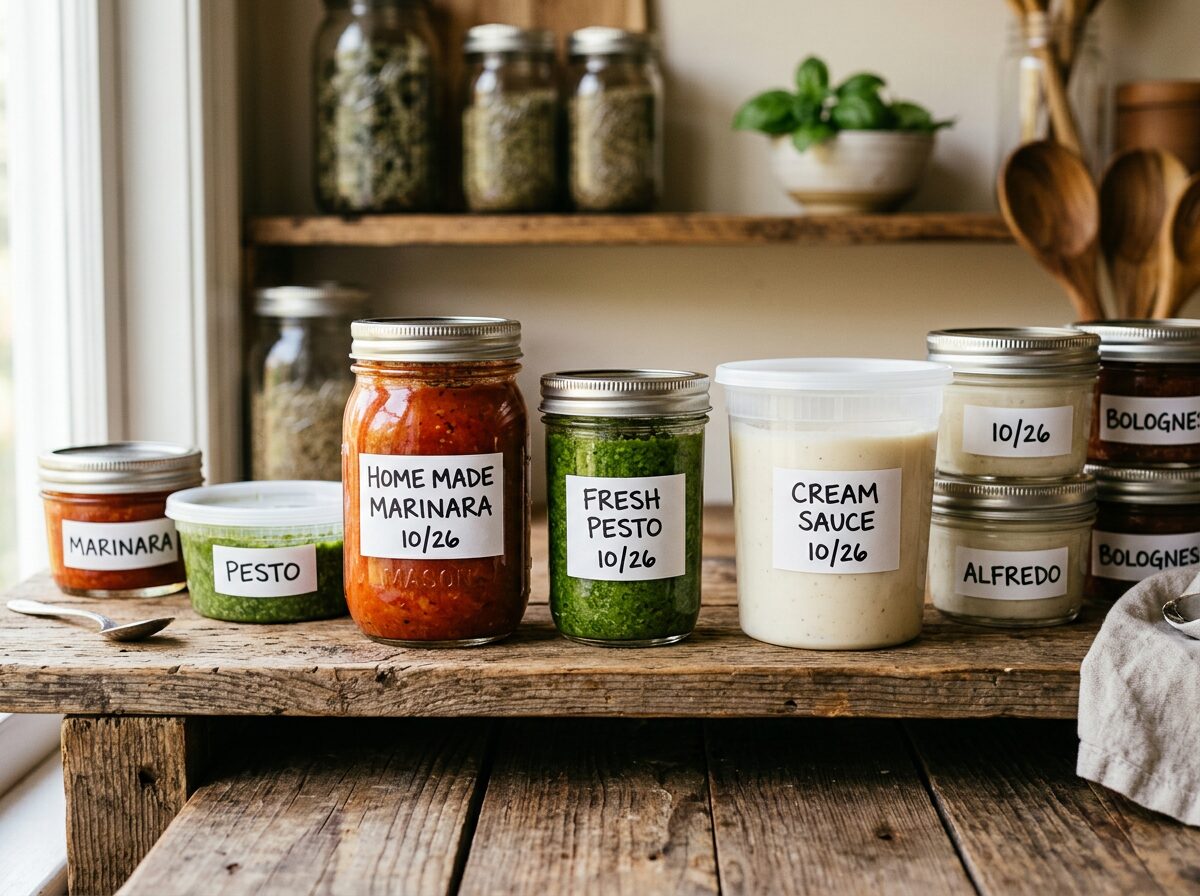
Freezing Sauces 101: Best Methods to Preserve Flavor, Texture, and Quality
Learn how to freeze sauces the right way. Discover tips on storage, thawing, and which sauces freeze best to keep flavors fresh and textures perfect.
How to Deglaze Like a Pro: Unlocking Deep Flavor for Restaurant-Quality Sauces
Master deglazing to build rich, complex sauces at home. Step-by-step techniques, liquid choices, and chef tips for pro-level flavor every time.
How to Make Copycat McDonald’s Big Mac Sauce: The Real Flavor Unlocked
Recreate the iconic Big Mac Sauce at home! Step-by-step recipe, ingredient swaps, and pro tips to nail the tangy, creamy McDonald’s flavor perfectly.