Why Your Quick Cheese Sauce Gets Lumpy - Fast Fixes and Pro Tips
Tired of grainy, lumpy cheese sauce? Learn why it happens, how to fix it instantly, and get simple tricks for smooth, creamy sauce every time.
Written by FoodieManiac
With over 8 years of sauce-making experience, I've tested hundreds of techniques and products to bring you practical, reliable advice. Learn more about me →
Why Your Quick Cheese Sauce Gets Lumpy - Fast Fixes and Pro Tips
Let’s Be Real: Cheese Sauce is a Minefield
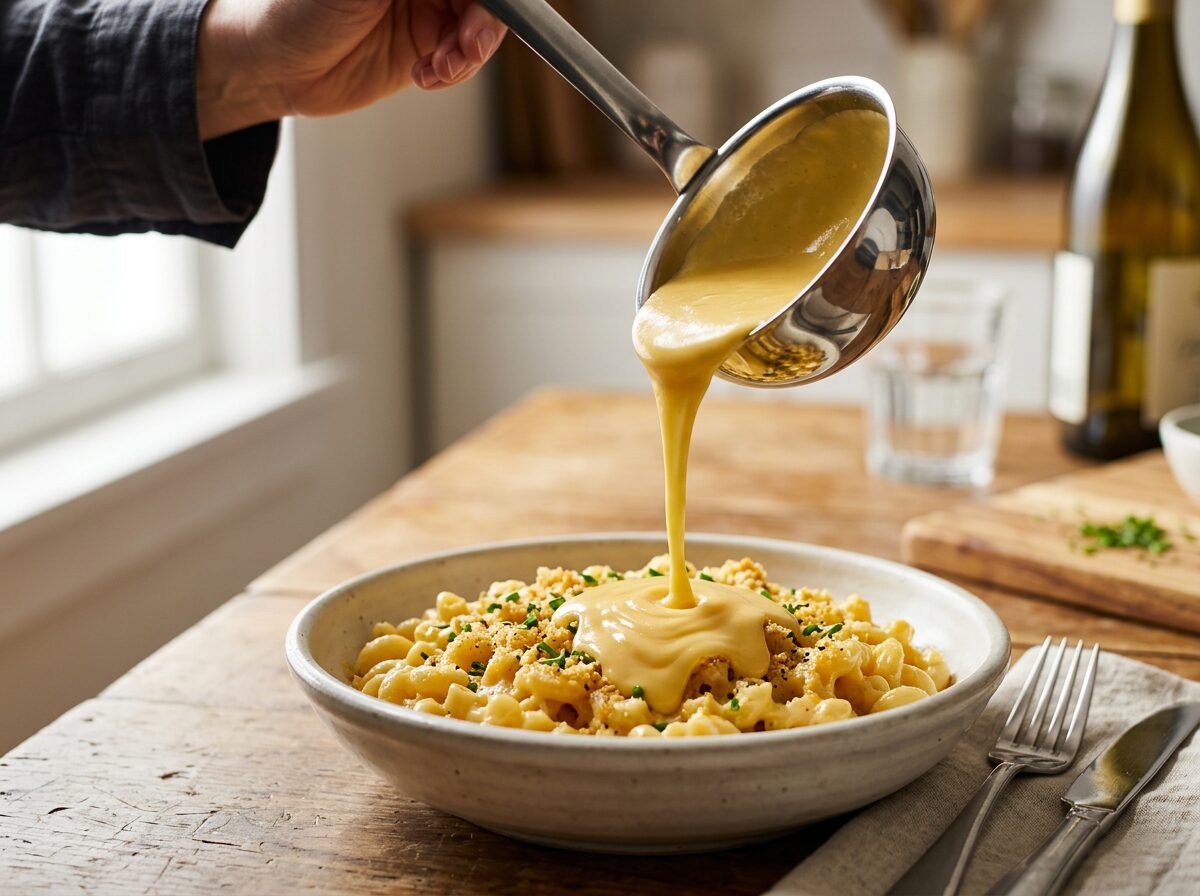
If you’ve ever tried to whip up a quick cheese sauce thinking it’s foolproof, join the club. I’ve ruined more cheese sauces than I care to admit. I’m talking about those moments when you’re aiming for silky mac-and-cheese and instead you’re scraping up a weird, lumpy, sad mess. Let’s break down why this happens and how you can actually fix it - without running to the store for fancy ingredients or spending an hour whisking like a maniac.
Why Does Cheese Sauce Get Lumpy?
Lumpy cheese sauce is the kitchen equivalent of tripping over your shoelaces: it happens fast, it’s annoying, and even people who cook all the time still do it. Here’s what’s really going on:
- High Heat: Cranking your burner to “scorch” might seem like a shortcut, but cheese is delicate. When it gets too hot, it clumps up faster than you can blink. I’ve done it. More than once.
- Wrong Cheese: Not all cheese melts the same. Pre-shredded cheese has anti-caking agents that fight smoothness. Super-aged or hard cheeses (think Parmesan) want to separate and get gritty instead of creamy.
- Adding Cheese Too Early or Too Fast: Dumping everything in at once is a classic mistake. Cheese needs a cozy, not-boiling bath to melt smoothly. If you add it to a bubbling base, it’ll seize up and clump.
- No Sauce Base: If you skip making a roux or don’t use a creamy base, the cheese doesn’t have anything to “grab onto.” It’ll just clump and release oil. (Been there - trust me, it’s gross.)
- Not Enough Liquid: Cheese needs a little space to stretch out. If your sauce is too thick before the cheese goes in, it’s a lumpy disaster waiting to happen.
What Actually Happens in the Pot?
Cheese is mostly fat and protein. When you melt it right, those molecules stay suspended in your sauce. Too much heat or not enough liquid, and the proteins tighten up (like overcooked eggs) and squeeze out the fat. That’s when you get those weird, rubbery lumps swimming in a greasy puddle.
My (Very Honest) Cheese Sauce Failures
The first time I tried to make cheese sauce from scratch, I dumped shredded cheddar into hot milk. It went from hopeful to horror show in seconds. It looked like orange cottage cheese in a lake of oil. I tried to whisk it back to life, but it just laughed at me. I almost gave up and bought a jar of the neon stuff.
Turns out, the secret isn’t fancy cheese or magic, but actually paying attention to a few boring details. And you can save a lumpy sauce most of the time - but the real win is not letting it get lumpy in the first place.
How to Make Smooth, Silky Cheese Sauce (Even When You’re Distracted)
If you want your cheese sauce to be the stuff of dreams (not nightmares), here’s what works in real, messy kitchens:
1. Make a Roux (or at Least a Thickener)
You don’t have to go full French chef. Just melt 2 tablespoons of butter, whisk in 2 tablespoons of flour, and let it cook for a minute over medium heat. This is your insurance policy. No roux? Whisk 1 tablespoon of cornstarch into your cold milk before heating. Both ways help the cheese blend in instead of clumping up.
2. Warm (Don’t Boil) Your Milk or Cream
Bring your milk or cream up to about 160°F (71°C) - just when you see tiny bubbles around the edge. If it’s boiling, turn it down. Cheese sauce likes gentle heat. I’ve scorched milk before and ruined everything. Don’t be me.
3. Add Cheese in Batches, Off Heat
Take the pot off the burner. Add a handful of cheese at a time, whisking until it’s melted before adding more. Rushing this step is the easiest way to get lumps. I know, it’s tempting to dump it all in so you can eat faster. But patience is your friend here.
4. Use the Right Cheese for Melting
Go for young cheddar, Monterey Jack, Gruyère, or even American (yes, really). If you’re using pre-shredded cheese, it’ll work, but it’s more likely to clump. If you want to splurge, get a block and shred it yourself. It’s honestly worth it for cheese sauce, but pre-shredded won’t ruin your day if you’re careful with the other steps.
5. Don’t Forget the Liquid Ratio
For every 1 cup of milk or cream, use about 1.5 to 2 cups of shredded cheese. If your sauce looks thick before you add cheese, add a splash more milk. You can always cook it down, but you can’t un-clump a seized cheese ball.
6. Season Late (and Carefully)
Cheese is already salty. Start with just 1/4 teaspoon of salt for a full batch, then taste. You can add more, but you can’t un-salt a sauce. If you want to punch up the flavor, try a small pinch of dry mustard or a few drops of hot sauce for balance.
Tested Tips
- Whisk constantly, but gently: If you stop stirring, the sauce can thicken unevenly and lumps form. But don’t go wild - I’ve broken sauces by whisking like I was mad at the pot. Gentle, regular whisking is all you need.
- Rescue with a splash of milk: If your sauce starts to thicken up or look lumpy, pull it off the heat and whisk in a splash of milk. I’ve saved a sauce from disaster this way more times than I can count. If it’s still not smooth, try using an immersion blender (careful - it’ll get hot and steamy).
- The cornstarch backup: If you see oil separating, whisk 1 teaspoon of cornstarch with 2 tablespoons of cold milk, then slowly whisk that into your sauce off heat. This sometimes pulls everything back together. Not perfect, but better than tossing it.
- Cheese last, always: If you’re tempted to add cheese before your sauce base is ready, don’t. Cheese goes in at the end, off the heat. Every time I skip this, I regret it.
- Don’t panic if it’s grainy: If things go sideways, check out this guide on grainy cheese sauce. Sometimes a little lemon juice or cream can help, but sometimes you just need to start over (sorry, friend).
Shortcuts That Actually Work
Let’s be honest: there are nights when you just want creamy cheese sauce now. Here are the hacks I use without shame:
- Evaporated milk: It’s almost impossible to break this stuff. Swap out regular milk for evaporated (same amount) and you get a super-forgiving sauce base. It’s a lifesaver if you’re multitasking.
- Cream cheese: Add 2 ounces of cream cheese to your base for bonus smoothness. It’s not “classic” but it’s nearly foolproof. This is basically how creamy dressings get so silky.
- Store-bought cheese blends: The bags labeled “Mexican blend” or “pizza cheese” usually melt better than you’d expect. Not gourmet, but totally fine for nachos or mac and cheese.
Common Cheese Sauce Mistakes (And What Happens If You Ignore Them)
- Boiling the sauce: If your base boils before the cheese goes in, the fat and protein split. You get lumps and oil. If this happens, try the cornstarch rescue above, but sometimes, you just have to start over.
- Not prepping cheese ahead: If you’re shredding cheese while the sauce base is already hot, you’ll rush and toss it in too soon. I used to do this constantly. Shred first, then cook.
- Adding cheese to cold base: Cheese won’t melt evenly in a cold or lukewarm sauce. You’ll get stubborn bits of unmelted cheese and weird stringy clumps. Warm that sauce base first.
What About Fancier Cheeses?
Fancy aged cheddar, Gruyère, or even blue cheese can make amazing sauces - but they’re much more likely to go gritty or lumpy. If you want to splurge, use half mild cheese (like Monterey Jack or young cheddar) for meltability, and half fancy stuff for flavor. Skip the $12 wedge if you’re just craving nachos. Save it for a special cheese board or a sauce you’ll actually watch like a hawk.
How to Reheat Cheese Sauce Without Ruining It
Cheese sauce hates the microwave. If you have leftovers, reheat slowly in a saucepan over low heat, adding a tablespoon or two of milk. Stir a lot. If it starts to separate, try a cornstarch slurry (see “Tested Tips”). The microwave will almost always make it split, but if you must, do 20-second bursts and stir in between.
For more on storing and rescuing sauces (especially creamy ones), check out this guide on storing creamy sauces and how to rescue any sauce.
Pair Your Cheese Sauce With More Saucy Goodness
If you’re as obsessed with sauces as I am, you should try branching out. For a spicy, herby kick, check out Authentic Turkish Ezme Sauce (amazing with roasted potatoes). Or, if you want something creamy but different, try Creamy Sun-Dried Tomato Basil Dip on your next snack board.
For BBQ nights, you can’t go wrong with Homemade Sweet Chipotle BBQ Sauce or, if you’re feeling bold, Homemade Creamy Buffalo Blue Cheese Dip. They’re all sauces I actually eat in real life, not just for the blog.
Want to Go Deeper?
Curious about the science behind why sauces break or turn grainy? You’ll love Why Sauces Break (And How to Prevent It Every Time) and Why Your Cheese Sauce Turns Grainy. And if you’ve ever wondered why your tzatziki is watery, that’s a whole saga in itself (here’s how to fix it).
The Bottom Line
If your cheese sauce gets lumpy, don’t beat yourself up. It’s happened to everyone who’s cooked more than twice. The real trick is low heat, gradual cheese, and a solid sauce base. And if you mess up? That’s just one step closer to nailing it next time. Honestly, sometimes the “easy” version is all you need - especially when there’s a pile of chips or pasta waiting.
TAGS
Related Articles
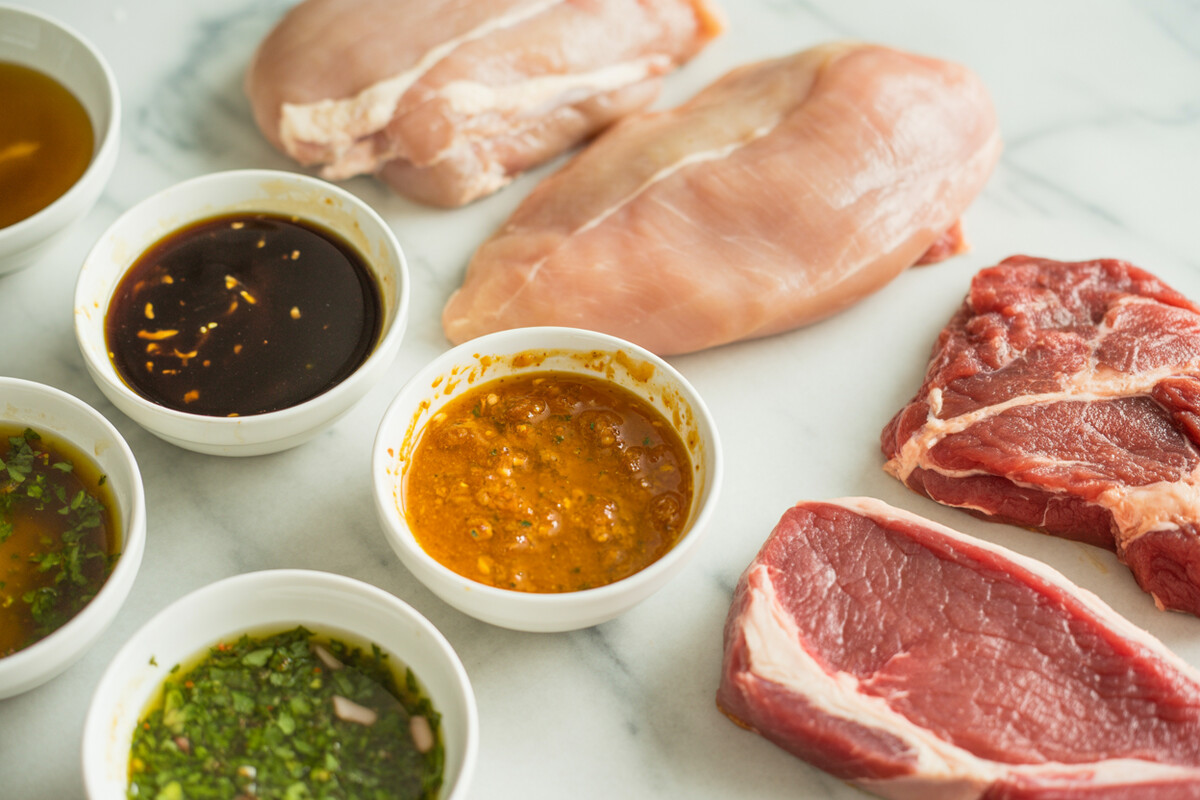
10-Minute Marinades: Quick Sauces to Instantly Upgrade Any Protein
Discover fast, flavor-packed marinades you can whip up in 10 minutes to transform chicken, beef, fish, or tofu. Easy recipes, bold results!

Tahini Sauce vs. Hummus: Differences, Uses, and When to Choose Each
Compare tahini sauce and hummus: key ingredients, texture, flavor, and best uses. Learn when to use each Middle Eastern classic in your cooking.

Best Sauces for Grilled Vegetables: 10 Pairings That Add Bold Flavor
Discover 10 delicious sauces that perfectly complement grilled vegetables. Elevate your summer grilling with these easy, flavor-packed pairings and recipes.
How to Thicken Sauces Naturally (7 Methods)
Discover 7 natural ways to thicken sauces without cornstarch! From reduction to roux, learn the best methods for every sauce type. No more watery sauces!