Why Your Pan Sauce Turns Out Greasy - Quick Fixes for Silky Results
Tired of greasy, separated pan sauces? Learn quick tricks to fix and prevent oily sauces for smooth, restaurant-quality results at home every time.
Written by FoodieManiac
With over 8 years of sauce-making experience, I've tested hundreds of techniques and products to bring you practical, reliable advice. Learn more about me →
Why Is My Pan Sauce Always Greasy?
If you’ve ever finished searing a beautiful steak or chicken breast and tried to whip up a quick pan sauce, only to end up with a glossy puddle of oil floating on top instead of something silky and restaurant-worthy, you are so not alone. I’ve been there more times than I can count. It’s one of those things every home cook struggles with, even if you’re obsessed with sauces (like me). The good news: greasy pan sauce is 100% fixable, and the solutions are faster and easier than you probably think.
What Actually Makes a Pan Sauce Greasy?
Greasy pan sauce usually means the fat and liquid never really joined forces. Instead of emulsifying (think: creamy vinaigrette), the fat just floats on top. Here’s what’s most likely going wrong, based on my own kitchen fails:
- Too much fat left in the pan. After searing, there’s often more oil or rendered fat than you need. If you don’t pour some off, your sauce will be doomed from the start.
- Not enough liquid. You need enough wine, broth, or water to “catch” the fat and help it emulsify.
- No emulsifier. Classic pan sauces get their silky vibe from a little butter whisked in at the end, or sometimes a splash of cream or even a spoonful of Dijon. If you skip this, the sauce can split or just stay slick.
- Pouring in cold butter all at once. This is the one that tripped me up for years - if you dump in cold butter instead of swirling in a bit at a time, you get oil slick city.
- Not reducing enough (or reducing too much). If you don’t let your sauce reduce enough, it’s watery and never really comes together. But if you go too far, it can break and separate. Timing is everything here.
Want a nerdy deep-dive into why sauces break and how to prevent it? Check out Why Sauces Break (And How to Prevent It Every Time) for all the science-y details. But here, I want to keep it super practical and real.
The 3 Big Steps to Silky Pan Sauce
Step 1: Control the Fat
The first thing I do whenever I’m making a pan sauce is eyeball the fat left after searing. For something like steak, you’ll often have a pool of oil and rendered beef fat. For chicken, maybe even more. Here’s the rule: you want about 1 tablespoon of fat left in the pan for every 1-2 servings. Anything extra, just tip it off into a mug or empty can (don’t pour it down the sink). If you leave all the fat in, you’re already halfway to greasy disaster.
Step 2: Deglaze With Enough Liquid
This is the fun part - the sizzle when you pour in wine, broth, or even water and scrape up all those brown bits. You need at least 1/2 cup liquid for a basic sauce for 2 servings. If you add less, the fat won’t properly emulsify and you’ll end up with separation. If you’re short on time or ingredients, honestly, store-bought stock is fine here. I use boxed chicken broth at least twice a week and no one has ever complained.
Step 3: Emulsify at the End
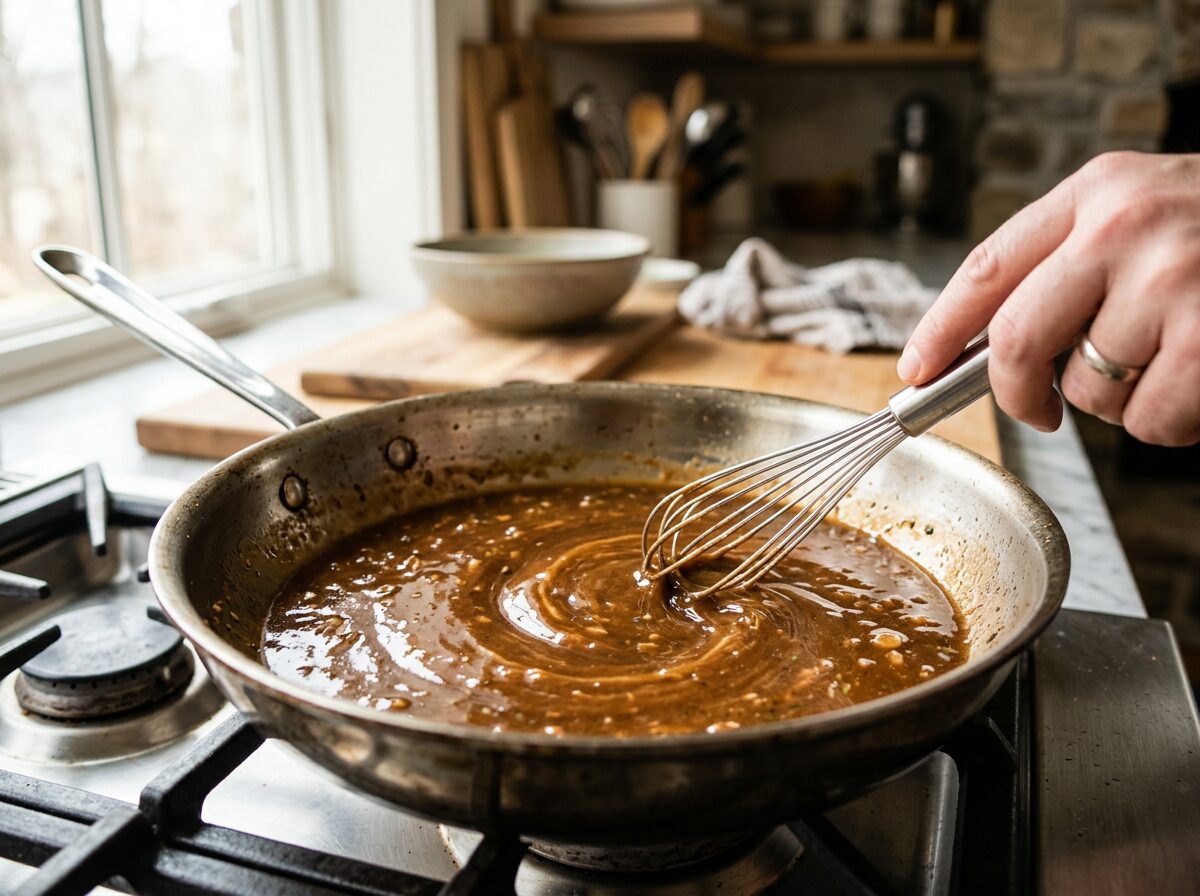
Here’s where the magic happens (and also where I’ve ruined more sauces than I care to admit). Once your liquid is reduced by about half (this takes 2-5 minutes at a simmer), you need to swirl in cold butter, cream, or another emulsifier. Don’t just dump it in. Take the pan off the heat, add a tablespoon of cold butter (cut into cubes), and swirl or whisk constantly until it’s just melted. Add more, a cube at a time, if your sauce can take it. This is what gives you that restaurant-style gloss instead of oil slicks.
If you want to branch out from classic pan sauces, you’ll love trying something like Homemade Chimichurri Sauce or even a creamy dip like Homemade Creamy Buffalo Blue Cheese Dip. Totally different flavor profiles, but the same rules for emulsifying and balancing fat still apply.
Tested Tips
- The paper towel tilt: After searing, tilt the pan and use a folded paper towel (held with tongs) to blot out excess fat. I learned this after splattering half my stove by trying to pour. If you forget, your sauce will be greasy, but you can still skim off the fat later with a spoon.
- Wine first, stock second: If you want a deeper flavor but worry about burning, deglaze with wine first, then add stock. The alcohol helps lift the brown bits, but if you only use wine, it can taste harsh. The first time I used only wine, my sauce was bitter (and greasy because I didn’t reduce it enough).
- Butter off the heat: Always swirl in cold butter after you’ve turned off the burner. If you add it while the pan’s still ripping hot, the butter will break and the sauce goes greasy. If that happens, try whisking in a splash of cold water to rescue it. (This really works - I learned it from a French chef on YouTube after ruining three sauces in one night.)
- Don’t skip the reduction: If you rush and don’t let the sauce reduce, it stays thin and the fat never disappears. Let it bubble on medium-high for at least 2-3 minutes, scraping the pan. If you go too far and it’s almost syrupy, add a tablespoon of water or stock to loosen it (I’ve made this mistake a dozen times).
- Dijon to the rescue: If your sauce refuses to come together, a half teaspoon of Dijon mustard can save the day. It’s a natural emulsifier. Stir it in before adding butter. I fought using mustard for ages because I thought it would taste weird - it doesn’t, it just makes everything creamy.
- Strain if needed: If you end up with little flecks or curdles, don’t panic. Pour the sauce through a fine mesh sieve right before serving. It’s not cheating, it’s just smart. I started doing this for dinner parties and everyone thought I was a pro.
How to Fix a Greasy Sauce (Even at the Last Minute)
Okay, so you’ve followed all the steps but things still went sideways. Here’s how I rescue a sauce when it starts to break or separate:
- Whisk in cold water or stock. Just a tablespoon at a time, fast. This can bring a broken sauce back together almost instantly.
- Use a hand blender. For big batches, sometimes a quick blitz with an immersion blender will force the fat and liquid to emulsify again. It’s not traditional, but it works, especially in a pinch.
- Add a bit of starch. If all else fails, make a tiny slurry of cornstarch and water (1/2 teaspoon cornstarch in a tablespoon of water), then whisk it in while simmering. This thickens and helps bind the fat. Too much and it goes gloppy, but a little is magic for emergency repairs.
More troubleshooting ideas? See How to Rescue Any Sauce (The Complete Guide) for every situation I’ve ever run into (and trust me, that’s a lot).
Common Pan Sauce Shortcuts (That Actually Work)
- Boxed stock is fine. I love homemade stock but only make it maybe twice a year. For pan sauces, the store-bought stuff is totally acceptable. Just taste it before you season - some are saltier than others.
- Worcestershire or soy sauce for depth. A few drops make even a basic sauce taste richer. I’ve added both to chicken pan sauces when I was out of wine and no one noticed (in a good way).
- Dijon for emergency emulsifying. As mentioned above, it’s basically pan sauce glue. Keep a jar in the fridge forever.
- No fancy wine required. I use leftover boxed wine for deglazing all the time. Save the good stuff for drinking. If you don’t drink wine, use a splash of apple cider vinegar or just more stock, but dilute vinegar with a bit of water so it doesn’t overwhelm the sauce.
- Skip the shallots if you’re in a rush. Chopped onion or even just garlic powder is fine. The sauce will still be tasty. I love the depth shallots give, but on a weeknight, I just don’t have time to mince anything tiny.
Want to see these flavor tricks in action? Try my Homemade Sweet Chipotle BBQ Sauce or go classic with Creamy Roasted Garlic Lemon Tahini Dressing - both use simple, affordable ingredients and a few clever cheats.
Pan Sauce Troubleshooting Q&A
How much fat should I leave in the pan?
About 1 tablespoon per 1-2 servings. If you’re making sauce for four, leave 2 tablespoons. Too much and it’ll never emulsify, too little and your sauce can taste flat.
What if my butter separates and floats?
Take the pan off the heat, add a splash of cold water, and whisk like crazy. This often saves it. Next time, add the butter more slowly and always off the heat.
Is it okay to add flour or cornstarch?
Yes, but use a tiny amount - 1/2 teaspoon mixed with water is enough for a cup of sauce. This helps bind the fat but can make the sauce cloudy and dull the shine. If you want a super-glossy finish, stick with butter or cream as your main emulsifier.
Do I need to strain my sauce?
Only if you want it extra silky or if you have a lot of bits floating around. It’s totally optional. I strain for special occasions, but for Tuesday night dinner, I skip it and no one cares.
How do I know when my sauce is reduced enough?
When it looks syrupy and a spoon dragged through leaves a trail for a second or two. Usually this takes 2-5 minutes at a gentle boil, but it depends on your pan and how much liquid you started with. Don’t leave the stove - it goes from perfect to burned in under a minute (ask me how I know).
When Is a Greasy Sauce Actually Okay?
Honestly, sometimes it doesn’t matter. If you’re just cooking for yourself and it tastes good, call it “rustic.” No shame. Lots of old-school pan sauces (like steak au poivre) were pretty oily by modern standards. But if you want that restaurant finish, a few tweaks make all the difference.
And if you want to explore sauces that are naturally creamy or have built-in emulsifiers, check out my Thermomix Creamy Sriracha Ranch Dressing or give Authentic Lebanese Toum a go - both are pretty much unbreakable if you follow the steps.
Level Up: Learn the Science (If You Want)
If you’re curious about how fat, acid, and salt all work together in sauces, I wrote up everything I learned (after dozens of failed attempts) in The Role of Fat, Acid, and Salt in Sauces. And if you want more chef-level flavor hacks, check out How Chefs Build Flavor in Sauces (The Layering Method) for some ideas that’ll impress even picky eaters.
My Final Pan Sauce Wisdom
Making a great pan sauce is all about balancing fat, liquid, and timing. Don’t stress if it’s not perfect every time - I still mess it up, especially if I’m distracted or multitasking. But with a few simple tweaks, you’ll go from greasy to glossy way more often. And if you ever need a sauce that’s basically guaranteed to work, try my Thermomix Creamy Roasted Garlic Caesar Dressing or the Homemade Creamy Parmesan Caesar Dip - they’re foolproof (and pretty much impossible to make greasy).
Happy cooking - and remember, it’s just sauce. If you mess it up, there’s always next time. Or a loaf of bread to mop it up anyway.
TAGS
Related Articles
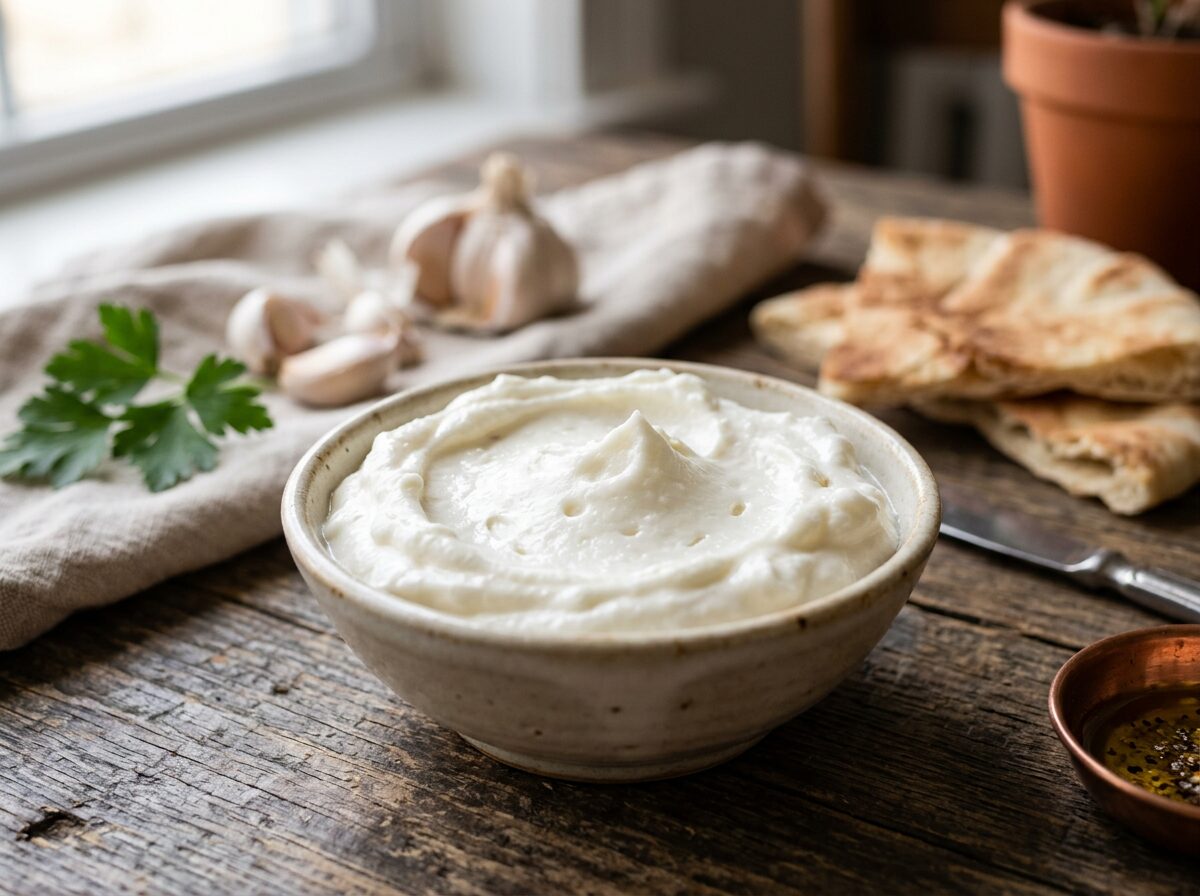
How to Make Toum: Lebanon’s Creamy Garlic Sauce for Grilled Meats
Learn to make authentic Lebanese toum sauce at home. This fluffy garlic condiment is perfect for grilled meats, shawarma, and roasted veggies.
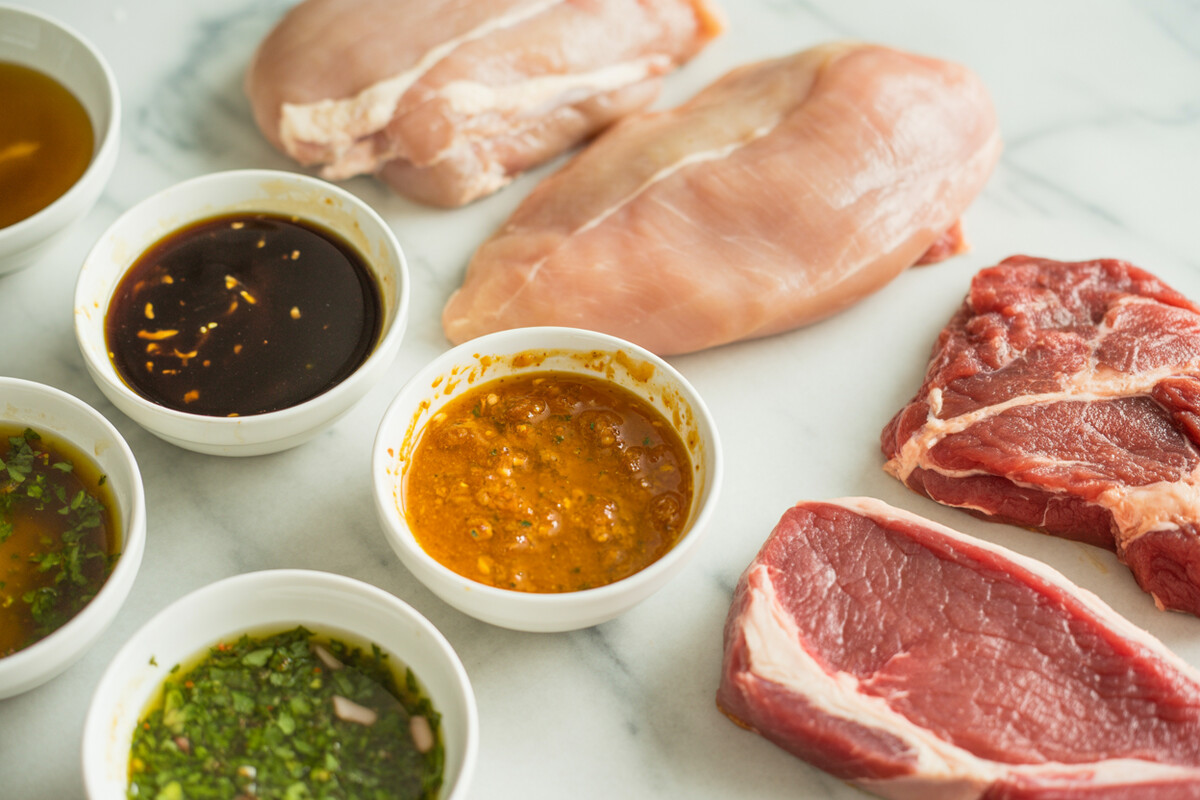
10-Minute Marinades: Quick Sauces to Instantly Upgrade Any Protein
Discover fast, flavor-packed marinades you can whip up in 10 minutes to transform chicken, beef, fish, or tofu. Easy recipes, bold results!
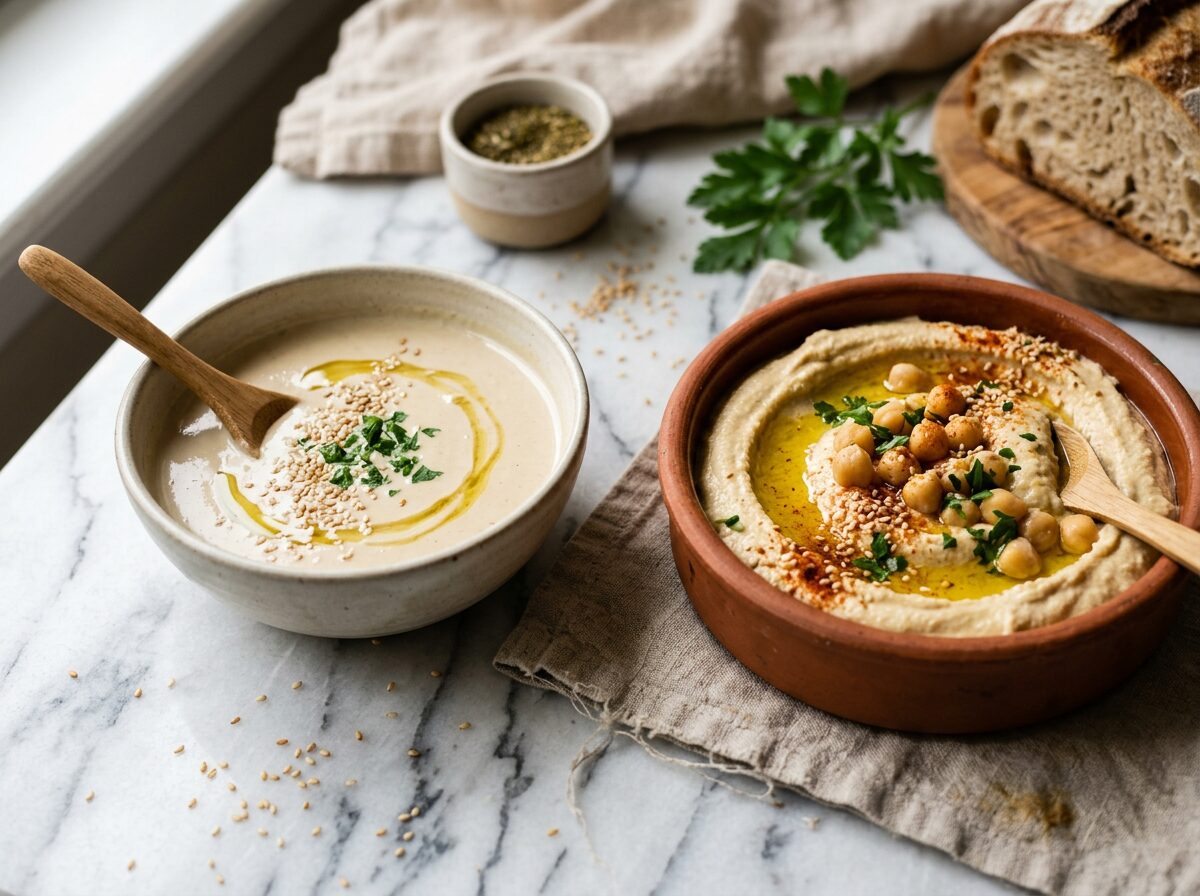
Tahini Sauce vs. Hummus: Differences, Uses, and When to Choose Each
Compare tahini sauce and hummus: key ingredients, texture, flavor, and best uses. Learn when to use each Middle Eastern classic in your cooking.
Best Sauces for Grilled Vegetables: 10 Pairings That Add Bold Flavor
Discover 10 delicious sauces that perfectly complement grilled vegetables. Elevate your summer grilling with these easy, flavor-packed pairings and recipes.