How to Prevent Garlic Sauce From Turning Green in the Fridge
Learn why homemade garlic sauces change color during storage and get proven tips to keep your toum or aioli bright, fresh, and safe to eat.
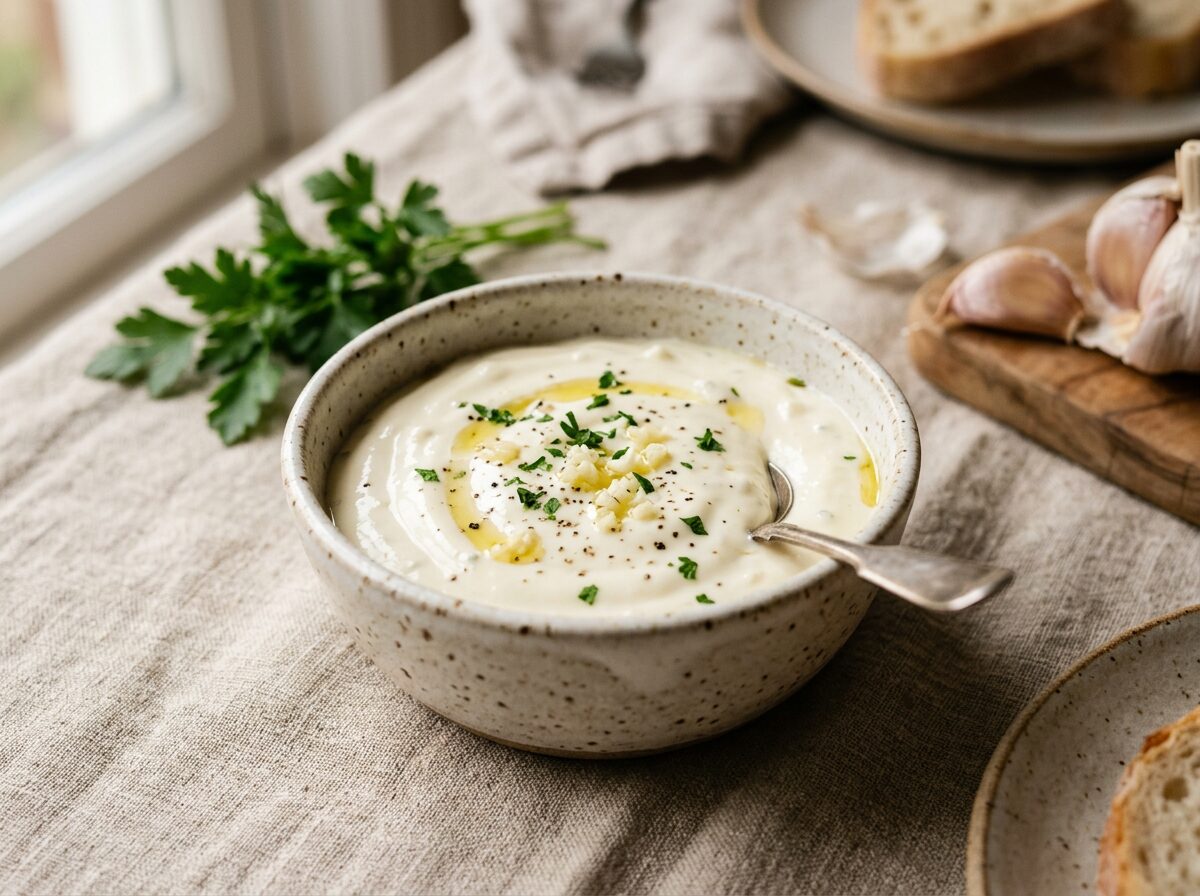
Written by FoodieManiac
With over 8 years of sauce-making experience, I've tested hundreds of techniques and products to bring you practical, reliable advice. Learn more about me →
Why Does Garlic Sauce Turn Green in the Fridge?
I’ll never forget the first time I made a batch of toum and stuck it in the fridge feeling like a sauce wizard. The next morning, my beautiful white, fluffy garlic sauce had patches of neon green. I panicked. Did I poison myself? Was it mold? Was my fridge haunted? Turns out, it wasn’t just me - this is super common with garlic sauces, especially if you’re using raw garlic.
The short answer: it’s a harmless chemical reaction, but it’s weird and definitely off-putting. Let’s dig into why this happens (so you don’t freak out like I did) and how you can stop it - or at least keep your sauce from looking like it came out of a sci-fi movie.
The Science: What’s Actually Happening?
When raw garlic is chopped, smashed, or blitzed in the food processor, it releases an enzyme called alliinase. That enzyme reacts with sulfur compounds in garlic, and those can hook up with trace amounts of acid or certain metals. The result? Weird blue or green pigments called “sulfur-containing chlorophyll derivatives.” I know, sounds fancy, but it just means your garlic is having a chemistry party.
This is way more likely if you:
- Use young, super-fresh garlic (the kind that’s almost juicy inside)
- Add an acid (like lemon juice or vinegar) to your sauce
- Store your sauce in a metal bowl or use a metal spoon
- Stick your sauce in the fridge right after making it
So yeah, your garlic isn’t “going bad” - it’s just reacting to its environment. The flavor will be the same, but the color can be a turn-off, especially if you’re trying to impress guests or just enjoy a white, creamy dip like Creamy Roasted Garlic Parmesan Dip or tarator.
Does Green Garlic Sauce Mean It’s Unsafe?
Here’s the big relief: green or blue garlic sauce is usually totally safe to eat, as long as it doesn’t smell funky or have fuzzy mold spots. The color change is a chemical reaction, not a sign of spoilage. That said, I totally get not wanting to serve green toum at a party. If you want to know the actual signs your sauce has gone bad, check this out: How to Tell If Your Sauce Has Gone Bad: Spoilage Signs and Safety Tips.
Where This Shows Up Most
I see this most with:
- Raw garlic sauces (toum, aioli, Lebanese tarator)
- Vinaigrettes with lots of crushed garlic
- Garlic-heavy dips that skip cooking the garlic
Cooked garlic sauces (like you’ll find in my Creamy Roasted Garlic Lemon Tahini Dressing or Thermomix Creamy Roasted Garlic Caesar Dressing) almost never turn green. Cooking tames those enzymes.
Tested Tips
- Blanch your garlic: If you want truly white, drama-free garlic sauce, peel your garlic and drop the cloves in boiling water for 10-15 seconds. Fish them out and cool them before blending. This deactivates the enzyme that causes greening. I resisted this for years (one more step, right?) but it really works.
- Use older, cured garlic: The fresh, juicy stuff at the farmers’ market is delicious, but it’s more likely to go green. Grocery store garlic that’s been sitting around is less reactive. When I use last week’s garlic, my toum stays white.
- Skip metal bowls and utensils: Acid + garlic + aluminum or copper = green city. Use glass, ceramic, or plastic. I learned this the hard way after a batch of aioli tasted faintly metallic and looked like swamp goo. If you only have metal, rinse the tools well before using.
- Add acid slowly — and after blending: I used to dump in all my lemon juice at once. Now, I blend my garlic with oil first, then add lemon juice at the end. The sauce seems less likely to turn green this way. If it still does, try adding just a little acid and taste. You can always add more, but you can’t dial it back.
- Chill before storing: Let your sauce sit at room temp for 30-60 minutes before putting it in the fridge. This sounds weird, but it gives the garlic time to mellow. I’ve noticed less color change when I do this, especially with toum.
- Roast your garlic for a different flavor: If you’re okay with a sweeter, mellower sauce, roasted garlic basically never turns green. For a killer dip, check out my Creamy Roasted Garlic Parmesan Dip.
Step-by-Step: How I Keep My Garlic Sauce White
1. Blanch (Optional, but Worth It)
If you want to go all in, blanching is your friend. Bring a small pot of water to a boil. Drop in peeled garlic cloves for 10-15 seconds (set a timer, it’s easy to forget). Scoop them into ice water to stop the cooking. Pat dry. Now your garlic is ready, and less likely to turn green. I skip this on weeknights, but for parties or when I want my sauce to look restaurant-perfect, I do it.
2. Use the Right Bowl and Tools
I’ve ruined sauces with my trusty old metal mixing bowl. For anything garlicky, switch to glass or ceramic. Same goes for blenders and food processors - plastic is fine. If you use a garlic press, make sure it’s stainless steel, not aluminum. That’s the one place where the metal really matters.
3. Blend Oil First, Add Acid Last
Blitz your garlic with salt and oil first, then add lemon juice or vinegar slowly at the end. For example, when I make toum, I drizzle in oil as the sauce emulsifies, and only add lemon juice in the last minute. This seems to help with stability and color.
4. Don’t Rush to the Fridge
Letting your sauce hang out at room temp for half an hour gives the flavors time to develop and seems to reduce the color reaction. I’ve tried putting it straight in the fridge vs. letting it sit, and the batch that rested stayed whiter every time. If you’re in a hurry, you can skip this, but don’t be surprised by a hint of green later.
5. Store It Right
Always use a clean, airtight container (glass is best). Wipe the rim before sealing so nothing funky grows there. If you want more tips on keeping sauces fresh, here’s my full storage guide.
What If My Sauce Still Turns Green?
Honestly, sometimes garlic just does its thing. As long as it smells garlicky (not sour or funky), it’s safe. If you want to cover it up, swirl in a little yogurt, sour cream, or tahini - the creamy base will mask the color. This is basically how I “fix” a batch for picky eaters or if I want to use it as a dip for veggies (like in my Best Sauces for Grilled Vegetables roundup).
Or just embrace the green - I’ve served it at home plenty of times and nobody cares after one bite. But if you’re really after that snowy white look, roasted garlic is foolproof. Try my Creamy Roasted Garlic Parmesan Dip or Creamy Roasted Garlic Lemon Tahini Dressing for sauces that never go green, even after a week in the fridge.
Shortcuts and Real-World Workarounds
- Store-bought garlic paste: I’ve used the stuff in tubes when I’m in a rush. It’s already “cooked” and doesn’t turn green, but the flavor is a little less punchy. For dips where garlic isn’t the star, it’s fine.
- Pre-peeled garlic: Honestly, I don’t notice much difference except it’s a little milder. If you use pre-peeled, you might get less greening - but it’s usually not worth the extra cost unless you’re making a LOT of sauce.
- Skip the acid: Not ideal for toum, but if you’re just making a quick garlic mayo or aioli, you can get away with less lemon. Just add a tiny splash at a time.
- Use roasted garlic: It doesn’t have that fiery raw garlic kick but stays white, creamy, and sweet. This is my fix for guests who don’t love the bite of raw garlic.
How Long Does Garlic Sauce Last in the Fridge?
If you follow the steps above and use a clean jar, garlic sauce will last about 1-2 weeks in the fridge. Toum and other raw garlic sauces can separate or lose their punch after a week, but they’re still safe. If you see mold or the smell is off, it’s time to toss it. For more on keeping sauces fresh and safe, I wrote a whole article: How to Prevent Mold in Homemade Sauces.
Other Sauces That Are Garlic-Heavy (and Could Turn Green)
- Authentic Lebanese Toum (Garlic Whipped Sauce) Recipe
- Authentic Lebanese Tarator Sauce (Tahini Garlic Sauce)
- Creamy Roasted Garlic Parmesan Dip (use roasted garlic here and you’ll never worry about color)
- Thermomix Creamy Roasted Garlic Caesar Dressing (again, roasted garlic for the win)
If you love playing with garlic and want more ideas, check out my guide comparing tahini sauce and hummus, or try making your own chermoula - it’s another green sauce, but from herbs, not garlic!
Final Thoughts From My Fridge
Look, garlic sauce turning green is one of those kitchen curveballs that nobody tells you about until you see it for yourself. I’ve had it happen at 2am after making a midnight batch of toum, and I’ve stressed about it when prepping for a party. But now that I know why it happens and how to stop it, it’s not a big deal - just one more weird thing that makes homemade sauces fun (and sometimes unpredictable).
So next time you open the fridge and see your garlic sauce has gone a little Shrek, don’t panic. Try a few of these tips, maybe embrace a little green, and keep experimenting. For more on keeping sauces from separating or turning weird, you might also like Why Your Quick Creamy Sauces Separate and How to Fix It Fast or Why Your Sauce Tastes Metallic: Causes and Easy Fixes for Home Cooks. Happy saucing!
TAGS
Try These Recipes
Related Articles
Freezing Sauces 101: Best Sauces to Freeze and How to Thaw Them Safely
Discover which sauces freeze well, step-by-step freezing methods, and how to safely thaw for best flavor and texture. Preserve your homemade sauces longer.
Freezing Sauces 101: Best Methods to Preserve Flavor, Texture, and Quality
Learn how to freeze sauces the right way. Discover tips on storage, thawing, and which sauces freeze best to keep flavors fresh and textures perfect.
How to Freeze Sauces for Maximum Freshness: Methods, Tips, and Mistakes to Avoid
Learn the best techniques to freeze sauces, dressings, and dips. Discover which sauces freeze well, storage tips, and how to thaw for best results.
How to Deglaze for Pan Sauces: Step-by-Step Guide to Rich, Flavorful Results
Master deglazing for pan sauces with this step-by-step guide. Learn the best liquids, timing, and techniques for restaurant-quality sauces at home.