Tahini Sauce vs. Hummus: Differences, Uses, and When to Choose Each
Compare tahini sauce and hummus: key ingredients, texture, flavor, and best uses. Learn when to use each Middle Eastern classic in your cooking.
Written by FoodieManiac
With over 8 years of sauce-making experience, I've tested hundreds of techniques and products to bring you practical, reliable advice. Learn more about me →
Understanding Tahini Sauce and Hummus: Definitions and Origins
Both tahini sauce and hummus are cornerstone sauces in Middle Eastern cuisine, but their ingredients, textures, and uses differ significantly. Knowing exactly what sets them apart helps home cooks make smart choices for flavor, texture, and pairing. Let’s break down their core components and culinary roots.
What Is Tahini Sauce?
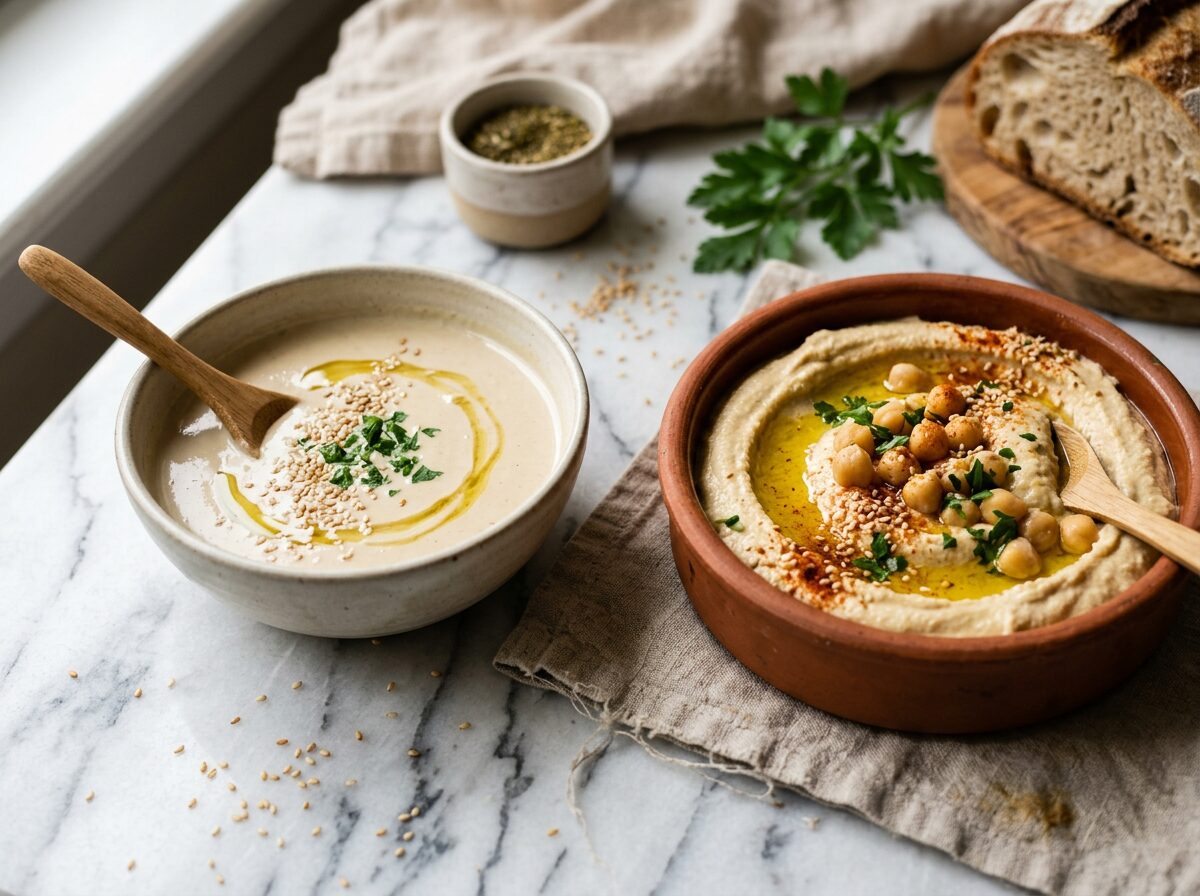
Tahini sauce is an emulsified blend of tahini (toasted sesame seed paste), fresh lemon juice, water, garlic, and salt. It’s creamy yet pourable, tangy, and deeply nutty. Standard proportions for a classic tahini sauce are:
- 1/2 cup tahini paste (120g)
- 2–3 tablespoons freshly squeezed lemon juice (30–45ml)
- 1 clove garlic, minced
- 1/4–1/2 teaspoon kosher salt
- 1/4–1/3 cup cold water (60–80ml), added gradually for desired consistency
Originating in the Levant, tahini sauce is a staple for drizzling over falafel, roasted vegetables, and grilled meats. The sauce is highly customizable, as seen in variants like Authentic Lebanese Tarator Sauce (Tahini Garlic Sauce) and Creamy Roasted Garlic Lemon Tahini Dressing.
What Is Hummus?
Hummus is a hearty, spreadable dip made primarily of cooked chickpeas, blended with tahini, lemon juice, garlic, salt, and olive oil. Its classic ratio is:
- 1 1/2 cups cooked chickpeas (250g), cooled to room temperature
- 1/3 cup tahini paste (80g)
- 2–3 tablespoons lemon juice (30–45ml)
- 1–2 cloves garlic
- 1/2 teaspoon salt
- 2–4 tablespoons cold water or reserved chickpea cooking liquid
- 2 tablespoons extra virgin olive oil (for blending and serving)
Its origins are debated across the Levant, Egypt, and the broader Middle East. Hummus is always served cold or at room temperature and can be found in endless variations, such as Thermomix Roasted Red Pepper Hummus.
Key Differences: Ingredients, Texture, and Flavor
To select the right sauce, focus on three aspects: base ingredients, final texture, and primary flavor notes.
Ingredient Spotlight
- Tahini sauce is 100% sesame paste-based; other liquids merely adjust texture and taste.
- Hummus uses chickpeas as the main ingredient, with tahini as a major supporting flavor.
This means tahini sauce is naturally nutty, while hummus has an earthy, legume-forward body and a creamy, dense mouthfeel.
Texture and Consistency
- Tahini sauce: Silky, pourable, and fluid. The water and lemon juice emulsify tahini for a drizzle-ready sauce. Whisking by hand for 2–3 minutes ensures a stable emulsion and prevents separation (see Why Sauces Break (And How to Prevent It Every Time)).
- Hummus: Thick, spreadable, and spoonable. The chickpeas provide structure and body. For ultra-smooth hummus, process for 3–5 minutes, scraping down the sides, until the mixture is velvety and no graininess remains.
Flavor Profile
- Tahini sauce: Nutty, slightly bitter, tangy from lemon, with a raw garlic kick.
- Hummus: Earthy, rich, subtly nutty, with balanced acidity and a creamy palate.
Salt and acid are critical to both sauces—underseasoning leads to flat, dull results (see The Role of Fat, Acid, and Salt in Sauces).
How to Make Each: Actionable Methods and Pro Tips
Mastering both sauces at home is about process, temperature, and ingredient order.
Tahini Sauce: Method & Troubleshooting
- Place 1/2 cup tahini, 2 tablespoons lemon juice, 1 minced garlic clove, and 1/4 teaspoon salt in a mixing bowl.
- Whisk vigorously for 1 minute. The mixture will seize and thicken—this is normal.
- Gradually whisk in 1/4–1/3 cup ice-cold water. Add water slowly to prevent splitting. If the sauce thickens too much, simply add more water, 1 tablespoon at a time, until pourable.
- Taste and adjust salt and lemon juice as needed.
Troubleshooting: If your tahini sauce turns bitter, your tahini may be over-toasted or old. Always use fresh, high-quality tahini for best flavor. If the sauce splits (oil separates), whisk rapidly or use a small immersion blender to re-emulsify. For garlic flavor without raw harshness, soak minced garlic in lemon juice for 10 minutes before blending.
For a garlicky variation, try making Tarator Sauce or experiment with roasted garlic as in Creamy Roasted Garlic Lemon Tahini Dressing.
Hummus: Method & Pro Texture Tips
- Use freshly cooked chickpeas (simmered for 60–90 minutes until tender, or canned chickpeas rinsed and simmered for 10 minutes in water to soften skins).
- For ultra-creamy hummus, peel chickpeas: after cooking, rub them gently in a clean kitchen towel to remove skins. This step, while tedious, makes a dramatic difference in smoothness.
- Blend 1 1/2 cups chickpeas, 1/3 cup tahini, 2 tablespoons lemon juice, 1–2 garlic cloves, and 1/2 teaspoon salt in a food processor. With machine running, drizzle in 2–4 tablespoons cold water or reserved chickpea cooking liquid until desired consistency (about 3–5 minutes blending time for silkiness).
- Spoon into a bowl, drizzle with olive oil, and sprinkle with paprika or parsley.
Pro tip: To avoid a gritty or pasty hummus, always blend while ingredients are still slightly warm and add enough liquid. If it tastes flat, add more lemon or salt a pinch at a time. For troubleshooting watery dips, see Why Your Tzatziki Sauce Turns Watery: Common Mistakes and Easy Fixes.
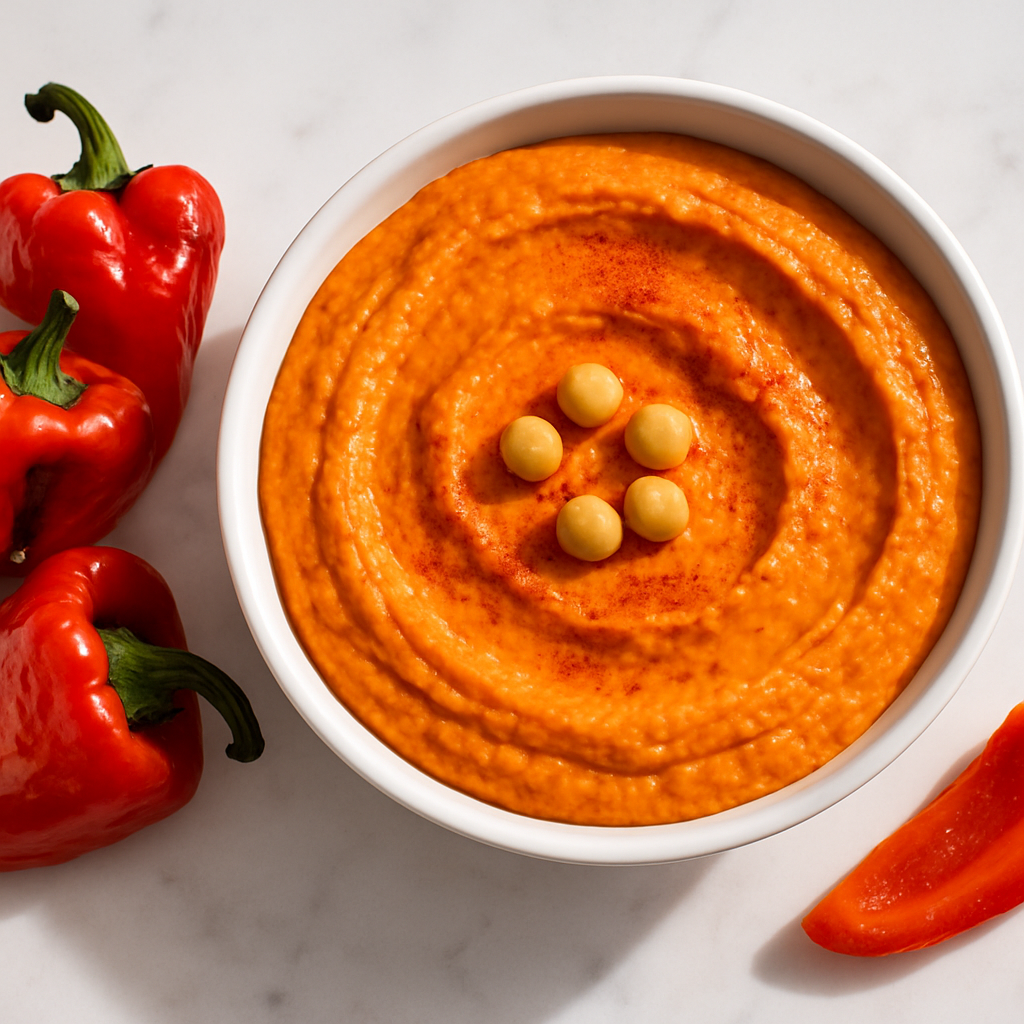
For creative flavor spins, try Roasted Red Pepper Hummus or integrate roasted beets as in Thermomix Creamy Roasted Beetroot Dip.
When to Use Tahini Sauce vs. Hummus: Practical Pairings
Choosing the right sauce depends on your dish, desired texture, and the role you want the sauce to play in the meal.
Best Uses for Tahini Sauce
- Drizzling: Over grilled chicken, lamb kebabs, or roasted cauliflower. Its pourable texture shines on warm foods—try it instead of gravies or cream sauces at 120–140°F (49–60°C).
- Salad Dressings: Whisk with extra water, lemon, or herbs for a lighter, tangy finish—see Creamy Roasted Garlic Lemon Tahini Dressing for inspiration.
- Pita Wraps: Essential in falafel wraps or shawarma, where it melds with fresh vegetables and pickles.
- Vegetable Platters: Use as a dip for blanched or roasted vegetables at room temperature.
Tip: Because tahini sauce is thin, it won’t overwhelm delicate flavors—perfect for dishes where you want a subtle, savory accent. For pairing tips with vegetables, visit Sauce Pairings for Vegetarians: How to Match Flavors With Plant-Based Dishes.
Best Uses for Hummus
- Dip: Serve with warm pita, crudités, or as part of a mezze platter. It holds up to sturdy dippers and is ideal for scooping.
- Sandwich Spread: Thick enough to replace mayonnaise or cheese on wraps and sandwiches.
- Layered Bowls: As a base in grain bowls or salad bowls, topped with grilled meats, roasted vegetables, or chickpeas.
- Baked Dishes: Spread in a baking dish, top with spiced ground meat or vegetables, and bake at 350°F (175°C) for 10–15 minutes to warm through.
Tip: Hummus’s density makes it better as a base or filling, rather than a drizzle. For creative ideas, check out Thermomix Roasted Red Pepper Hummus and Thermomix Creamy Roasted Beetroot Dip.
How to Choose: Decision Guide for Home Cooks
Select your sauce based on desired function, flavor balance, and the dish’s temperature or texture needs.
- Want a pourable, tangy, savory accent? Choose tahini sauce. Its fluidity and sharpness elevate grilled, roasted, or fried foods and salads.
- Need a creamy, satisfying dip or spread? Go with hummus. Its body and richness fill out wraps, sandwich layers, and mezze platters.
For dishes with strong spices (like harissa or shawarma), tahini sauce’s acidity offers balance. For heartier, filling vegetarian meals, hummus adds protein, fiber, and creaminess.
For advanced pairing strategies, see How to Pair Sauces With Roasted Meats: Matching Flavors for Any Cut and How to Pair Sauces With Roasted Potatoes: Flavor Combos That Work.
Storage and Shelf Life: Safety and Freshness
Both sauces are best made fresh but can be stored for short periods with proper technique.
- Tahini sauce: Store in an airtight container in the fridge for up to 5 days. Whisk before serving if separation occurs. Discard if you see mold or smell rancidity (for spoilage tips, read How to Tell If Your Sauce Has Gone Bad: Spoilage Signs and Safety Tips).
- Hummus: Keeps in a tightly sealed container in the fridge for up to 7 days. Always use clean utensils to prevent contamination.
For both, freezing is possible but may affect texture. Thaw overnight in the fridge and re-blend with a splash of water or lemon to restore creaminess.
Creative Flavor Variations and Related Sauces
Both tahini sauce and hummus are infinitely adaptable. Add herbs, spices, or roasted vegetables for new profiles.
- For a spicy twist, try adding harissa paste to tahini sauce—see How to Make Harissa Sauce: North Africa’s Spicy, Versatile Condiment.
- Roasted red peppers, beets, or sun-dried tomatoes can be blended into hummus for color and depth (see Thermomix Creamy Roasted Beetroot Dip and Creamy Sun-Dried Tomato Basil Dip).
- For garlic lovers, consider the whipped garlic sauce Authentic Lebanese Toum or read How to Make Toum: Lebanon’s Creamy Garlic Sauce for Grilled Meats for in-depth technique.
Expert Tips for Success Every Time
- Temperature: For smoothest texture, process hummus ingredients while chickpeas are still slightly warm (90–110°F or 32–43°C). Cold tahini sauce sometimes seizes—add cold water slowly.
- Salt and Acid: Always taste both sauces before serving and adjust salt and lemon to brighten flavors. Underseasoned sauces taste flat, while overseasoning is hard to fix.
- Batch Size: For best texture, don’t exceed 2 cups total for hummus in a standard food processor; larger batches may become uneven.
- Presentation: Serve tahini sauce in a small pitcher for drizzling; serve hummus in a shallow bowl with a well of olive oil and garnishes (paprika, parsley, za’atar).
If you notice metallic or odd off-flavors, your tahini or chickpeas may be old or your sauce may have reacted with metal utensils (read Why Your Sauce Tastes Metallic: Causes and Easy Fixes for Home Cooks).
Related Sauces to Expand Your Flavor Repertoire
- Authentic Argentine Chimichurri Sauce Recipe for a fresh, herby sauce ideal for grilled meats.
- Creamy Feta Dill Dip as a savory, tangy alternative for vegetable platters.
- Authentic Turkish Ezme Sauce Recipe (Spicy Tomato & Pepper Dip) for bold, Mediterranean flavors.
- Creamy Sun-Dried Tomato Basil Dip to pair with breads and roasted vegetables.
Conclusion: Know When to Use Each Sauce
Understanding the differences between tahini sauce and hummus—ingredients, texture, and best uses—lets you confidently choose the perfect sauce for every dish. Use tahini sauce for drizzling, brightness, and nutty tang; reach for hummus when you want a creamy, earthy dip or spread. Both are essential for plant-based and omnivorous meals alike, and mastering these basics opens up a world of Middle Eastern and Mediterranean flavor possibilities.
For more sauce troubleshooting, flavor-building, and pairing advice, explore our full collection of sauce guides and experiment with new recipes to expand your kitchen’s repertoire.
TAGS
Try These Recipes
Related Articles
10-Minute Marinades: Quick Sauces to Instantly Upgrade Any Protein
Discover fast, flavor-packed marinades you can whip up in 10 minutes to transform chicken, beef, fish, or tofu. Easy recipes, bold results!
Best Sauces for Grilled Vegetables: 10 Pairings That Add Bold Flavor
Discover 10 delicious sauces that perfectly complement grilled vegetables. Elevate your summer grilling with these easy, flavor-packed pairings and recipes.
How to Thicken Sauces Naturally (7 Methods)
Discover 7 natural ways to thicken sauces without cornstarch! From reduction to roux, learn the best methods for every sauce type. No more watery sauces!
How to Reduce Sauces for Maximum Flavor: Techniques and Timing
Master reduction for deeply flavorful sauces. Learn techniques, timing, and tips to thicken and intensify your sauces like a pro at home.