How to Make Harissa Sauce: North Africa’s Spicy, Versatile Condiment
Learn how to make authentic harissa sauce at home. Explore ingredients, step-by-step prep, and tips for using this bold North African chili condiment.
Written by FoodieManiac
With over 8 years of sauce-making experience, I've tested hundreds of techniques and products to bring you practical, reliable advice. Learn more about me →
What Is Harissa? Origins and Flavor Profile
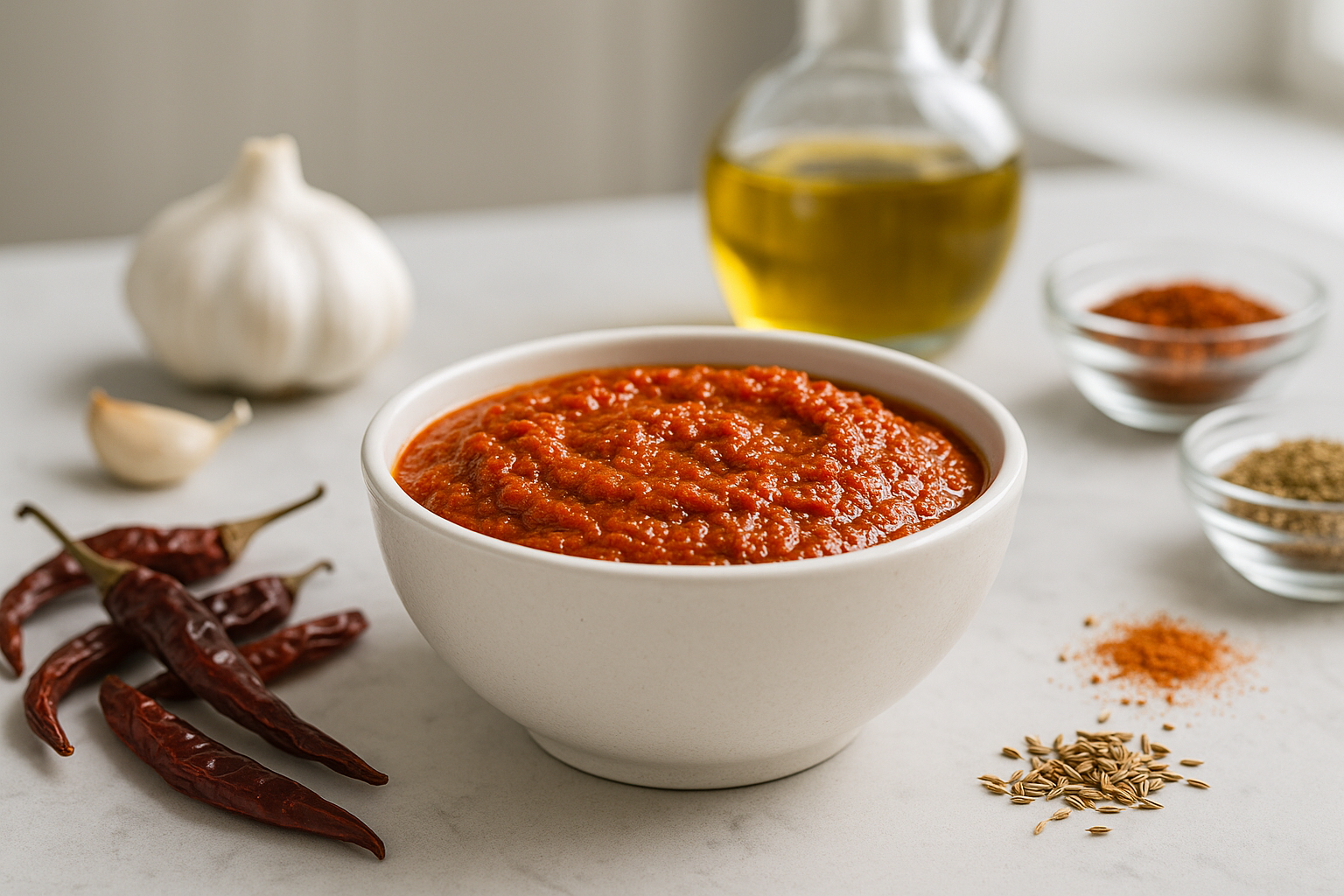
Harissa is a fiery, aromatic chili paste originating from North Africa, particularly Tunisia. It’s a staple across the Maghreb, lending its bold, smoky, and complex flavors to everything from stews and couscous to grilled meats and vegetables. The classic harissa recipe blends dried red chilies with garlic, caraway, coriander, cumin, and high-quality olive oil. Some variations incorporate tomatoes, rose petals, or citrus zest for nuanced flavor.
The result is a sauce that balances heat, earthiness, and tang. Authentic harissa is robust, but never one-note: the interplay of spices and chilies creates depth, making it one of the most versatile condiments for adventurous cooks.
Essential Ingredients for Authentic Harissa
- Dried Red Chilies: Guajillo, New Mexico, or Baklouti chilies are traditional. Aim for a total of 40-50g (about 10-12 medium dried chilies).
- Fresh Garlic: 4-6 cloves, peeled.
- Whole Spices: 2 tsp caraway seeds, 1.5 tsp coriander seeds, 1.5 tsp cumin seeds.
- Olive Oil: 4-6 tbsp, for texture and preservation.
- Salt: 1 to 1.5 tsp fine sea salt, adjusted to taste.
- Optional: 2 tbsp tomato paste or 1 preserved lemon quarter for complexity; 1 tsp smoked paprika for extra smokiness.
For a sauce with greater depth, toast your spices and use top-quality olive oil. Always taste and adjust for salt and acidity—a hallmark of expert sauce making.
Step-by-Step: How to Make Harissa Sauce
1. Selecting and Prepping Dried Chilies
Start by removing stems and shaking out most seeds from your dried chilies. Seeds can make harissa bitter and distract from the sauce’s silkiness. Place chilies in a heatproof bowl and cover with boiling water (about 500ml). Let soak for 30 minutes until fully softened.
Tip: For a less spicy harissa, use half mild and half hot chilies, or soak chilies longer and discard all seeds.
2. Toasting and Grinding Spices
Heat a small, dry skillet over medium-low (160°C/320°F). Add caraway, coriander, and cumin seeds. Toast for 2-3 minutes, shaking pan constantly, until fragrant and a shade darker. Immediately transfer to a plate to prevent burning, then grind to a fine powder using a mortar & pestle or spice grinder.
Toasting intensifies aroma and flavor—never skip this step for authentic results.
3. Blending the Base
Drain chilies, reserving a few tablespoons of soaking liquid. Add chilies, ground spices, garlic cloves, and salt to a food processor. Pulse until a coarse paste forms, scraping sides as needed. Add 4 tbsp olive oil and blend again. If the mixture is too thick, add 1-2 tbsp soaking liquid for a smoother consistency.
For a silky, spreadable harissa, blend 2-3 minutes. For a chunkier, rustic paste, pulse just until combined.
4. Integrating Optional Flavors
Blend in tomato paste, preserved lemon, or smoked paprika if desired. Each adds a subtle layer: tomato for sweetness and body, preserved lemon for citrus brightness, paprika for extra smokiness.
At this stage, taste and adjust salt. Harissa should be boldly seasoned—salt enhances both heat and complexity.
5. Finishing and Storing Harissa
Spoon harissa into a sterilized glass jar, leaving a 1cm gap at the top. Pour a thin layer of olive oil over the surface to seal and preserve freshness. Harissa keeps refrigerated for up to 3 weeks. Always use a clean spoon, and top with more oil after each use to prevent mold and oxidation.
For extended storage, harissa can be frozen in small airtight portions for up to 6 months. For more on safe sauce storage, see How to Freeze Sauces the Right Way: Storage Tips for Maximum Freshness.
Tips for Customizing Heat, Texture, and Flavor
- Heat Level: For fiery harissa, use all hot chilies like cayenne or bird’s eye. For milder, blend with sweet peppers or reduce chili quantity.
- Texture: Want a dipping sauce? Add extra olive oil and a splash of lemon juice. For a thick paste, use less oil and skip the soaking liquid.
- Acidity: Add 1-2 tbsp fresh lemon juice or a splash of red wine vinegar for brightness. This balances the richness and heat.
- Smoky Depth: Incorporate 1 tsp smoked paprika or use fire-roasted chilies for a barbecue-like note.
- Herbal Notes: Fold in 2 tbsp chopped fresh cilantro or mint for a unique twist.
Experimentation is encouraged—harissa is as much a personal expression as a classic recipe. If your sauce tastes overly acidic or unbalanced, see Why Your Sauce Tastes Too Acidic - Simple Fixes for Balanced Flavor for adjustment tips.
How to Use Harissa: Versatile Serving Ideas
Harissa’s intense flavor and heat make it a kitchen workhorse. Use it to:
- Marinate meats and seafood: Mix with yogurt and lemon for a spicy marinade. Try it on chicken thighs, lamb, or shrimp before grilling, roasting, or pan-searing.
- Spice up roasted vegetables: Toss cauliflower, carrots, or potatoes with harissa and olive oil before roasting at 220°C/430°F for 25-30 minutes. For more pairing inspiration, see Best Sauces for Grilled Vegetables: 12 Pairings to Enhance Flavor.
- Add depth to soups and stews: Stir 1-2 tbsp into lentil soup, chickpea stew, or tomato sauce for extra warmth.
- Spread on sandwiches and burgers: Combine harissa with mayo or Greek yogurt for a spicy condiment.
- Serve as a dipping sauce: Swirl into hummus or yogurt for mezze platters. For a North African twist, try pairing with Authentic Moroccan Chermoula Sauce or Authentic Turkish Ezme Sauce.
For more ideas on pairing sauces with meats, check out How to Pair Sauces With Roasted Meats: Matching Flavors for Any Cut.
Common Mistakes and Troubleshooting Harissa
1. Sauce Is Too Bitter
Bitterness usually comes from burnt spices or too many seeds left in the chilies. Always toast spices gently, and remove most seeds before soaking. If bitterness persists, blend in 1-2 tbsp tomato paste or a touch of honey.
2. Harissa Is Too Thick or Dry
If the paste is difficult to spread, gradually add more olive oil or reserved soaking liquid, 1 tbsp at a time, blending until smooth. The ideal harissa is thick but spoonable.
3. Mold or Spoilage
Always cover harissa with olive oil and use clean utensils. For tips on safe storage and spoilage signs, read How to Tell If Your Sauce Has Gone Bad: Spoilage Signs and Safety Tips and How to Prevent Mold in Homemade Sauces: Safe Storage Tips That Work.
Harissa Variations Across North Africa
Regional harissas can differ dramatically:
- Tunisian Harissa: The classic version—fiery, garlicky, and thick. Often includes caraway and coriander.
- Algerian Harissa: Sometimes milder, with added tomatoes and a splash of vinegar.
- Moroccan Harissa: May contain preserved lemon and more cumin; often served with couscous or tagines. For another iconic Moroccan sauce, try Authentic Moroccan Chermoula Sauce.
Each version adapts to available chilies and local tastes. Making harissa at home lets you fine-tune the balance for your palate.
Ingredient Substitutions and Equipment Advice
- No Dried Chilies? Use 3-4 fresh red bell peppers (roasted and peeled) plus 1-2 hot chilies for a milder, sweeter sauce. The texture will be looser, but flavor remains bold.
- No Mortar & Pestle? A spice grinder or high-powered blender works well for grinding spices and blending the paste.
- Olive Oil Quality: Use extra-virgin olive oil for best flavor. Neutral oils (like grapeseed) can be used for a lighter taste, but the sauce will lose some richness.
For cooks interested in other globally inspired sauces, consider Authentic Argentine Chimichurri Sauce Recipe or Thermomix Creamy Sun-Dried Tomato Basil Sauce for more inspiration.
Recipe: Classic North African Harissa
- 40-50g dried red chilies (10-12 medium, stems and most seeds removed)
- 4-6 garlic cloves, peeled
- 2 tsp caraway seeds
- 1.5 tsp coriander seeds
- 1.5 tsp cumin seeds
- 1 to 1.5 tsp fine sea salt
- 4-6 tbsp extra-virgin olive oil, plus more for topping
- Optional: 2 tbsp tomato paste, 1 preserved lemon quarter, 1 tsp smoked paprika
- Soak chilies in boiling water for 30 minutes. Drain, reserve 2 tbsp soaking water.
- Toast spices in a dry pan over medium-low (160°C/320°F) for 2-3 minutes. Cool, grind finely.
- Blend chilies, spices, garlic, salt in a food processor. Add olive oil and reserved water; blend until smooth.
- Add tomato paste, preserved lemon, or paprika if using. Blend again. Taste and adjust salt or acidity.
- Transfer to jar, cover with olive oil. Refrigerate up to 3 weeks.
Pairing Harissa With Other Sauces and Dips
- Layered Mezze: Serve harissa alongside Authentic Lebanese Tarator Sauce (Tahini Garlic Sauce) and Creamy Jalapeño Cilantro Dip (Chuy's Copycat) for a showstopping spread.
- Burger Upgrade: Mix harissa into Copycat Taco Bell Baja Sauce for a spicy burger or sandwich spread.
- Bowl Toppers: Swirl a spoonful of harissa into grain bowls or roasted vegetable platters for color and kick. Try pairing with Creamy Roasted Garlic Parmesan Dip for a hot-cold contrast.
- Grilled Meats: Serve harissa with Homemade Chimichurri Sauce for Grilled Meats for a fiery, herbaceous duo.
Expert Tips: Achieving Next-Level Harissa
- Chili Selection: Blend sweet and hot dried chilies for the classic North African heat profile—experiment to find your perfect balance.
- Spice Toasting: Never rush toasting; low, even heat prevents bitterness and unlocks fragrance.
- Blending: For ultra-smooth harissa, process at least 2-3 minutes in a high-powered blender, scraping down sides as needed.
- Preservation: Topping with olive oil after each use extends shelf life and prevents mold. For more on spoilage prevention, read Why Your Sauce Jar Grows Mold: Common Storage Mistakes and Fixes.
- Batch Scaling: Double or triple the recipe for meal prep—harissa freezes exceptionally well in small silicone molds or ice cube trays.
Conclusion: Mastering Harissa in Your Kitchen
Harissa is more than just heat—it’s the essence of North African cuisine, offering depth, aroma, and versatility. By understanding chili selection, spice toasting, and blending techniques, you can create a harissa sauce that rivals the best. Use it as a marinade, dip, or condiment to elevate everyday meals. For those exploring global sauces, check out our recipes for Spicy Maple Sriracha BBQ Sauce, Homemade Sweet Chipotle BBQ Sauce, and Thermomix Creamy Avocado Cilantro Lime Dressing to expand your sauce repertoire.
For even more global spicy condiments, see How to Make Zhoug Sauce: Yemen’s Spicy, Herbaceous Green Condiment. With these skills, you’ll unlock a world of bold flavors in every homemade dish.
TAGS
Try These Recipes
Related Articles
How to Make Harissa Sauce: North Africa’s Fiery, Versatile Condiment
Learn how to make authentic harissa sauce at home, tips for balancing heat, and ways to use this spicy North African staple in everyday cooking.
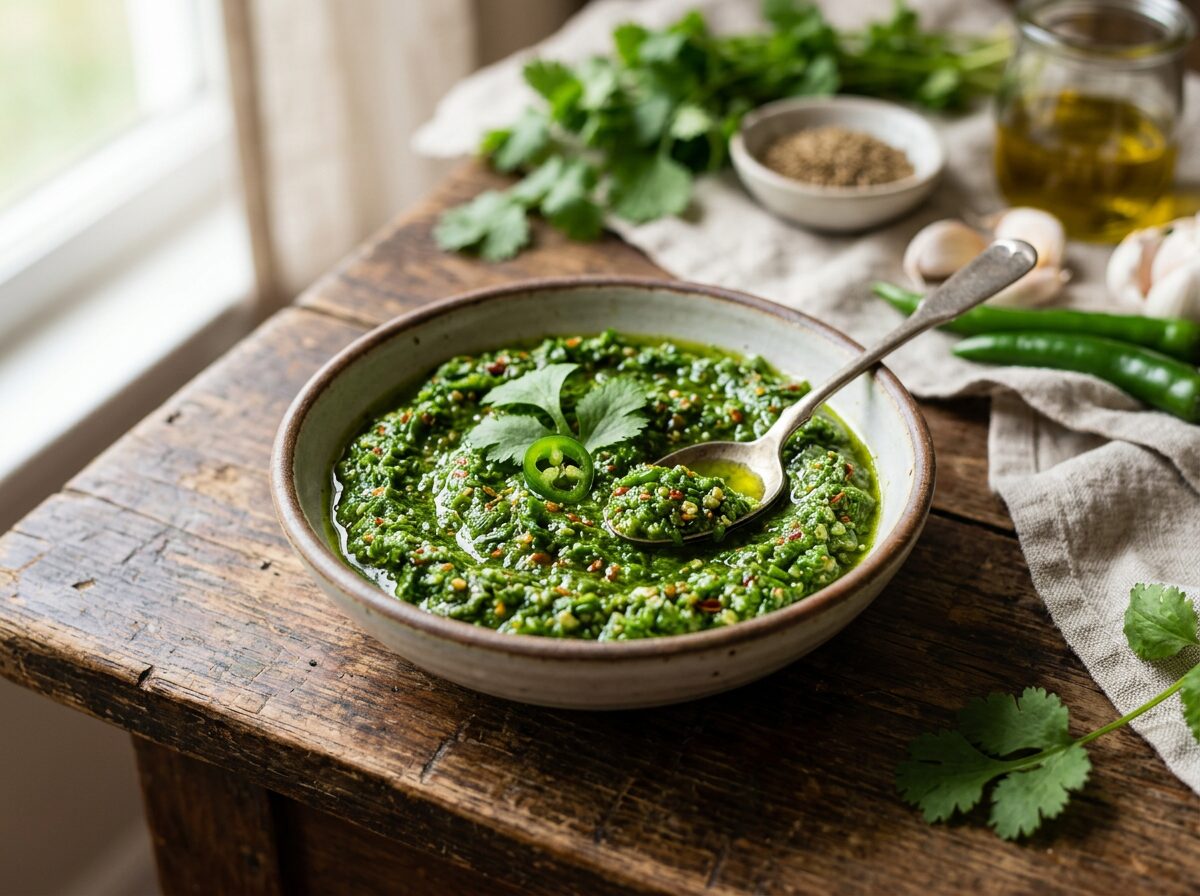
How to Make Zhoug Sauce: Yemen’s Spicy, Herbaceous Green Condiment
Discover how to make authentic Zhoug sauce at home. This Yemeni green condiment adds bold, spicy flavor to meats, veggies, grains, and more.
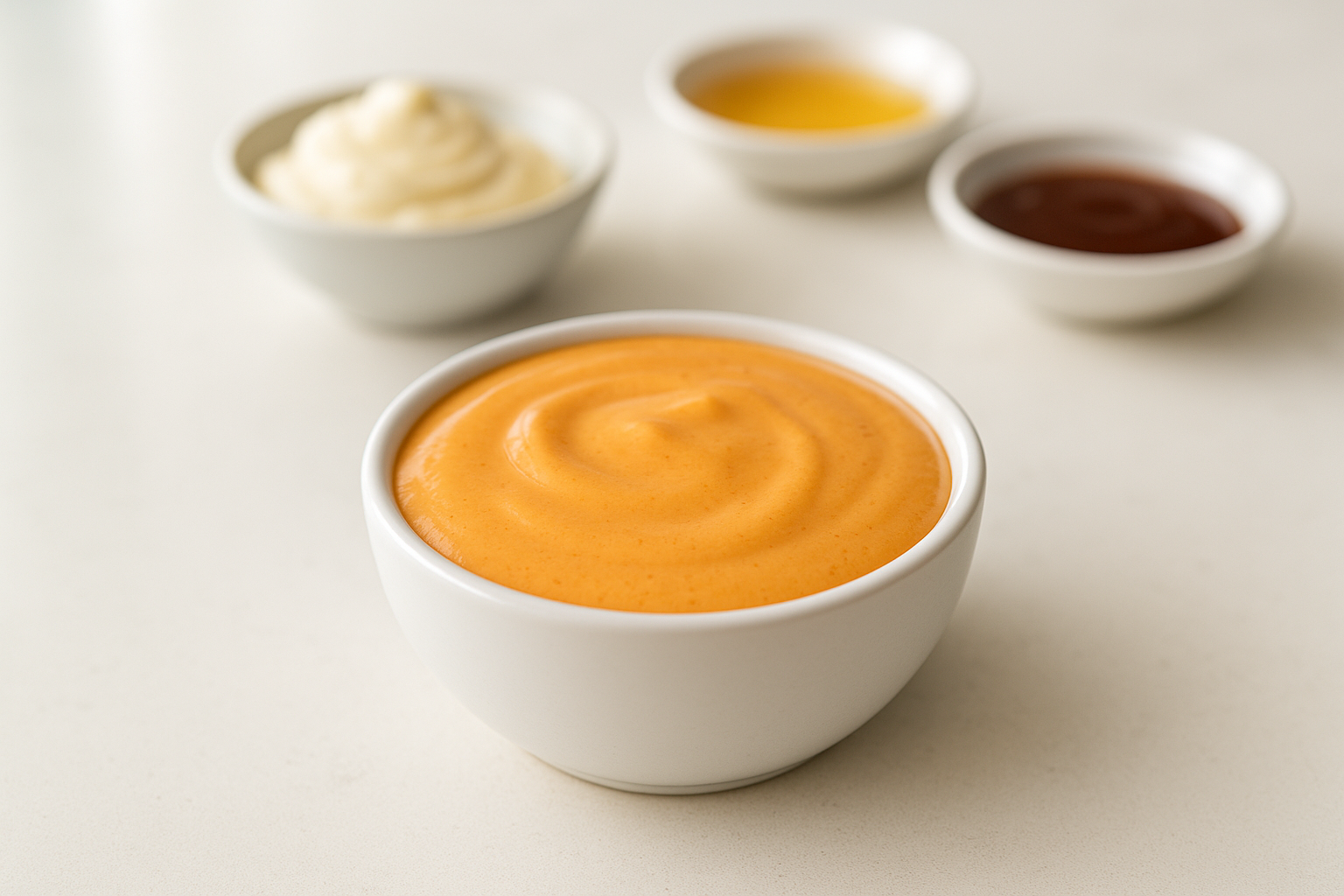
How to Make Copycat Chick-fil-A Sauce at Home (Step-by-Step Recipe)
Recreate the iconic Chick-fil-A Sauce at home! This easy copycat recipe delivers that sweet, smoky, tangy flavor with common pantry ingredients.
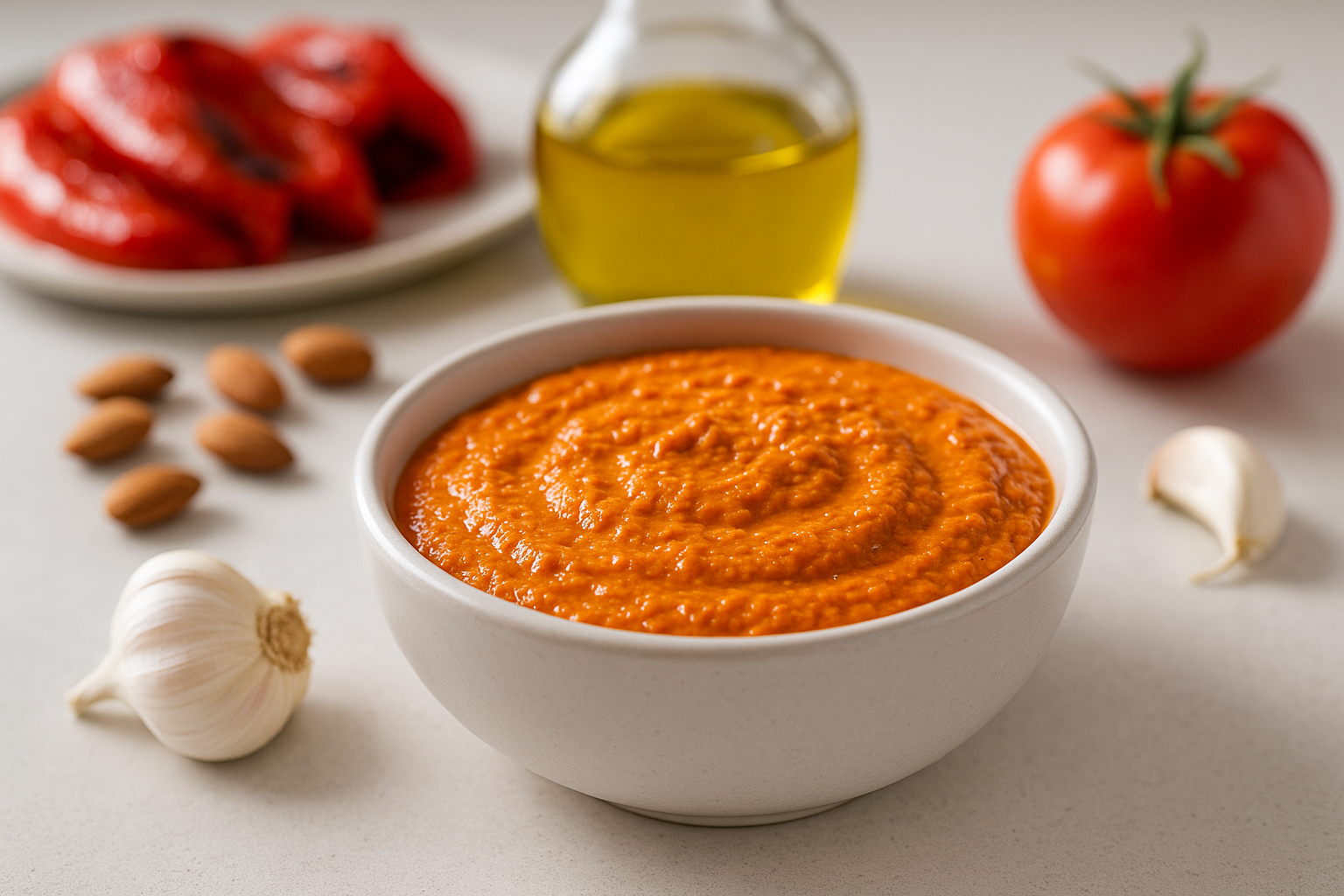
How to Make Romesco Sauce: Spain's Bold, Nutty Condiment Explained
Learn to make authentic Spanish romesco sauce at home. Step-by-step recipe, tips, and pairing ideas for this smoky, nutty, and versatile condiment.