How to Tell If Your Sauce Has Gone Bad: Spoilage Signs and Safety Tips
Not sure if your sauce is still safe to eat? Learn the top spoilage signs, storage mistakes to avoid, and how to keep homemade sauces fresh longer.
Written by FoodieManiac
With over 8 years of sauce-making experience, I've tested hundreds of techniques and products to bring you practical, reliable advice. Learn more about me →
Why Sauce Spoilage Matters More Than You Think
I get it: you make a killer batch of Homemade Sweet Chipotle BBQ Sauce or that weirdly addictive Thermomix Creamy Sriracha Ranch Dressing, and you want it to last. But sauce doesn’t live forever, no matter how good it tastes on day one. I’ve learned this the gross way - a sniff here, a “maybe it’s fine” taste there, and once, a small science experiment that tried to crawl out of the fridge. So, how do you actually know when your sauce has gone bad? Let’s break it down like you’re standing in my kitchen, sauce-stained spoon in hand.
The Main Culprits: What Makes Sauce Spoil?
Every sauce is a little different, but the main villains are always lurking: bacteria, mold, and sometimes yeast. The big three things that matter:
- Ingredients: Dairy, eggs, and fresh herbs go bad fast. Vinegar, sugar, and salt slow things down, but they’re not magic shields.
- Storage: If you leave your Creamy Sun-Dried Tomato Basil Dip out on the counter for an hour or two, it’s not the end of the world. Overnight? Now it’s sketchy.
- How clean you are: Double-dipping, dirty spoons, or sticking your finger in to “just taste” can introduce stuff you don’t want growing in there. I’ve ruined more sauces this way than I’d like to admit.
I used to think sauces were immortal because of vinegar or sugar. Turns out, that only buys you time - not invincibility.
Obvious Signs Your Sauce Has Gone Bad
Sometimes, the sauce just screams “toss me.” Other times, you have to trust your senses. Here’s what I look for, with some real-life gross-outs:
1. The Smell Test (But Carefully!)
If you open the container and get hit with a sour, rotten, or just “off” smell, that’s your cue. Trust your nose. I once ignored a weirdly sharp aroma in a Creamy Jalapeño Cilantro Dip and paid for it with a stomachache. If it smells like anything other than when you first made it, time to say goodbye.
2. Visible Mold or Fuzz
This is non-negotiable. White, green, or black spots? Toss the whole thing. Scraping off the top doesn’t work - mold roots go deeper than you think. I’ve tried the “just scoop it” trick. Don’t. It’s not worth the risk.
3. Separation and Texture Changes
Some sauces naturally separate - vinaigrettes, for example (here’s why that happens, and how to fix it). But if your sauce is chunky when it started smooth, slimy when it should be creamy, or has a weird film on top, that’s a bad sign. Creamy sauces like Thermomix Creamy Roasted Garlic Caesar Dressing go lumpy or curdled when spoiled. If stirring doesn’t bring it back, be suspicious.
4. Color Changes
Some darkening is okay for tomato-based sauces, but green sauces turning brown or creamy sauces turning gray are red flags. If your Authentic Turkish Ezme Sauce loses its bright pop and looks dull or grayish, it’s probably past its prime.
5. Gas or Bubbling
If you open a sauce and it hisses, bubbles, or the lid pops off with a little “psst,” that’s fermentation. Unless you’re making hot sauce on purpose, this is bad news. I once had a BBQ sauce ferment itself after a week on the back shelf. Not fun.
How Long Do Homemade Sauces Actually Last?
This is the number one question I get, and I wish there was a magic chart. Realistically:
- Creamy, dairy, or mayo-based sauces (ranch, blue cheese, Caesar): 3-5 days in the fridge. Sometimes up to a week, but only if you’re religious about clean spoons and cold temps. Check out how to store creamy sauces the right way.
- Vinaigrettes: 1-2 weeks if there’s no fresh garlic or herbs. Add those, and it’s back to 3-5 days.
- Salsas and herb sauces (chimichurri, salsa verde): 2-4 days. Even with vinegar, those fresh greens turn on you fast. My Homemade Chimichurri Sauce is best the first three days. After that, it’s toast.
- Cooked BBQ sauces: 1-2 weeks if you keep it sealed. If it’s a sweet one like Homemade Spicy Pineapple BBQ Sauce, sugar helps, but still sniff before using after a week.
- Nut/seed-based sauces (tahini, dukkah oil): About a week. If it tastes bitter or metallic, the oils are turning.
Store-bought sauces last longer because of preservatives. Homemade stuff? Be cautious, especially if you’re using eggs or dairy.
Tested Tips
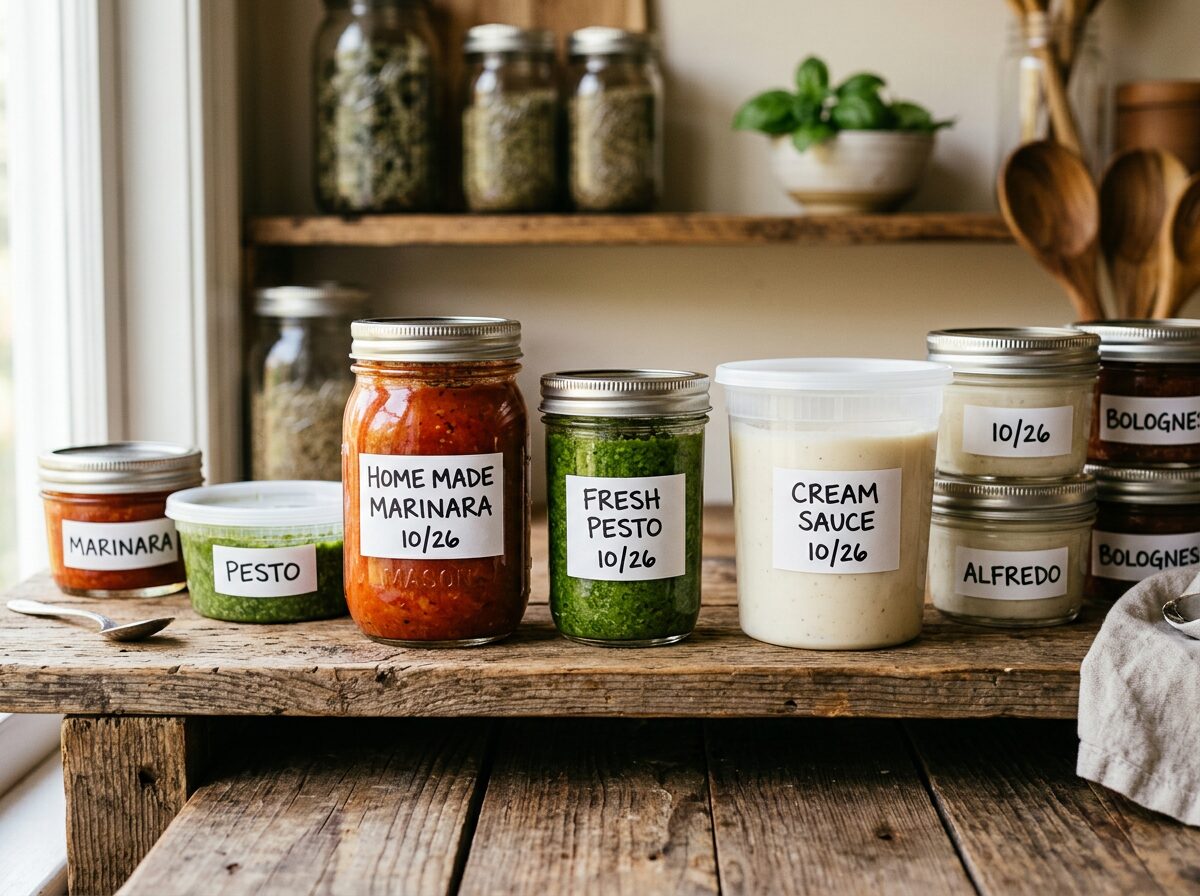
- Label everything: I literally use painter’s tape and a Sharpie. Write the date you made it and what’s in it. Future you will thank past you, especially when you find a mystery jar at the back of the fridge and can’t remember if it’s last week’s Parmesan Peppercorn Dressing or something from a month ago.
- Never dip twice: I used to taste and re-taste with the same spoon. Bad move. Saliva introduces bacteria. Now I use tasting spoons or pour a little into a separate dish. My sauces last way longer.
- Cool before covering: If you put hot sauce straight into the fridge with the lid on, condensation builds up and waters it down - sometimes even encourages mold. Let the sauce cool to room temp (but not for hours - 30 minutes is fine). I once got a weird sour taste in my Roasted Tomato Basil Sauce because I rushed this.
- Small batch is smart: I know it’s tempting to make a giant jar, but unless you’re feeding a crowd, go smaller. Less waste, more fresh flavor. Plus, you get to try new recipes (like this tahini dressing) more often.
- Don’t trust just the sniff test: Some spoiled sauces don’t smell that bad at first. If you’re unsure and it’s been over a week, toss it. I got food poisoning from a week-old sweet and sour sauce that looked fine but wasn’t.
- If in doubt, throw it out: It sounds wasteful, but a couple bucks in ingredients is nothing compared to a night of stomach cramps. I hate wasting food, but I hate foodborne illness more.
How to Store Sauces for Maximum Freshness
Here’s what actually works (and what doesn’t):
- Glass jars with tight lids: Best for most sauces. Plastic is fine, but can stain and hold smells (my old Tupperware still smells like maple BBQ sauce). Avoid metal if your sauce is acidic. I learned this when my salsa verde came out tasting like tin.
- Keep it cold: Store sauces in the back, not the fridge door. Door temps swing every time you open it. I used to keep everything in the door for easy access; now I stash it near the back wall.
- Freeze what you won’t use soon: Most sauces freeze well - except creamy, mayo, or egg-based ones (they separate and get weird). Tomato, BBQ, and herb sauces are freezer champs. I always portion into small containers so I don’t have to thaw a quart for a single meal. Check out this full guide to storing sauces.
Shortcuts that work: Store-bought stock is totally fine in most cooked sauces, and can stretch your homemade batch with no real loss in flavor. Expensive EVOO? Save it for finishing, not for the base of a sauce you’re going to keep in the fridge for a week.
What Happens If You Eat Bad Sauce?
I really hope you never have to find out. At best, you get an upset stomach. At worst, you’re dealing with food poisoning: nausea, vomiting, cramps, sometimes even a trip to the ER if it’s something like botulism (rare, but possible with garlic-in-oil or homemade mayonnaise left out too long). If you taste a sauce and it’s fizzy or weird, stop. Don’t try to “fix” it by cooking it again. Just toss it.
Garlic-in-oil is especially risky. Homemade flavored oils and creamy dressings like Roasted Garlic Caesar should always stay in the fridge and be used within a few days. I’ve read enough horror stories to be super cautious with these.
Can You Salvage a Sauce That’s Borderline?
Short answer: not really. You can fix texture (see this guide on rescuing sauces), but you can’t “un-spoil” a sauce. If it’s just a little separated, try whisking or blending. If it smells weird, toss it. If it’s too thick, thin it with water, stock, or vinegar - but only if it’s still fresh.
That said, if you want to learn about why sauces break and how to prevent it (totally different from spoilage!), check out this article. Saved me so much frustration.
FAQ: Sauce Spoilage and Safety
- Can I just re-boil a spoiled sauce? No. Heating won’t remove toxins already produced by bacteria or mold. If it smells or tastes off, don’t risk it.
- What about fermented sauces? If you’re intentionally fermenting (like hot sauce), bubbling is normal. If not, bubbles = bad.
- Can I freeze creamy sauces? Sometimes - but expect them to separate. I’ve had okay luck with cheese sauces, but mayo and ranch get weird. See why cheese sauces get grainy for more info.
- Are store-bought sauces safer? Generally, yes, because of preservatives. But even those can go bad after opening. Always check the label for “use within X days” instructions.
Final Thoughts: Trust Your Instincts, Not Just the Calendar
The more you cook, the more you’ll recognize when something’s off. If your sauce looks, smells, or tastes weird - especially after a week in the fridge - there’s no shame in tossing it. I’ve learned (sometimes the hard way) that it’s better to make a quick batch of Authentic Lebanese Tarator Sauce or Copycat Wingstop Ranch Dressing than risk food poisoning. Making sauces is about adding joy to your food, not stress. And if you ever wonder why your sauce didn’t last, check out this deep dive on spoilage and prevention.
Happy cooking - and even happier, safer saucing.
TAGS
Related Articles
Freezing Sauces 101: Best Sauces to Freeze and How to Thaw Them Safely
Discover which sauces freeze well, step-by-step freezing methods, and how to safely thaw for best flavor and texture. Preserve your homemade sauces longer.
Freezing Sauces 101: Best Methods to Preserve Flavor, Texture, and Quality
Learn how to freeze sauces the right way. Discover tips on storage, thawing, and which sauces freeze best to keep flavors fresh and textures perfect.
How to Freeze Sauces for Maximum Freshness: Methods, Tips, and Mistakes to Avoid
Learn the best techniques to freeze sauces, dressings, and dips. Discover which sauces freeze well, storage tips, and how to thaw for best results.
How to Deglaze for Pan Sauces: Step-by-Step Guide to Rich, Flavorful Results
Master deglazing for pan sauces with this step-by-step guide. Learn the best liquids, timing, and techniques for restaurant-quality sauces at home.