Why Your Sauce Tastes Metallic: Causes and Easy Fixes for Home Cooks
Strange metallic flavor ruining your homemade sauce? Learn the real causes, what ingredients or cookware to avoid, and how to fix metallic-tasting sauces.
Written by FoodieManiac
With over 8 years of sauce-making experience, I've tested hundreds of techniques and products to bring you practical, reliable advice. Learn more about me →
Why Does My Sauce Taste Metallic?
I’ve been at this sauce game for a long time. I’ve scorched béchamel, broken hollandaise, and, yes, made my fair share of weirdly metallic-tasting tomato sauces. If you’ve ever taken a bite of sauce and thought “did someone drop a penny in here?”, you’re not alone. Metallic flavors sneak up on home cooks all the time, and honestly, it’s maddening until you finally track down the cause. So, let’s get into the real reasons your sauce might taste metallic, the fixes that actually work, and a few things you can just stop worrying about.
The Main Culprits: What’s Actually Causing That Metallic Taste?
1. Your Cookware Might Be To Blame
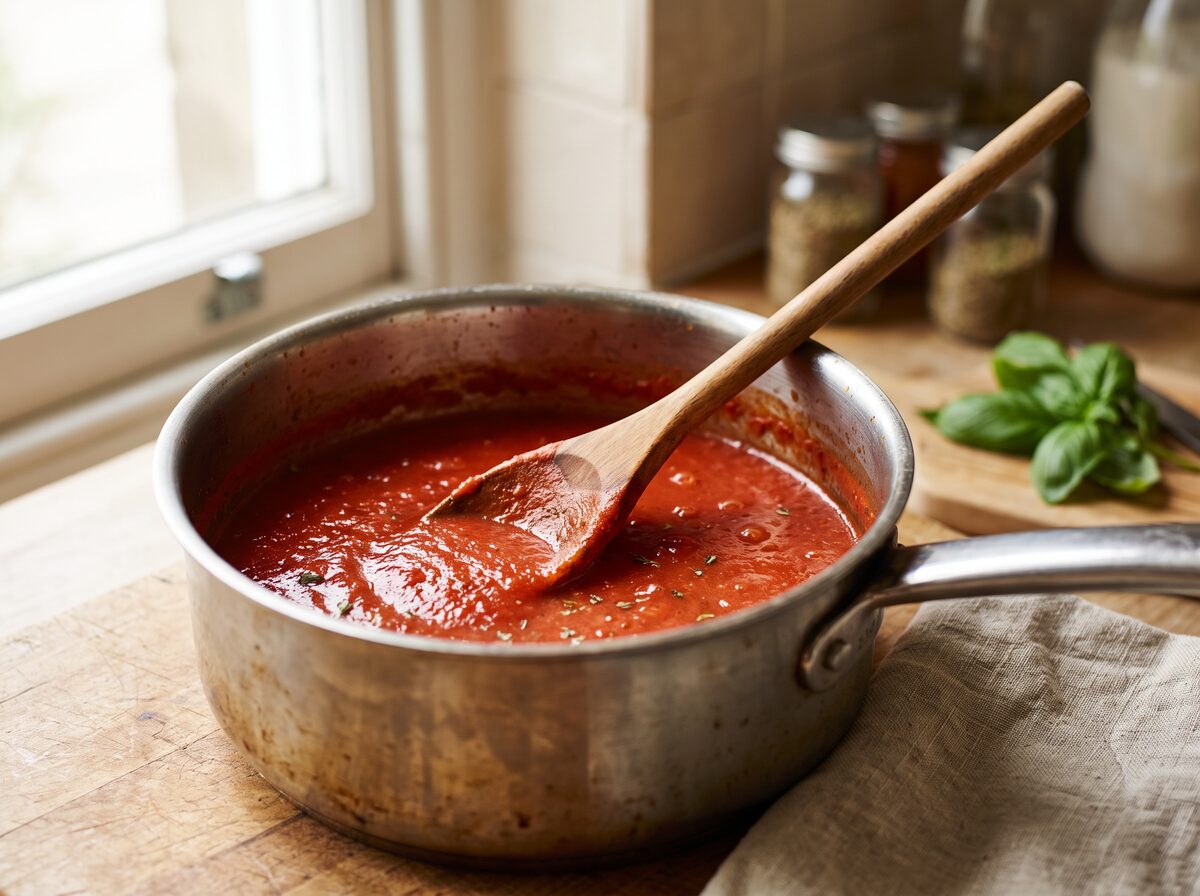
This is the big one nobody wants to admit. I held onto my old aluminum saucepan for way too long, thinking it was “seasoned” or whatever. Turns out, tomato sauce and aluminum are a bad combo. Acidic ingredients pull metal ions into your food, and that’s what your taste buds are picking up. Uncoated aluminum, cheap metal whisks, or even some old cast iron pans can all do this, especially with things like tomato, vinegar, citrus, or wine in the mix.
If you ever make a batch of Thermomix Roasted Tomato Basil Sauce or a punchy Authentic Turkish Ezme Sauce and notice that odd, tinny aftertaste, check what you cooked it in. Stainless steel and enameled cast iron are your friends here. Nonstick is usually fine too, as long as it’s not scratched up (because then the metal underneath is exposed).
2. Overcooked Tomatoes (Or Canned Tomatoes Gone Wrong)
Some tomatoes just taste metallic, especially lower-quality canned ones. I learned this making a quick marinara with a bargain can that honestly tasted like soup from a tin. Tomatoes are naturally high in acid and can concentrate those flavors if you cook them too long or use a can that’s been sitting around forever. The lining on some cheap cans can also break down, especially with high-acid foods.
If you’re making a tomato-based sauce (like for Italian Salsa Verde or my go-to Creamy Sun-Dried Tomato Pasta Sauce), splurge on really good whole San Marzano or fire-roasted tomatoes. It’s worth it here. For quick fixes, a pinch of sugar or baking soda can mellow out harsh notes, but it won’t fix truly metallic cans.
3. Too Much Metal from Your Cooking Tools
I used to whisk everything with a cheap metal balloon whisk, not realizing that acidic sauces can leach metal flavors if you’re really going at it. Tongs, ladles, even immersion blenders with exposed blades can do the same. I once pureed a batch of toum with a cheap stick blender and the garlic flavor got totally lost under a metallic tang. Silicone, wood, or plastic tools make a difference, especially for finishing and mixing.
4. Acid Overload or Bad Balancing
Sometimes the sauce isn’t actually metallic, it just tastes harsh and sharp because it’s way too acidic. Tomato, lemon, vinegars, even wine - all can get out of hand if you’re not careful. I’ve ruined a batch of chimichurri by dumping in all the vinegar at once. If the acid isn’t balanced with enough fat, sweetness, or salt, it can trick your mouth into thinking it’s metallic or bitter.
Start with half the acid a recipe calls for, taste, then add more slowly. It’s way easier to add than to take out. For more on balancing, check out The Role of Fat, Acid, and Salt in Sauces - this guide changed the way I cook.
5. The Water (Yes, Seriously)
If your tap water is high in iron or other minerals, it can give sauces a subtle metallic edge, especially delicate ones like vinaigrettes or anything with a lot of reduction. I only figured this out after moving and suddenly all my sauces tasted off. Try filtered or bottled water if you suspect this - it can make a difference, especially in uncooked sauces or when you’re making something like creamy avocado cilantro lime dressing.
Quick Fixes for Metallic Sauce
Okay, so your sauce tastes like you licked a spoon. First, don’t panic. Here’s what actually works, tried and tested in my own kitchen:
- Add fat: A knob of butter, swirl of olive oil, or a splash of cream can round off sharp, metallic edges. I do this with tomato sauces all the time.
- Add sweetness: A small pinch of sugar or drizzle of honey (like, 1/4 teaspoon at a time) can balance harsh acids. Don’t overdo it or you’ll end up with spaghetti sauce that tastes like dessert.
- Add more salt: Sometimes a lack of salt makes metallic notes stand out. Start with 1/4 teaspoon, stir, taste, repeat. You can’t un-salt a sauce, so go slow.
- Baking soda trick: Just a tiny pinch (like 1/8 teaspoon) can neutralize excessive acid. It’ll foam up, so use a big pot. Too much will make it taste flat and weird, so use this only if you’ve tried everything else.
- Mask with herbs or umami: Strong flavors like basil, parsley, or a splash of soy sauce or Worcestershire can distract from minor metallic notes. Not a perfect fix, but it works in a pinch. I use this move in a lot of my BBQ sauces, like Homemade Spicy Maple BBQ Sauce.
When It’s Not Your Fault: Ingredients That Just Taste Metallic
Sometimes it’s not you, it’s the product. Some brands of canned chickpeas, beans, or even jarred roasted red peppers can have a metallic taste right out of the can. If you notice this in something like Roasted Red Pepper Hummus or Romesco, try a different brand next time. Drain and rinse canned stuff well, and taste before you add. If it tastes metallic raw, it’ll probably taste metallic cooked, too.
Tested Tips
- Switch pans mid-cook: If you realize halfway through that you started your sauce in an old aluminum pan, just transfer it to stainless steel or enameled cast iron ASAP. I’ve done this more times than I can count - it really saves the batch. Scrape every last bit out with a silicone spatula.
- Vinegar last: For sauces like chimichurri or salsa criolla, add vinegar at the end and taste as you go. I used to dump it all in at the start and sometimes my sauce would end up tasting like metal salad. If it’s too sharp, a pinch of sugar or a glug of oil can mellow it.
- The filter fix: If you suspect your water, use filtered or bottled water for delicate sauces or anything uncooked. I found this made my Feta Dill Dip taste cleaner and less “off.”
- Whisk with wood or silicone: If you’re making a big batch of something acidic, use a silicone-coated or wooden spoon/whisk. I once whisked a big pot of Polynesian sauce with a metal whisk for 10 minutes and the tang never went away.
- Don’t over-reduce tomato sauces: If you simmer tomato sauce for hours (like I used to, trying to be “authentic”), it can concentrate both acid and metallic flavors. Unless you’re making a true ragù, 20-30 minutes is plenty for most sauces.
- Rinse canned ingredients: For anything that comes from a can or jar, rinse well before using. This is especially true for beans, chickpeas, and roasted peppers. If you don’t, that briney, metallic flavor can take over your finished sauce.
When You Can Cheat (And When You Shouldn’t)
Store-bought stock is totally fine for most sauces. I use it in things like Creamy Parmesan Peppercorn Dressing and Roasted Garlic Caesar Dressing all the time. Just taste it first - some cheaper brands have a weird tinny flavor right out of the box, so find one you like. For tomatoes, though, don’t skimp. The difference between good canned tomatoes and cheap ones is massive, and it’s worth the extra few bucks.
For metal pans, I get it - replacing all your cookware isn’t realistic. Just avoid using old, uncoated aluminum or scratched-up nonstick for acidic sauces. If you have to, at least finish the sauce in something else. And for anyone with a hand-me-down cast iron skillet, skip the tomato sauce unless it’s really, truly well-seasoned and you know what you’re doing (I still mess this up sometimes).
How to Avoid Metallic Flavor Next Time
- Use stainless steel, enameled cast iron, or good nonstick pans for anything acidic.
- Start with less acid, then add more to taste.
- Taste your canned goods before cooking with them.
- Use non-metal utensils for mixing, whisking, and finishing.
- Don’t overcook tomato-based sauces.
And remember, a little metallic edge isn’t the end of the world. Sometimes a splash of cream, a little sugar, or finishing with fresh herbs can rescue a sauce no one but you will notice was “off.” For more sauce troubleshooting, check out How to Rescue Any Sauce (The Complete Guide) or Why Your Quick Creamy Sauce Turns Watery: Causes and Simple Fixes - both are packed with real-life fixes, not just theory.
If You Want to Experiment
Once you’ve nailed down your cookware and ingredients, go wild. Try making my Homemade Sweet Chipotle BBQ Sauce or a zippy Argentine Chimichurri - just keep an eye on your acid and salt levels as you tweak. And if you want to dive deep into sauce pairing, Pairing Sauces With Fish and How to Pair Sauces With Roasted Potatoes are super handy.
Bottom Line: Trust Your Taste Buds and Don’t Sweat Every Mistake
Metallic taste in sauce is annoying, but once you know what to look for, it’s an easy fix. Most of the time, it’s just a pan swap, a better can of tomatoes, or a tweak to your acid balance away from perfection. And if it still goes sideways? Hey, it happens - that’s why we taste as we go. Happy saucing!
TAGS
Related Articles

10-Minute Marinades: Quick Sauces to Instantly Upgrade Any Protein
Discover fast, flavor-packed marinades you can whip up in 10 minutes to transform chicken, beef, fish, or tofu. Easy recipes, bold results!

Tahini Sauce vs. Hummus: Differences, Uses, and When to Choose Each
Compare tahini sauce and hummus: key ingredients, texture, flavor, and best uses. Learn when to use each Middle Eastern classic in your cooking.

Best Sauces for Grilled Vegetables: 10 Pairings That Add Bold Flavor
Discover 10 delicious sauces that perfectly complement grilled vegetables. Elevate your summer grilling with these easy, flavor-packed pairings and recipes.

How to Thicken Sauces Naturally (7 Methods)
Discover 7 natural ways to thicken sauces without cornstarch! From reduction to roux, learn the best methods for every sauce type. No more watery sauces!