How to Deglaze Like a Pro: Unlocking Deep Flavor for Restaurant-Quality Sauces
Master deglazing to build rich, complex sauces at home. Step-by-step techniques, liquid choices, and chef tips for pro-level flavor every time.
Written by FoodieManiac
With over 8 years of sauce-making experience, I've tested hundreds of techniques and products to bring you practical, reliable advice. Learn more about me →
What Is Deglazing? The Foundation of Restaurant-Quality Sauces
Deglazing is a classic French culinary technique that transforms browned bits stuck to your pan—known as fond—into an intensely flavored base for pan sauces. When you sear meat, poultry, fish, or even vegetables at high heat (typically 375–425°F / 190–220°C), tiny caramelized proteins and sugars accumulate on the pan surface. Rather than washing them away, deglazing dissolves these bits with a liquid, unlocking savory depth that separates restaurant sauces from home-cooked ones.
Why Deglazing Makes Sauces Irresistible
The fond contains concentrated umami, sweetness, and complexity developed through the Maillard reaction. By loosening it with wine, broth, vinegar, or another liquid, you extract every last bit of flavor into your sauce. This step is the backbone of classic gravies, pan sauces, and even some modern dips and vinaigrettes. For more ways to boost flavor instantly, see our guide How to Make 3-Ingredient Sauces for Instant Flavor Boosts.
Step-by-Step: How to Deglaze Like a Pro
1. Build the Fond: Sear With Precision
Start by properly searing your protein or vegetables. Use a heavy-bottomed stainless steel or cast-iron skillet—not nonstick, as it discourages fond formation. Preheat the dry pan over medium-high heat until a drop of water sizzles and dances across the surface (400°F / 205°C is ideal for steak or pork). Add 1–2 tablespoons of oil with a high smoke point, swirl to coat, then add your food. Avoid crowding, which steams instead of browning.
- Sear undisturbed for 2–5 minutes per side for meat (internal temp: 120–125°F for rare beef, 140–145°F for pork, 160–165°F for chicken).
- Remove the food and tent with foil. Leave the browned bits and fat in the pan.
2. Remove Excess Fat (If Needed)
Too much fat can lead to greasy sauces. After searing, pour off all but 1–2 tablespoons of fat. For more on fixing greasy sauces, read Why Your Pan Sauce Turns Out Greasy - Quick Fixes for Silky Results.
3. Choose Your Deglazing Liquid
Your liquid choice influences the sauce’s flavor profile:
- Wine: Use 1/2 cup (120 ml) dry white or red wine for classic French pan sauces.
- Broth: Use 1/2–1 cup (120–240 ml) chicken, beef, or vegetable broth for rich, savory gravies.
- Vinegar: Use 2–4 tablespoons for brightness and acidity—great for pork or vegetables.
- Citrus Juice: Use 2–4 tablespoons lemon or lime juice for light, zesty sauces.
Always add liquids off the heat to avoid dangerous splatters and flames (especially with alcohol).
4. Deglaze: Dissolve the Fond Completely
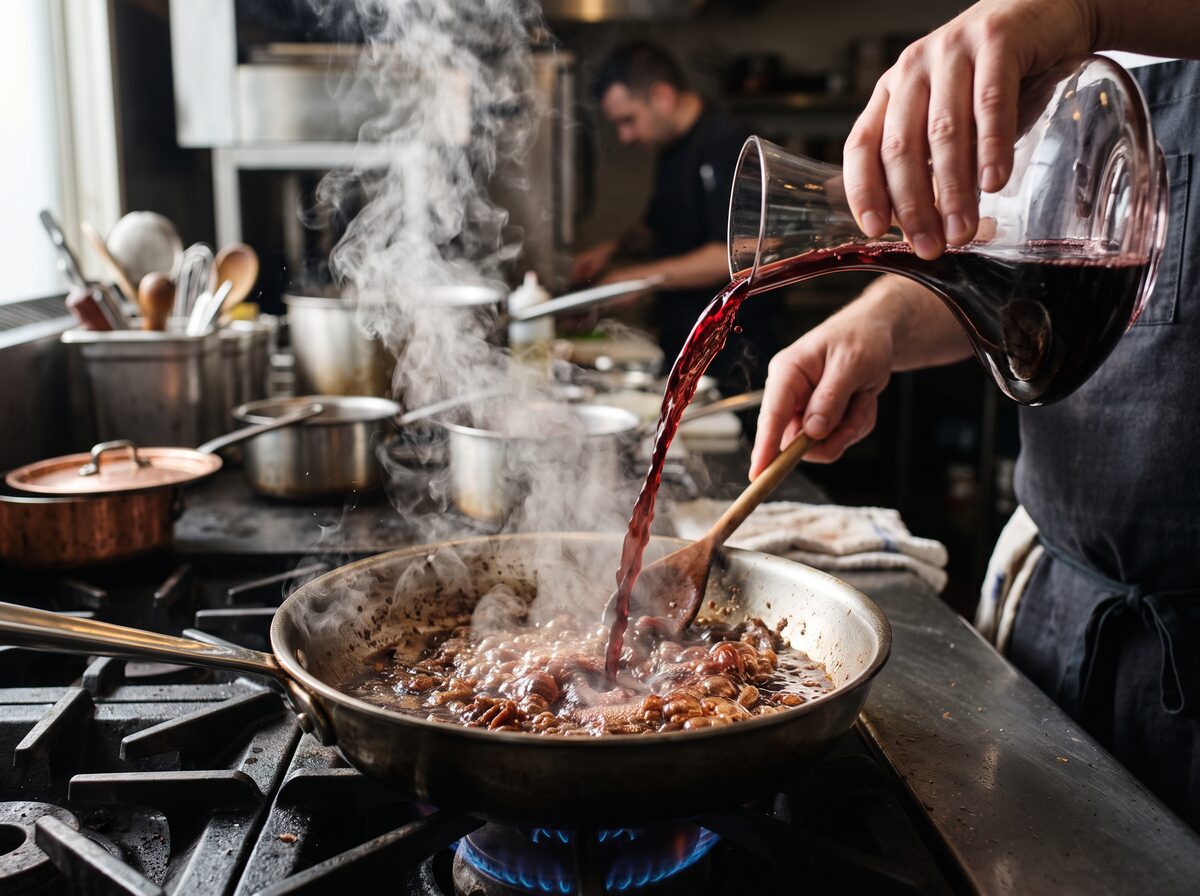
Return the pan to medium heat. Immediately pour in your chosen liquid—start with 1/2 cup for a typical 10–12-inch skillet. As it hits the hot pan, it will steam and bubble. Use a wooden spoon or flat spatula to scrape every bit of fond off the bottom and sides. Keep stirring for 1–2 minutes, until most of the fond is dissolved and the liquid has reduced by about half. This usually takes 2–4 minutes.
5. Build the Sauce: Layer and Thicken
Once deglazed, you can enrich your sauce by adding aromatics (1–2 minced shallots or garlic cloves), herbs (1–2 teaspoons fresh thyme or rosemary), or a tablespoon of Dijon mustard. Sauté for 1–2 minutes, then add 1/2–1 cup more broth or cream if desired. Simmer gently until the sauce thickens to your liking—usually 4–6 minutes over medium heat. For a glossy finish, whisk in 1–2 tablespoons of cold unsalted butter off the heat.
If your sauce ends up watery, get fast solutions in Why Your Quick Creamy Sauce Turns Watery: Causes and Simple Fixes.
6. Strain and Season for a Silky Sauce
For an ultra-smooth restaurant finish, strain your sauce through a fine-mesh sieve. Taste and season with coarse salt and freshly cracked black pepper. Add a splash of acid (lemon juice, vinegar, or wine) if it needs brightness.
Actionable Tips for Consistently Superior Deglazed Sauces
- Use the right pan: Stainless steel or cast iron create the best fond. Avoid nonstick for pan sauces.
- Don’t rush the fond: Let proteins brown deeply for 2–5 minutes per side—pale fond means less flavor.
- Deglaze while the pan is hot: A hot pan (350–400°F / 175–205°C) helps dissolve fond quickly and evenly.
- Don’t over-reduce: For pan sauces, reduce until the sauce coats the back of a spoon (nappe consistency). Over-reducing leads to saltiness and bitterness.
- Experiment with liquids: Try fortified wines (sherry, Madeira, Marsala), beer, or even fruit juice for unique flavor twists.
- Finish with fat: Off-heat, swirl in cold butter (monter au beurre) or cream for silkiness and sheen.
Deglazing Liquids: When and How to Use Each
- Wine: Pairs well with red meats and poultry. Use dry red for steaks, dry white for chicken or fish. Simmer at least 2–3 minutes after adding to cook off harsh alcohol notes.
- Broth: Adds savory depth. Use low-sodium to avoid oversalting. Reduce by half for maximum flavor, then taste for seasoning.
- Beer: Perfect for pan sauces with pork or sausages. Choose full-bodied, malty beers; avoid overly hoppy ones.
- Vinegar: For brightness and balance, a splash of sherry, red wine, or apple cider vinegar works wonders—especially in pan sauces for fatty meats.
- Citrus Juice: Essential for seafood sauces and light poultry dishes. Deglaze with lemon or lime juice and finish with herbs for freshness.
Timing and Temperature: The Science of Flavor Extraction
Deglazing works best while the fond is still hot. After removing your protein, deglaze within 1–2 minutes to prevent the fond from burning or setting too hard. Use a pan temperature of 350–400°F / 175–205°C and add the liquid slowly. The sizzle and steam indicate the Maillard compounds are dissolving.
If your pan cools too much, reheat briefly before adding liquid. Never use cold liquids straight from the fridge—allow them to come to room temperature to prevent toughening the fond or shocking the pan.
Classic Deglazed Pan Sauce Formula
- 1–2 tablespoons pan fat (from searing)
- 1/2 cup deglazing liquid (wine, broth, etc.)
- 2 teaspoons minced shallot or garlic (optional)
- 1 teaspoon fresh chopped herbs (thyme, tarragon, parsley)
- 1/2–1 cup additional broth or cream
- 1 tablespoon Dijon mustard (optional, for body)
- 1–2 tablespoons cold unsalted butter (finish)
- Kosher salt and fresh black pepper, to taste
This ratio makes about 3/4 to 1 cup of sauce, perfect for 2–4 servings. Adjust the liquid for larger pans or more servings. For more advanced deglazing techniques, read Deglazing Techniques for Sauces: How to Unlock Deep Pan Flavor.
Common Deglazing Mistakes (and How to Avoid Them)
- Burning the fond: If the pan gets too hot (>425°F / 220°C), fond will blacken and turn bitter. Lower the heat before deglazing.
- Adding too much liquid at once: This dilutes flavors. Start with 1/2 cup and reduce before adding more.
- Not scraping enough: Use a wooden spoon or flat spatula to scrape every bit of fond—don’t leave flavor behind.
- Skipping the reduction: Simmering concentrates the sauce and integrates flavors. Don’t pour it out too soon.
- Forgetting to taste and adjust: Always taste before serving. Add salt, pepper, acid, or a knob of butter as needed.
Deglazing Beyond Meat: Vegetables, Seafood, and Plant-Based Sauces
Deglazing isn’t just for meat. Sauté mushrooms, onions, or root vegetables until browned, then deglaze with vegetable broth, wine, or vinegar to create rich, vegetarian sauces. Seafood fond is delicate—use white wine, lemon juice, and a splash of cream for a fast pan sauce over fish. Discover more vegetarian flavor pairings in Sauce Pairings for Vegetarians: How to Match Flavors With Plant-Based Dishes.
Perfect Pairings: Recipes That Benefit From Deglazing
Deglazing unlocks deep flavor in classic pan sauces and modern dips. Try the technique with these recipes:
- Spicy Maple Sriracha BBQ Sauce: Deglaze with apple cider vinegar after caramelizing onions for a punchy, tangy base.
- Authentic Argentine Chimichurri Sauce Recipe: Deglaze the pan with red wine vinegar after grilling steak, then drizzle over meat and finish with chimichurri.
- Creamy Jalapeño Cilantro Dip (Chuy's Copycat): Deglaze roasted jalapeños and garlic with lime juice before blending for extra depth.
- Homemade Sweet Chipotle BBQ Sauce: Scrape up the fond after browning onions, then deglaze with beer or stock for smoky-sweet complexity.
How to Store Deglazed Sauces for Maximum Freshness
Deglazed sauces are best served immediately, but you can refrigerate them in airtight containers for up to 4 days. To freeze, cool completely, then freeze in small containers or ice cube trays. Thaw overnight in the fridge and reheat gently to preserve texture. For detailed storage tips, read How to Freeze Sauces the Right Way: Storage Tips for Maximum Freshness.
Troubleshooting: Fixing Common Deglazed Sauce Issues
- Watery sauce: Simmer uncovered to reduce. Add a cornstarch slurry (1 teaspoon cornstarch mixed with 1 tablespoon cold water) if needed, whisking constantly.
- Broken sauce: Remove from heat and whisk in cold butter or a splash of cream to emulsify.
- Too salty: Add unsalted stock or a splash of cream to dilute. Never reduce further if already salty.
- Metallic or bitter taste: Deglaze with wine or vinegar, then simmer at least 2–3 minutes to cook off harsh notes. See Why Your Sauce Tastes Metallic: Causes and Easy Fixes for Home Cooks for more solutions.
Pro Techniques: Elevate Any Sauce With Deglazing
- Double deglaze: After your first deglaze with wine, reduce, then add stock and reduce again for maximum depth.
- Aromatics layering: Sauté aromatics in the fond before deglazing for richer flavor. Shallots, garlic, and fresh herbs work best.
- Finish with acid: Brighten heavy sauces with a final splash of lemon juice or vinegar off the heat.
- Infuse flavor: Add whole herbs (thyme, rosemary sprig) during simmering, then remove before serving.
Explore More Sauce-Making Expertise
- Learn to pair sauces and meats in How to Pair Sauces With Roasted Meats: Matching Flavors for Any Cut.
- Master quick flavor fixes in Why Your Quick Pan Sauce Tastes Bland - Simple Ways to Boost Flavor Fast.
Conclusion: Unlock Restaurant Flavor at Home
Mastering deglazing means never letting flavor go to waste. By using the right pan, building a deep fond, and dissolving it with carefully chosen liquids, you’ll create sauces with restaurant-level complexity. Whether enhancing a BBQ sauce, brightening a chimichurri, or building bold dips like jalapeño cilantro dip, deglazing is the pro move that transforms everyday meals. Start with the basics, experiment with new combinations, and savor the deep, irresistible flavors you unlock.
TAGS
Related Articles
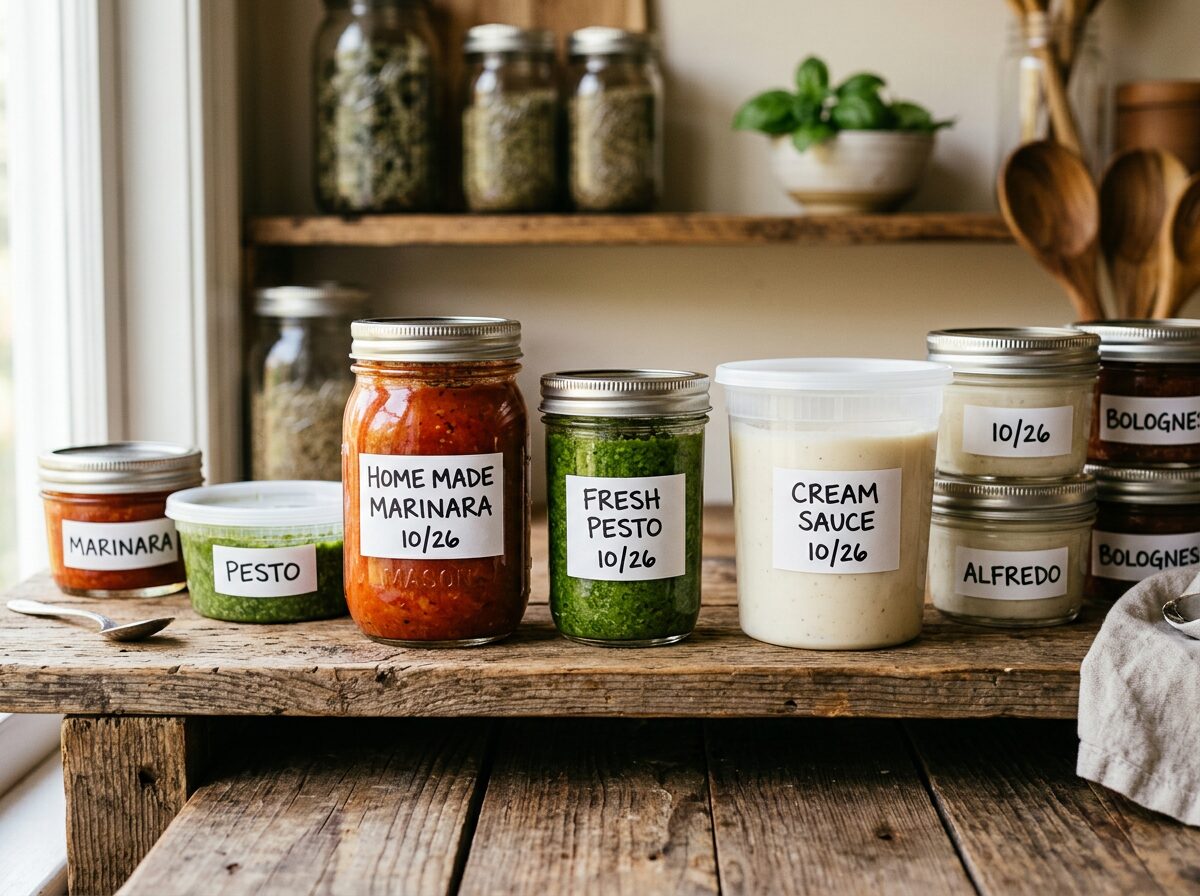
Freezing Sauces 101: Best Methods to Preserve Flavor, Texture, and Quality
Learn how to freeze sauces the right way. Discover tips on storage, thawing, and which sauces freeze best to keep flavors fresh and textures perfect.
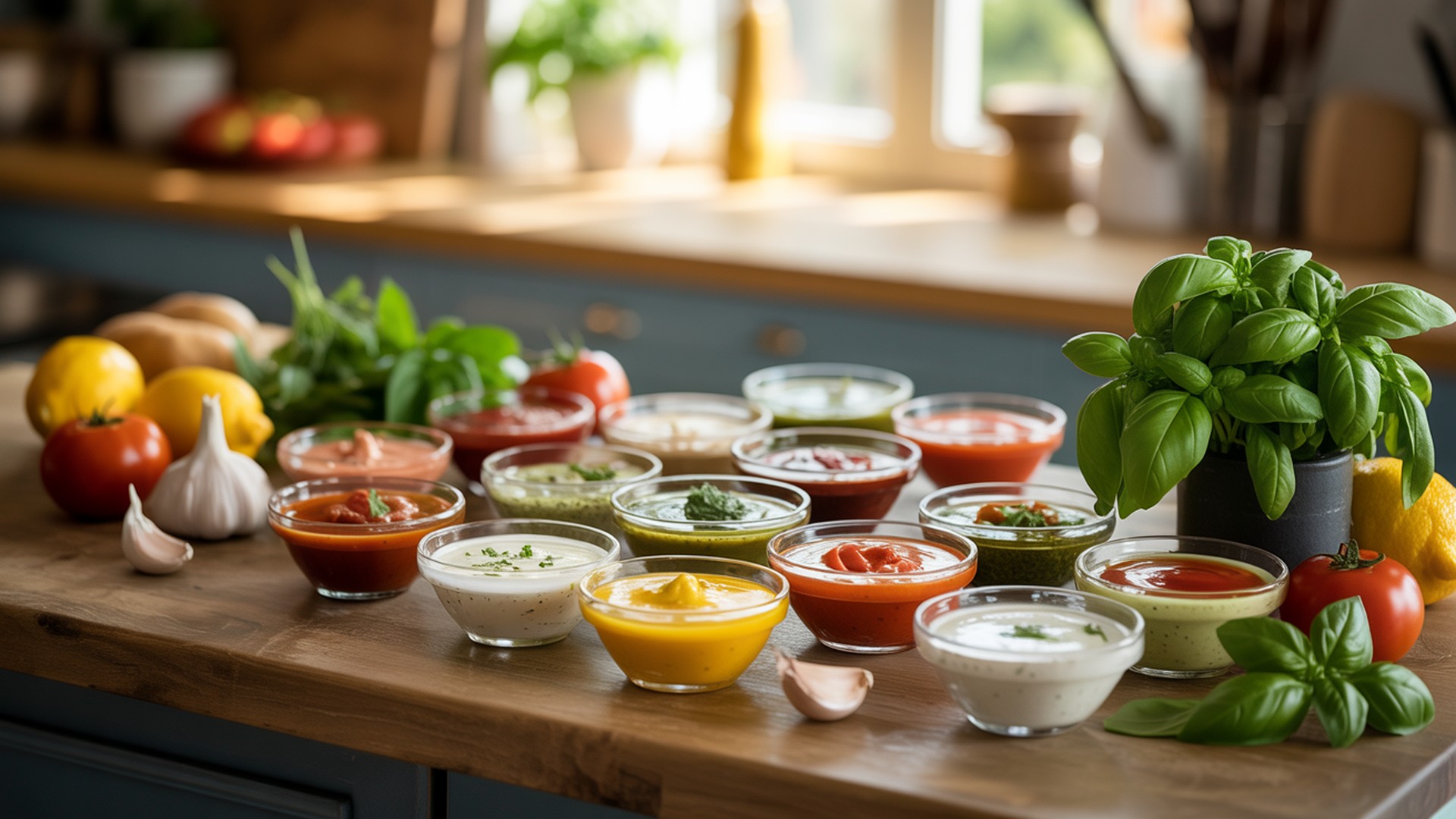
How to Deglaze for Pan Sauces: Step-by-Step Guide to Rich, Flavorful Results
Master deglazing for pan sauces with this step-by-step guide. Learn the best liquids, timing, and techniques for restaurant-quality sauces at home.
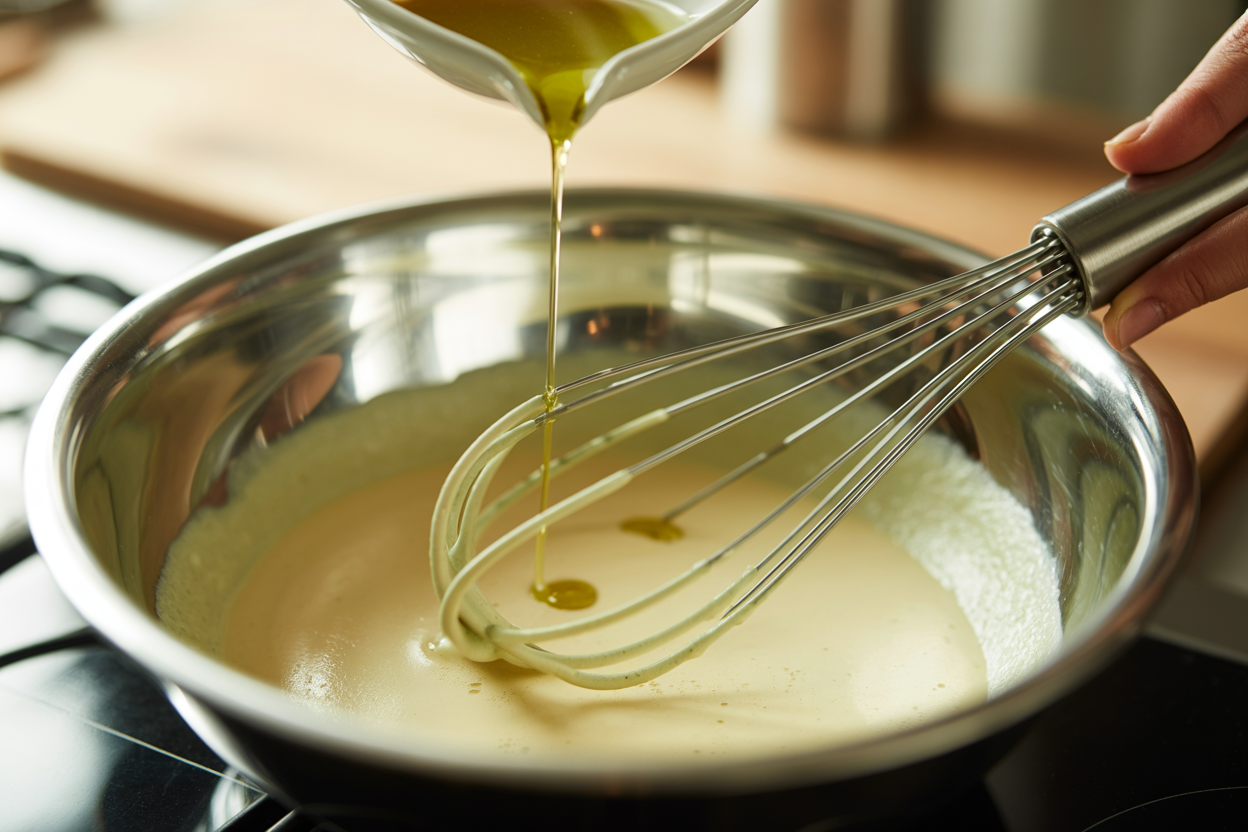
The Science Behind Emulsification (Explained Simply)
What actually happens when oil and water mix in a sauce, why it usually fails, and the handful of kitchen ingredients that make it work. No chemistry degree required.
How to Can Sauces Safely at Home: Step-by-Step Guide for Beginners
Learn how to can homemade sauces safely with this beginner-friendly guide. Preserve tomato, BBQ, and more for months of fresh, flavorful meals.