Why Your Sauce Tastes Too Acidic - Simple Fixes for Balanced Flavor
Is your sauce too sour or sharp? Learn why sauces get overly acidic and easy chef-approved ways to fix the balance for delicious, smooth results.
Written by FoodieManiac
With over 8 years of sauce-making experience, I've tested hundreds of techniques and products to bring you practical, reliable advice. Learn more about me →
Why Does My Sauce Taste So Acidic?
If you’ve ever poured your heart into a tomato sauce, only to taste it and get hit with a sharp, mouth-puckering tang, I feel your pain. I’ve made more acidic sauces than I’d like to admit. Sometimes it’s the tomatoes, sometimes it’s the vinegar, sometimes I just get too excited with the lemon. The good news: there’s almost always a way to fix it. Let's talk about why sauces end up too acidic, how to balance them out, and what I actually do when things go sideways in my kitchen.
Understanding Acidity in Sauces
Acid is actually your friend in sauce making. It brightens flavors, balances richness, and keeps things from tasting flat. But when acid takes over, suddenly your pasta sauce tastes like you’re sucking on a lemon. The most common culprits for excess acidity:
- Canned or underripe tomatoes
- Too much vinegar or citrus juice
- Cooking wine that’s not fully reduced
- Over-reducing (concentrates acid as well as flavor)
I’ve learned this the hard way: the same tomatoes that make a killer roasted tomato basil sauce in July will taste way sharper in February. Sometimes, cheap balsamic or red wine vinegar is much more sour than the good stuff. And yes, you really can over-squeeze that lemon.
Common Sauces That Go Wrong
You see this most often in tomato sauces, BBQ sauces (like my first batch of homemade sweet chipotle BBQ sauce - yikes), vinaigrettes, and anything with a vinegar or citrus base. Even creamy dips like roasted garlic parmesan dip can get thrown off if the acid isn’t balanced with enough fat or sweetness.
How to Taste for Acidity (and What It Feels Like)
Before you fix anything, taste your sauce. Acid hits on the sides of your tongue and can make your mouth water (not in a good way). If your jaw tightens up or you grimace, you probably need to mellow things out. This is different from bitterness (which is more back-of-the-tongue and lingering). If you’re not sure, taste a spoonful, then taste a sip of plain tomato juice or vinegar. That sharp, tangy edge? That’s acid. Trust me, after a few mistakes, you’ll know the difference by feel.
How to Fix an Acidic Sauce – Real Kitchen Solutions
There’s no one magic fix, and you might need to combine a few tricks. Here’s what I actually do, step by step, when I catch myself with a sauce that’s too tart:
1. Add Fat
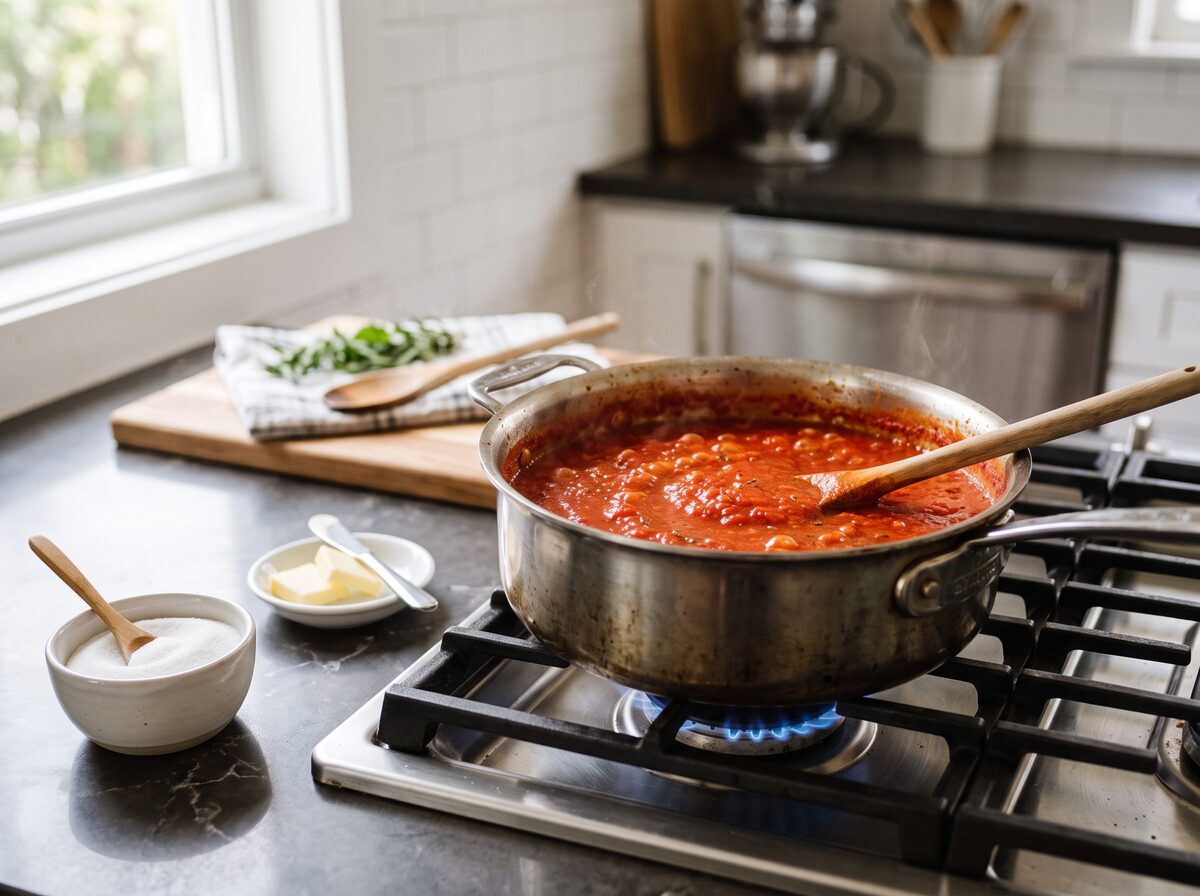
Fat is your buffer. It smooths out sharp flavors, coats your tongue, and brings balance. Stir in a tablespoon or two of butter (unsalted is best so you don’t oversalt). Olive oil works too, especially in tomato sauces or vinaigrettes. For creamy dips, a spoonful of sour cream or full-fat yogurt can save the day. I’ve even melted in a chunk of cream cheese for extra richness - it works, especially in spicy or tomato-based sauces.
2. Add Sweetness (The Right Way)
A tiny bit of sugar, honey, or even maple syrup can round out the edges. Start small: 1/2 teaspoon at a time. Stir, taste, and repeat if needed. Don’t dump in a tablespoon - you’ll end up with dessert sauce, and you can’t un-sweeten it. In BBQ sauces (like spicy maple sriracha BBQ sauce), brown sugar or molasses can work wonders. If you’re making a salad dressing, try a dab of honey or agave.
3. Add a Pinch of Baking Soda (Carefully!)
This is the classic grandma move, and it works. Baking soda neutralizes acid, but use only a pinch (like 1/8 teaspoon for a medium pot of sauce). Too much and your sauce will taste soapy. Sprinkle it in, stir, and watch for bubbles - that’s the acid being neutralized. Taste again. If it’s still tart, you can add another pinch, but go slow. Baking soda is powerful stuff.
4. Dilute with More Base
If your sauce can handle it, add more of the main ingredient. For tomato sauce, toss in another can of tomatoes (ideally low-acid or San Marzano if you have them). For vinaigrette, add more oil. For creamy sauces, a splash of cream or broth helps. Yes, this means you’ll have more sauce, but leftover sauce is never a problem in my house.
5. Salt – Use With Caution
Salt can help mask acidity, but it’s a slippery slope. The goal is to balance, not just cover up. Start with 1/4 teaspoon, stir, and taste. If it tastes flat, add more - but remember, you can always add salt, never take it out.
6. Add Umami (Optional but Awesome)
Sometimes, what tastes like acidity is actually a lack of depth. Try a splash of soy sauce, a spoonful of miso, or even a grating of parmesan. This is my go-to trick in tomato sauces and dips like creamy jalapeño cilantro dip. It won’t remove acid, but it’ll distract your taste buds enough that everything feels more balanced.
Tested Tips
- The butter rescue: If your tomato or BBQ sauce is too sharp, stir in 2 tablespoons of cold unsalted butter off the heat. It smooths out the bite instantly. But don’t add the butter while the sauce is boiling - you’ll split it and end up with a greasy mess. (Ask me how I know.)
- Baking soda “bloop”: Add baking soda a pinch at a time, and let it fizz completely before tasting. The first time I tried this, I dumped in too much and the sauce tasted like Tums. Trust your eyes: when the fizzing stops, the reaction is done.
- Sweetness check: Always use real sugar, honey, or maple syrup - not artificial sweeteners. I tried stevia once and the bitterness made the acid worse. Go slow. You can always add more, but once it’s too sweet, you’re stuck.
- Double the base: If you have extra tomatoes, add them and simmer for 10-15 minutes to mellow the acid. I’ve saved more sauces than I can count doing this. Just remember to adjust seasoning at the end, since you’re diluting everything else too.
- Stock is your friend: For pan sauces or gravies, add a splash of store-bought stock. It’s totally fine here - don’t stress about homemade. It takes the edge off acidity and stretches the sauce if you over-reduced.
- The creamy fix: For dips and dressings, a couple tablespoons of Greek yogurt or sour cream will calm down any harsh acid. Just know it’ll also lighten the color and flavor a bit. If you skip this, your dip might stay sharp, but sometimes that’s what you want (like in creamy avocado cilantro lime dressing).
What About Vinegar-Based Sauces?
Some sauces are meant to be tangy. Think chermoula, chimichurri, or Polynesian sauce. If you tone down the acid too much, you’ll lose what makes them special. Here’s what I do: serve them with something rich or starchy (like grilled meat, roasted veggies, or bread). If you’ve made a batch that’s too sharp, swirl in a little olive oil or toss with extra herbs to mellow things out - but don’t expect these sauces to taste like cream sauce. They’re supposed to wake up your taste buds.
When You Should (and Shouldn’t) Worry About Acidity
Sometimes, a little extra tang is exactly what you want. In summer, a sharp vinaigrette on a salad is refreshing. In winter, though, I want my tomato sauces to feel cozy - not biting. If you’re making sauces for kids or anyone sensitive to acid, definitely err on the side of mellow. But don’t stress too much if your BBQ sauce or salsa tastes a little bright straight out of the pot. Most sauces mellow as they cool, and even more after a night in the fridge.
Preventing Acid Overload Next Time
- Use good-quality canned tomatoes (San Marzano are worth it for special meals, but store brand is fine for weeknights – just taste as you go)
- Measure your vinegar and citrus – don’t just eyeball it
- Reduce wine or vinegar-based sauces thoroughly (medium-low heat, 10-15 minutes, until only a tablespoon or so remains)
- Always taste before adding more acid or salt
- Watch for over-reducing – if your sauce is thickening too fast, check out my guide on why quick creamy sauces separate for tips to avoid splitting and scorching
Related Guides for Sauce Balance
- If your sauce tastes off in other ways, you might actually have a metallic problem, not just acid – check my guide on why sauce tastes metallic for fixes that work
- Want to master sauce flavor from the start? Read about how to deglaze for restaurant-quality sauces – this is a game-changer for depth and balance
- Curious about what makes creamy sauces split, and how to keep them smooth? Here’s the real scoop: Why Your Quick Creamy Sauces Separate and How to Fix It Fast
- Avoiding future sauce disasters? Learn about sauce storage mistakes and how to avoid mold
Try These Balanced Sauces (That Don’t Skimp on Flavor)
- Creamy Roasted Garlic Parmesan Dip – rich, mellow, and almost impossible to make too acidic
- Spicy Maple Sriracha BBQ Sauce – spicy and tangy with just enough sweetness
- Authentic Moroccan Chermoula Sauce – bright, herby, and balanced (just don’t overdo the lemon)
- Thermomix Creamy Avocado Cilantro Lime Dressing – creamy enough to mellow out any sharp lime
Final Thoughts from My Messy Kitchen
I’ll be honest: I still make the occasional too-tart sauce, especially when I’m distracted or experimenting with new ingredients. But with a few fixes up your sleeve, you can save almost any batch. Taste as you go, start small with your fixes, and remember - your sauce doesn’t have to be perfect, just delicious. If you find yourself with a sauce emergency, you’re in good company. We’ve all been there, and honestly, that’s where the best learning (and some pretty great new recipes) happens.
TAGS
Related Articles

Why Your Tzatziki Sauce Turns Watery: Common Mistakes and Easy Fixes
Tired of runny tzatziki? Learn why your Greek yogurt sauce gets watery and discover simple tips to keep it thick, creamy, and flavorful every time.

Why Your Quick Creamy Sauce Turns Watery: Causes and Simple Fixes
Is your creamy sauce too thin or watery? Learn the common mistakes and easy fixes for thick, luscious quick sauces every time you cook.
Why Your Homemade Mole Sauce Tastes Bitter - Common Mistakes and Fixes
Struggling with bitter homemade mole? Learn the most common causes, from burnt chiles to chocolate missteps, plus easy fixes to balance the flavors.