Why Your Sauce Jar Grows Mold: Common Storage Mistakes and Fixes
Tired of moldy sauce jars in the fridge? Learn why it happens, the top storage mistakes to avoid, and how to keep your sauces fresh and safe longer.
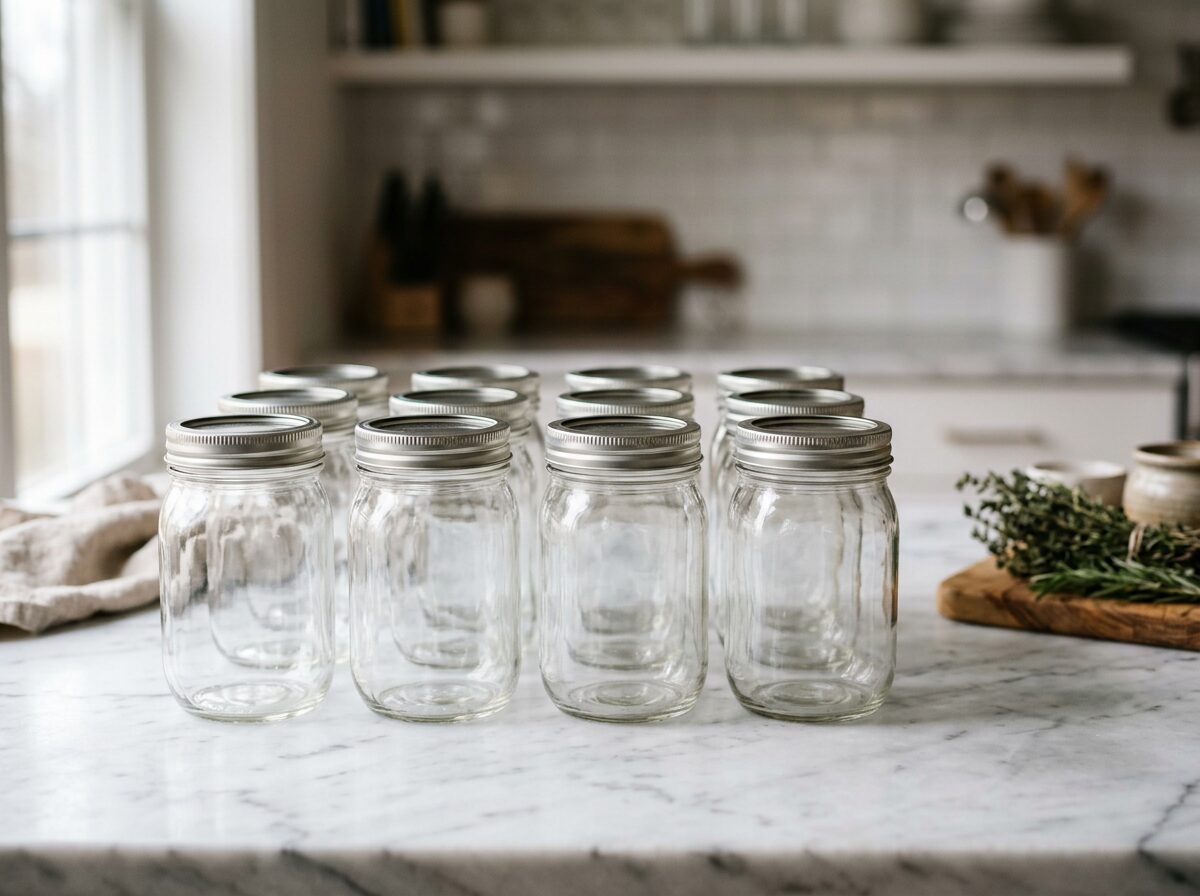
Written by FoodieManiac
With over 8 years of sauce-making experience, I've tested hundreds of techniques and products to bring you practical, reliable advice. Learn more about me →
Why Your Sauce Jar Grows Mold: Common Storage Mistakes and Fixes
I’m going to level with you: I’ve lost more homemade sauces to mold than I want to admit. Nothing kills your kitchen confidence like popping open your beautiful jar of chermoula or BBQ sauce and finding a fuzzy science experiment. It took me years of wasted dips, dressings, and stocks to finally figure out why this happens. So let’s grab a coffee, pull up a stool, and talk about how to keep your sauces fresh - and what actually works for real-life, non-fancy home cooks.
What Really Causes Mold in Sauce Jars?
Mold is the kitchen villain that just needs air, moisture, and a little food to move in. Even the best sauce goes bad if you give mold what it wants. But it’s not just about leaving your jar out too long. I used to think, “I put it in the fridge, so I’m fine!” Nope. Mold doesn’t care about your good intentions or how much you spent on olive oil.
Here’s what I wish someone had told me right from the start:
- Mold spores are everywhere - on your spoon, your jar rim, your hands, even the air.
- Every time you open the jar, you introduce new “guests” (and not the good kind).
- Some sauces are more at risk because of their ingredients (looking at you, anything with fresh herbs or garlic).
- Temperature swings are mold’s best friend. That “just for a minute” on the counter can really cost you.
Let’s Get Specific: The Top Storage Mistakes
I’ve made every mistake on this list, so no judgment here. Here’s what actually goes wrong, and what you can do about it:
- Dirty Utensils: If you stick a used spoon in your sauce, you’re basically seeding it with bacteria and mold. I learned this the hard way after double-dipping during a frantic weeknight dinner. Always use a clean spoon. Every. Single. Time.
- Not Cooling Properly: If you put hot sauce in a sealed jar, you’ll get condensation - and water helps mold thrive. Let your sauce cool to room temp (not hot, not fridge-cold) before sealing up. I used to rush this step and ended up with watery, moldy dressings, especially with my avocado cilantro lime dressing.
- Jars Not Truly Clean: Rinsing isn’t enough, especially if you’re reusing jars. I now run mine through the dishwasher or give them a super-hot soapy wash. No shortcuts here, unless you love green fuzz.
- Storing on the Fridge Door: That’s the warmest part of your fridge! I know it’s convenient, but your sauce will last longer on a shelf toward the back, where it stays coldest.
- Letting Sauce Sit Out: Even a creamy dip like Chuy’s Copycat Creamy Jalapeño Dip will go downhill fast if you forget it out for an hour. I once left a batch on the counter while wrangling kids and came back to a totally different (and not in a good way) texture.
- Not Sealing Tight: Air is mold’s ticket in. Don’t just set the lid on top. Give it a proper twist.
How Long Do Different Sauces Actually Last?
This is what most recipes never tell you. Here’s what I’ve learned, with some real numbers based on trial, error, and a few ruined Tupperware:
- Fresh herb sauces (like chimichurri or chermoula): 3-5 days. Honestly, if you push past a week, you’re asking for trouble unless you freeze it. See my guide on freezing sauces the right way if you want to stash a big batch.
- Creamy dairy-based dressings: 5-7 days. If it smells off or separates weirdly, toss it. (My avocado lime dressing is best on day 2, and after that, it just gets sad.)
- Vinaigrettes: 2 weeks, sometimes longer if they’re mostly oil and vinegar. But watch for floating bits of garlic or herbs - those go bad fast.
- BBQ sauces (like chipotle BBQ or spicy maple sriracha BBQ): 2-4 weeks, thanks to the sugar and vinegar. But if you see any mold, don’t just scrape it off. Toss the whole thing.
If you’re ever unsure, check out my favorite guide on how to tell if your sauce has gone bad. It’s saved me from some questionable taste tests.
What About Store-Bought Sauces?
Honestly, the same mistakes apply. I once ruined a jar of store-bought salsa by double-dipping during a party. Even if it’s packed with preservatives, if you keep contaminating it or leave it out, it’ll grow mold eventually.
Tested Tips
- The “clean spoon” rule: I keep a jar of teaspoons just for dipping sauces. If anyone (myself included) tries to use their eating utensil, I stop them. Once, I watched my husband dip a chicken wing into my homemade Polynesian sauce and two days later - fuzzy dots. If you slip up, just scoop out an inch under the contaminated spot, but honestly, if you see mold, it’s safest to toss the whole thing.
- The cool-down patience test: Let your sauce cool, uncovered, until it’s barely warm to the touch before jarring. I used to rush this, seal the jar, and end up with condensation dripping back into the sauce. It’s gross. If you’re in a hurry, spread the sauce in a wide bowl so it cools faster.
- The vinegar splash: For fresh herb sauces, I add a teaspoon of vinegar or lemon juice on top before sealing. It’s not a miracle, but it slows down mold. Don’t do this with creamy dressings though - it’ll split them. (Trust me, I’ve ruined more than one batch of tahini dressing this way.)
- The “back of fridge” trick: I store all my sauces on the middle or lower shelf, as far back as possible. The fridge door is too warm. If you forget and keep it on the door, use the sauce up within 3 days, tops.
- The small jar swap: I portion leftovers into tiny jars instead of one big one. That way, I only open what I need, and the rest stays untouched. When I make a double batch of creamy sun-dried tomato basil dip, half goes in a backup jar - and it lasts twice as long.
- The “label and date” cheat: I stick masking tape on every jar with the date I made it. If I can’t remember when it was made, it’s probably too old. This has saved me from more than a few “what is this and how old is it?” fridge mysteries.
Common Questions I Get (and What Actually Works)
Can You Just Scrape Mold Off?
Nope. I used to think I could just remove the top layer and everything underneath was fine. Turns out mold can send invisible roots down into the sauce. That’s especially true for anything wet, creamy, or with herbs. If you see mold, toss the whole jar. Don’t risk it.
Does Adding More Vinegar or Sugar Help?
It can, but only to a point. Vinegar and sugar both inhibit mold, which is why BBQ sauce and vinaigrettes last longer than, say, a yogurt-based dip. But too much and you’ll totally change the flavor. (I once tried to “save” a batch of Turkish ezme by adding extra vinegar and it just turned into salad dressing.) If you want longer storage, make a more vinegar-forward sauce from the start, or learn to freeze. Here’s a handy freezing sauces guide that actually works for home cooks.
How Clean Do the Jars Really Need to Be?
Honestly, “dishwasher clean” is good enough for me. I don’t sterilize like I’m canning jam unless it’s a high-risk sauce. For everyday stuff, as long as the jar is spotless and dry, you’re fine. Just don’t put hot sauce in a wet jar - that’s an express ticket to funk town.
Is It Ever Safe to Leave Sauce Out?
Not really, but I get it - sometimes you forget. I’ve left cinnamon honey butter out overnight and it was still fine, thanks to all the sugar and butter. But things with dairy, mayo, or fresh herbs? Into the fridge ASAP. If something sits out more than 2 hours (especially if your kitchen is warm), I’d play it safe and toss it, or at least do a serious sniff test.
Shortcuts and Real-Life Workarounds
Let’s be honest: Sometimes you just don’t have time for perfect technique. Here’s where shortcuts actually work, and where they don’t:
- Store-bought stock: Totally fine for most sauces. I use boxed stock for my Hungarian paprika sauce every time. Homemade is great, but it doesn’t make or break mold risk.
- Reusing jam jars: Go for it, just wash them well. I save every small glass jar I get - they’re perfect for portioning vinaigrette or chimichurri.
- Skipping the blender: If you’re making a rustic sauce like salsa criolla, hand-chop and mix in a bowl. Less cleanup, no risk of blending in air bubbles that can make some sauces spoil faster.
- Freezing for longer life: When in doubt, freeze half your batch. Even if the texture changes a bit on thawing, it’s usually fine for things like cooked BBQ sauces. Creamy dressings like sriracha ranch don’t freeze well, but almost everything else does. If you want to know exactly how, check out my go-to freezing guide.
What Ingredients Make Sauces Spoil Faster?
Some combos are just trouble for storage. Here’s what to watch out for (I’ve ruined so many jars learning the hard way):
- Fresh garlic and herbs: Super tasty, but they go off quickly. If you’re making a garlic sauce or something loaded with parsley, plan to use it up fast.
- Dairy or mayo: These are high risk. Once, I tried to keep a homemade blue cheese dip for two weeks. Mistake. It turned on me after day five. If it smells weird, it is weird.
- Fruit or low-acid ingredients: Pineapple BBQ or mango salsas are mold magnets. Use within 3-5 days or freeze leftovers.
If you want a deeper dive into which bases last longest, check out the Greek yogurt vs. sour cream sauce guide for storage pros and cons. Or if you’re struggling with vinaigrettes that separate (which can also look like spoilage), here’s my favorite fix: why your vinaigrette separates and how to fix it.
Final Thoughts From My Fridge
If you take nothing else from this, remember: mold is sneaky, and it doesn’t care how much effort you put in. Get in the habit of clean utensils, tight lids, and a fridge that’s set cold enough (below 40°F, if you want to get precise - I keep a cheap fridge thermometer in there). Don’t beat yourself up if something goes bad. It happens to the best of us.
And if you want to dive even deeper, I’ve got a whole guide on preventing mold in homemade sauces that covers even more hacks and troubleshooting.
Now go check your fridge. Got questions? Send me a photo of your weirdest sauce disaster - I’ve probably seen (and smelled) worse.
TAGS
Related Articles
Freezing Sauces 101: Best Sauces to Freeze and How to Thaw Them Safely
Discover which sauces freeze well, step-by-step freezing methods, and how to safely thaw for best flavor and texture. Preserve your homemade sauces longer.
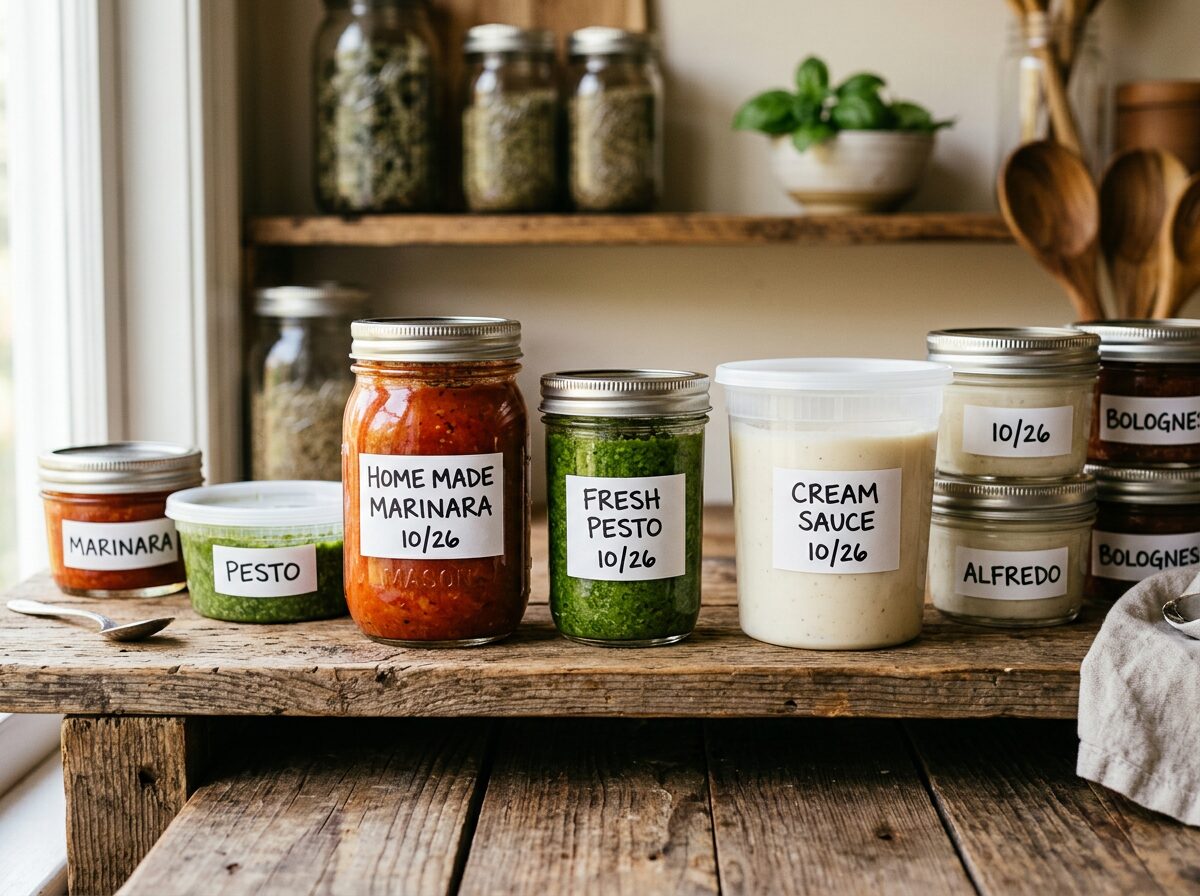
Freezing Sauces 101: Best Methods to Preserve Flavor, Texture, and Quality
Learn how to freeze sauces the right way. Discover tips on storage, thawing, and which sauces freeze best to keep flavors fresh and textures perfect.
How to Freeze Sauces for Maximum Freshness: Methods, Tips, and Mistakes to Avoid
Learn the best techniques to freeze sauces, dressings, and dips. Discover which sauces freeze well, storage tips, and how to thaw for best results.
How to Deglaze for Pan Sauces: Step-by-Step Guide to Rich, Flavorful Results
Master deglazing for pan sauces with this step-by-step guide. Learn the best liquids, timing, and techniques for restaurant-quality sauces at home.