Sour Cream vs. Greek Yogurt Sauces: Which Is Better for Dips and Dressings?
Confused about using sour cream or Greek yogurt for sauces? Compare taste, texture, nutrition, and best uses to pick the right base for your dip or dressing.
Written by FoodieManiac
With over 8 years of sauce-making experience, I've tested hundreds of techniques and products to bring you practical, reliable advice. Learn more about me →
Sour Cream vs. Greek Yogurt Sauces: Which Is Better for Dips and Dressings?
Why This Debate Actually Matters (Even If You Aren’t a Food Snob)
If you’re anything like me, you’ve stood in front of your fridge, tortilla chips in hand, staring at a half-empty tub of Greek yogurt and wondering if it’ll work in place of sour cream. Or maybe you’ve gone to whip up a dressing and realized you only have one or the other. I promise, you’re not alone. I’ve tried both in everything from ranch dips to tangy dressings, and let’s just say there have been some questionable results. So let’s talk about what really happens when you swap one for the other - and when you probably shouldn’t.
What’s Actually the Difference?
The Basics: Milk, Cream, Cultures
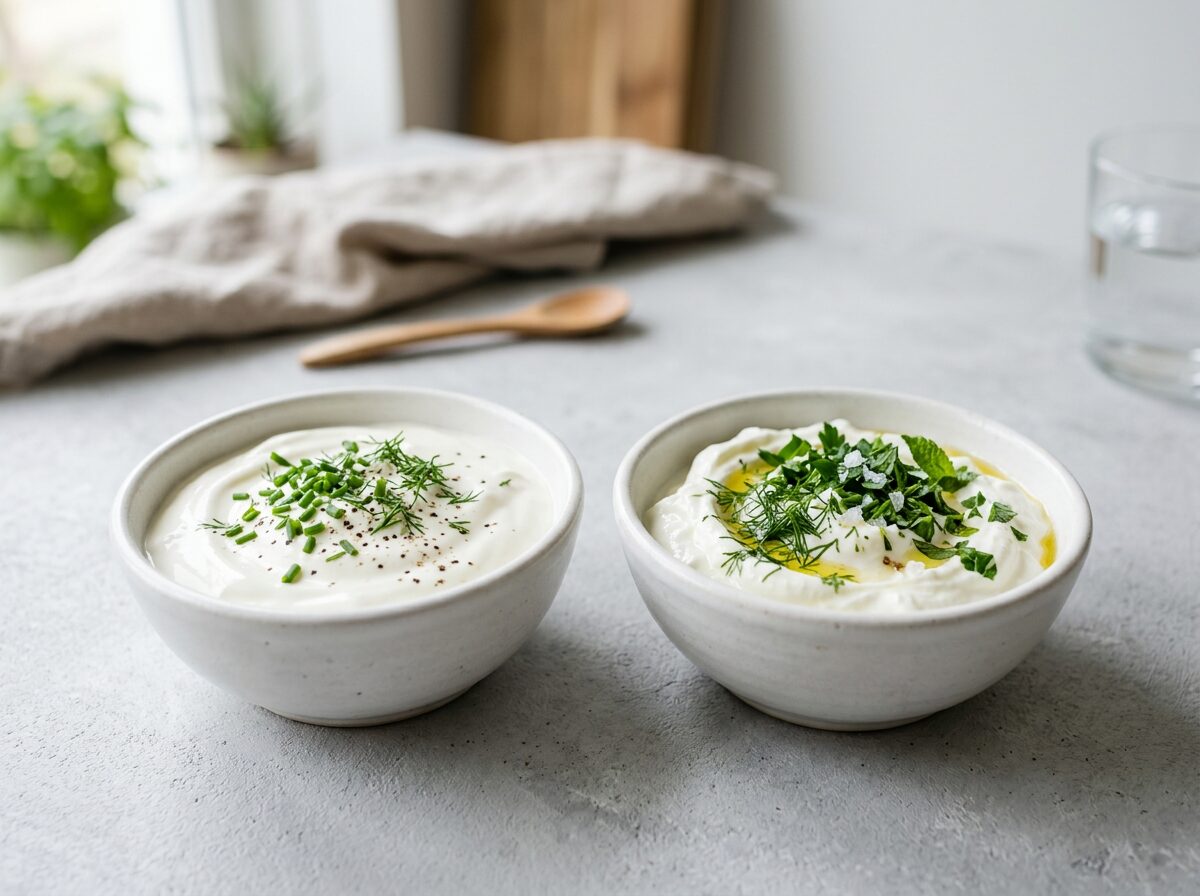
Sour cream is, well, cream that’s been soured with lactic acid bacteria. It’s rich (usually about 18-20% fat), smooth, and has a subtle tang. Greek yogurt, on the other hand, is strained yogurt - so it’s thicker, tangier, and usually lower in fat (unless you buy the full-fat stuff, which is honestly worth it for sauces).
Texture-wise, Greek yogurt is firmer and less glossy. Sour cream is silkier, with a fat content that helps it melt into things better. That matters for dips and dressings, trust me.
Taste Test: Side by Side
Here’s what I learned the hard way: Greek yogurt is tangier and more assertive. Sour cream is milder, creamier, and less likely to take over the flavor of your dip. If you make a classic ranch with Greek yogurt, you’ll taste that yogurt twang up front. With sour cream, it’s more about the herbs and whatever else you add.
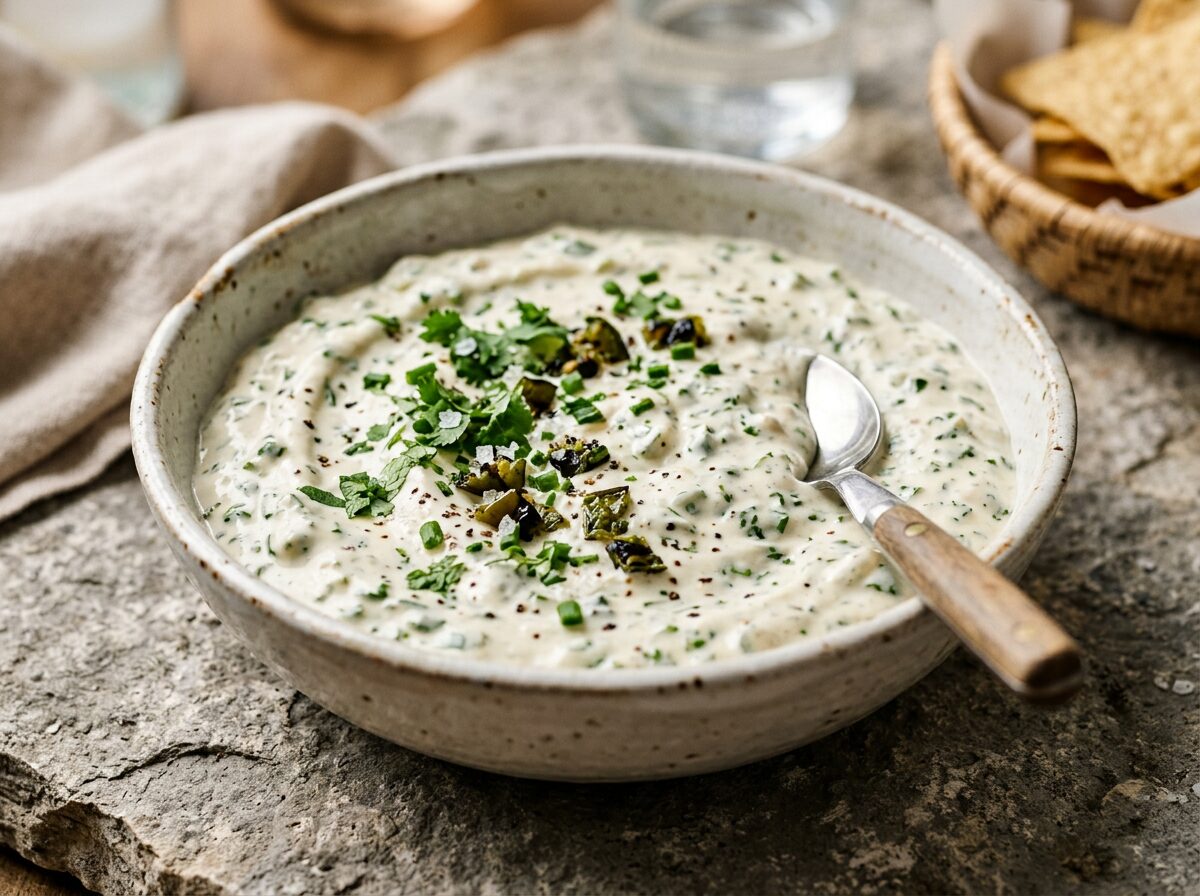
But sometimes, that tang is exactly what you want - especially in things like Creamy Jalapeño Cilantro Dip (Chuy's Copycat) or Creamy Avocado Cilantro Lime Dressing where brightness is king.
Which Works Best for Dips?
Sour Cream Shines in the Classics
Let’s be real. If you’re making a French onion dip or a classic blue cheese dip (like my go-to Homemade Creamy Buffalo Blue Cheese Dip), sour cream is just easier. It blends smoothly with seasonings and stays creamy when chilled. It’s almost impossible to mess up. Even the “light” versions work fine here, though full-fat always tastes better if you have it.
I’ve tried subbing Greek yogurt in onion dip. It works, but the flavor is sharper and sometimes a little chalky if you use fat-free. And once, I over-mixed it and ended up with a weirdly grainy dip that nobody wanted to eat. Lesson learned: gentle folds, not furious whisking.
Greek Yogurt: Lighter, Tangier, but Sometimes Tricky
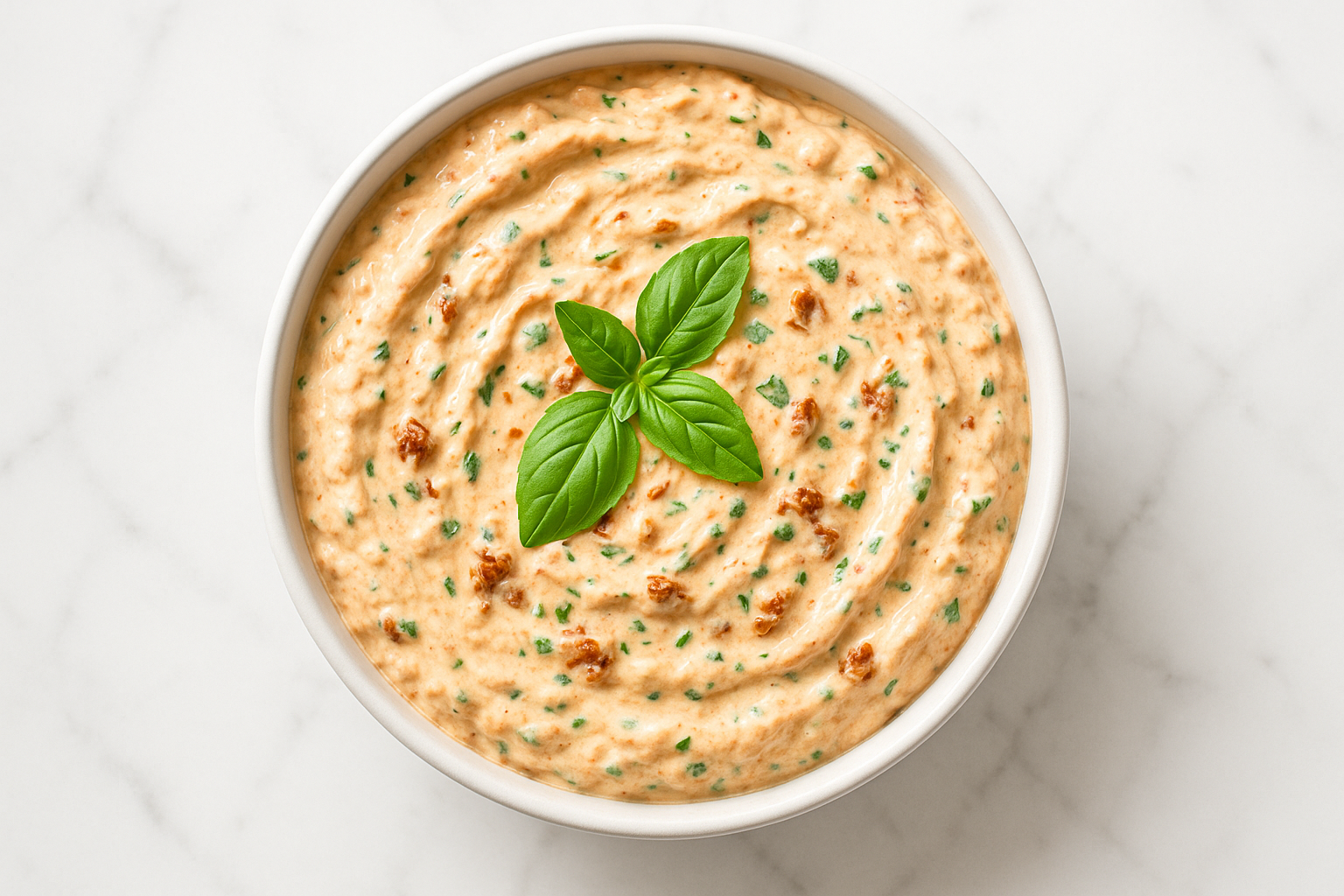
Greek yogurt is great for dips where you want that tang and a lighter feel. Tzatziki is the obvious one (and if you’ve ever wondered why your tzatziki turns watery, I explain the main mistakes in this guide). But even for dips like Creamy Sun-Dried Tomato Basil Dip, Greek yogurt can be awesome - just go for full-fat if you want it to feel indulgent.
One catch: Greek yogurt can “break” when you add acids like lemon or vinegar. I’ve had it split into little curds when I tried to make a lemony avocado dip. If that happens, just stir in a spoonful of mayo or a drizzle of olive oil. It brings it back together (learned this after way too many failed batches).
How About for Dressings?
Greek Yogurt Wins for Light, Tangy Dressings
If you love a zippy, creamy dressing that doesn’t feel heavy, Greek yogurt is your friend. For green goddess-style dressings or anything with lots of fresh herbs, Greek yogurt is a hero. Try it in this Thermomix Creamy Avocado Cilantro Lime Dressing or Thermomix Creamy Sriracha Ranch Dressing. The dressing stays thick and coats greens nicely, and the tang cuts through rich foods.
But beware: if you use nonfat Greek yogurt, your dressing can taste a bit sour and thin out fast. I use 5% or whole milk yogurt for the best texture. It costs a little more, but it’s worth it for dressings you want to keep in the fridge for a few days.
Sour Cream: Extra Creaminess, Less Tang
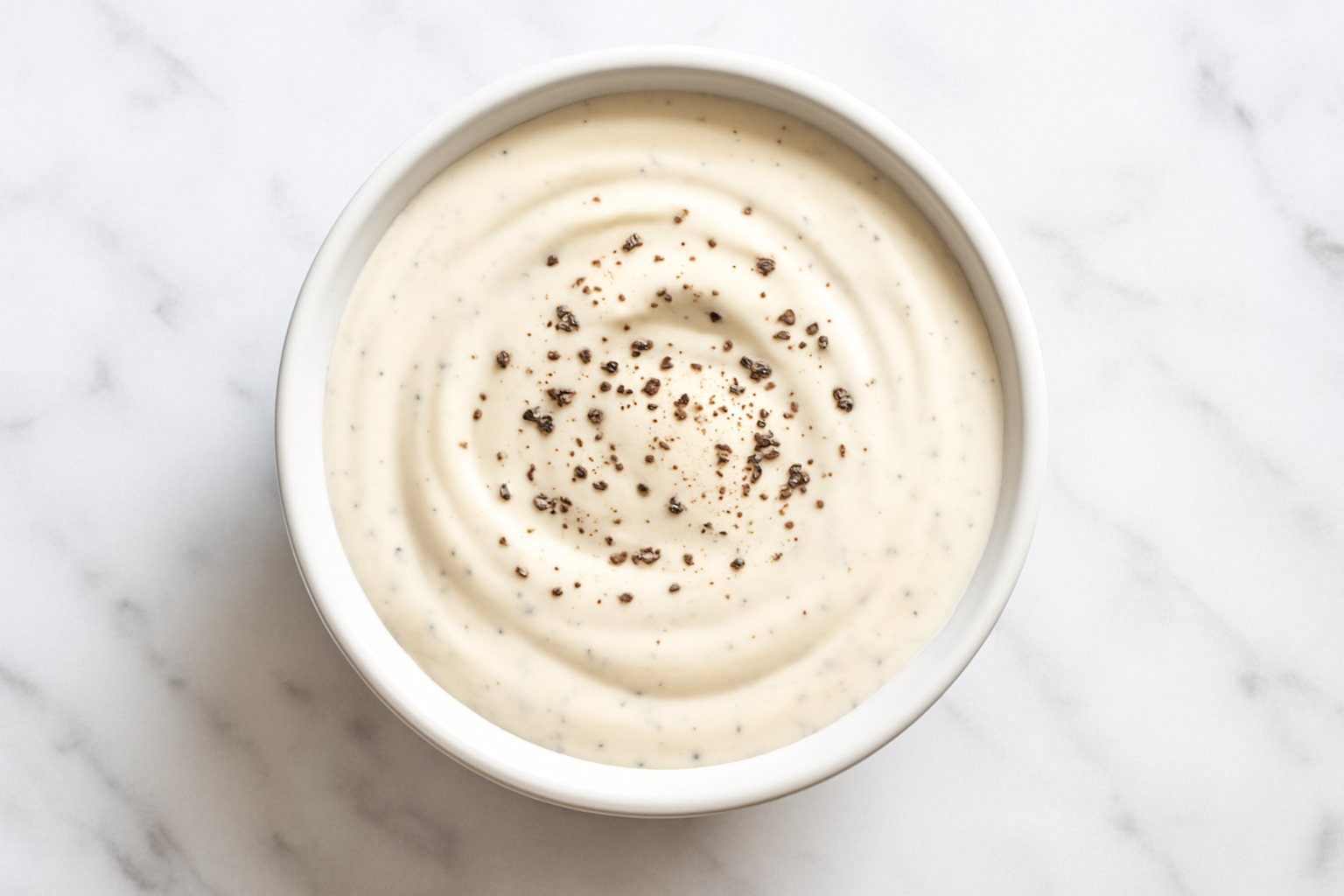
Sour cream delivers when you want a rich, smooth dressing - like a classic Caesar or a creamy Parmesan peppercorn. It’s unbeatable in Homemade Creamy Parmesan Caesar Dip or anything you’d serve with wings or potato chips.
If you’re in a rush, you can thin sour cream with a splash of milk or buttermilk, some lemon juice, and a little garlic powder for an instant ranch. No shame in shortcuts. Store-bought buttermilk is totally fine here.
Texture Issues (And How to Fix Them)
Why Does My Sauce Get Watery or Lumpy?
I’ve had more dips go watery in the fridge than I care to admit. Greek yogurt tends to weep (that watery layer on top) if you leave it too long. Just pour it off or stir it back in - but if it’s super runny, you can stir in a tablespoon of instant potato flakes or even a bit of cream cheese to thicken it right back up.
Sour cream can get lumpy if you mix it with acidic stuff too fast or too cold. Let it come to room temp first, and add acid slowly. If it still splits, a little mayo or even a spoonful of Greek yogurt can rescue it. (Yep, they can save each other.)
If you’re curious why creamy sauces sometimes get watery, I break down the science and fixes in this troubleshooting guide.
What About Nutrition?
I’m not going to pretend I always eat the “healthier” thing, but if you care about protein or cutting calories, Greek yogurt (especially nonfat) is your winner. It’s got more protein and less fat per scoop. That said, the full-fat version tastes way better in dips and dressings. If you’re using it for kids’ snacks or post-gym dips, go for the Greek. For parties? I never regret the extra richness of sour cream.
Swapping One for the Other: When It Works (And When It Doesn’t)
- For dips with bold flavors (herbs, chiles, spices): Greek yogurt works and can even be better, like in Chermoula or spicy veggie dips.
- For classic creamy dips (onion, ranch, blue cheese): Sour cream wins for smoothness, but you can use half Greek yogurt and half sour cream for a lighter result that still tastes rich.
- For dressings: Greek yogurt gives more tang and thickness. If you want something pourable, thin it with a bit of water or milk. Sour cream is best for super creamy, less tangy dressings. For Caesar-style, stick with sour cream or even mix in some mayo.
- Baking and hot dips: Don’t swap Greek yogurt for sour cream in hot dips without testing - yogurt can curdle at high heat. Sour cream holds up better, especially in things like baked artichoke dip.
Honestly, if you’re just making a quick batch of Creamy Jalapeño Cilantro Dip (Chuy's Copycat) for friends, nobody will notice if you use one or the other. But for a classic onion dip or Caesar, go sour cream if you can.
Tested Tips
- Let it warm up: If you add cold sour cream or yogurt straight from the fridge to your dip, it can seize up and get lumpy. Let it sit out for 10-15 minutes. I used to rush this and always got weird textures.
- Salt slowly: Start with half a teaspoon of salt for every cup of base. Taste, then add more if needed. I once dumped in a full teaspoon and ended up with a sauce that tasted like a salt lick. You can always add, but you can’t un-salt.
- Don’t overmix: Whisking too hard, especially with Greek yogurt, can make your dip grainy or even split. Fold in seasonings gently. If you overdo it, try adding a teaspoon of olive oil to smooth things out.
- Mix and match: Half sour cream and half Greek yogurt is the secret for dips that are creamy but not too heavy. I do this for ranch and nobody’s noticed - except my cousin, who now does the same.
- Use full-fat for parties: The full-fat versions of both hold up better to chips and veggies. The low-fat ones can get runny after an hour on the counter, especially in the summer. Trust me, I’ve watched a dip slide off a carrot stick in front of guests.
- Rescue a split dip: If your dip “breaks” (gets watery or curdled), whisk in a spoonful of mayo or cream cheese. It’ll smooth out the texture. I learned this after trying - and failing - to “fix” it with more yogurt (which just made it tangier and weirder).
The Best Situations for Each (Real-Life Examples)
- Sour cream: Onion dip, ranch dip, blue cheese dip, creamy Caesar dressings, and any baked dip. Try it in Homemade Creamy Parmesan Caesar Dip or even as the creamy base for Creamy Feta Dill Dip.
- Greek yogurt: Lighter veggie dips, tzatziki, green goddess, and anything you want to taste extra fresh. It’s also the base for a killer herby dressing, like in Thermomix Creamy Avocado Cilantro Lime Dressing.
- Half-and-half: When you want the best of both worlds. This is my move for “healthier” ranch, or when I’m running low on one or the other.
Shortcuts That Actually Work
- Store-bought is fine: For both sour cream and Greek yogurt, don’t stress about buying the fanciest brand. I’ve used generic and brand name - no one noticed a difference in dip. Save your money for good chips or fresh herbs.
- Mayo as a backup: If you’re out of both, you can use mayo as a creamy base in a pinch. It’s not the same, but for a quick ranch, it works. Just use less acid and more herbs.
- Herb overload: If your dip tastes bland, add more fresh herbs or a splash of pickle juice. It works wonders, especially if you went light on salt by accident.
Final Thoughts from a Sauce-Obsessed Home Cook
After years (and honestly, hundreds of dips and dressings), here’s what I’ve learned: There’s no single winner. Greek yogurt brings protein and a bright tang, but sour cream is unbeatable for pure creamy bliss. Use what you have, don’t stress the details, and never apologize for shortcuts. If you want to get creative, play with both - or even try blending them for the ultimate dip base.
If you want to master more quick, foolproof sauces, check out my guide to 3-ingredient sauces. And if you ever wonder why your sauce looks funky after a day in the fridge, this sauce storage guide is a lifesaver. For more on creamy dips and dressings, try my Creamy Jalapeño Cilantro Dip (Chuy’s Copycat) or Thermomix Creamy Roasted Garlic Caesar Dressing. Happy dipping!
TAGS
Try These Recipes
Related Articles
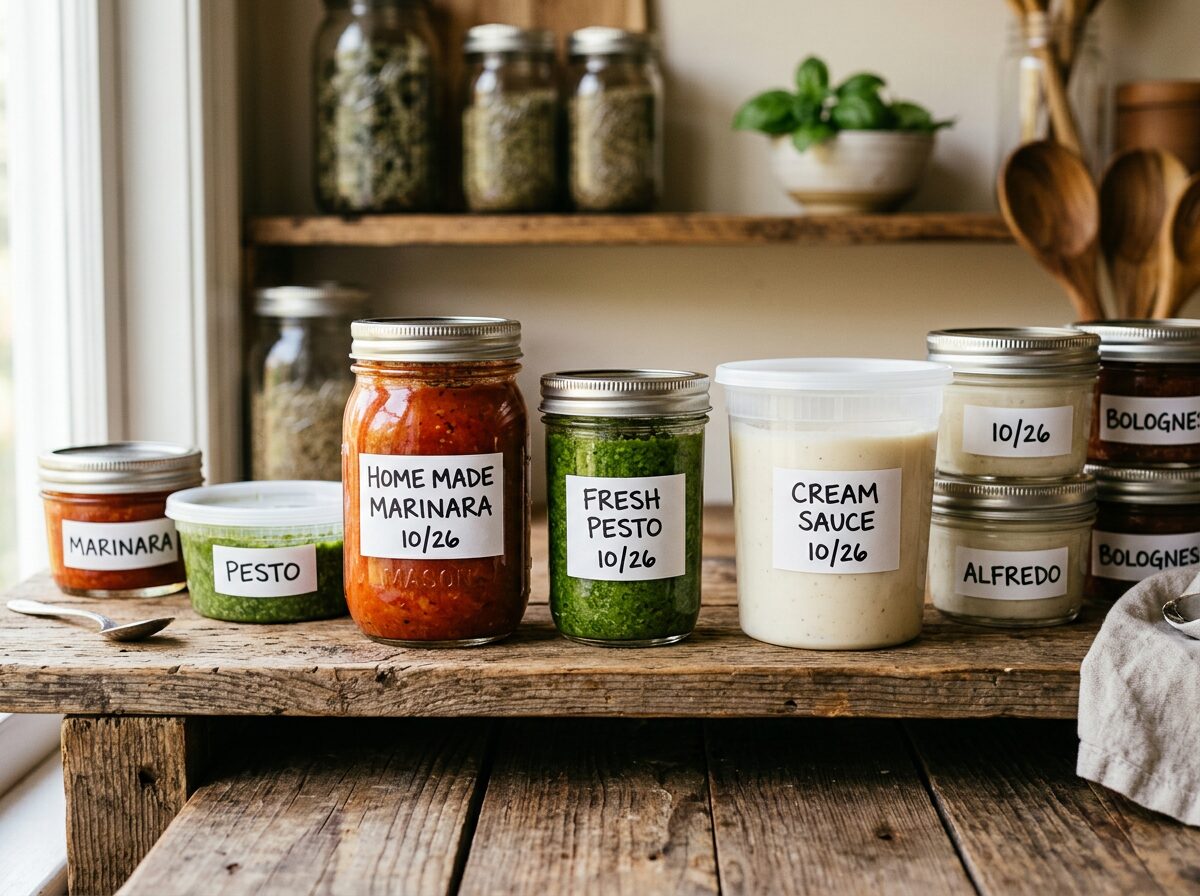
Freezing Sauces 101: Best Methods to Preserve Flavor, Texture, and Quality
Learn how to freeze sauces the right way. Discover tips on storage, thawing, and which sauces freeze best to keep flavors fresh and textures perfect.
Worcestershire Sauce vs. Soy Sauce: Flavor, Uses, and Substitutes Compared
Compare Worcestershire sauce and soy sauce—flavor, cooking uses, substitutes, and when to use each for the best results in your recipes.
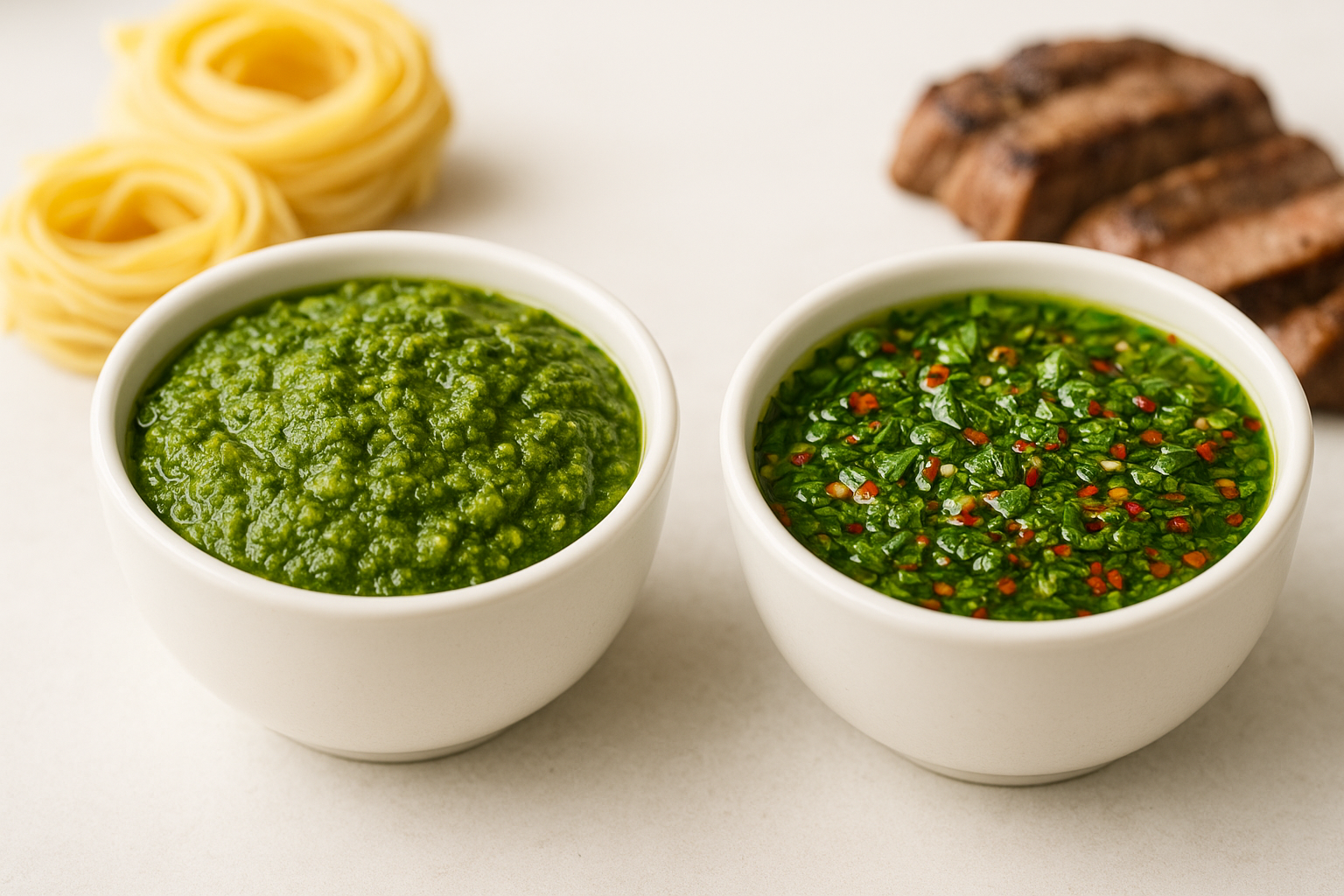
Pesto vs. Chimichurri: Comparing Herb Sauces for Pasta, Meat, and More
Pesto and chimichurri are bright, herbal sauces with different uses. Learn differences, best pairings, and how to choose the right one for your dish.
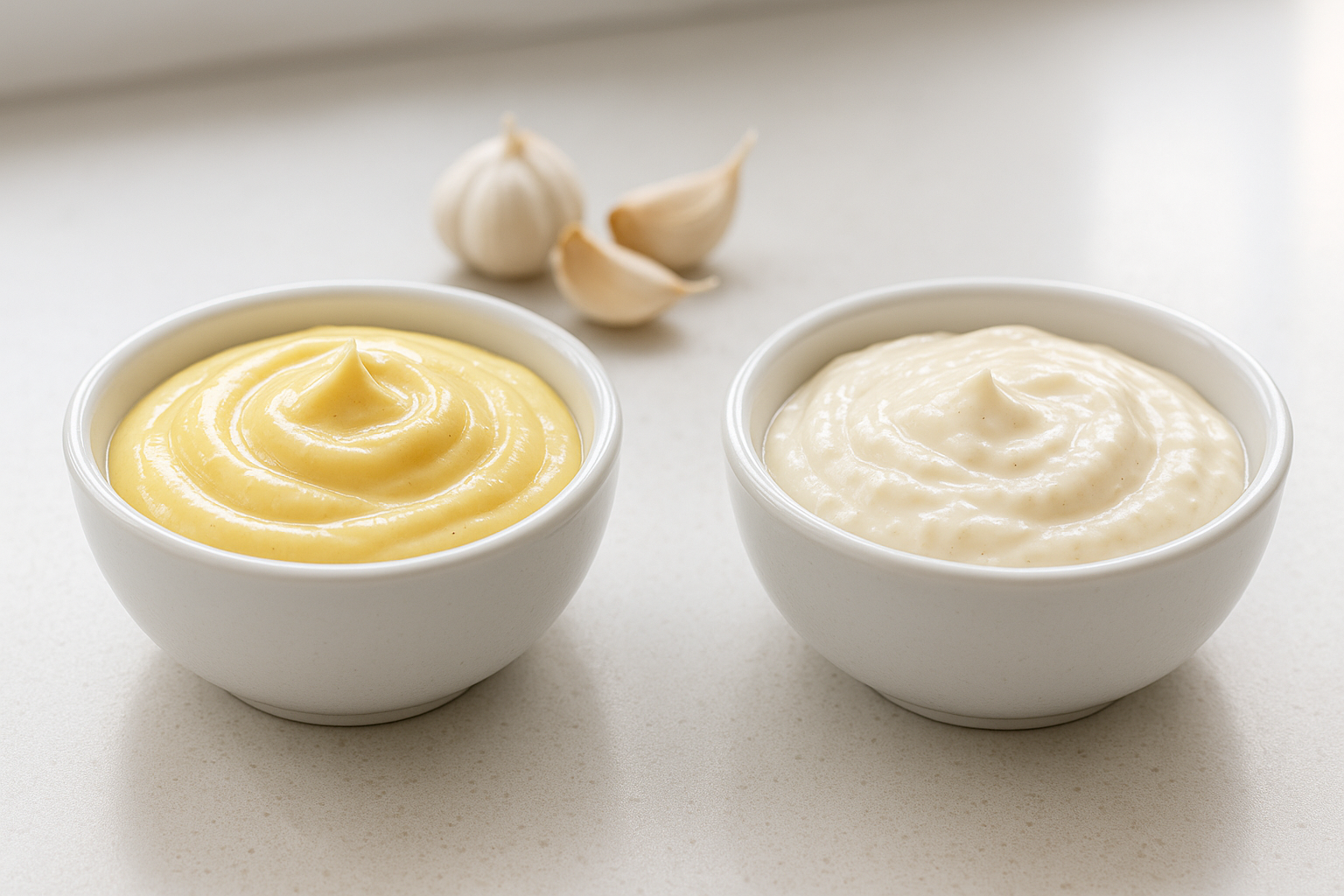
Aioli vs. Garlic Mayo: What’s the Real Difference in These Creamy Sauces?
Discover how aioli and garlic mayo differ in ingredients, flavor, and uses. Learn when to use each sauce for the perfect creamy, garlicky kick.