Ponzu vs. Soy Sauce: Key Differences and How to Use Each in Cooking
Discover the differences between ponzu and soy sauce, how they impact flavor, and when to use each for the best results in your recipes.
Written by FoodieManiac
With over 8 years of sauce-making experience, I've tested hundreds of techniques and products to bring you practical, reliable advice. Learn more about me →
Understanding Ponzu and Soy Sauce: Origins and Basics
Ponzu and soy sauce are indispensable staples in Japanese cuisine, each bringing unique flavors and culinary possibilities. While soy sauce is a globally ubiquitous seasoning, ponzu occupies a more specialized niche. Understanding their production, characteristics, and traditional uses is essential for making the most of each sauce in your kitchen.
Soy Sauce: Fermented Umami Powerhouse
Soy sauce (shoyu) results from fermenting soybeans and wheat with koji mold (Aspergillus oryzae), salt, and water for months. The fermentation process, typically lasting 6-18 months at 20-30°C (68-86°F), develops deep umami, saltiness, and a touch of sweetness. There are several types, but the most common is koikuchi, which is dark, balanced, and perfect for everyday cooking.
Ponzu: The Bright, Citrus-Infused Sauce
Ponzu is a tangy, citrus-based sauce made by infusing soy sauce with yuzu or sudachi juice, mirin, rice vinegar, and dashi (Japanese soup stock). The mixture is gently simmered at 70-80°C (158-176°F) for 5-10 minutes to meld flavors, then cooled and strained. The result is a thinner, brighter, and more complex condiment with a distinct citrus punch layered over savory depth.
Key Differences: Ingredients, Flavor, and Texture
Ingredient Breakdown
- Soy Sauce: Soybeans, wheat, salt, water, koji mold.
- Ponzu: Soy sauce (or tamari), citrus juice (yuzu, lemon, or sudachi), mirin, rice vinegar, and dashi.
Soy sauce is pure fermented goodness, while ponzu is a blend that always includes an acidic citrus note and often the umami boost of dashi.
Flavor Profile
- Soy Sauce: Salty, rich umami, slightly sweet, with roasted and earthy notes.
- Ponzu: Tangy, lightly salty, complex umami, with refreshing citrus acidity and subtle sweetness.
Ponzu’s tartness and delicate aroma set it apart, making it ideal for dishes needing brightness as well as depth.
Texture and Appearance
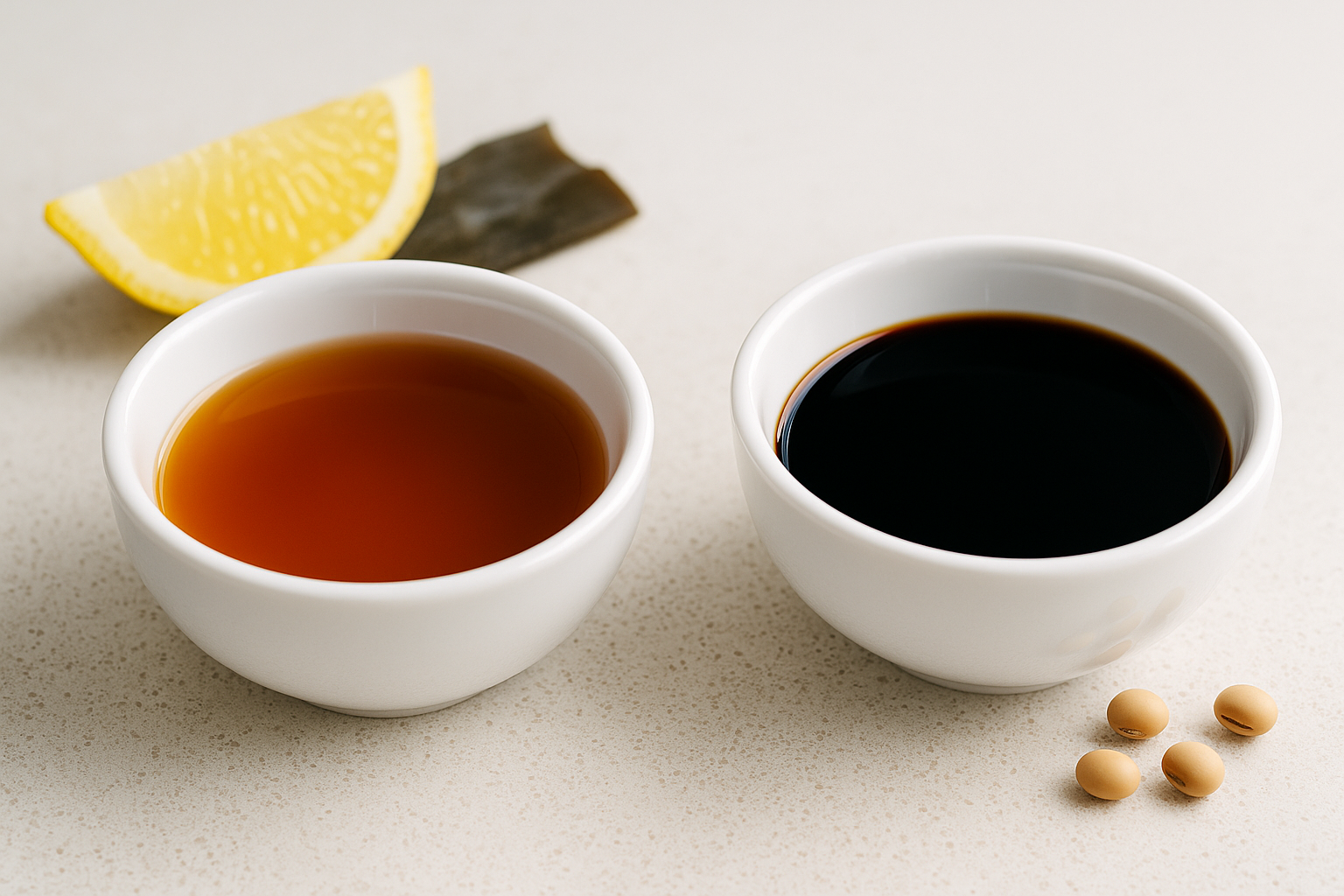
Soy sauce is viscous and dark brown, coating foods well. Ponzu, by contrast, is thinner, paler, and more translucent due to the addition of citrus and vinegar.
How to Use Soy Sauce in Cooking
Best Uses for Soy Sauce
Soy sauce’s robust umami and saltiness make it a foundational ingredient for marinades, stir-fries, braises, and dipping sauces. It excels at seasoning proteins, vegetables, and grains, and is the backbone of many classic recipes.
- Stir-fries: Add 1-2 tablespoons per 500g vegetables or protein. Stir in over high heat (200-220°C / 400-430°F) for 2-3 minutes toward the end of cooking to retain aroma.
- Marinades: Combine 4 tablespoons soy sauce, 2 tablespoons oil, 1 tablespoon sugar, and aromatics for 1 pound (450g) protein. Marinate chicken or beef for 30 minutes to 2 hours in the fridge.
- Braising: Use 2-4 tablespoons per cup (240ml) of braising liquid. Simmer meats at a gentle 90°C (194°F) for 1-2 hours until tender.
- Dipping sauce: Mix 2 parts soy sauce with 1 part rice vinegar and a few drops of sesame oil for dumplings or sushi.
If you love sauces that enhance umami, check out our Authentic Hungarian Paprika Sauce or try a Homemade Creamy Parmesan Peppercorn Dressing for a Western twist.
Tips for Cooking With Soy Sauce
- Add Gradually: Start with less than you think you need; you can always add more. Over-salting is a common mistake. If you go overboard, learn how to fix over-salted sauces with chef-approved techniques.
- Use as a Seasoning, Not Just a Sauce: A splash can boost stews, salad dressings, or even pan sauces for meat and veggies. For fast finishing, see How to Make 5-Minute Pan Sauces.
- Temperature Considerations: Avoid boiling soy sauce for extended periods - high heat can drive off its aroma and create bitterness. Add it during the last stages of cooking or use as a finishing drizzle.
How to Use Ponzu in Cooking
Best Uses for Ponzu
Ponzu’s lively citrus flavor shines in raw, lightly cooked, or cold dishes where its acidity can balance fat, highlight freshness, or cut richness. It’s the classic dip for sashimi, shabu-shabu, and tempura, but its uses extend well beyond Japanese cuisine.
- Dipping Sauce: Serve ponzu straight or with finely grated daikon and scallions as a dip for dumplings, grilled meats, or fried foods. Use 2-3 tablespoons per portion.
- Salad Dressing: Whisk 3 tablespoons ponzu with 1 tablespoon neutral oil and a teaspoon sesame oil for a zesty vinaigrette. Toss with 4 cups (100g) of mixed greens just before serving.
- Ceviche and Crudo: Replace lime juice with ponzu for a Japanese twist. Marinate thinly sliced fish in 2-3 tablespoons ponzu per 100g for 5-10 minutes at fridge temperature (4°C/39°F).
- Glazing and Finishing: Brush ponzu on grilled salmon or chicken during the last minute of cooking at 200°C (400°F) for a glossy, tangy finish.
For more global sauce inspiration, try our Authentic Italian Salsa Verde or Peruvian Aji Verde Sauce - both offer fresh, vibrant contrasts similar to what ponzu brings to Japanese dishes.
Tips for Cooking With Ponzu
- Don’t Overcook: Ponzu’s bright flavors dissipate with high heat. Always add after cooking or use as a cold marinade.
- Balance Acidity: If ponzu tastes too sharp, add a half teaspoon of honey or mirin per 2 tablespoons, or dilute with water to taste.
- Use for Deglazing: Splash ponzu into a hot pan (off the heat) to pull up fond after pan-searing fish or steak, then whisk in butter for a quick sauce.
For more deglazing tips and pan sauce ideas, read our expert guide on Deglazing for Flavor: How to Make Restaurant-Quality Pan Sauces at Home.
Can You Substitute Ponzu for Soy Sauce, or Vice Versa?
While both sauces share a soy base, they’re not directly interchangeable. Ponzu’s acidity and sweetness can overwhelm recipes designed for pure soy sauce, and soy sauce alone can leave dishes flat where ponzu’s citrus sparkle is needed.
- To mimic ponzu with soy sauce: Mix 2 tablespoons soy sauce, 1 tablespoon lemon juice, 1 teaspoon rice vinegar, and 1 teaspoon mirin.
- To tone down ponzu if subbing for soy sauce: Dilute ponzu with a little water (1:1) and reduce any other acidic ingredients in your recipe.
Experiment with ratios and always taste before adding more - sauces are powerful. For creative substitutions and quick flavor boosts, see our guide to 3-ingredient sauces.
Pairing Ponzu and Soy Sauce With Food
Soy Sauce Pairings
- Proteins: Chicken, beef, pork, tofu, oily fish (like salmon or mackerel).
- Vegetables: Broccoli, bok choy, mushrooms, eggplant.
- Grains: Rice, noodles, even as a seasoning in fried rice.
Soy sauce is a core flavor in stir-fries and marinades. For more ways to pair sauces with rice, consult Best Sauces for Rice: 13 Flavorful Pairings.
Ponzu Pairings
- Seafood: Sashimi, grilled fish, shrimp, ceviche, oysters.
- Poultry: Cold poached chicken, grilled chicken skewers.
- Vegetables: Steamed asparagus, blanched green beans, grilled zucchini.
- Fried Foods: Tempura, fried tofu, spring rolls.
Ponzu works especially well as a finishing drizzle or dipping sauce for foods that benefit from acidity and brightness.
How to Make and Store Homemade Ponzu and Soy Sauce
Homemade Ponzu Recipe
- 1/2 cup soy sauce
- 1/4 cup fresh lemon or yuzu juice
- 2 tablespoons mirin
- 2 tablespoons rice vinegar
- 1 tablespoon dashi (or water if unavailable)
Combine all ingredients in a small saucepan. Heat gently at 75°C (167°F) for 5 minutes. Cool, strain, and store in a clean glass jar in the refrigerator for up to 2 weeks. For longer shelf life tips, see our sauce shelf life guide and how to can sauces safely at home.
Storing Soy Sauce
Unopened soy sauce keeps for up to 2 years at room temperature. Once opened, store in a cool, dark place or refrigerate for best flavor retention - especially if using high-quality or unpasteurized shoyu. Always check for cloudiness or off smells if it's been open for over 6 months.
When to Choose Soy Sauce or Ponzu in Your Cooking
Choose Soy Sauce When You Want:
- Deep umami and saltiness for braises, marinades, stir-fries, and hearty sauces.
- Base seasoning for stews, gravies, and pan sauces; try it in Copycat Popeyes Cajun Gravy or as part of a marinade for Homemade Jamaican Jerk Marinade for Grilling.
Choose Ponzu When You Want:
- Bright acidity for raw or simply cooked seafood, salads, or fried foods.
- A finishing drizzle that cuts through richness or adds complexity; try it on grilled vegetables (see Best Sauces for Grilled Vegetables for more inspiration).
If you want to explore other global finishing sauces, try our Authentic Romesco Sauce Recipe or the classic Authentic Argentine Chimichurri Sauce Recipe.
Final Expert Tips for Using Ponzu and Soy Sauce
- Layer Flavors: Use soy sauce as a base seasoning during cooking, and finish with ponzu for brightness at the end.
- Watch the Salt: Both are salty; balance with sugar, mirin, or a touch of water when using large amounts.
- Try Fusion: Combine ponzu with mayonnaise for a quick dip (2 parts mayo to 1 part ponzu) or add soy sauce to vinaigrettes for umami depth. Mix up your salad dressings with ponzu or check out our 5-minute salad dressing guide.
- Pair Thoughtfully: Match soy sauce to deeper, cooked flavors and ponzu to raw or light foods.
Mastering both ponzu and soy sauce will dramatically expand your flavor toolkit. Use these sauces with intention, and you’ll discover new dimensions in everything from classic Japanese dishes to creative global recipes.
TAGS
Related Articles
How to Make 3-Ingredient Sauces: Fast, Flavorful Recipes for Any Meal
Discover easy 3-ingredient sauces you can whip up in minutes to elevate any dish—perfect for quick weeknight meals and busy home cooks.
How to Make 3-Ingredient Sauces in Under 5 Minutes (With Recipes)
Discover easy 3-ingredient sauces you can whip up in 5 minutes or less. Perfect for busy cooks—includes quick recipes and pairing tips.
Best Sauces for Pork: 12 Perfect Pairings for Chops, Tenderloin, and More
Discover 12 delicious sauces that pair perfectly with pork chops, tenderloin, ribs, and roasts. Elevate every pork dish with these expert sauce ideas.
Worcestershire Sauce vs. Soy Sauce: Flavor, Uses, and Substitutes Compared
Compare Worcestershire sauce and soy sauce—flavor, cooking uses, substitutes, and when to use each for the best results in your recipes.