Why Your Homemade Chimichurri Sauce Turns Bitter: Common Mistakes and Fixes
Is your chimichurri sauce turning out bitter? Learn the common mistakes home cooks make and the simple fixes for a vibrant, balanced flavor every time.

Written by FoodieManiac
With over 8 years of sauce-making experience, I've tested hundreds of techniques and products to bring you practical, reliable advice. Learn more about me →
Why Does Chimichurri Turn Bitter? (And Why It Drove Me Nuts for Years)
I remember the first time I made chimichurri from scratch. I was so pumped - fresh parsley, garlic, olive oil, a splash of red wine vinegar. I blitzed it all together, dipped in a spoon, and... yikes. It tasted like lawn clippings mixed with aspirin. Bitter, sharp, and not at all the magical green sauce I’d fallen for at my local Argentinian spot.
Honestly, I blamed the recipe. Then I tried another, and another. Same story. Turns out, chimichurri is one of those sauces that punishes shortcuts and slips. But once you know the traps, it’s actually dead simple - and you can get that fresh, punchy flavor every time. Here’s what I’ve learned from a decade of trial, error, and a lot of bitter parsley sauce.
The Usual Suspects: What Makes Chimichurri Bitter?
Chimichurri should taste grassy, garlicky, bright, and a little tangy. Bitter? Never. But there are a few classic mistakes I see (and have made myself) that can ruin the whole batch.
#1: The Food Processor Trap
I get it - chopping herbs by hand is a pain, and if you’re in a rush, the food processor seems like a gift from the sauce gods. But here’s the brutal truth: if you blitz parsley (or cilantro, or basil) too much, you’re basically bruising it to death. That releases bitter compounds from the leaves and stems. If you’ve ever noticed your chermoula or mint chutney turning a little sharp, the same thing is probably happening.
So, do you have to chop everything by hand? Not always. But if you do use a processor, pulse in short bursts and stop as soon as things look minced - don’t let it turn into a paste. I learned this the hard way (more than once) and now I only use a processor if I’m making a huge batch for a party.
#2: Using Old, Tough Parsley
Fresh, flat-leaf parsley is the soul of chimichurri. But not all parsley is created equal. If it’s been hanging out in your fridge for a week, or it’s got thick, woody stems, it’ll taste tough and bitter. Same goes for curly parsley - I’ve tried it in a pinch, and it’s just not the same.
If you can, grab fresh bunches with bright green leaves and thin stems. Honestly, don’t stress about organic vs. regular - just get the freshest you can find. And if you want to use up that sad parsley in the back, maybe toss it into a cooked sauce (like this Carolina Gold BBQ sauce) instead.
#3: Too Much Garlic (Or Old, Sprouted Garlic)
Raw garlic is a must for chimichurri, but there’s a fine line between punchy and harsh. If you use too many cloves, or if your garlic is old and starting to sprout, you’ll end up with a sharp, sometimes bitter aftertaste. Been there, regretted that sandwich.
Start with 1-2 medium cloves for a standard batch (about 1 cup of sauce). Taste, then add more if you’re a garlic fiend. If your garlic has a green sprout in the middle, slice it in half and pull that out - it’s the bitter part.
#4: Cheap Olive Oil (Or the Wrong Kind)
I’m not a purist about fancy olive oils most of the time - store brand is fine for vinaigrettes or even for my roasted jalapeño ranch. But for chimichurri, the oil is front and center. Super cheap or “light” olive oils can taste metallic, flat, or bitter.
Use a mid-tier extra virgin olive oil. It doesn’t have to be $30 a bottle, but if you wouldn’t dip bread in it, don’t use it here. If you’re out of olive oil, a good-quality avocado oil actually works surprisingly well and won’t make the sauce bitter.
#5: Over-Blending Vinegar or Lemon Juice
This one surprised me. If you add vinegar or lemon juice to the processor with your herbs and blitz, you can actually speed up the oxidation that makes everything taste weird and bitter. I learned this after reading way too many sauce science articles and ruining a whole pitcher’s worth of sauce. Now, I just stir in the acid at the end.
#6: Stems - Friend or Foe?
Some recipes say to use just the leaves. Others tell you to chop the stems, too. Here’s my take: the top third of flat-leaf parsley stems are tender and flavorful. The bottom, thick part? That’s where the bitterness lives. I pick off the leaves and chop the top stems, but toss the thick bottoms in the compost. If you’re in a rush, just avoid the largest stems and call it good.
Tested Tips
- Chop by hand (mostly): If you want classic, bright chimichurri, take 5 extra minutes and chop the parsley and garlic with a sharp knife. I tried shortcuts, but nothing beats the texture and flavor. If you must use a processor, pulse in 1-second bursts and stop as soon as it’s finely chopped - not mushy.
- Good oil = good sauce: If your olive oil tastes harsh on its own, it’ll taste even worse once mixed. Use a mid-range extra virgin olive oil, or try avocado oil for a milder flavor. If you accidentally use a bitter oil, add a pinch of sugar and a splash more vinegar. It won’t be perfect, but it’ll help.
- Don’t skip the salt: Chimichurri needs salt to balance bitterness. Start with 1/2 teaspoon kosher salt per cup of sauce. Taste, then add more if needed. You can’t un-salt, so go slow. If you overdo it, a splash of water or oil can mellow things out.
- Let it rest (but not too long): I like my chimichurri best after 30-60 minutes of resting at room temp. The flavors meld, but the herbs stay fresh. I’ve left it overnight and it turns dull and sometimes more bitter. If you need to keep it longer, check out freezing tips here.
- Add acid at the end: Always stir in vinegar or lemon juice after chopping the herbs. If you blend acid with herbs, you risk extra bitterness and a muddy color. If your sauce already got too sharp, mix in a teaspoon of honey or a little more oil.
- Check your garlic: Raw garlic can get wild fast. Use fresh, firm cloves, and remove the green sprout in the center. If you over-garlic it, mince some extra parsley and stir it in - it’ll mellow out after 10 minutes.
The Easy Version: Is It Really “Wrong”?
Sometimes you need chimichurri in five minutes. I’ve absolutely tossed everything in a mini chopper, pulsed a few times, and called it a day. As long as you go easy and don’t turn it into green baby food, it’s honestly fine for a weeknight grill or even as a dip (like this jalapeño cilantro dip). The flavor might be a little punchier, but it’ll still beat most bottled dressings by a mile.
But if you’re after that restaurant-level, can’t-stop-eating-it sauce, hand-chopping is worth the extra five minutes. Trust me.
Fixing Bitter Chimichurri: What to Do When You’ve Messed Up
So you’ve made a batch and it’s bitter. Don’t panic - I’ve been there way too many times. Here’s what works (and what doesn’t):
- Stir in more oil: Olive oil can smooth out harsh notes. Add a tablespoon at a time, tasting as you go.
- Add a pinch of sugar or honey: Just a small pinch can round out the bitterness, but don’t overdo it or it’ll get weirdly sweet.
- More acid: Sometimes a splash more vinegar can balance things out. Red wine vinegar is classic, but white wine vinegar or lemon juice are fine.
- Extra parsley: Chop another handful and fold it in. This dilutes the bitter stuff and brings back freshness.
- Don’t cook it: Chimichurri gets more bitter if heated. If you want a warm sauce, spoon it over hot steak or veggies right before serving.
What About Storing Chimichurri?
Chimichurri is best within the first day. After 24 hours, the color dulls and the flavor can get sharper. If you need to keep it, pour a thin layer of olive oil over the top and store in the fridge for up to 3 days. If it separates or gets watery, just give it a good stir. For longer storage, freezing actually works way better than I expected - check out Freezing Sauces 101 for details.
And if your sauce comes out watery or separates in the fridge, you’re not alone. I’ve written about why that happens and how to fix it in this guide.
Chimichurri Variations (If You Want to Mix It Up)
Chimichurri is endlessly riffable. I’ve thrown in a handful of cilantro, a pinch of chili flakes, even a spoonful of mango habanero BBQ sauce for a wild twist. Want to go classic? Try my Authentic Argentine Chimichurri Sauce Recipe. If you love green sauces in general, check out Aji Verde or Salsa Verde for different flavor vibes.
And if you’re in the mood for a creamy, herby sauce instead, my Avocado Cilantro Lime Crema is a winner on grilled veggies and tacos.
Final Sauce Thoughts (From Someone Who’s Ruined a Lot of Chimichurri)
Chimichurri isn’t hard, but it is sensitive. The biggest pitfalls are over-processing, old herbs, and cheap oil. Chop by hand if you can, use fresh stuff, and don’t stress if it’s not picture-perfect - it’ll still taste like summer on a plate. And if it comes out bitter, you’re not alone. I’ve been there, and I promise, you’ll nail it next time.
Want to get nerdy about sauce science or troubleshoot other condiment fails? I’ve got a guide on why tzatziki turns watery and how to fix vinaigrettes that are too sour here.
Happy sauce making - and if you have a secret tip for killing bitterness, let me know. I’m always learning (and still making mistakes) in my own kitchen!
TAGS
Related Articles
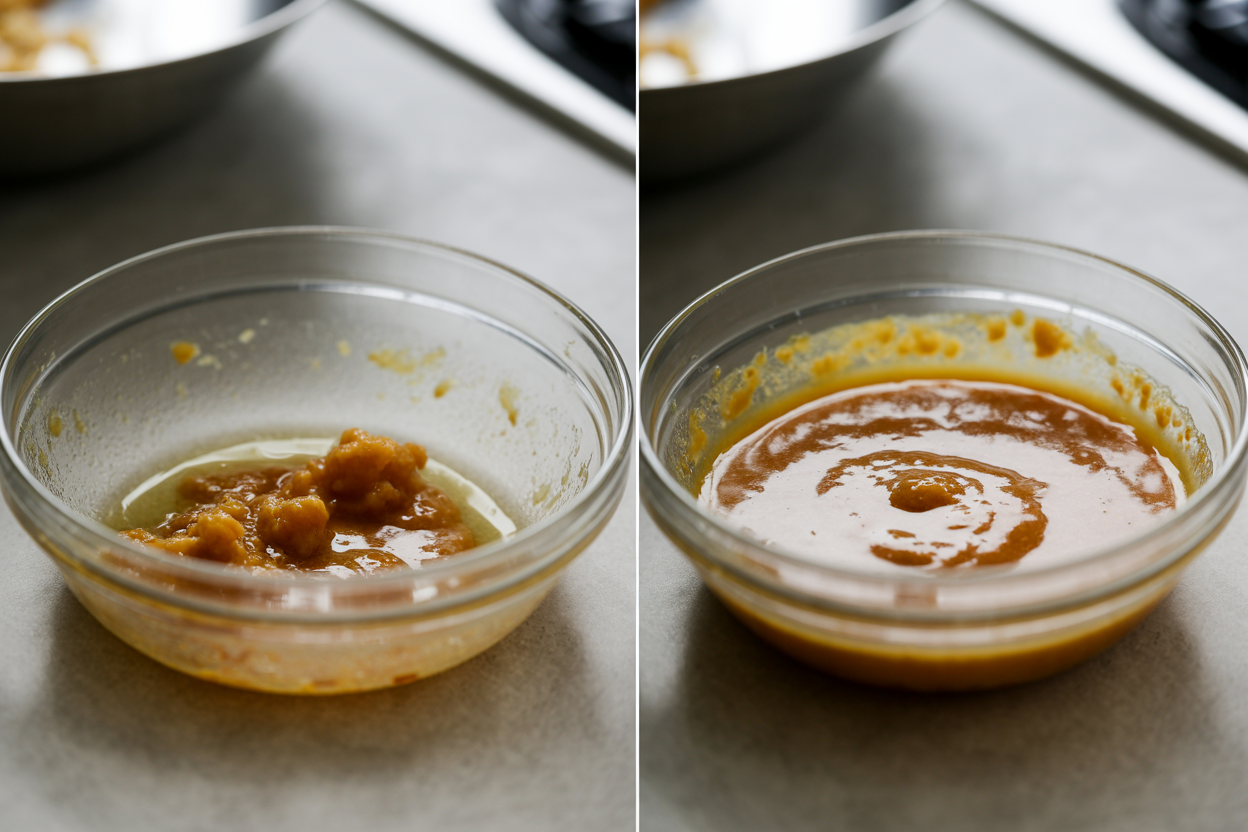
How to Fix a Broken Sauce (Complete Guide)
Learn how to rescue broken, split, or curdled sauces! This comprehensive guide covers mayo-based, cream sauces, hollandaise, and more. Save your sauces from disaster with these expert techniques.
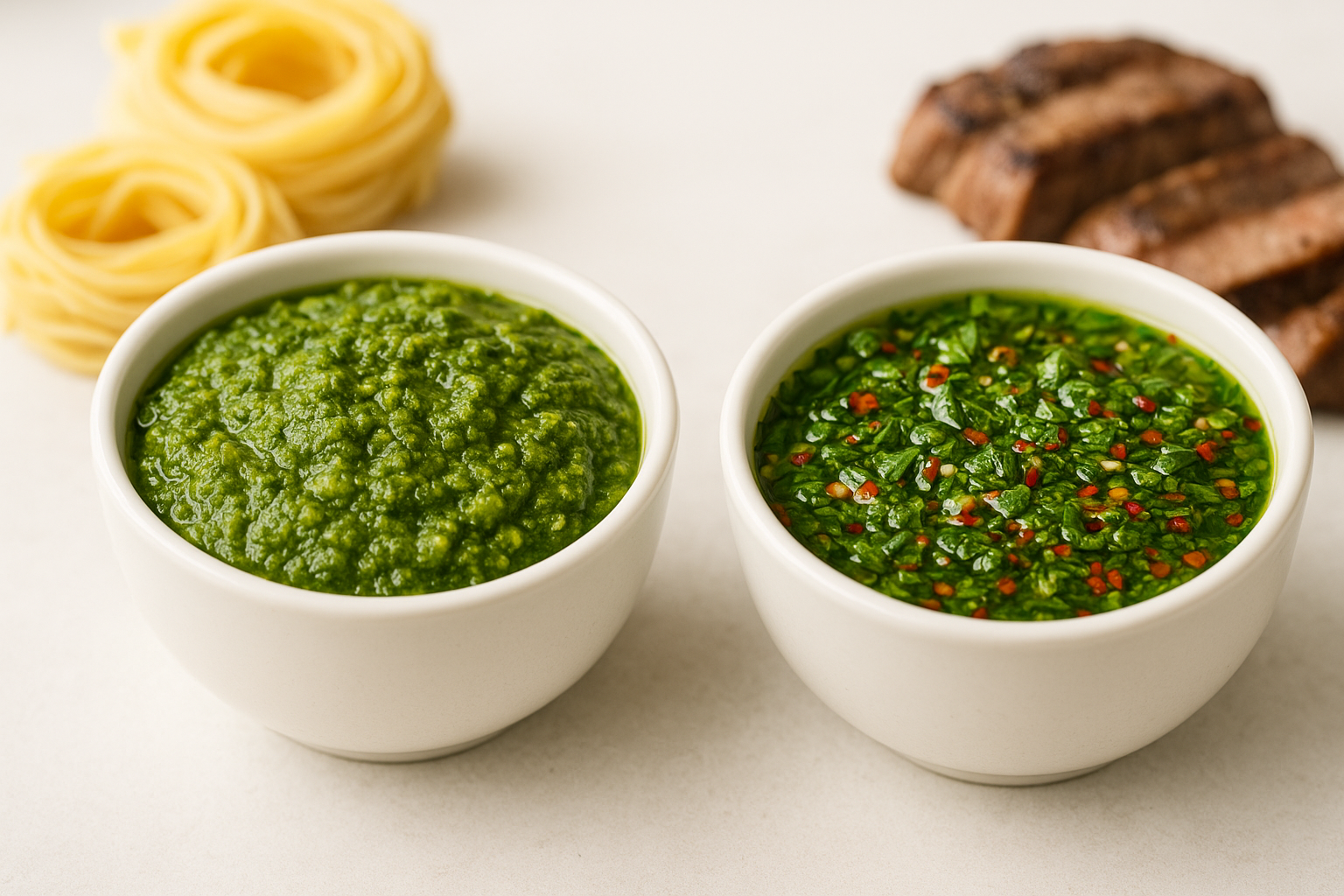
Pesto vs. Chimichurri: Comparing Herb Sauces for Pasta, Meat, and More
Pesto and chimichurri are bright, herbal sauces with different uses. Learn differences, best pairings, and how to choose the right one for your dish.
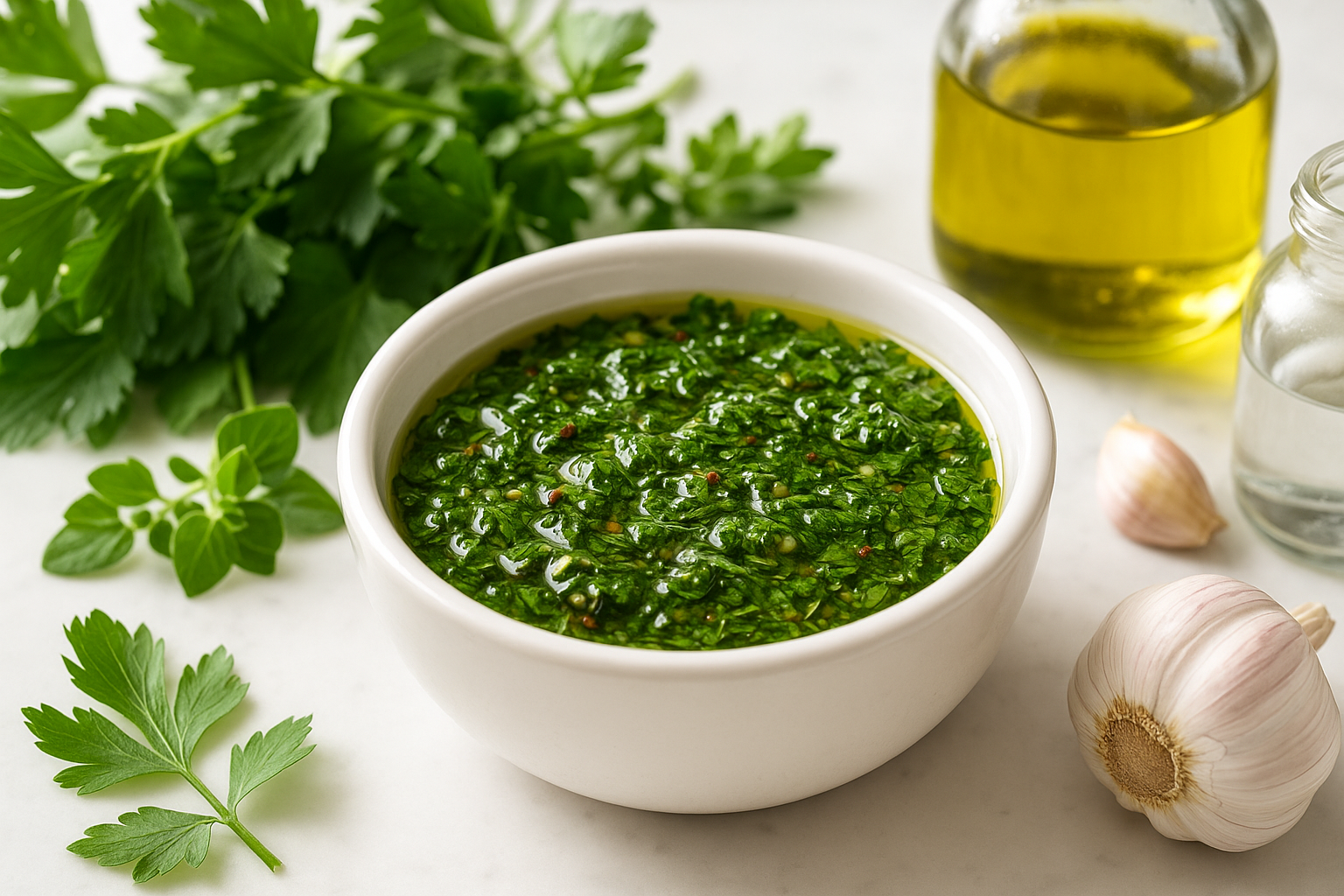
How to Make Chimichurri Sauce: Argentina’s Classic Herb Condiment
Learn how to make authentic chimichurri sauce with fresh herbs, garlic, and vinegar - plus pairing tips for steak, chicken, and vegetables.
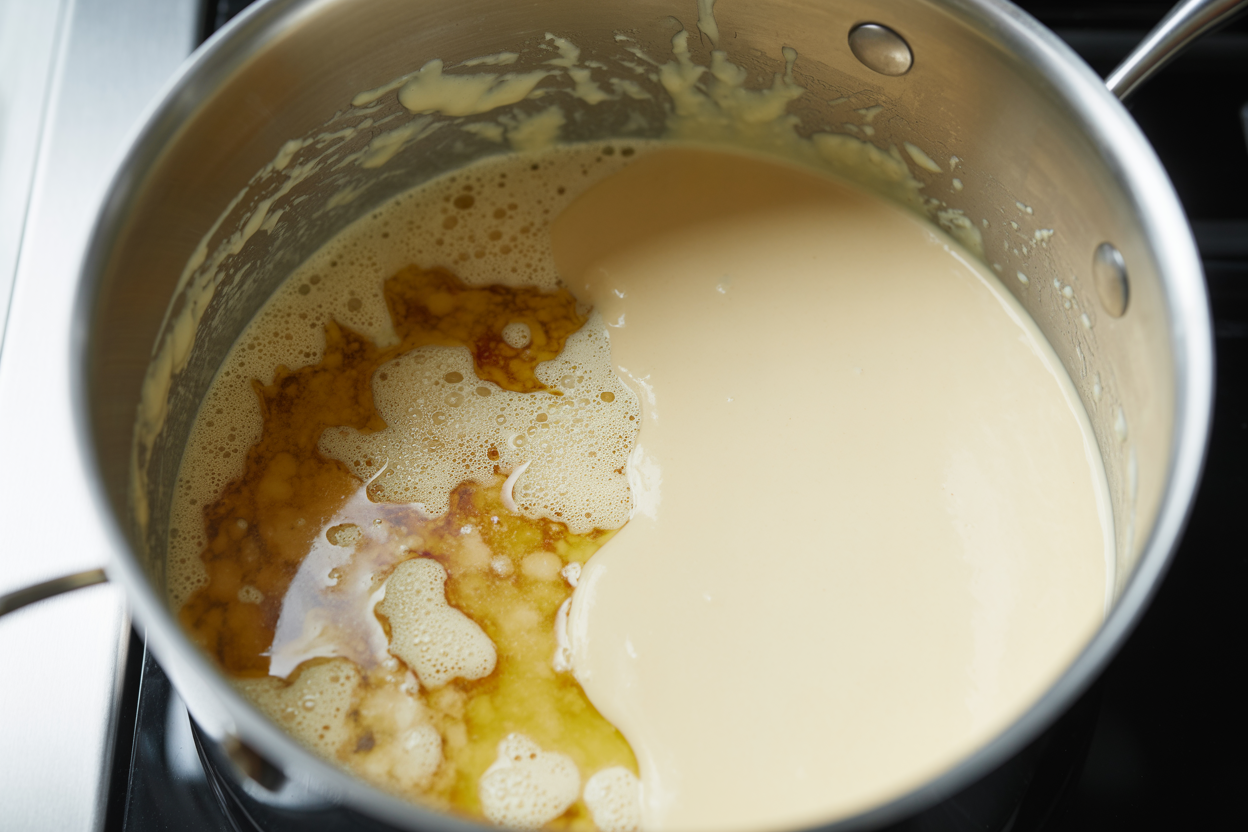
Why Sauces Break (And How to Prevent It Every Time)
A practical breakdown of every way a sauce can fail - split cream sauces, seized chocolate, curdled eggs, separated vinaigrettes - and the specific kitchen habits that prevent each one.