Why Your Vinaigrette Turns Cloudy in the Fridge: Causes and Simple Fixes
Frustrated by cloudy vinaigrette after chilling? Learn what causes it, how to fix it, and simple tips to keep your salad dressings clear and delicious.

Written by FoodieManiac
With over 8 years of sauce-making experience, I've tested hundreds of techniques and products to bring you practical, reliable advice. Learn more about me →
Why Does My Vinaigrette Get Cloudy in the Fridge?
Okay, so you finally made a gorgeous vinaigrette - maybe lemony, maybe with a little Dijon and honey, maybe you even used the good olive oil. You pour it into a jar, stick it in the fridge, and the next day: it looks weird. Cloudy, thick, and sometimes there are little white blobs floating around. I’ve opened my fridge more times than I can count and thought, “Did this go bad?” Spoiler: probably not. Let’s dig into what’s actually happening, why it looks so different, and how to get it back to its glossy self.
The Science (But Kitchen-Style)
I’m not a food scientist, but after hundreds of vinaigrettes and, honestly, a lot of confusion, here’s what I’ve learned: The cloudiness is mostly about temperature and the kind of oil you use. When you put olive oil (or most unrefined oils) in the fridge, it solidifies a bit. That’s why it goes from clear and golden to murky and thick. This is especially true with extra virgin olive oil - the stuff that tastes amazing, but turns vinaigrettes into salad sludge when cold.
If you’ve ever made a garlicky vinaigrette and found it extra thick after chilling, you’re not alone. Garlic and mustard both help emulsify (blend) the oil and vinegar, but cold temps can still make that emulsion look... off. It’s like the whole thing gets sluggish and clumpy, even if it tasted perfect when fresh.
Is My Cloudy Vinaigrette Safe to Eat?
Short answer: Yes, as long as you started with fresh ingredients and it doesn’t smell funky (here’s what to do if your sauce smells off). Cloudiness or separation doesn’t mean it’s spoiled. It’s just the oil reacting to the cold. If you see actual mold, or it smells sour in a bad way (not just vinegar-y), toss it. Otherwise, you’re good to go.
What Actually Happens in the Fridge?
Oil Solidifies
Most store-bought vinaigrettes use oils that stay liquid even when cold, or they add stabilizers. At home, if you use real olive oil, grapeseed, or walnut oil, expect some cloudiness or even a semi-solid layer. I’ve pulled jars from the fridge that looked like someone added a scoop of Crisco. It’s always a little alarming, but it’s just the oil’s natural fats clumping up.
The Emulsion Gets Weak
Vinaigrette is basically oil and vinegar forced to get along. They want to separate. When you shake or whisk them, you’re making a temporary truce. But give it a few hours in the fridge, and the oil and vinegar often split up again. Sometimes you get layers, sometimes weird blobs, sometimes both. Totally normal. If you’ve ever made toum or Big Mac sauce, you know emulsions can be picky.
Cloudiness from the Acid
Some vinegars and citrus juices have proteins or pectins that can get cloudy when chilled. This isn’t as dramatic as the oil, but if you use fresh lemon juice or a raw cider vinegar, you might notice more haze than with clear, filtered white wine vinegar.
How to Fix Cloudy Vinaigrette (or At Least Make It Look Normal Again)
Here’s what works for me, after way too many salad experiments:
Let It Warm Up
Take the vinaigrette out of the fridge 20-30 minutes before you want to use it. The oil will liquefy again, and the cloudiness usually disappears. Sometimes I forget and end up cupping the jar in my hands like a desperate soup commercial - it works, but you look a little silly.
Shake Like You Mean It
Even if you see layers or blobs, shake the jar hard for 20 seconds. Or whisk it in a bowl. It’ll become a proper emulsion again. Sometimes you need to poke the solid oil with a fork first to break it up. I’ve actually dropped a jar because I shook it so hard (RIP, blue cheese vinaigrette), so maybe hold it over the sink.
Add a Little Warm Water
This is a trick I picked up while making creamy ranch dips and it works here too. Add a teaspoon of warm water to the cold vinaigrette, then shake. It helps the oil loosen up, and the emulsion reforms faster. Don’t add too much, or you’ll water it down.
Just Use It Cold
Honestly, if you’re tossing your salad right away, the vinaigrette will warm up as it hits the greens. It might look chunky for a second, but it’ll coat everything evenly. If you’re serving guests, I’d let it warm up first, but for a Tuesday lunch, I don’t care.
Why Does Olive Oil Get Cloudy, Anyway?
I went down a rabbit hole the first time I saw my “fancy” olive oil turn solid in the fridge. It’s because good extra virgin olive oil is full of natural waxes, fatty acids, and tiny bits of olive. These get thick when cold. Refined oils (like regular canola or “light” olive oil) don’t do this as much. So, if you want a vinaigrette that stays clear, use a neutral oil - but you lose some flavor. For me, it’s worth it to use the real stuff, even if it looks weird in the fridge.
What About Other Ingredients?
Mustard helps keep things emulsified, but it can’t fight the fridge. Honey does help - it acts as a binder and keeps the emulsion smooth longer. But nothing completely prevents cloudiness. Fresh herbs can get dark or soggy in cold vinaigrette, so if you want a bright green dressing, maybe blend them in right before serving (like I do with my aji verde sauce).
Will Cloudy Vinaigrette Taste Different?
Not really. Sometimes the first spoonful is a little thicker, but once it’s tossed with greens (or pasta, or roasted veggies), you won’t notice. If it’s separated, you might get a bite of pure oil or pure vinegar if you don’t remix, so always shake first. If you want to amp up the flavor, check out my guide to balancing sour vinaigrettes - I promise it helps.
How Long Does Homemade Vinaigrette Last in the Fridge?
Assuming you didn’t add fresh garlic or onions (which can get funky or even unsafe after a week), a basic vinaigrette keeps about 2 weeks in the fridge. If you add dairy or fresh herbs, use it up within 4-5 days. Always smell and taste before using. For more on safe sauce storage, my deep dive on freezing sauces is super useful.
Tested Tips
- The lid trick: If your vinaigrette is separating and you’re tired of shaking every time, store it in a jar with a really tight lid. I used to use cheap flip-top bottles, but the pressure from shaking popped them open and sprayed dressing all over my fridge. Mason jars or old mustard jars work best. If some oil still clumps, run the closed jar under warm tap water for 30 seconds, then shake.
- Don’t stress about the oil: If you want a vinaigrette that never clouds, use half canola and half olive oil. I fought against “bland” oils for years, but honestly, the difference is barely noticeable in most vinaigrettes, and it stays liquid even when cold. Save the high-end stuff for finishing or dipping bread.
- Whisk in a little Dijon: If your vinaigrette always splits, even at room temp, add 1/2 teaspoon Dijon mustard per cup of dressing. It keeps things smooth longer. I once made a mustard-free vinaigrette for a picky eater and it separated in five minutes. Lesson learned.
- Batch and freeze: If you make a huge batch, freeze half right away. Vinaigrettes freeze shockingly well (I was skeptical until I tried it). Pour into ice cube trays, freeze, then pop out what you need. More tips in this freezing guide.
- Don’t add fresh garlic for long-term storage: I love garlic, but if you’re making vinaigrette to keep for more than a few days, use garlic powder instead. Fresh garlic can develop a weird taste or, rarely, get unsafe if left in oil too long. This was a hard lesson after I ruined a week’s worth of dressing.
Vinaigrette Recipes That Play Nice in the Fridge
If you want a homemade dressing that’s a little more forgiving, try one of my creamy or blended ones. They stay smooth longer, and the added ingredients help prevent weird fridge separation. My Thermomix Creamy Roasted Garlic & Herb Salad Dressing is a fridge MVP, and so is this Copycat Chipotle Honey Vinaigrette (seriously, the honey helps so much).
If you want to branch out, try a punchy Moroccan Chermoula or a spicy Mango Habanero BBQ Sauce – both have a vinaigrette base and bring way more flavor to your salads or grilled meats.
What If I Want a Homemade Vinaigrette That Doesn’t Turn Cloudy?
You can cheat a little. Use a neutral oil (like grapeseed, sunflower, or half canola/half olive). Don’t refrigerate if you’ll use it in a day or two, but always refrigerate if you added fresh ingredients. If you want a vinaigrette that stays smooth even when cold, blend in a tablespoon of mayonnaise or Greek yogurt. It’s not classic, but it works - and I won’t tell if you don’t.
FAQ: Quick Answers for Real-Life Vinaigrette Problems
- Can I leave vinaigrette out overnight? If it’s just oil, vinegar, salt, and dried herbs, yes (I’ve done this many times). If you added garlic, fresh herbs, or dairy, always refrigerate.
- How do I fix a vinaigrette that’s too thick from the fridge? Warm it up or whisk in a teaspoon of warm water. Don’t microwave - it heats unevenly and can split the emulsion.
- Is cloudy vinaigrette safe? Yes, as long as it smells/tastes normal and there’s no mold. Cloudiness is just cold oil.
- Can I blend vinaigrette to fix the texture? Absolutely. I do this all the time if the oil refuses to remix. Stick blender or regular blender, 10 seconds, done.
What to Try Next
Once you’ve conquered vinaigrettes, the sauce world is your oyster. If you want to get fancy, try making Lebanese Muhammara or a Creamy Roasted Red Pepper Feta Dip – both are fridge-friendly and way more forgiving than vinaigrettes. Or, if your sauces always seem to get too thick or thin, check out why sauces get thick when cooled and how to fix thin pan sauces.
Most of all, don’t stress about cloudy vinaigrette. It’s a sign you used real ingredients. Give it a shake, pour it on, and enjoy. And if you find a trick I haven’t tried, let me know - I’m always up for another sauce experiment in my kitchen.
TAGS
Try These Recipes

Related Articles
How to Make Toum: Lebanon’s Creamy Garlic Sauce for Grilled Meats
Learn to make authentic Lebanese toum sauce at home. This fluffy garlic condiment is perfect for grilled meats, shawarma, and roasted veggies.
Deglazing Techniques: How to Build Deep Flavor in Pan Sauces
Master deglazing for rich, restaurant-quality pan sauces. Learn which liquids to use, timing tips, and how to extract maximum flavor from fond.
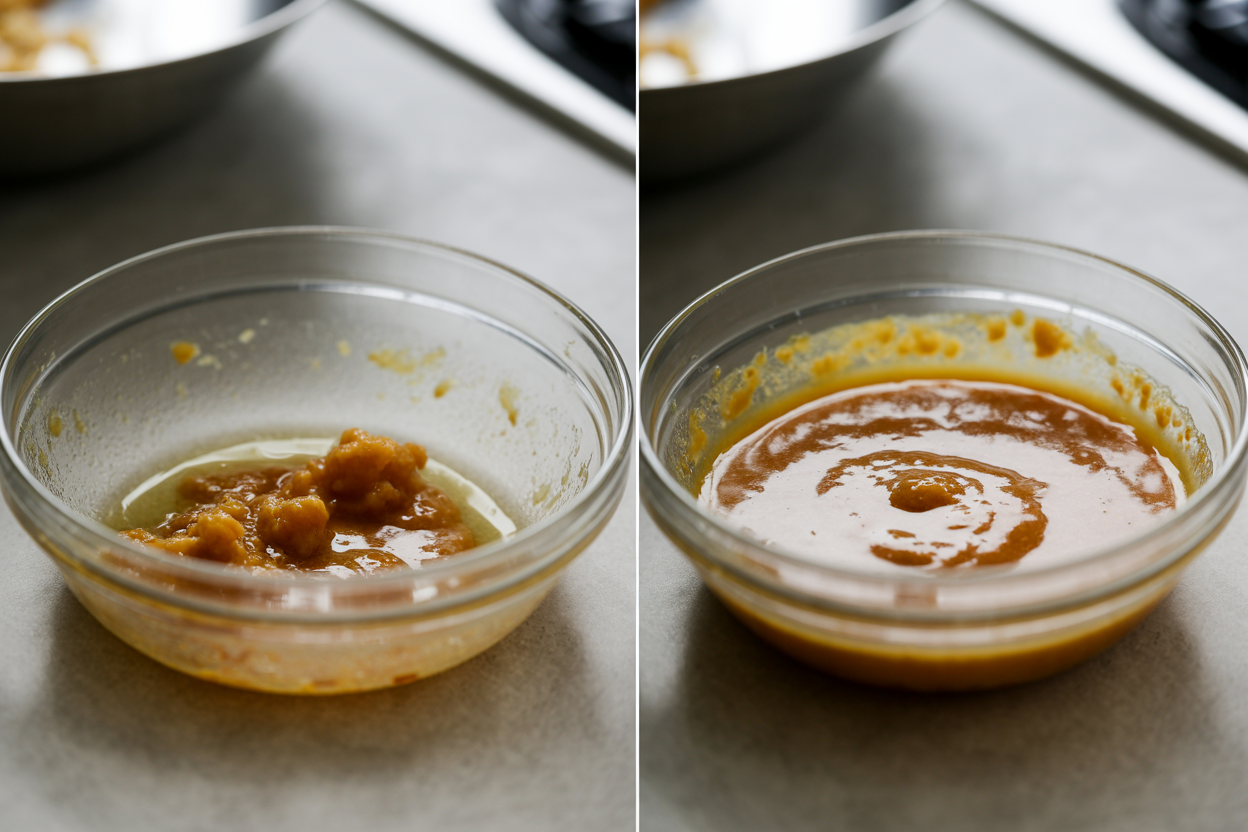
How to Fix a Broken Sauce (Complete Guide)
Learn how to rescue broken, split, or curdled sauces! This comprehensive guide covers mayo-based, cream sauces, hollandaise, and more. Save your sauces from disaster with these expert techniques.
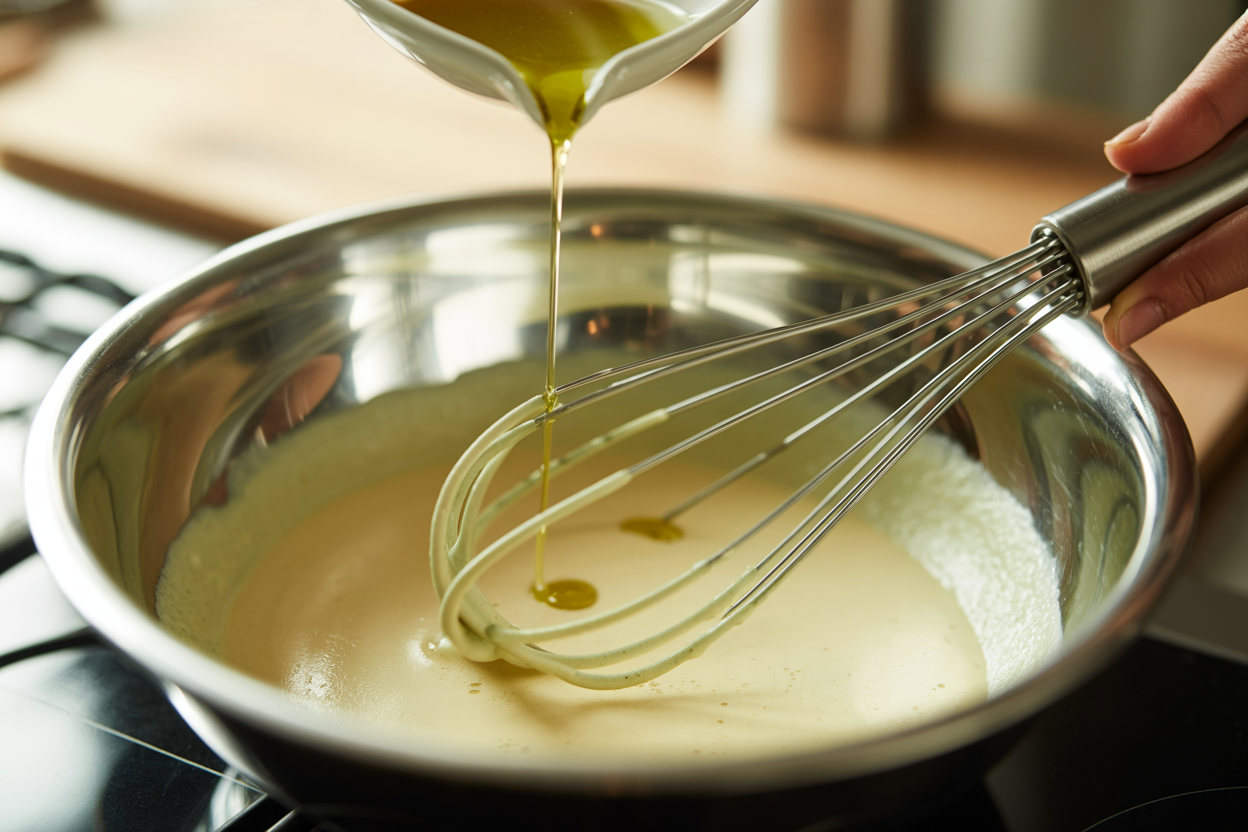
The Science Behind Emulsification (Explained Simply)
What actually happens when oil and water mix in a sauce, why it usually fails, and the handful of kitchen ingredients that make it work. No chemistry degree required.