Worcestershire Sauce vs. Soy Sauce: Flavor, Uses, and Substitution Guide
Compare Worcestershire and soy sauce: taste, ingredients, best uses, and when to substitute. Upgrade your recipes with the right savory condiment.
Written by FoodieManiac
With over 8 years of sauce-making experience, I've tested hundreds of techniques and products to bring you practical, reliable advice. Learn more about me →
Worcestershire Sauce vs. Soy Sauce: Flavor, Uses, and Substitution Guide
Introduction: Two Umami Powerhouses
Worcestershire sauce and soy sauce are two of the most essential condiments in global kitchens. Both deliver intense umami and saltiness, but their origins, flavor profiles, and best uses differ dramatically. Understanding how to use each sauce—and when you can successfully substitute one for the other—will elevate your cooking and prevent common mistakes.
Origin and Production Differences
Worcestershire Sauce: Fermented British Classic
Worcestershire sauce was created in England in the 1830s by chemists Lea & Perrins. Its flavor comes from a complex fermentation of anchovies, malt vinegar, molasses, tamarind, onions, garlic, and spices. The mixture ferments for 12-18 months at cool cellar temperatures (10-15°C/50-59°F), producing deep, layered flavors. This lengthy aging develops signature tang, sweetness, and an anchovy-based umami punch.
Soy Sauce: Asian Fermentation Staple
Soy sauce originated over 2,000 years ago in China and spread throughout East Asia. Traditional soy sauce is made by fermenting soybeans and wheat with a specific mold (Aspergillus oryzae), followed by brining and months-long fermentation at ambient temperatures (18-24°C/65-75°F). The result is a salty, savory liquid with earthy, slightly sweet, and sometimes smoky notes.
Flavor Comparison: Key Differences
Salinity and Umami
Soy sauce is generally saltier than Worcestershire sauce, with sodium levels ranging from 700-1,000 mg per tablespoon. Worcestershire sauce, by contrast, contains around 65-150 mg per tablespoon, delivering more sweet-tangy complexity and less overt saltiness. Both offer strong umami, but soy sauce’s comes from glutamates in soybeans, while Worcestershire’s is anchored in anchovy fish sauce and tamarind.
Acidity and Sweetness
Worcestershire sauce is notably tangy and sweet due to malt vinegar, tamarind, and molasses—key for balancing rich meats and creamy dips. Soy sauce is less acidic, with only mild sweetness and an overall deeper, earthier profile. If a recipe balances fat or creaminess, Worcestershire’s acidity is often preferred.
Complexity and Aroma
Worcestershire sauce is aromatic and peppery, with secondary flavors from clove, garlic, and allspice. Its taste unfolds in layers—initial sweetness, then tang, then savory depth. Soy sauce offers a more singular aroma: toasty, slightly mushroomy, and deeply savory, making it perfect for straightforward seasoning and marinades.
Best Uses in Cooking
Worcestershire Sauce Applications
- Meat Marinades & Steak: Add 1-2 tablespoons per pound of beef, pork, or lamb. For optimal absorption, marinate for 1-2 hours in the fridge. Try it in burger patties (add 1 tablespoon per 500g/1 lb ground beef).
- Bloody Marys & Savory Cocktails: Worcestershire sauce is a classic component—start with ½ teaspoon per serving.
- Caesar Dressing: Add 1 teaspoon per cup of dressing for authentic flavor. Try it in Thermomix Roasted Garlic Caesar Dressing.
- Chili, Stews & Soups: Stir in 1 tablespoon per liter/quart of liquid for depth; add during the last 20 minutes of simmering for best flavor retention.
- Gravies & Pan Sauces: Deglaze pans with 1-2 tablespoons Worcestershire sauce after browning meat, scraping up fond before adding stock. For further pan sauce tips, see Deglazing Techniques: How to Build Deep Flavor in Pan Sauces.
Soy Sauce Applications
- Stir-Fries: Add 1-2 tablespoons per 4 servings at the end of cooking to retain aroma. For balanced flavor, use medium heat (180°C/350°F) and toss for no more than 60 seconds after adding sauce.
- Dipping Sauce: Combine 2 parts soy sauce to 1 part rice vinegar for dumplings or sushi. For extra umami, add a drop of sesame oil.
- Marinades: Use 2 tablespoons per pound of meat or tofu, marinate for 30 minutes to 2 hours. For tofu, press and slice before marinating to maximize absorption.
- Broths: Stir in 1 tablespoon per liter/quart of broth for instant umami—perfect for ramen, miso soup, or vegetable broths.
- Salad Dressings: Try replacing salt with 1-2 teaspoons soy sauce for savory depth. For inspiration, see Copycat Chipotle Honey Vinaigrette Recipe.
Can You Substitute Worcestershire Sauce for Soy Sauce?
General Substitution Guide
You can substitute Worcestershire for soy sauce, and vice versa, in some recipes—but not all. Here’s how to make swaps work:
- Worcestershire instead of Soy Sauce: Use 1:1 ratio by volume, but add a pinch of salt to match soy sauce’s higher salinity. For every tablespoon swapped, add ¼ teaspoon salt.
- Soy Sauce instead of Worcestershire: Use 1:1 ratio, but add ½ teaspoon lemon juice and ¼ teaspoon sugar per tablespoon to replicate Worcestershire’s tangy sweetness. Optionally, add a splash of anchovy paste for depth.
- Adjust for Color and Intensity: Soy sauce is darker and more assertive; if color matters (light soups or creamy dips), use less and taste as you go.
When Substitution Works Best
- Marinades and Braises: Either sauce can work, as long as you adjust for salt and acidity. For example, in a BBQ marinade, substitute 2 tablespoons soy sauce plus ½ tablespoon lemon juice for 2 tablespoons Worcestershire sauce. Explore flavor layering in Homemade Spicy Mango Habanero BBQ Sauce and Homemade Carolina Gold Mustard BBQ Sauce.
- Beef and Savory Stews: Both sauces add umami. Use Worcestershire for tang and complexity, soy sauce for pure savoriness. Try both in Copycat KFC Pepper Gravy Recipe.
When Not to Substitute
- Asian Dishes: Worcestershire’s sweetness and vinegar can overpower delicate flavors in traditional Asian cuisine. Use soy sauce specifically for stir-fries, sushi, and dipping sauces. If your stir-fry tastes bland, see Why Your Quick Stir-Fry Sauce Turns Out Bland - Easy Flavor Fixes.
- Classic Western Sauces: Soy sauce in Caesar dressing or Bloody Marys will not deliver the right tang or aroma. Stick with Worcestershire for classic results.
Storage, Shelf Life, and Cooking Tips
Worcestershire Sauce
Worcestershire sauce is shelf-stable due to its vinegar and salt content. Store unopened bottles at room temperature (15-21°C/60-70°F) for up to 3 years. Once opened, refrigerate for optimal flavor retention—flavors can dull if kept at room temperature for more than 6 months. Always shake before use; sediment is normal.
Soy Sauce
Soy sauce is also shelf-stable if unopened but benefits from refrigeration after opening. This preserves the volatile aromatics and prevents oxidation, which can lead to bitterness. Keep opened soy sauce refrigerated for up to 2 years. If your sauce smells “off,” refer to Why Your Homemade Sauce Smells Off in the Fridge - Causes and Solutions.
Cooking Temperatures and Techniques
- Worcestershire Sauce: Add at the end of cooking or during simmering (max 90°C/195°F) to preserve aromatics. High heat can volatilize its delicate spices.
- Soy Sauce: Add near the end for best aroma, but it can withstand sautéing and quick stir-frying (up to 180°C/350°F) without breaking down.
Pairing Sauces With Other Flavors
- Worcestershire Sauce: Pairs well with beef, lamb, eggs, mushrooms, and creamy bases. Use in Creamy Roasted Jalapeño Ranch Dip for a flavor boost.
- Soy Sauce: Best with chicken, pork, tofu, seafood, and vegetables. Try it as a seasoning in Authentic Lebanese Muhammara (Spicy Red Pepper & Walnut Dip) Recipe for extra umami.
For more on flavor pairings, see How to Pair Sauces With Grilled Vegetables Without Overpowering Flavor.
Making Your Own Sauce Blends
Quick Homemade Substitutes
If you run out of one sauce, you can blend pantry ingredients for a fast substitute:
- Worcestershire Substitute: Mix 1 tablespoon soy sauce, ½ tablespoon apple cider vinegar, ¼ teaspoon molasses or brown sugar, 1 anchovy filet (mashed, optional), and a pinch of garlic powder.
- Soy Sauce Substitute: Combine 1 tablespoon Worcestershire sauce, ½ teaspoon salt, ½ tablespoon water, and a dash of tamari or liquid aminos for added umami.
Let blends sit for at least 5 minutes before using to allow flavors to meld. Taste and adjust salt, acid, or sweetness as needed.
Expert Tips for Optimal Flavor
- Layer Flavors: Use both sauces together for richer depth in beef stews or barbecue sauces. Start with 1 tablespoon soy sauce and 2 teaspoons Worcestershire per 500ml (2 cups) of liquid.
- Finish, Don’t Boil: Always finish sauces with Worcestershire or soy sauce off the heat to maximize aroma and prevent bitterness.
- Watch for Soy Sauce Overuse: Its saltiness can throw off balance—taste and add in 1-teaspoon increments.
- For Creamy Sauces: Worcestershire is less likely to “break” dairy-based sauces than soy sauce, which can curdle cream if added too early or in large amounts. For more on creamy sauce technique, check Thermomix Creamy Roasted Garlic & Herb Salad Dressing.
Recipes Where Each Sauce Shines
- Copycat Big Mac Sauce Recipe: Worcestershire provides essential tang for this classic burger spread.
- Creamy Sriracha Mayo Sauce: Soy sauce deepens umami and balances heat.
- Thermomix Buffalo Wing Sauce: Worcestershire enriches the buttery, spicy base.
- Creamy Roasted Red Pepper Feta Dip (Htipiti): Soy sauce can be used sparingly for savoriness.
Conclusion: Use Each Sauce for Its Strengths
Worcestershire and soy sauce are both indispensable, but they’re not always interchangeable. Worcestershire brings tangy complexity and sweetness, ideal for Western dishes, creamy dips, and tomato-based sauces. Soy sauce delivers pure umami and salinity, perfect for Asian cuisine, quick stir-fries, and broths. When substituting, always adjust for salt and acidity, and add incrementally to avoid overpowering your dish. For more substitution tips, see Worcestershire Sauce vs. Soy Sauce: Flavor, Uses, and Substitutes Compared. Mastering both will unlock a world of flavor in your kitchen.
TAGS
Try These Recipes
Related Articles
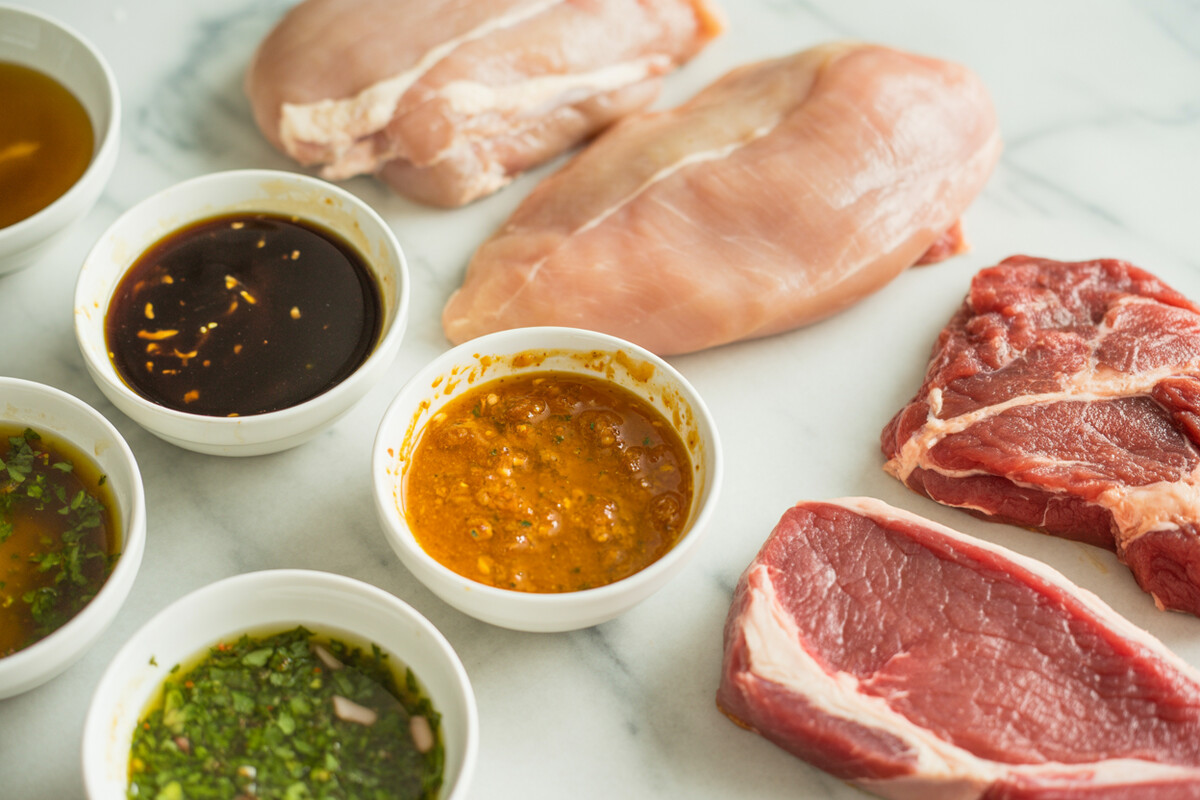
10-Minute Marinades: Quick Sauces to Instantly Upgrade Any Protein
Discover fast, flavor-packed marinades you can whip up in 10 minutes to transform chicken, beef, fish, or tofu. Easy recipes, bold results!

Tahini Sauce vs. Hummus: Differences, Uses, and When to Choose Each
Compare tahini sauce and hummus: key ingredients, texture, flavor, and best uses. Learn when to use each Middle Eastern classic in your cooking.
Best Sauces for Grilled Vegetables: 10 Pairings That Add Bold Flavor
Discover 10 delicious sauces that perfectly complement grilled vegetables. Elevate your summer grilling with these easy, flavor-packed pairings and recipes.
Worcestershire Sauce vs. Soy Sauce: Flavor, Uses, and Substitutes Compared
Compare Worcestershire and soy sauce: flavor, best uses, key differences, and how to substitute one for the other in recipes. Upgrade your cooking today!