How to Make Toum: Lebanon’s Creamy Garlic Sauce and Serving Ideas
Master Lebanese toum sauce at home with this step-by-step recipe. Learn tips for perfect texture and delicious ways to use this garlicky condiment.

Written by FoodieManiac
With over 8 years of sauce-making experience, I've tested hundreds of techniques and products to bring you practical, reliable advice. Learn more about me →
What Is Toum? Understanding Lebanon’s Legendary Garlic Sauce
Toum is a traditional Lebanese garlic sauce with an unmistakable pungency and cloud-like texture. Unlike mayonnaise, it contains no eggs—its signature creamy body comes from a technical emulsion of raw garlic, neutral oil, salt, and lemon juice. This sauce is a staple in Levantine cuisine, especially with grilled meats, shawarma, rotisserie chicken, and warm pita. Mastering toum is a gateway to elevating Middle Eastern meals and understanding the science of emulsified sauces.
Essential Ingredients for Authentic Toum
Every ingredient in toum plays a crucial role in flavor and emulsion stability. For best results, use:
- Fresh Garlic: 1 whole head (about 10-12 large cloves), peeled. Old or sprouted garlic can taste bitter and affect texture.
- Neutral Oil: 2.5 cups (600ml) of sunflower, grapeseed, or canola oil. Olive oil is not recommended: its strong flavor and lower smoke point can hinder emulsification.
- Lemon Juice: 3 tablespoons (45ml), freshly squeezed and strained. Bottled juice often contains additives that can break the emulsion.
- Salt: 1 teaspoon (6g) fine sea salt, evenly distributed flavor and helps break down garlic during processing.
- Cold Water: 2-3 tablespoons (30-45ml), used to help stabilize the emulsion in the final stage.
Equipment and Preparation Tips
- Food Processor: A small-bowl food processor (3-4 cup capacity) offers the best control for emulsification. Large processors may require you to double the recipe for proper blade contact.
- Measuring Cups/Spoons: Precision is crucial for ratios; slight deviations can cause the sauce to break.
- Plastic or Metal Spatula: For scraping down the sides and maintaining a smooth process.
- Chilled Ingredients: Use cold water and room temperature oil. Too-warm oil may destabilize the emulsion.
Step-by-Step: How to Make Toum at Home
1. Prep the Garlic
Peel 1 head of garlic, removing any green sprouts (they cause bitterness and color changes). Cut larger cloves in half for even processing.
2. Process Garlic and Salt to a Paste
Add garlic cloves and 1 teaspoon salt to the food processor. Pulse for 30 seconds, scrape down the sides, then run for another 30 seconds until you have a fine, sticky paste. The salt acts as an abrasive, breaking down cell walls for maximum pungency and smoothness.
3. Start the Emulsion
With the processor running, drizzle in the first 2 tablespoons of lemon juice. Run for 15 seconds. This acid helps begin the emulsion by breaking down garlic further.
4. Alternate Oil and Lemon Juice: The Key Stage
With the processor still running, slowly drizzle in about 1/4 cup (60ml) of neutral oil, drop by drop, over 1-2 minutes. Patience is critical: rushing this step can cause the sauce to split.
After the first 1/4 cup of oil is fully incorporated and the mixture is thickening, add 1 tablespoon of lemon juice in a thin stream. Continue alternating—add a slow drizzle of oil (about 1/2 cup over 2 minutes), followed by a tablespoon of lemon juice, scraping down the bowl as needed.
Repeat this process until all the oil and lemon juice are used. The entire emulsification process should take 8-10 minutes. The sauce will transform from a thin liquid to a thick, mayonnaise-like, bright white cloud.
5. Finish with Cold Water
Once all oil and lemon juice have been added and the sauce is thick, slowly drizzle in 2-3 tablespoons of cold water, processing just until incorporated—about 20 seconds. This lightens the texture and stabilizes the emulsion.
Common Mistakes and How to Fix Broken Toum
Why Does Toum Break?
Toum can “break” (separate or become runny) if oil is added too quickly, if the garlic quantity is insufficient, or if ingredients are not at the right temperatures. For more on why sauces break in the fridge or turn watery, see our guide: Why Do My Homemade Sauces Separate in the Fridge? Causes and Solutions.
How to Rescue Broken Toum
- Transfer broken toum to a bowl.
- Clean the processor bowl and add 1 egg white (if you’re not vegan) or 2 more garlic cloves and 1 tablespoon lemon juice.
- With the processor running, slowly drizzle in the broken toum as if it were the “oil” in the original recipe. The fresh garlic or egg white will provide new emulsifiers and help the sauce come back together.
For more on emulsion troubleshooting and why creamy sauces can curdle or separate, check out Why Your Creamy Sauce Curds When Reheated - Causes and Easy Fixes.
Texture, Flavor, and Storage Tips
Texture and Flavor
Authentic toum should be luxuriously fluffy, bright white, and hold its shape on a spoon. The flavor is intensely garlicky but balanced by the acidity of lemon. If the sauce is too sharp, let it mellow in the fridge for 24 hours; the sharpness will soften as the garlic “blooms.”
Storage
- Store toum in an airtight container in the refrigerator for up to 3 weeks.
- Always use a clean spoon to avoid contamination.
- If you notice the sauce turning green, it’s a natural garlic reaction—learn how to prevent this in our guide: How to Prevent Garlic Sauce From Turning Green in the Fridge.
For freezing and thawing tips, see Freezing Sauces 101: Best Methods to Preserve Flavor, Texture, and Quality.
Serving Ideas: Classic and Creative Ways to Use Toum
Traditional Pairings
- Shawarma and Rotisserie Chicken: Spread toum generously on grilled meats or as a dip for Lebanese rotisserie chicken. The sauce’s acidity and pungency cut through fatty meats.
- Pita Bread: Serve toum as a dip, or slather inside pita wraps with grilled vegetables or falafel.
- Grilled Kebabs: Lamb, beef, or chicken kebabs benefit from toum’s brightness—try it with grilled skewers for a flavor boost. For more sauce pairings, see Best Sauces for Grilled Vegetables: 10 Pairings That Add Bold Flavor.
Modern and Fusion Uses
- Sandwich Spread: Swap toum for mayo in burgers or sandwiches. It pairs especially well with grilled portobello or crispy chicken.
- Roasted Vegetables: Drizzle toum over roasted potatoes, carrots, or cauliflower for a sharp, creamy finish.
- Seafood: Use as a dip for grilled or fried shrimp, or as a sauce for roasted fish.
- Salad Dressing Base: Whisk toum with a splash of water or yogurt for a creamy garlic salad dressing.
Pairing Toum with Other Global Sauces
Toum’s versatility means it can be used alongside or blended into other global sauces for creative flavor combinations. Try pairing with:
- Authentic Lebanese Tarator Sauce (Tahini Garlic Sauce): For a double-garlic punch in falafel wraps.
- Authentic Mexican Salsa Verde (Tomatillo Green Sauce): Swirl toum and salsa verde together for a zesty, creamy dip for roasted veggies.
- Creamy Jalapeño Cilantro Dip (Chuy’s Copycat): Mix a spoonful of toum into spicy dips for a garlicky twist.
- Thermomix Creamy Sun-Dried Tomato Basil Sauce: Use both as sandwich spreads for bright, herbal, and garlicky flavor layers.
Recipe Variations and Adjustments
Milder Toum
- Roasted Garlic Toum: Replace half of the raw garlic with roasted garlic cloves—roast at 400°F (200°C) for 30-35 minutes until golden and soft. This yields a subtler, sweeter flavor and a gentler pungency.
- Yogurt Toum: Whisk 1/4 cup plain Greek yogurt into finished toum for a creamier, less intense sauce, ideal for kids or milder palates.
Making Toum Without a Food Processor
- Mortar and Pestle: Crush garlic and salt into a fine paste before emulsifying oil and lemon juice in tiny increments. This method requires patience and produces a slightly chunkier texture.
- Blender Method: Use a high-speed blender on the lowest setting to prevent overheating and splitting the sauce. Pause frequently to scrape down the sides.
Technical Tips for Achieving a Stable Emulsion
- Emulsification Rate: Always add oil in a thin, slow stream. If the oil pools, stop and let the processor catch up. Rushing leads to breakage.
- Temperature: Oil at room temperature (~68-72°F / 20-22°C) and water/garlic cold (~40°F / 4°C) help maintain viscosity and emulsion stability.
- Garlic Quality: Use fresh, heavy, firm garlic. Old or sprouting garlic increases the risk of bitterness and discoloration.
- Acidity: Lemon juice not only flavors but also stabilizes the emulsion by denaturing garlic proteins and providing water content.
- Salt: Essential for breaking down garlic and seasoning the sauce evenly. Kosher salt can be substituted by weight.
For in-depth emulsion science, see Why Do My Homemade Sauces Separate in the Fridge? Causes and Solutions.
Frequently Asked Questions About Toum
Is toum vegan?
Yes, classic toum uses only garlic, oil, lemon, salt, and water—no animal products. If using egg white to rescue a broken emulsion, it becomes non-vegan.
Can I use a different oil?
Stick to mild, neutral oils. Strong oils like extra-virgin olive oil or peanut oil can overpower garlic and alter the emulsion. Grapeseed, sunflower, canola, or vegetable oil are best.
Why is my toum bitter?
Bitter toum can result from old/green garlic, over-processing (which releases allicin in excess), or rushing the emulsion. Always use fresh garlic, process in short pulses, and add oil slowly.
How do I prevent separation in the fridge?
Store toum in a tightly sealed jar and stir before each use. For more solutions, see Why Your Creamy Sauce Turns Watery After Refrigeration: Prevention Tips.
Related Sauces and Further Reading
- Authentic Lebanese Toum (Garlic Whipped Sauce) Recipe: Our step-by-step recipe with exact measurements and troubleshooting.
- Avocado Cilantro Lime Crema: For a milder, creamy green alternative with a hint of garlic.
- Creamy Roasted Garlic Parmesan Dip: A rich, mellow spread for garlic lovers.
- Thermomix Chipotle Lime Crema: For smoky, tangy flavors that pair well with grilled meats and tacos.
Expand your garlic sauce knowledge and troubleshoot emulsion issues with these guides:
- Why Do My Homemade Sauces Separate in the Fridge? Causes and Solutions
- How to Prevent Garlic Sauce From Turning Green in the Fridge
For a deep dive into creamy burger sauces, read How to Make Copycat Shake Shack Sauce: Creamy, Tangy Burger Spread at Home.
Conclusion: Mastering Toum for Any Kitchen
Toum is more than just a garlic sauce—it’s a lesson in emulsion chemistry and a flavor powerhouse for countless dishes. With precise ingredient ratios, careful emulsification, and a few troubleshooting techniques, you can master this Lebanese classic at home. Whether you serve it with shawarma, roasted vegetables, or experiment with global fusion, toum is a sauce that will transform your meals with its bold, creamy personality.
TAGS
Try These Recipes
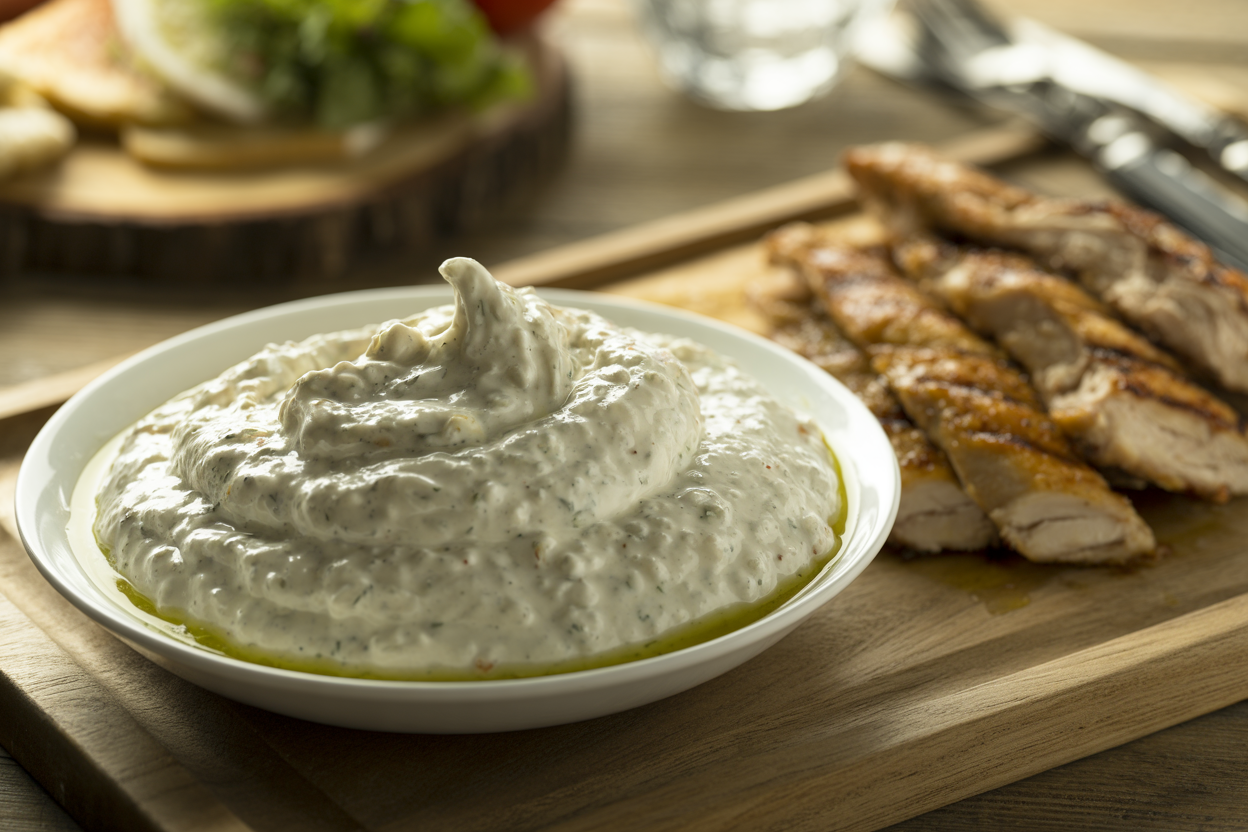
Related Articles
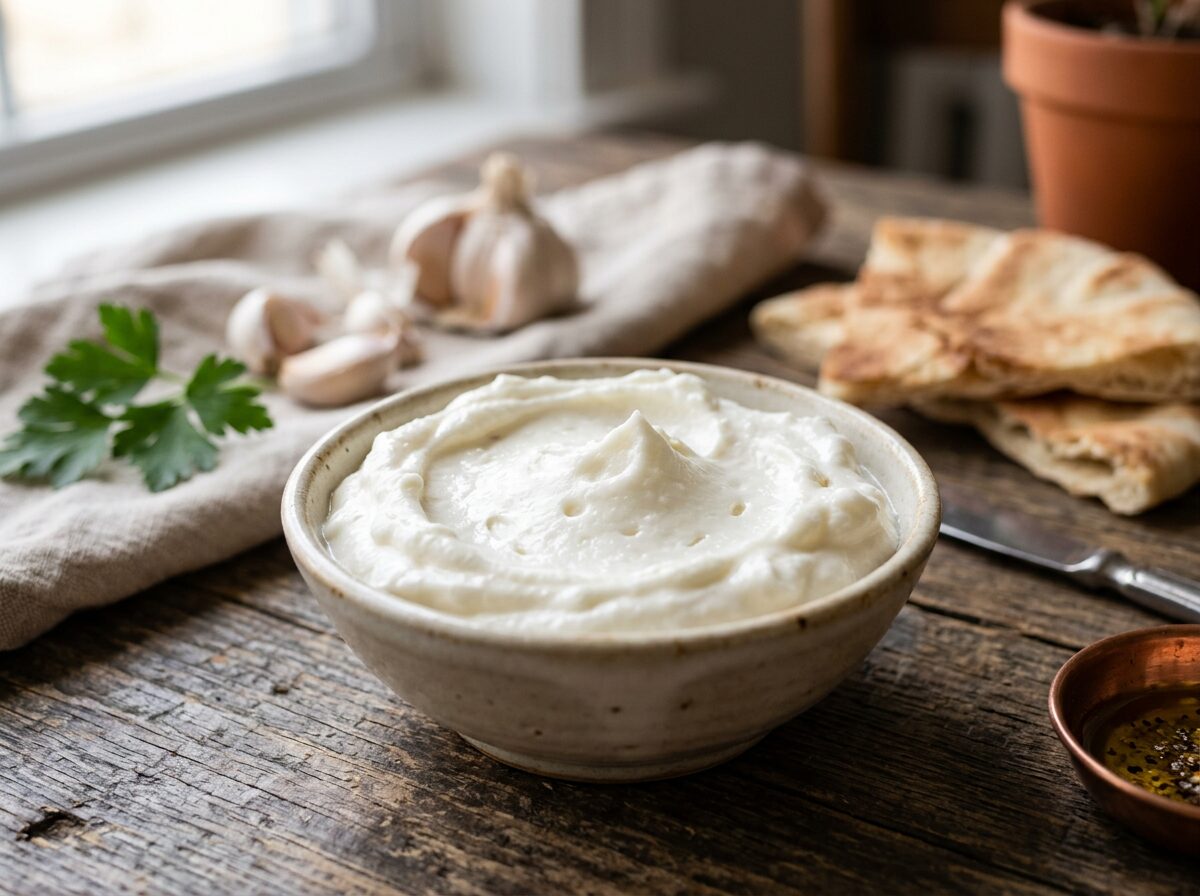
How to Make Toum: Lebanon’s Creamy Garlic Sauce for Grilled Meats
Learn to make authentic Lebanese toum sauce at home. This fluffy garlic condiment is perfect for grilled meats, shawarma, and roasted veggies.
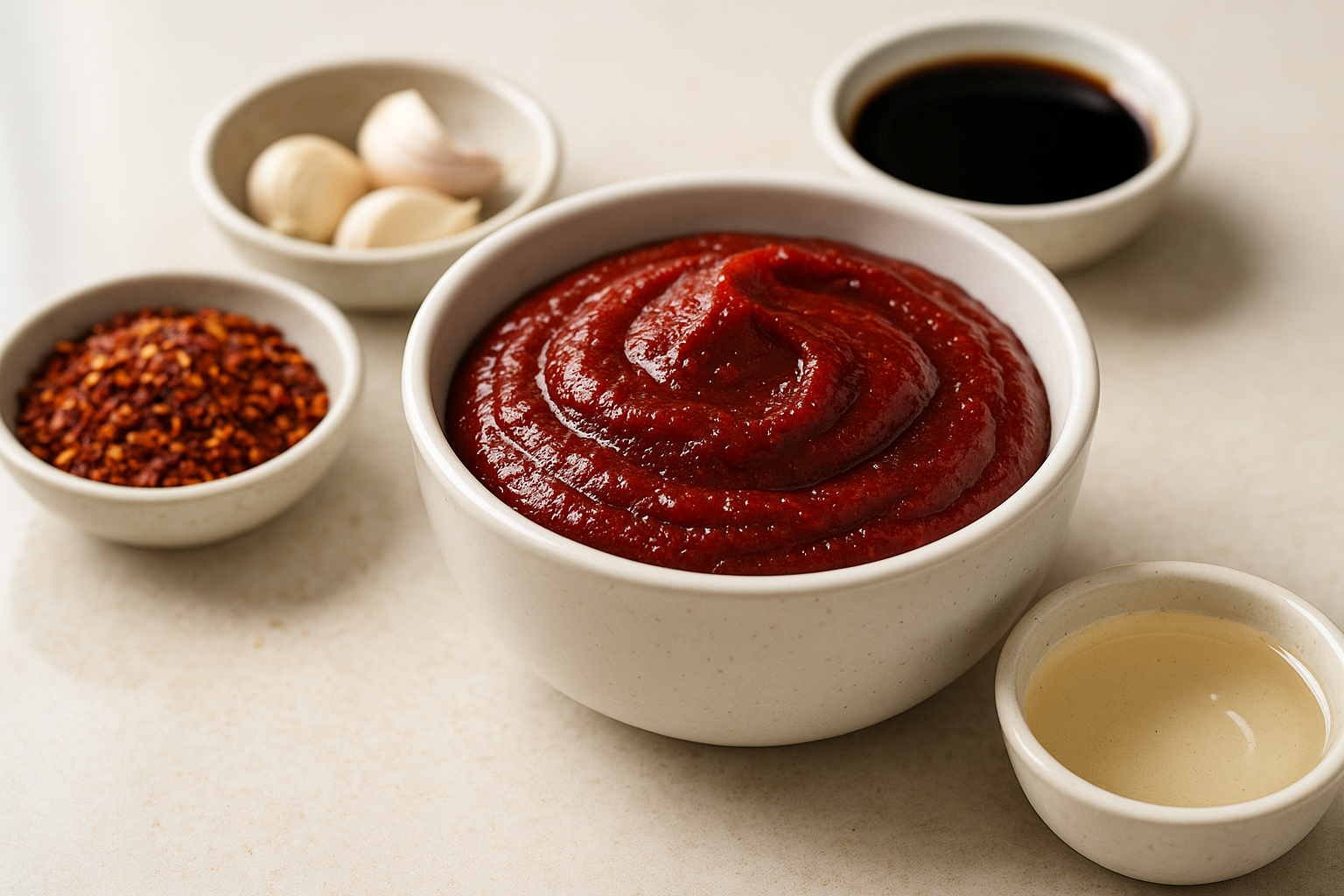
How to Make Gochujang Sauce: Korea’s Fermented, Flavor-Packed Condiment
Learn to make authentic gochujang sauce at home with this easy Korean recipe, plus tips for using it in marinades, dressings, and dipping sauces.
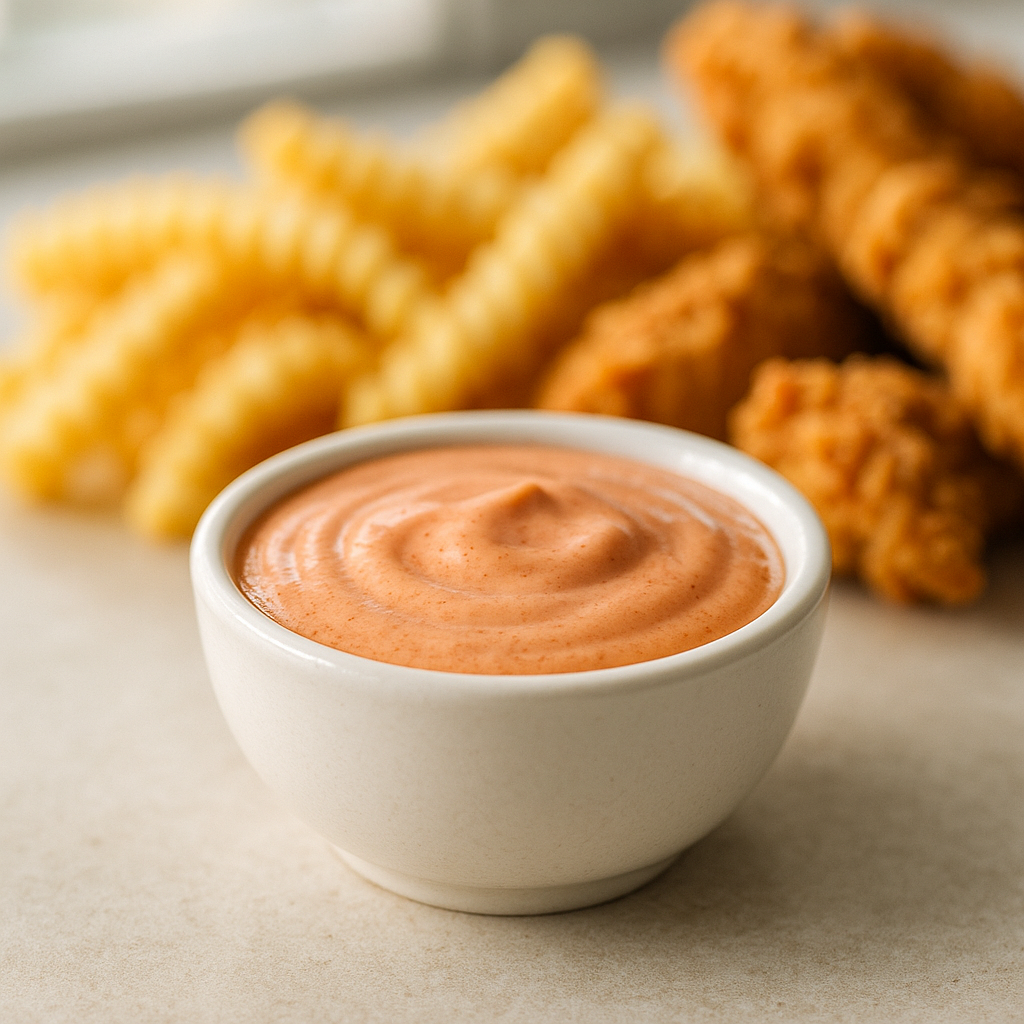
How to Make Copycat Raising Cane’s Sauce: The Ultimate Dipping Recipe
Craving that famous Cane’s dipping sauce? Learn how to make the best copycat Raising Cane’s Sauce at home with simple pantry ingredients and pro tips.
How to Make Japanese Tare Sauce: Essential Umami Condiment Explained
Learn to make authentic Japanese tare sauce at home. Discover its uses, key ingredients, and tips for perfecting this umami-rich condiment.