Why Your Creamy Sauce Curds When Reheated - Causes and Easy Fixes
Tired of creamy sauces turning grainy or curdled when reheated? Learn the reasons it happens and easy, home cook-friendly tips to keep sauces smooth.

Written by FoodieManiac
With over 8 years of sauce-making experience, I've tested hundreds of techniques and products to bring you practical, reliable advice. Learn more about me →
Why Does My Creamy Sauce Go Lumpy When I Reheat It?
I can’t tell you how many times I’ve poured hours into a creamy sauce, only to watch it turn into a weird, grainy mess the next day when I try to reheat it. You know the feeling: you pull out last night’s Alfredo or homemade cheese sauce, zap it in the microwave, and boom – it’s like someone dropped cottage cheese into your dinner. Been there, cursed at that. I used to think this was just the universe punishing me for eating leftovers, but there are real reasons why creamy sauces curdle or split when you reheat them – and honestly, plenty of ways to fix it (or even avoid it completely).
What’s Actually Happening? (The Science, But Not Boring)
So, creamy sauces – think Alfredo, bechamel, cheese sauce, even some ranch dips – are basically emulsions or suspensions. That means you’re forcing things like fat, water, and proteins to hang out together when they’d rather not. This works when you heat everything gently and stir like your life depends on it. But when you reheat too fast or too hot, all those bonds break down. The proteins (from milk or cheese) tighten up and squeeze out water, so you get gritty, watery, or lumpy sauce. The fats start to separate, too, so you might see a slick of oil on top. It’s like a breakup in your saucepan.
Which Sauces Are Most Likely to Curdle?
- Cheese sauces: Mac and cheese, nacho cheese, Alfredo. Cheese is super sensitive to high heat. I’ve ruined more pots of queso than I care to admit.
- Milk or cream-based sauces: Bechamel, Mornay, white gravies. Milk proteins are drama queens when reheated too quickly.
- Yogurt or sour cream sauces: These will split even with a dirty look. Go low and slow, always.
The good news: not all creamy sauces are doomed. Things like Avocado Cilantro Lime Crema or mayo-based dips (like Creamy Roasted Jalapeño Ranch Dip) actually do okay cold and don’t usually split when chilled. But the moment you add real dairy and heat, it’s a different ballgame.
Why Is Reheating So Tricky?
I used to just nuke my sauce in the microwave for two minutes and call it dinner. Big mistake. The microwave blasts everything with uneven heat, so some spots boil while other parts are still cold. On the stove, it’s easy to crank the heat out of impatience. Both are recipes for disaster if you’re dealing with dairy or cheese.
If you read my guide to fixing quick creamy sauces, you’ll know that even sauces that look perfect off the stove can fall apart hours later. That’s because the emulsion is fragile – and reheating can break it if you’re not careful.
What Causes Curdling (aka Splitting) When Reheating?
- Too much heat, too fast: This is the big one. Anything over about 170°F (75°C) is risky for dairy-based sauces. Boiling is the enemy.
- Not enough fat: Skim milk or low-fat cheese sauces split way easier than ones made with cream or full-fat cheese. I’ve tried to make “healthier” Alfredo – every time, it split.
- Acid in the mix: Adding lemon, vinegar, or wine to a dairy sauce can destabilize it, especially when reheated.
- Starch breakdown: In sauces thickened with flour or cornstarch, the starch can break down if reheated too long, and the sauce gets watery, then curdles.
So, How Do You Reheat Creamy Sauce Without Ruining It?
Here’s what actually works in a real, chaotic kitchen – not a test kitchen with six assistants and a magic stove.
Stovetop: The Gentle Way
This is my go-to. Dump your sauce into a saucepan. Set the burner to low. Stir constantly. Don’t walk away to do laundry. If it’s super thick, add a splash (start with 2 tablespoons) of milk, cream, or even water, and whisk it in gently. The sauce should never bubble. If steam starts rising and you see little bubbles at the edge, pull it off the heat for a minute.
Sometimes, I use a double boiler if I’m really paranoid – but that’s only when I’m making something fancy, like a cheese sauce for guests.
Microwave: It Can Work (With Patience)
I know life is busy. If you’re using the microwave, do it in short bursts – 20 seconds at a time – stirring well after each. Don’t let it bubble! The first time I tried this, I went for 90 seconds straight and turned my bechamel into soup with cheese gravel. Lesson learned.
Oven: For Big Batches
If you’re reheating a big dish (like lasagna or mac and cheese), cover it tightly with foil and use a low oven (300°F/150°C). Check after 15 minutes, stir if you can, and keep going until it’s just hot. Add a splash of milk or cream if it looks dry.
Tested Tips
- The “add liquid” rule: Always whisk in a tablespoon or two of milk, cream, or even water before you start to reheat. It loosens the sauce and helps it re-emulsify if it’s started to tighten up. If you skip this, you risk a thick, clumpy mess that’s nearly impossible to fix later.
- Low and slow, always: Keep the heat at the lowest setting. If you turn up the heat to save time (I’ve been there – kids screaming, pasta boiling over), you’ll get curds. If you mess up and see lumps forming, pull it off the heat immediately and whisk hard – sometimes you can save it before it fully splits.
- Use a whisk, not a spoon: A whisk helps break up clumps and reincorporate the fat. I used to use a wooden spoon – bad idea. Whisking saved my Alfredo more times than I can count.
- Add more fat if needed: If your sauce splits, whisk in a teaspoon of butter or a splash of cream (not milk) off the heat. This can help bring it back together. Don’t use oil – it just floats on top and makes things greasy.
- Strain it if you must: If all else fails, pour your sauce through a fine mesh strainer. You’ll lose a bit of volume, but at least you won’t get mouthfuls of curds. I’ve done this in a pinch for dinner parties – nobody noticed.
- Don’t reheat more than once: Each time you reheat, you’re rolling the dice. If you know you’ll have leftovers, only reheat what you need and keep the rest cold. Trust me – this is the difference between creamy bliss and disaster for tomorrow’s lunch.
Shortcut Fixes and Honest Truths
So, what about shortcuts? Store-bought stock is totally fine for thinning a sauce – I use it in my Thermomix Creamy Roasted Garlic Caesar Dressing and no one’s the wiser. Same goes for a splash of pasta water. Expensive cream is worth it for Alfredo or cheese sauce, but don’t waste your money on fancy butter – regular works just as well here.
If you skip the “add liquid” step, odds are your sauce will break. If you forget to stir, you’ll get hot spots and graininess. And honestly, if your sauce is just a little lumpy and you’re eating it yourself? Sometimes I just eat it anyway. Not every sauce has to be Instagram perfect.
How to Rescue a Sauce That’s Already Curdled
If you’re staring at a pot of sad, separated sauce, don’t panic. Here’s what I do:
- Take the sauce off the heat immediately.
- Add a tablespoon of cold milk or cream (heavy cream works best), and whisk hard. Sometimes, this pulls it back from the brink.
- If that doesn’t work, whisk in a teaspoon of butter, off the heat. Sometimes the extra fat will save it.
- Still lumpy? Try blending it with an immersion blender for 15 seconds. This works best if it’s not totally broken, but it can smooth out minor curdling.
- If all else fails, strain out the curds and serve what’s left. I’ve done this when making cheese sauce for mac and cheese, and nobody complained – they were too busy eating.
How to Prevent Problems Next Time
Planning ahead makes a difference. If I know I’ll need to reheat a sauce, I make it a little thinner than usual – it thickens as it chills. I also avoid adding acidic ingredients (like lemon juice or wine) until right before serving, or I just skip them if I’m meal-prepping. For thick, rich sauces like my Creamy Roasted Garlic Parmesan Dip or Creamy Parmesan Peppercorn Dressing, I use full-fat dairy and keep the leftovers tightly covered in the fridge.
And if you’re making a sauce that’s supposed to be eaten cold (like Creamy Jalapeño Cilantro Dip or Copycat Shake Shack Sauce), you’re in luck – these don’t usually give you trouble when reheated because you never heat them at all.
Related Guides for Sauce Success
- Why Your Creamy Sauce Turns Watery After Refrigeration: Prevention Tips – What to do if your sauce looks weird straight from the fridge.
- Freezing Sauces 101: Best Methods to Preserve Flavor, Texture, and Quality – How to freeze sauces so they come back creamy, not gritty.
- Why Your Quick Creamy Sauces Separate and How to Fix It Fast – Real rescue moves for sauce emergencies.
- How to Prevent Sauce Crystallization in the Fridge: Easy Solutions – Because grainy isn’t always curdled, but it’s still not fun.
Bottom Line: Creamy Sauce Can Be Tricky, But Don’t Give Up
It took me years (and a lot of sad pasta nights) to learn that creamy sauces just need some kindness and patience – especially when reheating. Go low and slow, add a splash of liquid, and whisk like you mean it. And if things go south? There’s almost always a way to save it, or at least make it edible. Your sauce doesn’t have to be perfect to be delicious. Trust me – some of my best meals started as “mistakes” in the pan.
TAGS
Related Articles
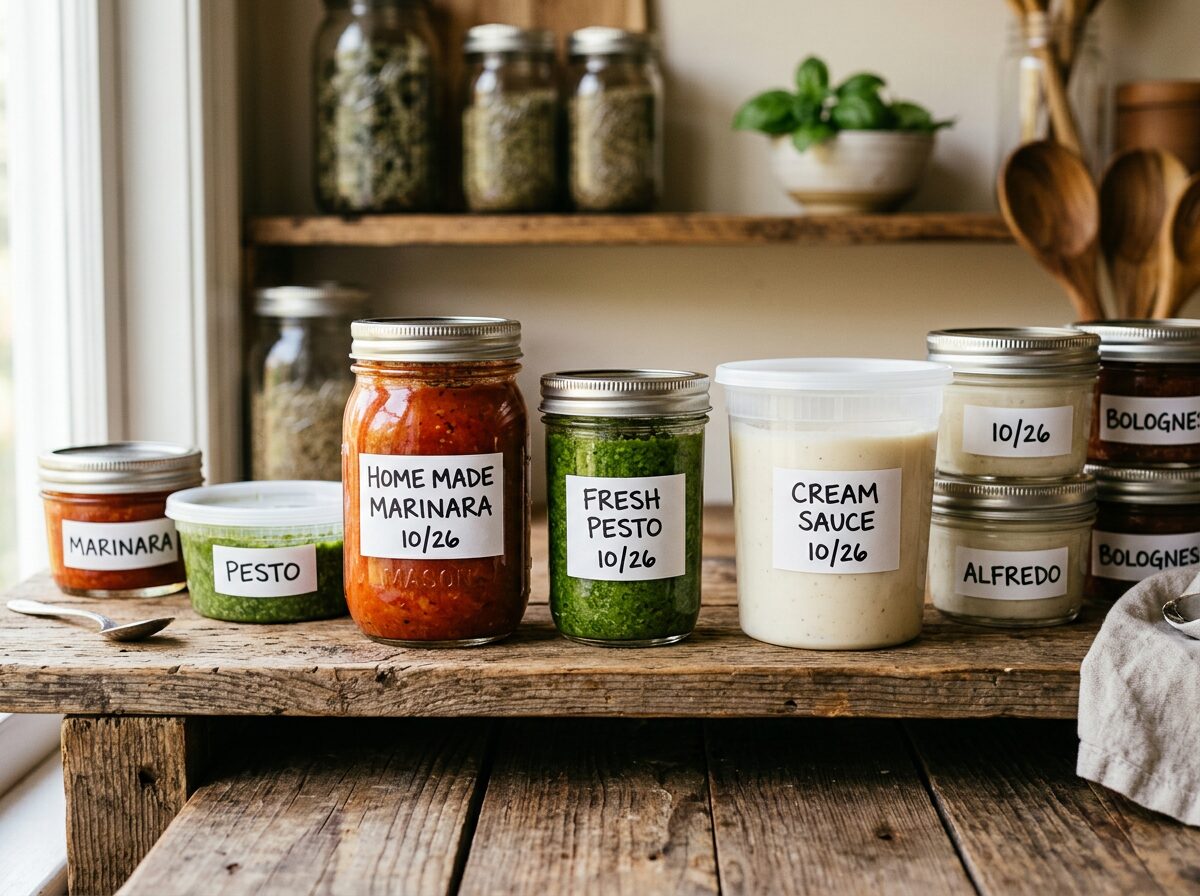
Freezing Sauces 101: Best Methods to Preserve Flavor, Texture, and Quality
Learn how to freeze sauces the right way. Discover tips on storage, thawing, and which sauces freeze best to keep flavors fresh and textures perfect.
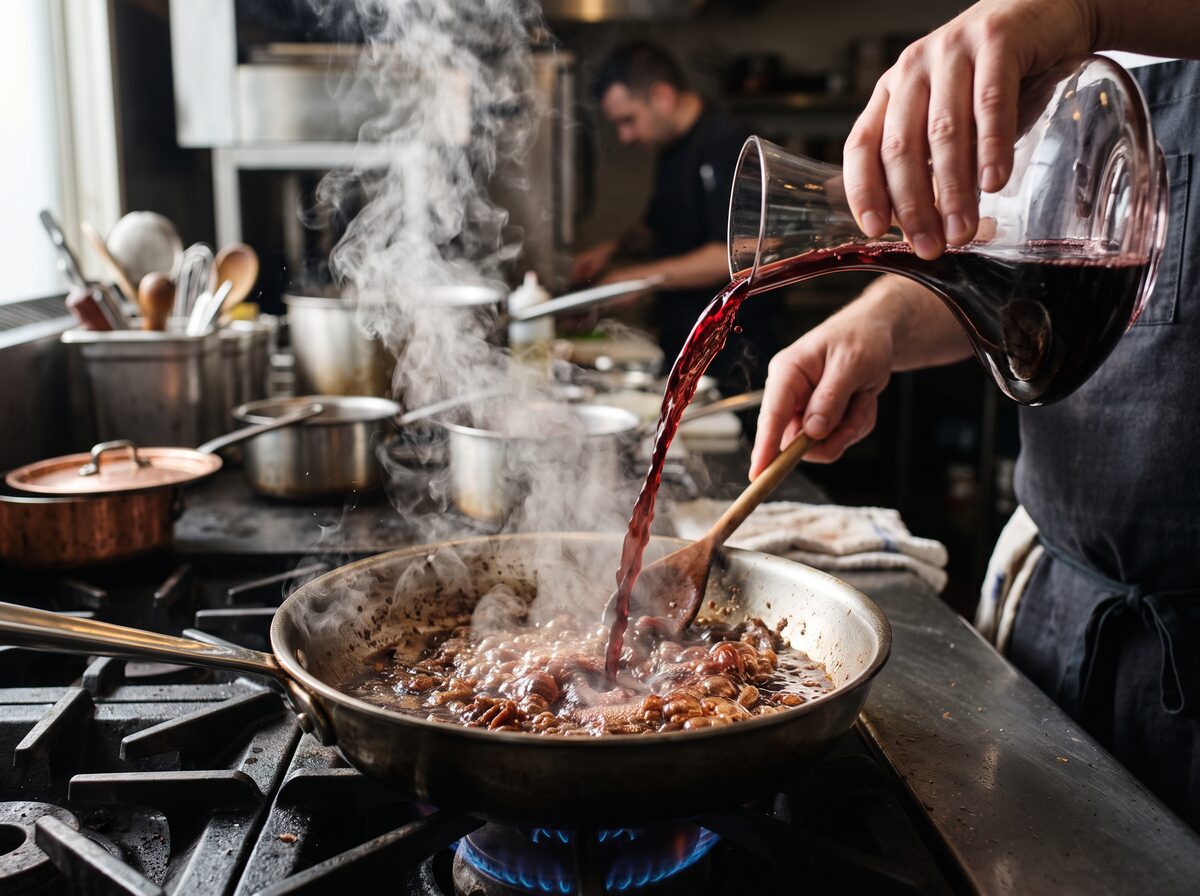
How to Deglaze Like a Pro: Unlocking Deep Flavor for Restaurant-Quality Sauces
Master deglazing to build rich, complex sauces at home. Step-by-step techniques, liquid choices, and chef tips for pro-level flavor every time.
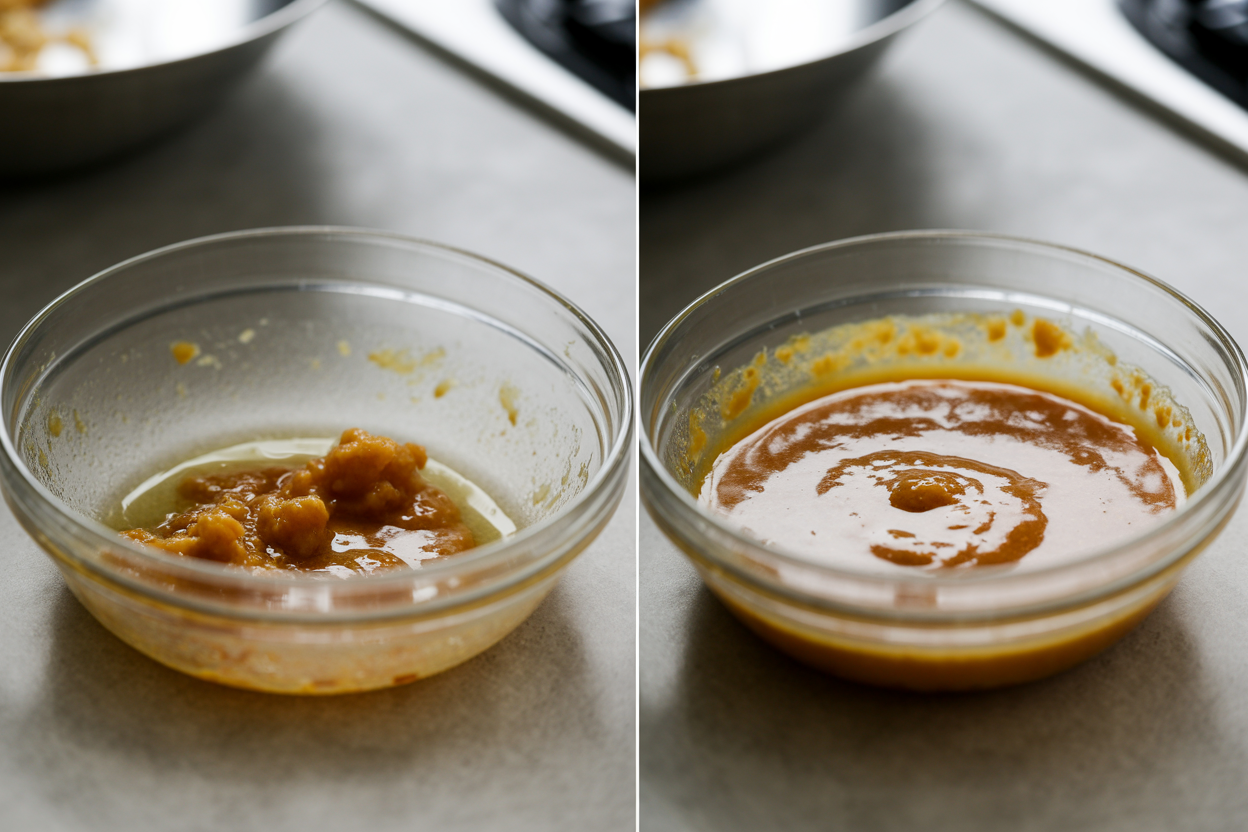
How to Fix a Broken Sauce (Complete Guide)
Learn how to rescue broken, split, or curdled sauces! This comprehensive guide covers mayo-based, cream sauces, hollandaise, and more. Save your sauces from disaster with these expert techniques.
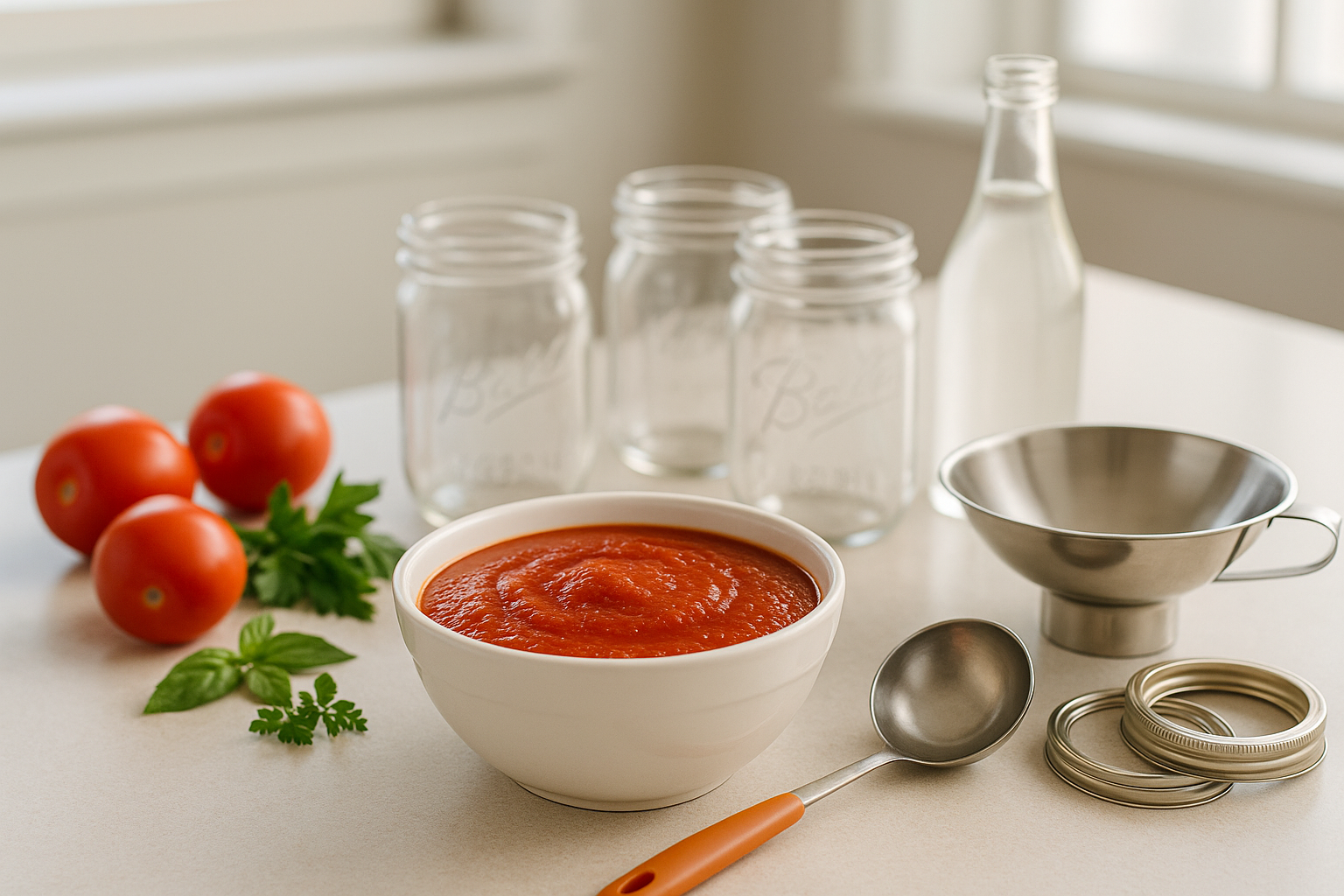
How to Can Sauces Safely at Home: Step-by-Step Guide for Beginners
Learn how to can homemade sauces safely with this beginner-friendly guide. Preserve tomato, BBQ, and more for months of fresh, flavorful meals.