How to Prevent Sauce Crystallization in the Fridge: Easy Solutions
Tired of gritty, crystallized sauces after chilling? Learn why it happens, which sauces are at risk, and simple steps to keep your favorites silky and smooth.
Written by FoodieManiac
With over 8 years of sauce-making experience, I've tested hundreds of techniques and products to bring you practical, reliable advice. Learn more about me →
Why Does Sauce Crystallize in the Fridge?
If you’ve ever pulled your favorite sauce out of the fridge – maybe that last bit of Carolina Gold BBQ Sauce or some leftover Creamy Roasted Jalapeño Ranch Dip – and found weird little crunchy grains or a gritty texture, you know exactly what I’m talking about. The sauce can look perfectly smooth when you put it away, but a day or two later, it’s turned into a science experiment. I used to think this was just “what happens” to homemade sauces, but it turns out: it’s mostly preventable.
Crystallization happens when dissolved sugars or salts in your sauce start coming out of solution and forming actual crystals. You’ll see this a lot in sweet sauces, jams, honey-based BBQ sauces, or anything with lots of dissolved sugar. It happens in savory sauces too, especially ones with a lot of salt or reduced stock. The cold fridge just speeds up the process.
What Sauces Are Most at Risk?
I’ve had crystallization wreck everything from a fancy homemade caramel sauce to a cheap-and-cheerful salad dressing. Here’s what to watch for:
- Sugar-heavy BBQ sauces (like Smoked Chipotle Honey Butter Sauce or Spicy Maple Sriracha BBQ Sauce)
- Honey-based sauces and glazes
- Jammy fruit sauces
- Reduced stocks or demi-glace (the salty stuff!)
- Some emulsified dressings if there’s a high sugar or salt load
The classic ranch or mayo-based dips (like Copycat Shake Shack Sauce) almost never crystallize, but I’ve seen it happen in sweet vinaigrettes and chili sauces. If you’ve ever stored Chermoula or Chimichurri, you know the oil can separate but you won’t get crystals.
How Crystallization Changes Your Sauce
Honestly, a few crystals won’t kill you. But if you’ve ever bitten into a crunchy, gritty sweet sauce or found grainy bits in a silky dressing, it’s not great. Here’s what usually happens:
- Texture turns gritty instead of smooth
- Sugar crystals form, sometimes big enough to crunch on
- Salt crystals in reduced broths or stocks can make a sauce taste even saltier (not in a good way)
- Separation – crystals can pull water out of emulsions, making things split or go watery
The worst is when you make a batch of something glorious, stash it for later, and find it’s basically ruined. This wrecked my homemade sweet chili sauce for months before I figured out some fixes.
What Actually Causes Sauce Crystallization?
Here’s the short version (the science is cool, but you don’t need a chemistry degree):
- Supersaturation: When you dissolve more sugar (or salt) into your sauce than the liquid can technically hold, it’ll stay dissolved if it’s hot. Once it cools – especially in the fridge – those molecules start to clump together and form crystals.
- Temperature swings: Moving sauce from hot to cold too fast can shock it and kickstart crystallization. I’ve done this by shoving a still-warm pot of BBQ sauce straight into the fridge. Not smart.
- Impurities: Little bits of undissolved sugar, dust, or even a rogue spice can act as “seed” crystals and set the whole thing off. I found this out the hard way making jalapeño jelly – one tiny clump of undissolved sugar and the whole batch turned sandy.
- Evaporation: If your sauce isn’t sealed up tight, water can evaporate in the fridge, leaving the sugar or salt behind – and that means crystals.
Tested Tips
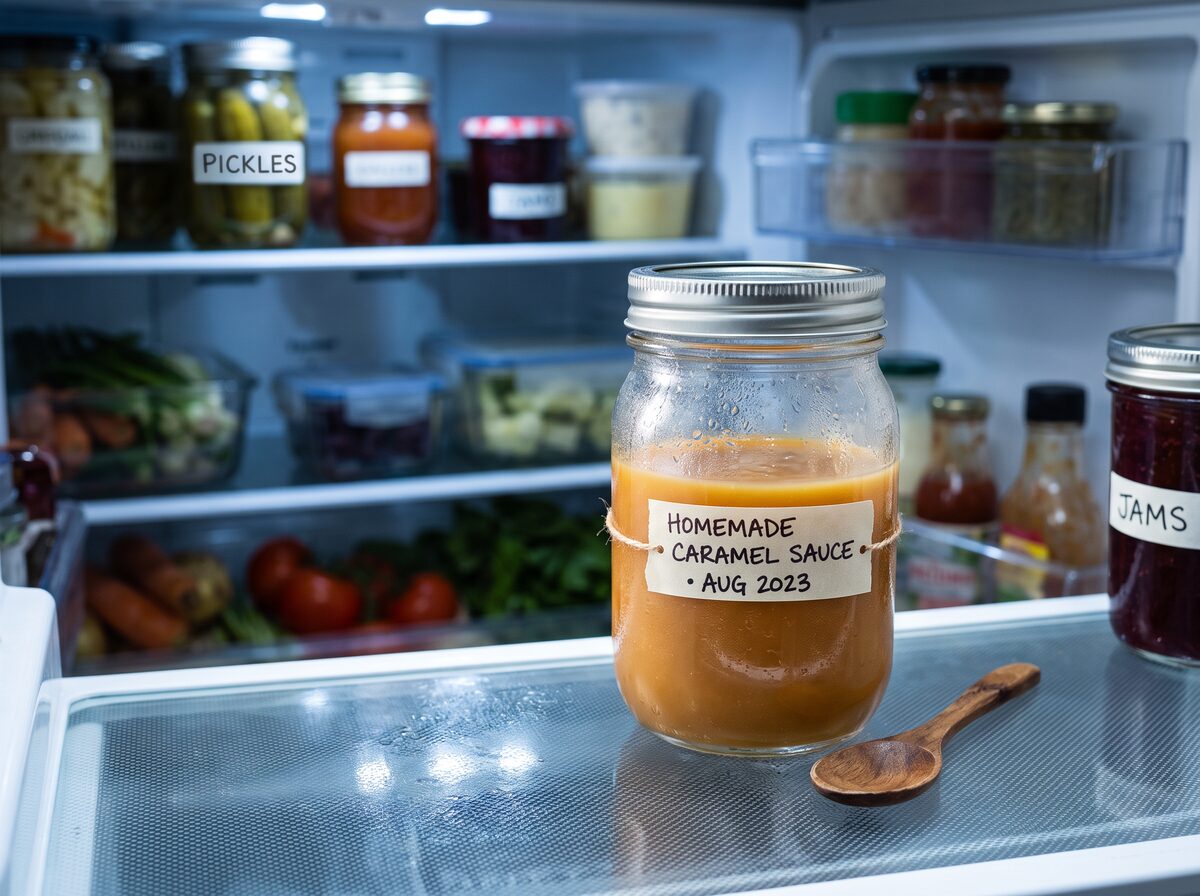
- Seal it tight: Always store your sauce in an airtight container. If you just slap on plastic wrap or use a loose lid, moisture escapes, and you’ll get crystals faster. I learned this after a week of grainy caramel – use a mason jar or a plastic deli container with a real lid. If you messed up, add a tablespoon of hot water and stir to re-dissolve the crystals.
- Cool it slow: Let your sauce cool to room temp before chilling. If you put hot sauce straight in the fridge, it can crystallize fast. I once made a huge batch of sweet-and-sour sauce and ruined the texture by rushing it. Give it 45 minutes to an hour on the counter (or a little longer if it’s a big batch). If you’re in a rush, pour it into a shallow pan to cool faster and more evenly.
- Stir before storing: Give your sauce a good whisk right before popping it in the fridge. Sometimes sugar or salt settles at the bottom while cooling. I’ve pulled thick, syrupy sauces out and found a crunchy layer – a quick stir before storage usually prevents this.
- Add a little corn syrup or honey: A small amount (about 1 teaspoon per cup of sauce) helps prevent crystallization in sweet sauces. It’s an old pastry chef trick, and it works. If you’re making homemade caramel, fudge, or even a sweet BBQ sauce, this little cheat can save you from heartbreak. Just don’t overdo it – too much and your sauce will get sticky or overly sweet.
- Don’t over-reduce: If you cook your sauce down too much, the sugar and salt get super concentrated and are almost guaranteed to crystalize. I’ve burned this more times than I’ll admit. For most sauces, reduce until just thick enough to coat the back of a spoon – then stop. If you go too far, add a splash of water or stock to loosen it up before storing.
- Emulsify well: For dressings and vinaigrettes, a powerful whisk (or even a blender) helps prevent crystals by keeping everything suspended. If you see crystals forming in the fridge, try re-blending with a teaspoon of warm water – it often brings them right back together.
How to Fix a Crystallized Sauce
If you open your sauce and it’s gone gritty, don’t panic. I’ve salvaged more sauces than I can count with these tricks:
- Reheat gently: Put the sauce in a small saucepan and warm over low heat, stirring constantly. Most sugar or salt crystals will dissolve back in. Don’t let it boil, or you might split a creamy sauce (see why creamy sauces separate for more help there).
- Add a splash of liquid: A tablespoon or two of hot water, milk, or cream (whatever matches your sauce) helps re-dissolve crystals. Start small – you can always add more, but you can’t take it out.
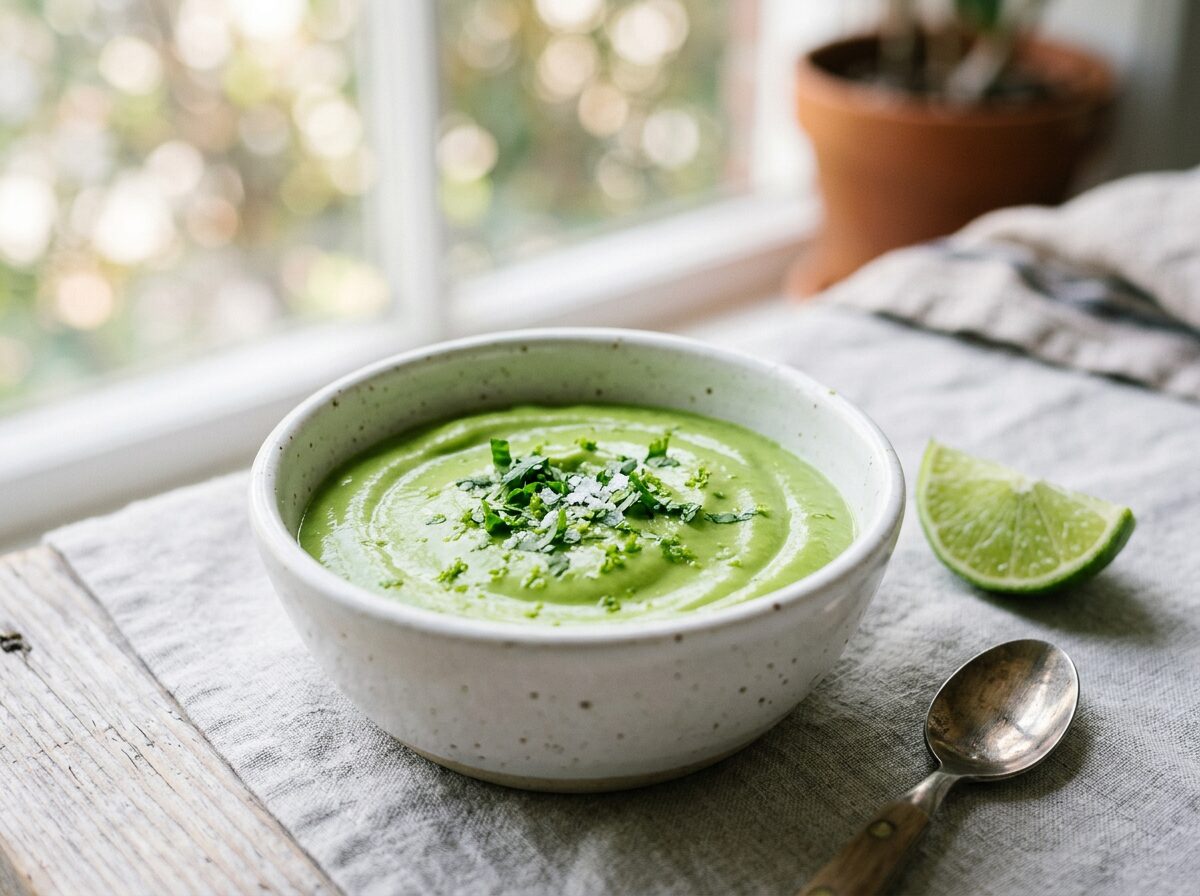
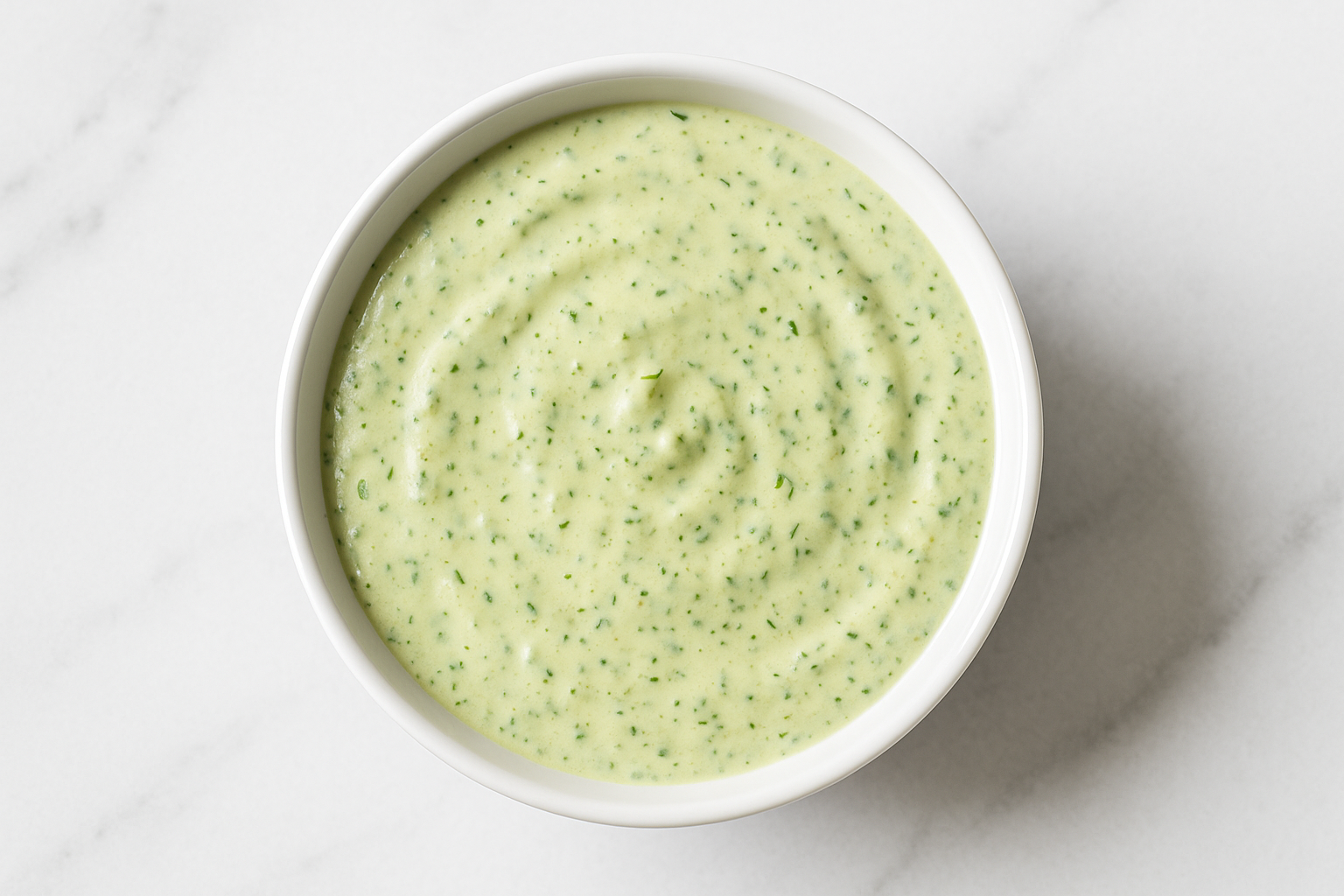
- Blend it: For vinaigrettes or creamy dips, try blitzing in a blender or with a stick blender. Sometimes the crystals are just stubborn bits that need to be broken up. This works wonders for sauces like Thermomix Creamy Roasted Garlic Caesar Dressing or Avocado Cilantro Lime Crema.
If you’ve got a thick, grainy BBQ sauce, reheat gently and stir in a teaspoon of corn syrup or honey. It usually smooths right out.
Shortcuts That Actually Work
- Store-bought stock or broth: For savory reductions, honestly, boxed stock is fine. No one (except maybe you) will notice, and you’re less likely to over-reduce and create a salt crystal mess.
- Use a squeeze of lemon or vinegar: Acid can help keep sugar from crystallizing. I add a teaspoon of white vinegar or lemon juice to sweet sauces – it’s barely noticeable, but it helps a lot.
- Skip the fancy containers: You don’t need expensive glass jars – just something with a tight-fitting lid. The $2 deli containers from the grocery store work perfectly.
- Blending over whisking: A blender (or stick blender) is just more effective than hand-whisking for emulsified or creamy sauces. It’s not cheating – it’s just smart.
When Expensive Ingredients Are (and Aren’t) Worth It
I used to think using “better” sugar or salt would solve this problem. It really doesn’t. Don’t waste money on fancy finishing salt or organic cane sugar in sauces that will be cooked and stored – the difference is basically zero. Save the good stuff for sprinkling on top right before serving, like on Copycat Texas Roadhouse Cinnamon Honey Butter.
Where it’s worth spending a little more: honey. Cheap honey crystallizes super fast, and sometimes it’s just corn syrup in disguise. A real, mid-range wildflower honey works much better for sauces and lasts longer in the fridge.
Real-Life Timing and Kitchen Chaos
Let’s be real – sometimes you’re making sauce while also wrangling dinner, kids, or your own hunger. I rarely have time to babysit a sauce for hours. If you’re cooling a big batch, spread it out in a wide pan and it’ll drop to room temp in 30-45 minutes instead of two hours. If you forget and leave it out for three hours, it’s probably fine unless it’s dairy-based (in which case, toss it – food safety first!).
When in doubt, taste before serving. If it’s gritty, try one of the fixes above. If it’s still bad, use it as a glaze for roasting or grilling – the crystals will usually dissolve in the oven or on the grill. I’ve saved more than one batch of Aji Verde by using it as a marinade after storage weirdness.
Related Sauce Storage Problems
Crystallization isn’t the only fridge disaster. If you’re fighting watery sauces, check out Why Your Creamy Sauce Turns Watery After Refrigeration. Moldy sauce jar? Been there too – here’s how to prevent mold. And if your garlic sauce turns green, I’ve got a guide for that: How to Prevent Garlic Sauce From Turning Green in the Fridge.
Best Sauces That Don’t Crystallize Easily
If you’re just over the whole crystal drama, stick with these winners:
- Authentic Lebanese Toum – stays dreamy and smooth if you store it right
- Creamy Roasted Garlic Parmesan Dip – no sugar, no problem
- Mint Cilantro Chutney – herbs, no sugar, just bright green goodness
- Creamy Chipotle Sauce – fridge-stable, never gritty
And if you want more ideas for perfect sauce pairings, check out Best Sauces for Grilled Vegetables and How to Deglaze Like a Chef for flavor-forward inspiration.
Final Thoughts: Don’t Stress, Just Taste and Tweak
At the end of the day, a little crystallization won’t ruin your food life. Most of the time, a gentle reheat or a quick blitz can bring a sauce back to life. Take a minute to cool sauces before chilling, use airtight containers, and don’t over-reduce. If you mess up – join the club. I’ve done it a hundred times. The best part about making sauces? You can almost always fix it, or at least turn it into something else delicious.
Need more tips or want to try a new sauce that won’t let you down? Browse my favorite recipes and guides – and if you come up with a new trick for fighting fridge crystals, let me know. I’m always learning in this kitchen, too.
TAGS
Try These Recipes
Related Articles
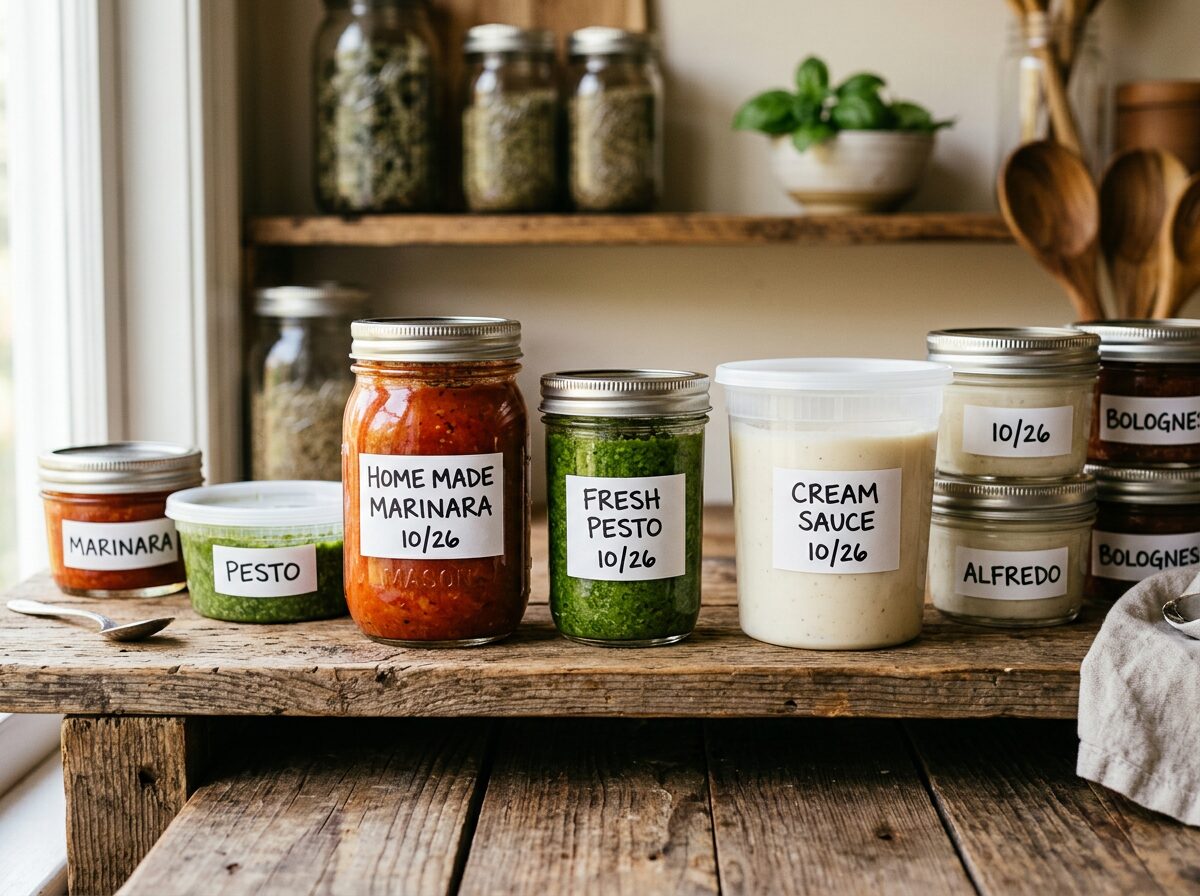
Freezing Sauces 101: Best Methods to Preserve Flavor, Texture, and Quality
Learn how to freeze sauces the right way. Discover tips on storage, thawing, and which sauces freeze best to keep flavors fresh and textures perfect.
How to Deglaze Like a Pro: Unlocking Deep Flavor for Restaurant-Quality Sauces
Master deglazing to build rich, complex sauces at home. Step-by-step techniques, liquid choices, and chef tips for pro-level flavor every time.
How to Make Copycat Raising Cane’s Sauce: The Ultimate Dipping Recipe
Craving that famous Cane’s dipping sauce? Learn how to make the best copycat Raising Cane’s Sauce at home with simple pantry ingredients and pro tips.
How to Can Sauces Safely at Home: Step-by-Step Guide for Beginners
Learn how to can homemade sauces safely with this beginner-friendly guide. Preserve tomato, BBQ, and more for months of fresh, flavorful meals.