How to Make Japanese Tare Sauce: Essential Umami Condiment Explained
Learn to make authentic Japanese tare sauce at home. Discover its uses, key ingredients, and tips for perfecting this umami-rich condiment.
Written by FoodieManiac
With over 8 years of sauce-making experience, I've tested hundreds of techniques and products to bring you practical, reliable advice. Learn more about me →
What Is Japanese Tare Sauce?
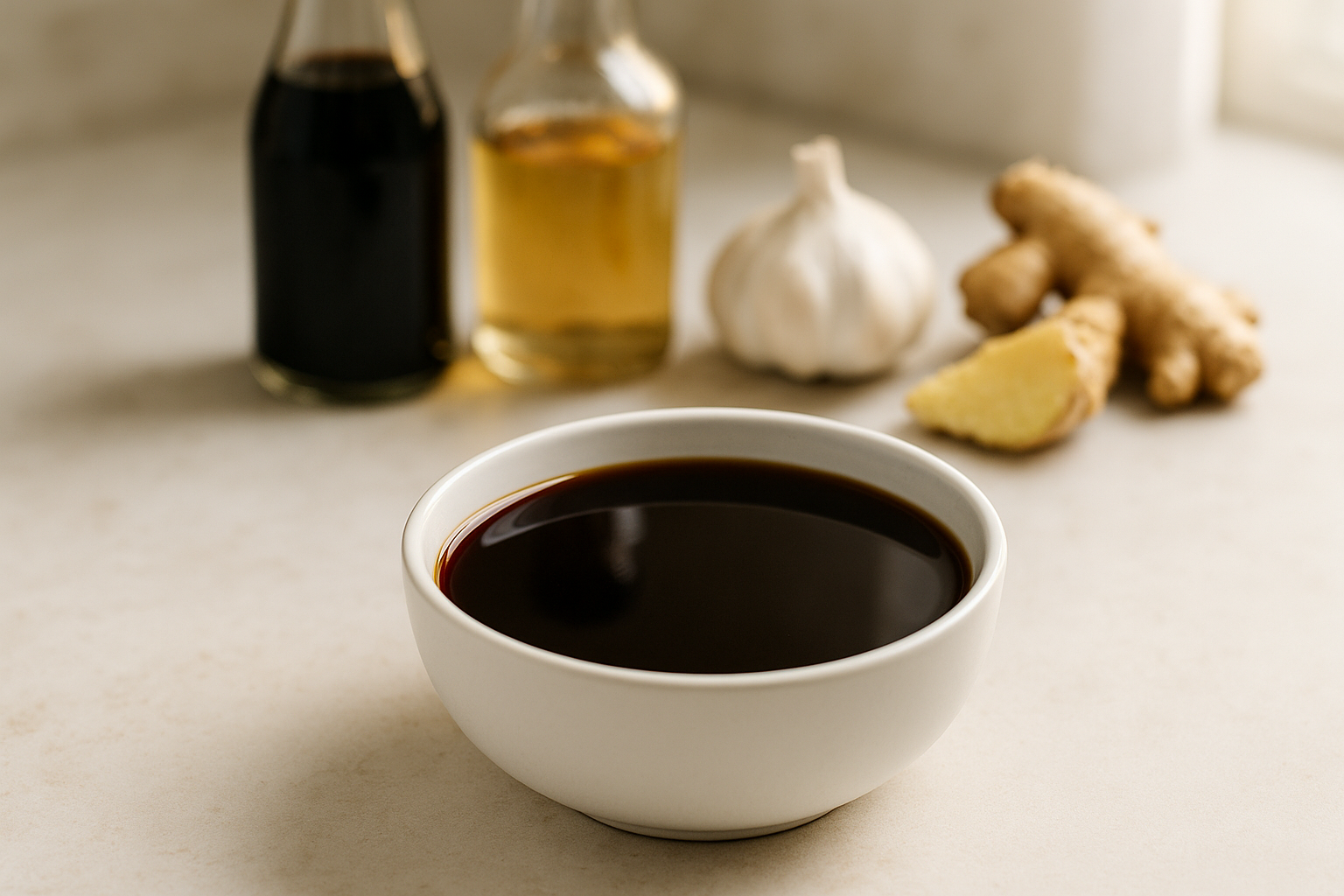
Japanese tare sauce is a foundational umami-rich condiment in Japanese cuisine, serving as both a basting sauce and a finishing glaze. It’s most commonly associated with dishes like yakitori (grilled chicken skewers), yakiniku (grilled meats), and as a flavor base for ramen broths. Tare is the Japanese word for “sauce” or “dipping sauce,” but what sets tare apart is its combination of salty, sweet, and savory elements, delivering balanced, layered flavor and glossy finish.
Tare vs. Teriyaki: Know the Difference
While tare and teriyaki sauce share similar ingredients - soy sauce, mirin, sake, and sugar - tare is more versatile, less sweet, and often used as a base for other sauces or as a grilling glaze. Teriyaki, on the other hand, is specifically sweetened and thickened for grilling or pan-cooking. For more on the distinction, see Ponzu vs. Soy Sauce: Key Differences and How to Use Each in Cooking.
Essential Ingredients for Authentic Tare
Every chef and family has their own tare recipe, but traditional tare almost always contains these essentials:
- Soy Sauce: Use naturally brewed Japanese shoyu for depth and complexity.
- Mirin: A sweet rice wine that adds gloss and mild sweetness.
- Sake: Dry Japanese rice wine for aroma and umami.
- Sugar: White sugar is classic, but brown sugar or honey can be used for deeper notes.
- Aromatics (optional): Garlic, ginger, scallions, or even dried shiitake for extra savoriness.
Some recipes add kombu (kelp) or katsuobushi (dried bonito flakes) for additional umami, especially when used as a ramen base.
Classic Japanese Tare Sauce Recipe
Ingredients
- 1 cup Japanese soy sauce (shoyu)
- 1 cup mirin
- 1/2 cup sake
- 1/3 cup white sugar (adjust to taste)
- 1 clove garlic, smashed (optional)
- 1-inch knob ginger, sliced (optional)
- 1 strip kombu (about 5 cm, optional for ramen tare)
Instructions
-
Combine Ingredients:
In a heavy-bottomed saucepan, combine soy sauce, mirin, sake, and sugar. If using, add garlic, ginger, and kombu.
-
Dissolve Sugar:
Set the pan over medium heat, stirring gently until the sugar is fully dissolved. Do not let it boil yet - this prevents burning the sugar.
-
Simmer and Reduce:
Increase the heat and bring the mixture just to a simmer (85–95°C / 185–203°F). Do not boil vigorously, as this destroys delicate aromatics and can over-reduce the sauce. Skim off any foam or impurities.
-
Cook Time:
Simmer gently, uncovered, for 15–20 minutes, or until reduced by about 20–25%. The sauce should be glossy, slightly thickened, and coat the back of a spoon. For a ramen-style tare, simmer for just 10 minutes to keep it thinner.
-
Strain and Cool:
Remove from heat. Strain out aromatics and kombu using a fine-mesh sieve for a silky finish (see: How to Strain Sauces Like a Pro: Techniques for Silky, Smooth Results). Cool to room temperature, then store in a sterilized glass jar.
Yield and Storage
This recipe yields about 1.5 cups of tare. Store tightly sealed in the refrigerator for up to 1 month. For longer storage, consider vacuum sealing (How to Vacuum Seal Sauces for Maximum Freshness and Long-Term Storage) or pasteurizing (How to Pasteurize Homemade Sauces for Longer Shelf Life at Home).
Tips for Perfect Tare Every Time
- Use the Right Soy Sauce: Japanese shoyu provides the most balanced flavor. Chinese soy sauce is saltier and less nuanced.
- Watch the Heat: Never boil tare hard. Gentle simmering preserves flavor and prevents bitterness.
- Taste As You Go: After 10 minutes, taste and adjust sugar for sweetness, or add more mirin for extra gloss.
- Strain for Smoothness: Removing solids after simmering ensures a clear, glossy sauce - especially important for finishing glazes or ramen bases.
- Layer Flavors: For a deeper umami punch, add a small piece of dried shiitake or a splash of oyster sauce during simmering.
Applications: How to Use Tare Sauce in Japanese Cooking
Basting and Grilling
Brush tare onto chicken skewers (yakitori), beef, pork, or even tofu during the last few minutes of grilling. The sugars caramelize at 180–200°C (355–390°F), forming a glossy, sticky glaze. For best results, baste every 1–2 minutes on both sides until lacquered but not burned.
Dipping Sauce
Tare is served as a dipping sauce for grilled meats, dumplings, or tempura. For dipping, you may want to thin the sauce with 1–2 tablespoons of dashi or water and serve at room temperature. Pair with sides like Creamy Jalapeño Cilantro Dip for contrast.
Ramen Base
In ramen, tare is the “secret sauce” layered at the bottom of the bowl before adding broth. A typical ramen bowl uses 1–2 tablespoons of tare, which you adjust to taste. Combine with a homemade broth for authentic results, similar to the approach in Thermomix Roasted Tomato Basil Sauce when layering flavors.
Marinade
For a quick marinade, toss meats or vegetables in tare for 30 minutes before cooking. The salt and sugar both season and tenderize proteins. Use about 1/4 cup tare per 500g (1 lb) of protein.
Customization: Making Tare Your Own
Sweet vs. Savory
For a sweeter tare, increase sugar to 1/2 cup or use 1/4 cup honey (see inspiration from Thermomix Honey Sriracha Dipping Sauce). For a more savory profile, add a teaspoon of miso or a dash of rice vinegar for acidity.
Heat and Spice
Add 1–2 teaspoons of shichimi togarashi (Japanese seven-spice) or a pinch of chili flakes for a spicy kick. Alternatively, blend in a small amount of Homemade Spicy Maple BBQ Sauce for fusion flavor.
Vegan or Gluten-Free Adaptation
Use tamari (gluten-free soy sauce) or coconut aminos for a gluten-free version. For vegan tare, ensure your mirin and sake are free from animal-derived clarifiers and avoid katsuobushi (bonito flakes).
How to Fix Common Tare Sauce Problems
- Too Salty: Add more mirin or sugar, or dilute with a tablespoon of water. If you’ve over-reduced, thin with water and simmer for 2–3 minutes. See How to Fix Over-Salted Sauces: Chef-Approved Rescue Techniques for more solutions.
- Too Thin: Simmer uncovered for 5–10 more minutes, stirring regularly, until thickened.
- Too Sweet: Add a splash more soy sauce and simmer briefly to balance.
- Lacks Umami: Add a strip of kombu or a dried shiitake mushroom and simmer for another 10 minutes.
Comparing Tare to Other Essential Sauces
If you love experimenting with sauces, try contrasting tare’s umami-forward profile with other classics: the creamy tang of Homemade Creamy Parmesan Caesar Dip, the bright acidity of Homemade Greek Lemon-Oregano Vinaigrette, or the spicy, smoky notes of Smoky Bourbon BBQ Sauce. For a garlic-forward Middle Eastern option, check out Authentic Lebanese Tarator Sauce (Tahini Garlic Sauce).
How to Store and Extend the Life of Tare Sauce
Refrigeration
Tare’s high salt and sugar content gives it a long fridge life - up to 1 month in a sterilized, airtight jar. Always use a clean spoon to prevent contamination. For tips on maximizing shelf life, see How Long Do Sauces Last? Shelf Life Guide for Homemade & Store-Bought.
Freezing
Freeze tare in small portions (ice cube trays work well) for up to 6 months. Thaw overnight in the fridge or gently rewarm on the stovetop. Freezing helps preserve flavor, especially if you’ve made a large batch.
Vacuum Sealing
For the longest storage - especially if gifting or prepping ahead - vacuum seal cooled tare in heat-safe bags. Store in the fridge or freezer. Learn how in How to Vacuum Seal Sauces for Maximum Freshness and Long-Term Storage.
Pairing Tare with Foods: Ideas and Inspiration
- Yakitori: Chicken, pork, or beef skewers, basted and grilled.
- Yakiniku: Japanese BBQ meats and vegetables.
- Ramen: Use as the base seasoning for shoyu or miso ramen broths.
- Rice Bowls: Drizzle over steamed rice with grilled protein.
- Grilled Tofu or Eggplant: Brush on and broil until caramelized.
- Fusion Dishes: Blend tare with mayo or sesame oil for a modern dipping sauce.
For more global sauce pairing ideas, see Best Sauces for Rice: 13 Flavorful Pairings From Around the World.
FAQs: Japanese Tare Sauce
Can I double or triple the recipe?
Yes. Scale up ingredients, but simmer time will increase. Use a wide pan for even reduction and check thickness regularly.
What’s the best way to thicken tare?
Simmer uncovered until the desired consistency is reached. Avoid cornstarch or flour, which cloud the sauce and dull the flavor.
Is tare always dark?
Most tare is dark, but shio (salt-based) tare for ramen is clear and pale. The color depends on the type of soy sauce and whether additional dark sweeteners like molasses or brown sugar are used.
How do I use leftover tare?
Mix with mayonnaise as a dip, stir into noodles, or drizzle over roasted vegetables. Use as a marinade for grilled meats or tofu. For creative dips, try blending with Creamy Feta Dill Dip or Creamy Jalapeño Cilantro Dip (Chuy’s Copycat).
Conclusion: Mastering Tare as a Foundation Sauce
Japanese tare sauce is an essential building block for anyone who loves umami-rich, versatile condiments. With the right technique - gentle simmering, balanced seasoning, and proper storage - you’ll have an all-purpose sauce that brings complexity and gloss to everything from grilled skewers to ramen. Once you master tare, you can branch out to other global classics, from Homemade French Onion Dip to Thermomix Honey Sriracha Dipping Sauce. For more quick sauce inspiration, check out How to Make 3-Ingredient Sauces: Fast Flavor Boosts for Any Meal.
TAGS
Related Articles
How to Make Toum: Lebanon’s Creamy Garlic Sauce and Serving Ideas
Master Lebanese toum sauce at home with this step-by-step recipe. Learn tips for perfect texture and delicious ways to use this garlicky condiment.
Worcestershire Sauce vs. Soy Sauce: Flavor, Uses, and Substitutes Compared
Compare Worcestershire sauce and soy sauce—flavor, cooking uses, substitutes, and when to use each for the best results in your recipes.
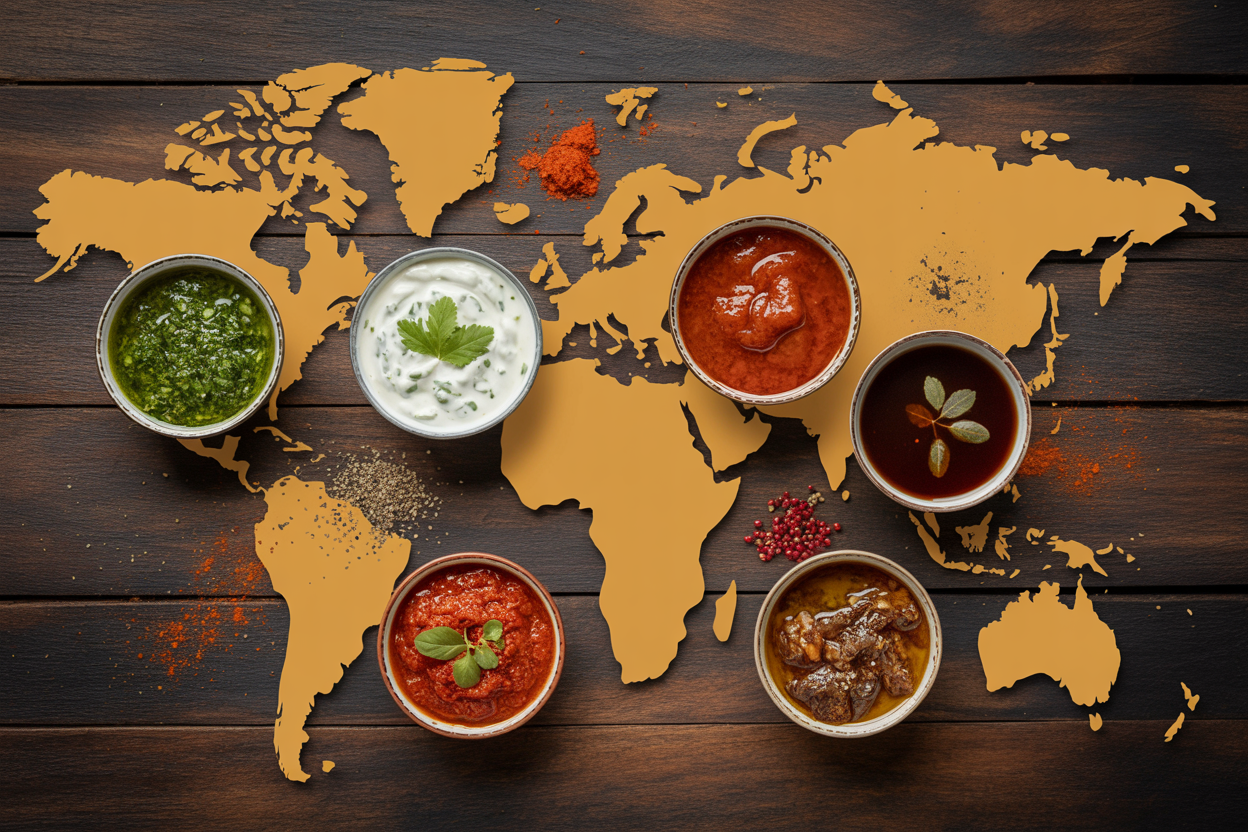
Global Sauce Traditions: A Tour of the World's Most Essential Condiments
From Argentine chimichurri to Japanese teriyaki, explore how different cultures use sauces to define their cuisine. A guide to the world's most important condiments and how to make them at home.
How to Make Copycat Big Mac Sauce: The Secret to Classic Burger Flavor
Recreate McDonald's legendary Big Mac sauce at home! Step-by-step recipe, tips, and variations for the perfect burger condiment every time.