How to Freeze Sauces the Right Way: Tips for Fresh Flavor and Texture
Learn how to freeze sauces, dressings, and dips for best results. Step-by-step guide to preserving flavor, texture, and quality for future use.
Written by FoodieManiac
With over 8 years of sauce-making experience, I've tested hundreds of techniques and products to bring you practical, reliable advice. Learn more about me →
Why Freezing Sauces Matters: Flavor, Texture, and Food Safety
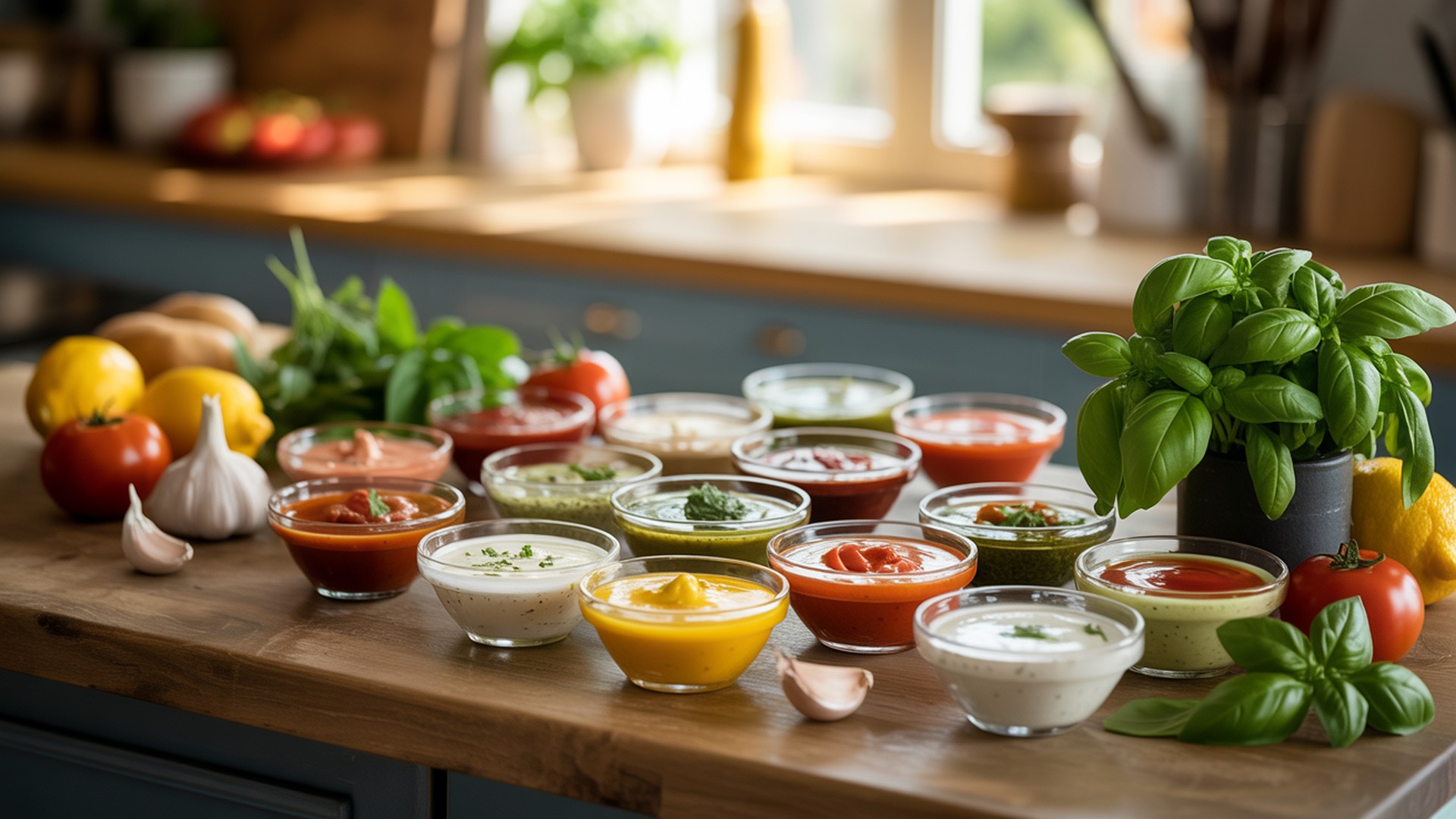
Freezing sauces can be a lifesaver for home cooks, allowing you to preserve homemade creations, make meal prep easier, and minimize waste. But not every sauce freezes equally well. The difference between a sauce that emerges from the freezer vibrant and delicious and one that’s separated, grainy, or bland comes down to understanding the science of freezing, how different ingredients react to cold, and following best practices for safety and quality. In this guide, you’ll learn exactly how to freeze sauces the right way, maintain fresh flavor, avoid common pitfalls, and reheat them safely.
Which Sauces Freeze Well—and Which Don’t
Before freezing, assess your sauce’s ingredients. Water-based sauces generally freeze best, while dairy- or egg-based sauces may suffer in texture. Here’s a breakdown:
- Freeze Well: Tomato sauces, BBQ sauces, salsas, gravies (without cream), pesto (without cheese), chimichurri, and hot sauces.
- Freeze With Caution: Cream sauces, cheese-based sauces, mayonnaise or aioli, yogurt-based dressings, vinaigrettes, and emulsified dressings.
- Don’t Freeze: Sauces with raw eggs (like some hollandaise), high-water-content fresh herb sauces (unless blended), and delicate emulsions that rely on fresh texture.
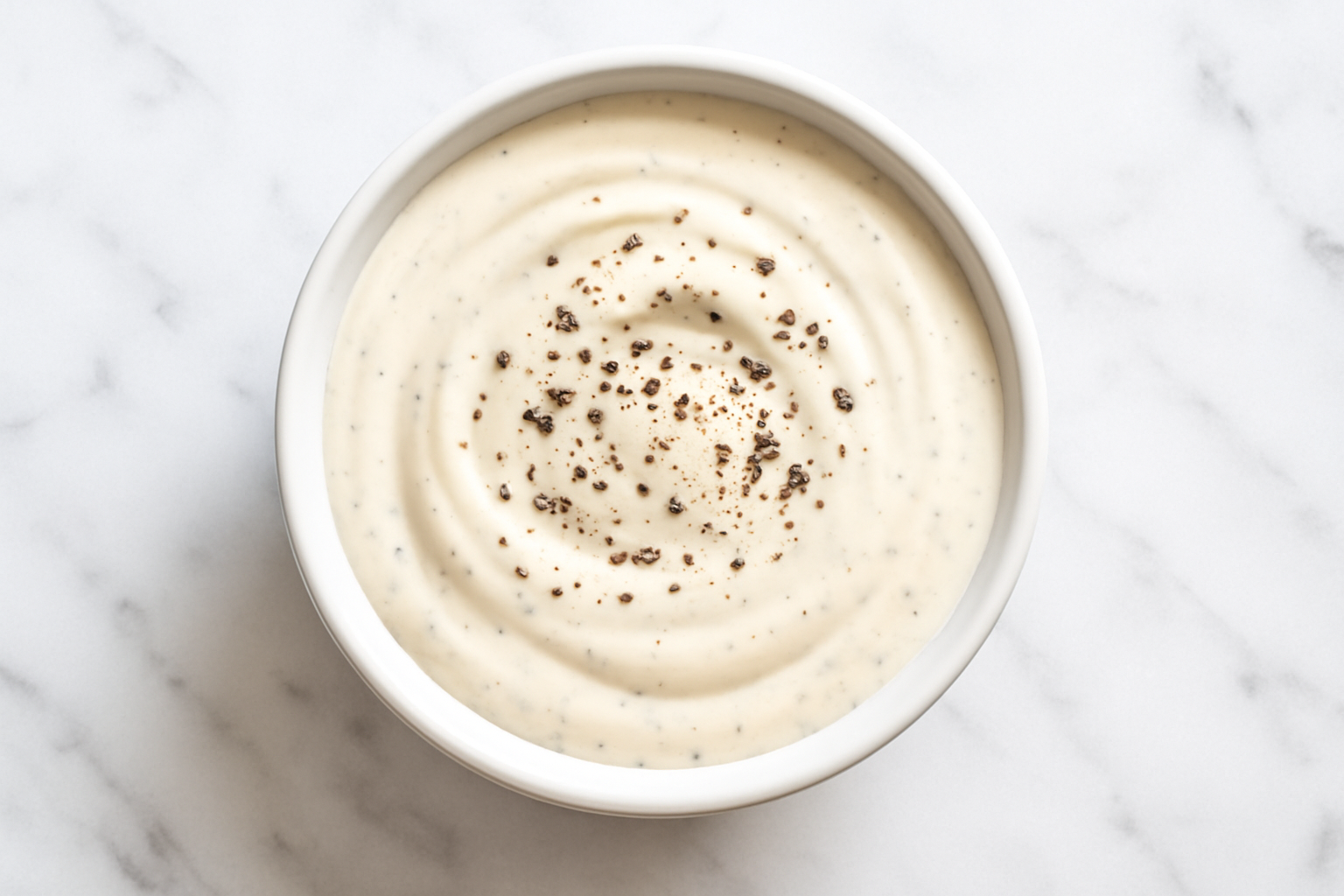
For example, tomato-based sauces such as a traditional marinara or tangy BBQ sauce like our Sweet & Spicy Pineapple Habanero BBQ Sauce freeze beautifully. In contrast, creamy dressings such as the Creamy Cilantro Lime Yogurt Dressing may separate and lose their silky consistency after thawing.
Ingredient Considerations
Starches (flour, cornstarch) can break down and thin out after freezing and thawing; consider using arrowroot or tapioca starch, which freeze and thaw more reliably. Dairy separates and loses its smoothness. Emulsions (oil and vinegar, mayonnaise) can break and turn grainy. Herbs can darken or lose flavor if not protected with enough oil. For more details, see Freezing Sauces 101: How to Preserve Flavor, Texture, and Quality.
How to Prepare Sauces for Freezing
Proper prep before freezing ensures your sauce retains its best flavor and texture during storage and upon reheating.
Cool Your Sauce Quickly and Safely
Never freeze hot sauce. Hot foods raise the freezer’s internal temperature, risking food safety and causing ice crystals that ruin texture. Instead, cool your sauce to below 40°F (4°C) within two hours. To cool quickly:
- Divide large batches into shallow containers (no more than 2 inches deep).
- Set the container in a larger bowl of ice water, stirring occasionally.
- When the sauce reaches room temperature, refrigerate until fully chilled.
Choose the Right Containers
Air exposure is your sauce’s enemy in the freezer. Use these options:
- Freezer bags: Squeeze out as much air as possible. Lay flat for quick freezing and efficient storage.
- Rigid plastic containers: Leave ½ inch headspace for expansion. Choose BPA-free, freezer-safe containers.
- Ice cube trays or silicone molds: Great for freezing small portions of sauces like chimichurri or pesto. Once frozen, pop out cubes and transfer to a freezer bag.
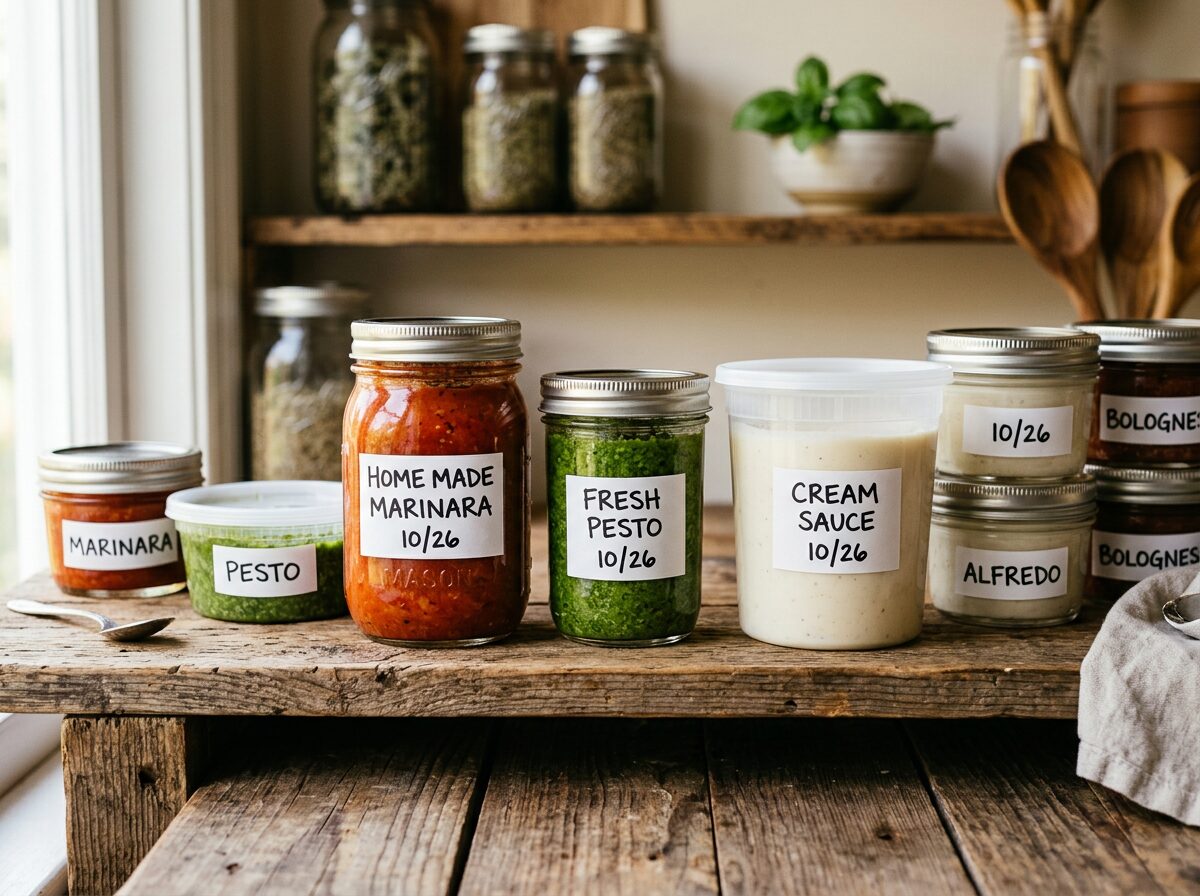
Label every container with the sauce name and date. Most sauces are best used within 3-4 months for optimal flavor and texture.
Portion for Convenience
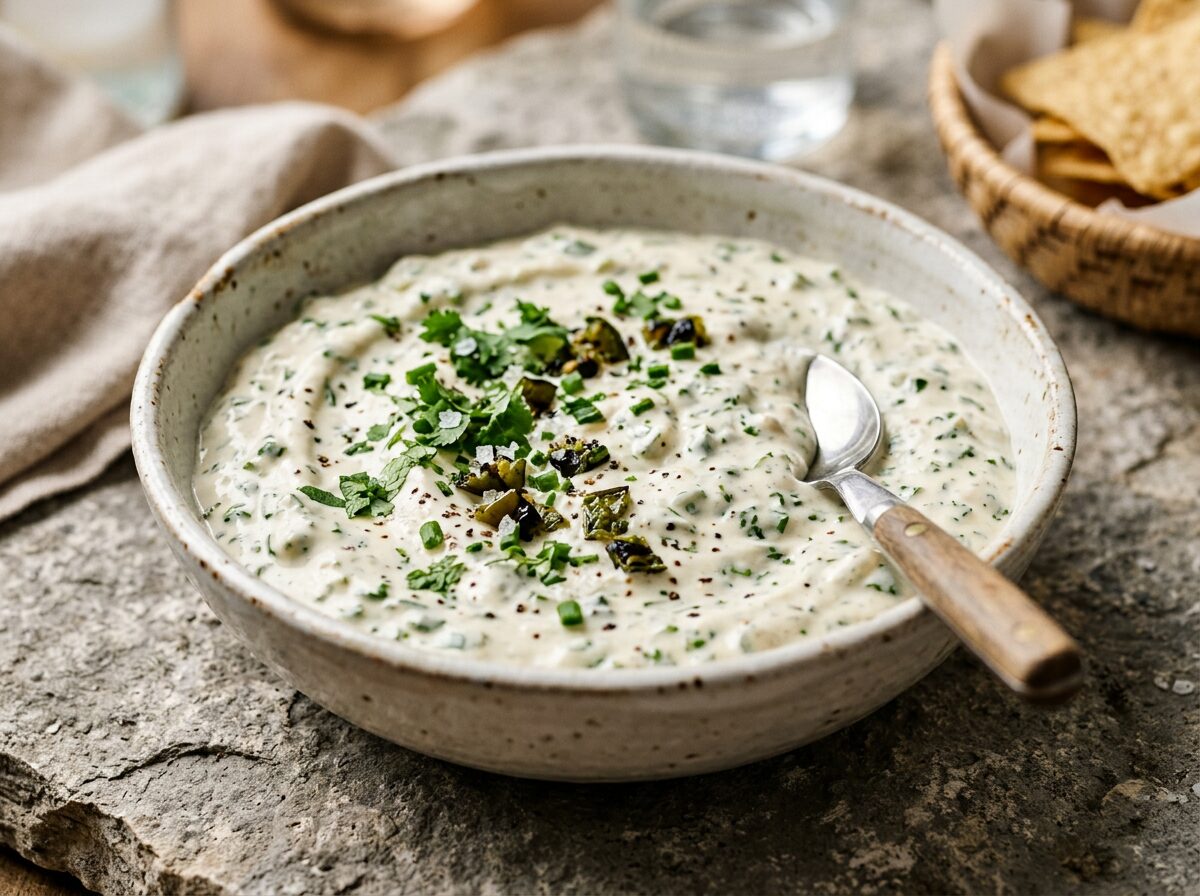
Portioning sauces before freezing makes reheating faster and reduces waste. Freeze in ½-cup, 1-cup, or single-serving sizes depending on how you’ll use them. For example, freeze a spicy dip like Creamy Roasted Jalapeño Ranch Dip in 2-tablespoon portions for easy snack prep.
How to Freeze Sauces: Step-by-Step
Follow these practical steps to ensure your sauces freeze and reheat successfully:
- Cool sauce to below 40°F (4°C) within 2 hours of cooking.
- Choose and prep containers. Fill, leaving room for expansion, and remove as much air as possible.
- Label containers with sauce name and freeze date.
- Lay bags flat or arrange containers with space for air circulation. This allows rapid freezing and helps maintain texture.
- Set your freezer to 0°F (-18°C) or below. Rapid freezing prevents ice crystals and texture loss.
- Freeze sauce for up to 3-4 months for best results. After that, flavor and consistency can decline.
For a more detailed look at freezing and preserving sauces, check out our guide How to Freeze Sauces: Best Methods for Preserving Flavor and Texture.
Tips for Freezing Specific Types of Sauces
Tomato and BBQ Sauces
These sauces are among the easiest to freeze. Tomato’s natural acidity helps preserve flavor. Cool completely, portion, and freeze as described above. Try freezing our Homemade Carolina Gold Mustard BBQ Sauce or Homemade Spicy Alabama Red BBQ Sauce. For optimal freshness, avoid adding fresh herbs or cheese before freezing—stir them in after reheating.
Cream- and Cheese-Based Sauces
Fat separates from water when frozen, causing “broken” sauces. To minimize this:
- Use heavy cream instead of milk; higher fat content resists separation.
- Thicken with a roux (butter and flour) rather than just cornstarch.
- Reheat gently, whisking constantly to reincorporate fats.
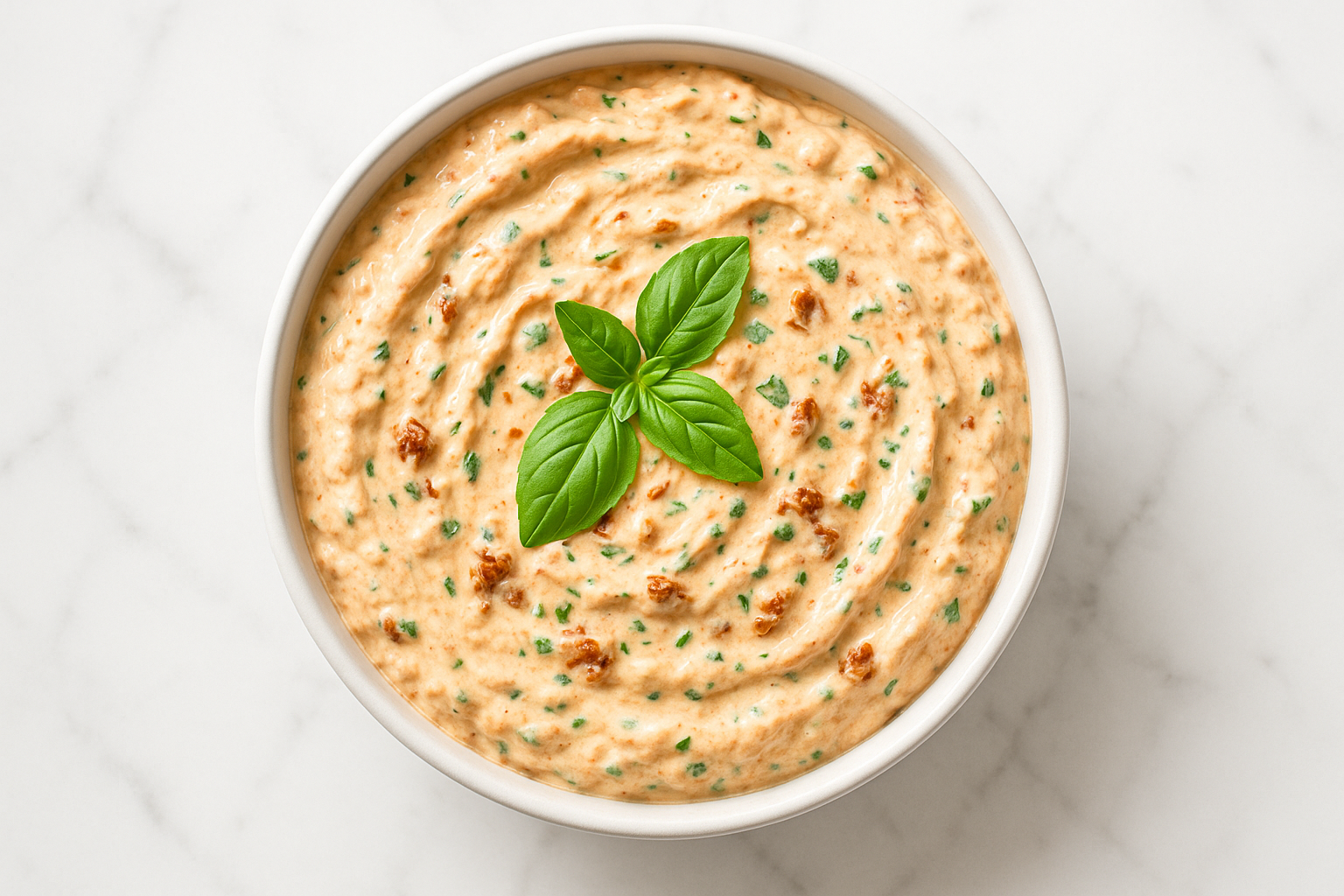
If you’re freezing a dressing like Thermomix Creamy Roasted Garlic & Herb Salad Dressing, expect some separation; blend vigorously after thawing. For more on why some creamy sauces don’t freeze well, see Sour Cream vs. Mayonnaise in Sauces: Which Works Best and Why.
Herb-Based and Oil-Based Sauces
Fresh herb sauces like Authentic Moroccan Chermoula Sauce freeze best when blended with enough oil to protect the herbs. For chimichurri or pesto, consider omitting cheese or nuts and adding them fresh after thawing. Freeze in small portions to preserve vibrant color and flavor.
Yogurt and Mayonnaise-Based Dressings
These sauces, like Creamy Cilantro Lime Yogurt Dressing, often separate and become grainy after freezing. If you must freeze them, whisk in a teaspoon of cornstarch per cup of sauce before freezing, which can help stabilize the emulsion. Thaw gently in the fridge and re-blend before serving.
How to Thaw and Reheat Frozen Sauces
Thawing Safely
Thaw sauces in the refrigerator overnight for the best texture and food safety. If in a hurry, thaw sealed bags under cold running water (never at room temperature, as this encourages bacterial growth). For sauces frozen in cubes, transfer directly to a saucepan or microwave-safe dish.
Reheating Without Ruining Texture
Reheat gently over low heat, stirring often. High or direct heat causes dairy and emulsified sauces to separate.
- For creamy or emulsified sauces, whisk constantly and consider adding a splash of milk, cream, or hot water to restore smoothness.
- For herby or oil-based sauces, re-blend with a fresh squeeze of lemon or a drizzle of olive oil to wake up flavors.
- Taste and adjust seasoning after reheating, as freezing can mute salt, acid, and spice notes.
If your sauce separates or looks grainy, see How to Fix a Too-Salty Sauce: Proven Techniques for Instant Rescue for troubleshooting tips, as many fixes for over-salted sauces also apply to texture issues.
Expert Tips for the Best Frozen Sauces
- Freeze sauces as soon as possible after making. The fresher the sauce when frozen, the better the flavor after thawing.
- Don’t freeze sauces with pasta or grains mixed in. Freeze sauce and starches separately for best texture.
- Add fresh herbs, citrus, or cream after thawing whenever possible. This restores brightness and texture lost in the freezer.
- Use a vacuum sealer for long-term storage. Removing all air dramatically extends freezer life and preserves flavor.
For more tips and pitfalls to avoid, see Freezing Sauces 101: Best Methods for Preserving Flavor and Texture.
Freezing Sauces: Real-World Examples
Here are four sauce recipes that freeze and reheat beautifully, plus tips for each:
- Sweet & Spicy Pineapple Habanero BBQ Sauce: Portion and freeze in ½-cup jars for grilling. Stir in fresh pineapple chunks after thawing for maximum texture.
- Authentic Moroccan Chermoula Sauce Recipe: Freeze in small containers, drizzle with a film of olive oil before sealing to lock in color and flavor.
- Creamy Roasted Jalapeño Ranch Dip: Freeze in 2-tablespoon cubes for snacks. Re-blend with fresh herbs after thawing to refresh flavor.
- Creamy Cilantro Lime Yogurt Dressing: Freeze in small jars; expect some separation. Shake or blend vigorously after thawing and add a squeeze of lime to revive.
Looking for more sauce recipe inspiration? Try our Thermomix Buffalo Wing Sauce or Authentic Lebanese Muhammara (Spicy Red Pepper & Walnut Dip) Recipe which also freeze well.
Frequently Asked Questions About Freezing Sauces
How long can I store frozen sauce?
Most sauces maintain optimal quality for 3-4 months at 0°F (-18°C). Acidic sauces (like tomato and vinegar-based) may last up to 6 months, but flavor and texture begin to decline after 4 months. Labeling containers is critical.
Can I refreeze sauce after thawing?
For food safety, only refreeze sauce if it was thawed in the refrigerator and not left at room temperature. However, repeated freezing and thawing worsens texture and flavor. Portioning before freezing helps avoid this issue.
Why did my sauce separate after freezing?
Separation is common with dairy, eggs, and emulsified sauces. Freezing breaks down bonds between fats and water. To fix it, reheat gently and whisk vigorously. For more troubleshooting, see Why Your Homemade Sauce Turns Watery in the Fridge - Causes and Fixes.
What’s the best way to freeze small amounts of sauce?
Use ice cube trays, silicone molds, or mini muffin tins. Each cube is about 2 tablespoons. Once frozen solid, transfer cubes to a freezer bag. This works especially well for sauces like chimichurri, muhammara, or pesto.
Summary: Key Steps for Freezing Sauces With Fresh Flavor and Texture
- Freeze only sauces that will maintain flavor and texture—avoid raw eggs and delicate emulsions.
- Cool quickly and freeze in airtight, portioned containers at 0°F (-18°C) or colder.
- Label, use within 3-4 months, and add delicate ingredients like herbs or cream after thawing.
- Thaw in the fridge, reheat gently, and blend if texture separates.
With these steps, you’ll preserve your sauce masterpieces for months. For more quick sauce ideas, see our guide How to Make 2-Ingredient Sauces: Fast Flavor Boosts for Any Meal. And if you’re pairing sauces with veggies, don’t miss How to Pair Sauces With Roasted Root Vegetables: Best Flavor Matches.
TAGS
Try These Recipes
Related Articles
Freezing Sauces 101: Best Sauces to Freeze and How to Thaw Them Safely
Discover which sauces freeze well, step-by-step freezing methods, and how to safely thaw for best flavor and texture. Preserve your homemade sauces longer.
Freezing Sauces 101: Best Methods to Preserve Flavor, Texture, and Quality
Learn how to freeze sauces the right way. Discover tips on storage, thawing, and which sauces freeze best to keep flavors fresh and textures perfect.
How to Freeze Sauces: Best Methods for Preserving Flavor and Texture
Learn how to freeze sauces, dips, and dressings safely for long-term storage. Get tips to maintain flavor, texture, and quality when thawing and reheating.
How to Freeze Sauces for Maximum Freshness: Methods, Tips, and Mistakes to Avoid
Learn the best techniques to freeze sauces, dressings, and dips. Discover which sauces freeze well, storage tips, and how to thaw for best results.