How to Pair Sauces With Roasted Root Vegetables: Best Flavor Matches
Struggling to find sauces that complement roasted root vegetables? Discover the best flavor pairings for carrots, parsnips, beets, and more.

Written by FoodieManiac
With over 8 years of sauce-making experience, I've tested hundreds of techniques and products to bring you practical, reliable advice. Learn more about me →
Why Sauces Matter With Roasted Root Vegetables (And Why I Used to Skip Them)
I’ll be honest: for years, I roasted root vegetables with olive oil, salt, and pepper and called it a day. I’d tell myself, “They’re sweet enough! Why complicate it?” But one winter, after eating my eighth tray of plain carrots and parsnips, I started experimenting with sauces. It changed everything. The right sauce doesn’t just make roasted roots more interesting - it can totally change the vibe of the meal. A tangy yogurt sauce cuts through sweetness. A spicy BBQ glaze makes humble turnips party food. I’ve had some absolute disasters (horseradish overload…never again), but when you nail it, you’ll never go back to plain veg again.
What Makes Roasted Roots Special (and Tricky to Pair)
Roasted root vegetables - think carrots, parsnips, beets, sweet potatoes, turnips, rutabaga - get sweeter and more intense in the oven. That’s the magic, but it’s also the challenge. Anything too sweet on top makes them taste like dessert. Anything too bitter or heavy can drown them out. The best sauces either highlight their sweetness with contrast (think herby or tangy), or lean into it with warmth and a little richness. The trick is balance. I’ve ruined perfectly good trays by adding a sauce that was just too much - so learn from me!
How to Build Flavors: The Main Types of Sauces That Work
Yogurt & Creamy Sauces
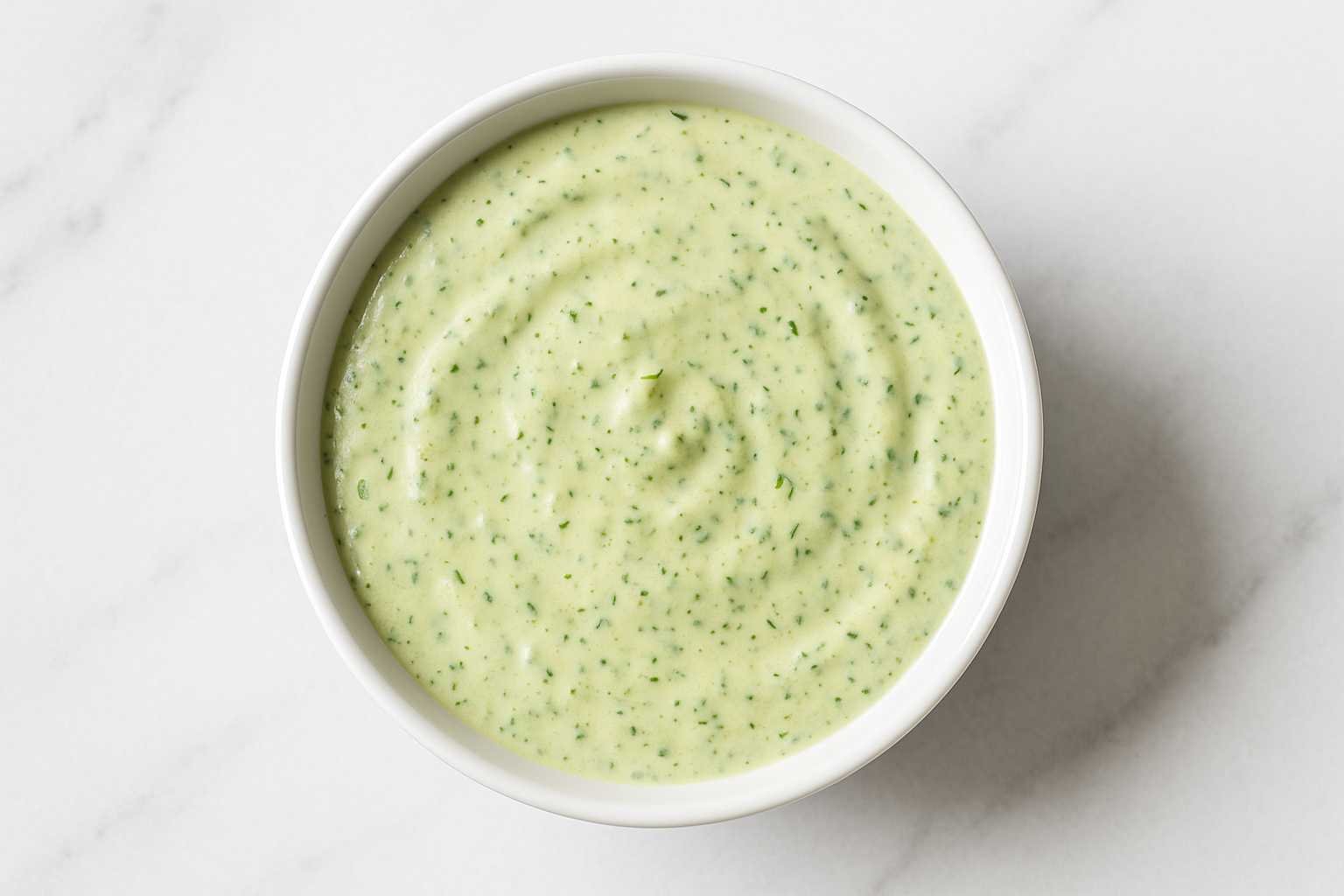
I reach for these whenever I make roasted carrots, beets, or sweet potatoes. The coolness and tang play off the caramelized flavors. Go for something with lemon, herbs, or a bit of garlic. You can use Greek yogurt, sour cream, or even a plant-based yogurt - honestly, they all work. If you want a shortcut, try my Creamy Cilantro Lime Yogurt Dressing. It’s ready in five minutes and somehow makes even turnips taste fancy.
Herb & Green Sauces
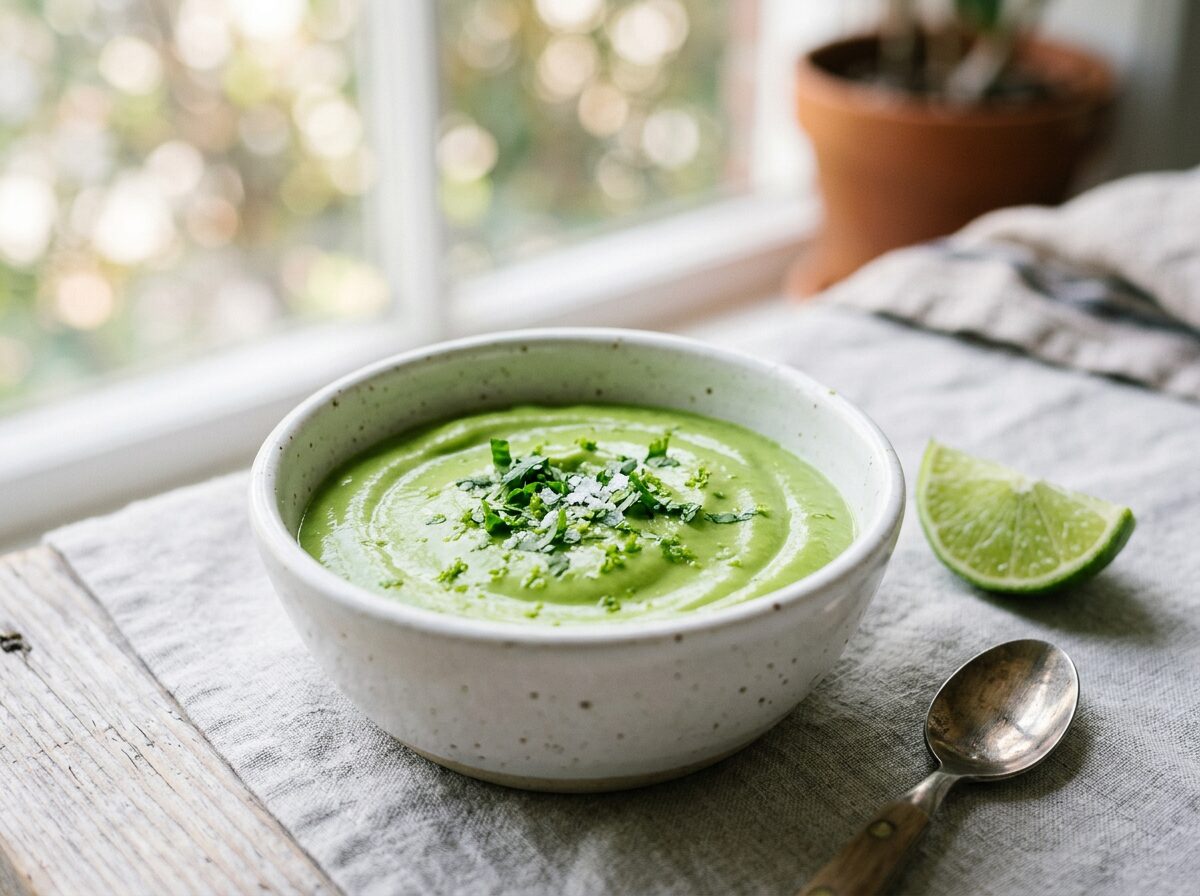
Herby sauces are my secret weapon for earthy roots like parsnips and rutabaga. Chimichurri, chermoula, salsa verde - anything bright and green. My go-to? Authentic Moroccan Chermoula Sauce. It’s loaded with cilantro, parsley, lemon, and spices. It wakes everything up. I also love Avocado Cilantro Lime Crema on roasted sweet potatoes. Just don’t use old, sad herbs - they’ll make the sauce taste flat.
Nutty & Pepper Sauces
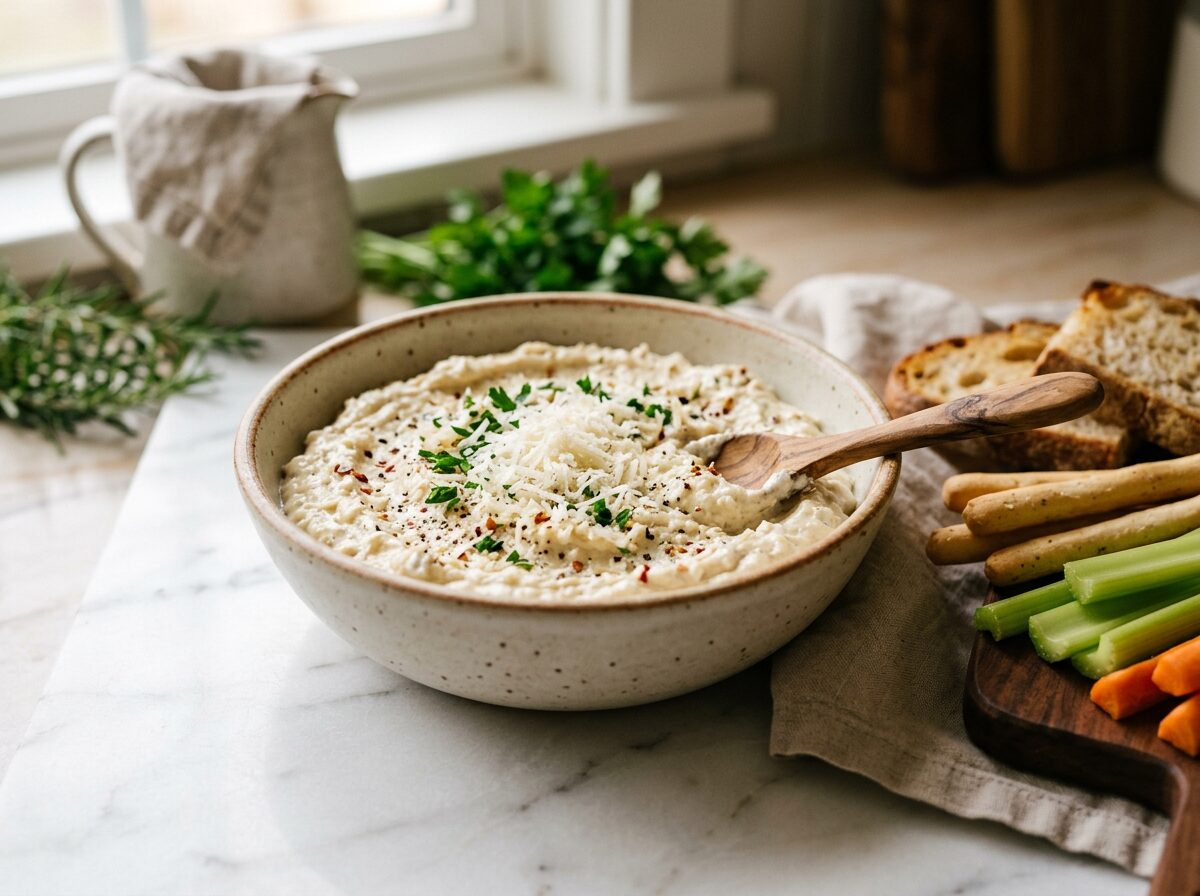
For beets or anything with a deep, earthy flavor, I love something with walnuts or roasted peppers. Muhammara is insane with roasted beets. Or try Roasted Red Pepper Feta Dip (Htipiti) for a salty, tangy kick. The trick is to not drown the vegetables. Start with a spoonful on the side and dip as you go.
Sweet & Spicy Glazes
Some roots (like carrots and sweet potatoes) love a little heat and sweetness, but don’t go overboard. A thin drizzle of Sweet & Spicy Pineapple Habanero BBQ Sauce is wild on roasted carrots. Or try Carolina Gold Mustard BBQ Sauce for a tangy, sharp twist. If you’re making a batch for kids, keep the spicy sauces on the side.
Buttery & Warm Sauces
I swore I’d never like sweet potatoes with anything sweet, but Cinnamon Honey Butter is a classic for a reason. It’s dessert-y, sure, but sometimes that’s what you want. Just don’t use expensive European butter here - store brand is fine. Save the good stuff for bread.
Specific Pairings: My Favorite Combos (After Way Too Much Testing)
Carrots
- Best with: Yogurt sauces, spicy BBQ glazes, green sauces
- Try: Creamy Roasted Jalapeño Ranch Dip or Spicy Pineapple BBQ Sauce
- Why: Carrots get super sweet, so tang and heat keep them from tasting like baby food. I learned this after making one too many maple-glazed carrots that were just too much sugar.
Beets
- Best with: Yogurt with horseradish, nutty red pepper dips, garlicky green sauces
- Try: Creamy Roasted Beetroot & Horseradish Dip or Muhammara
- Why: The earthiness of beets needs something bold. I once tried plain tzatziki and it tasted weirdly metallic. Add horseradish or walnuts and it comes alive.
Parsnips & Rutabaga
- Best with: Sharp, herby sauces, mustard vinaigrettes
- Try: Chermoula or Carolina Gold Mustard BBQ Sauce
- Why: The bitterness of parsnips and rutabaga is mellowed by acid and fresh herbs. I’ve over-salted these before to try to hide the bitterness - don’t do that. Sauce is a better fix.
Sweet Potatoes
- Best with: Creamy, spicy, or tangy sauces. Honey butter for full comfort mode.
- Try: Cilantro Lime Yogurt Dressing or Cinnamon Honey Butter
- Why: I like to balance their sweetness with acid. If you go sweet on sweet, just add flaky salt at the end. Learned that one the hard way.
Turnips
- Best with: Creamy sauces or herby dressings with a little garlic
- Try: Roasted Garlic & Herb Salad Dressing
- Why: Turnips can be assertive. I used to avoid them, but garlic and herbs mellow them out without covering them up.
How (and When) to Sauce: The Timing Trick
Here’s the thing I wish I’d known: don’t always sauce roasted roots right out of the oven. If the sauce is creamy or dairy-based, spoon it on after the veggies cool a bit. Hot veg can split yogurt sauces or make them runny. If your sauce is more like a glaze (BBQ, honey-mustard), toss the roots in the last 5 minutes of roasting. The sauce will caramelize and stick, but watch it - I’ve burned sugar glazes more times than I’ll admit. If you’re serving a crowd with picky eaters, keep sauces on the side. That way, everyone can dip at their own risk.
Tested Tips
- Stagger your roasting: Not all roots cook at the same pace. If you mix carrots and beets, cut beets smaller or start them 10 minutes earlier. I used to end up with mushy carrots and rock-hard beets.
- Sauce on the side for crispy edges: Tossing roasted roots in sauce too soon can make them soggy. If you love those crispy bits, serve sauces on the side. Learned this after too many trays of limp sweet potatoes.
- Salt your sauce, not just your veg: If your sauce is under-seasoned, it’ll taste bland on sweet veg. Start with half a teaspoon of salt, taste, then add more. Need to rescue a too-salty sauce? See my fixes in How to Fix a Too-Salty Sauce.
- Don’t skip the acid: Lemon juice, vinegar, or a splash of pickle brine in your sauce cuts through the sweetness of roasted roots. Once, I made a honey-mustard dip without any acid and it tasted flat and weirdly heavy.
- Store-bought is okay (sometimes): If you’re tired, plain Greek yogurt with lemon and salt is honestly great. Don’t let anyone guilt you into making everything from scratch. But skip bottled “ranch” - it usually tastes fake on veggies.
- Let roots cool before saucing with yogurt: Hot veg melts and splits yogurt sauces. Let them cool at least 10 minutes, then dollop. If you mess up, just stir the sauce and eat anyway - it’ll still taste good, just not as pretty.
Shortcut Sauces That Actually Work
Some nights, I want a sauce but don’t want to chop, blend, and clean up a mess. Here are a few combos that save me:
- 2-Ingredient Yogurt Dip: Mix 1 cup Greek yogurt with 2 tablespoons jarred pesto or harissa. Salt to taste. Done. For more quick ideas, check out How to Make 2-Ingredient Sauces.
- Simple Lemon Garlic Oil: Whisk together 3 tablespoons olive oil, 1 tablespoon lemon juice, 1 grated garlic clove, and a pinch of salt. Drizzle over any root veg.
- Store-Bought BBQ + Hot Sauce: Mix equal parts BBQ sauce and your favorite hot sauce. Thin with a splash of water if it’s too thick. This is my “oh no, dinner is late” trick for sweet potatoes.
Common Mistakes (And How to Fix Them)
- Too bland? Add more acid (lemon, vinegar) or a pinch of salt. If it’s still flat, try a fresh herb or a little garlic.
- Too sweet? Add acid or a tiny pinch of cayenne. Or just serve with something creamy and tangy on the side to balance it out.
- Sauce split or got watery? Don’t panic. This happens to me with yogurt sauces if the veg is too hot or the sauce sits too long. Whisk it back together or check out Why Your Homemade Sauce Turns Watery in the Fridge for more fixes.
More Inspiration: My Go-To Recipes for Roasted Roots
If you want to get fancy (or impress someone), here are a few sauces from the site that just work with roasted root vegetables:
- Authentic Lebanese Muhammara - killer with beets or carrots
- Creamy Cilantro Lime Yogurt Dressing - for sweet potatoes or parsnips
- Carolina Gold Mustard BBQ Sauce - try this with rutabaga or parsnips, it’s wild
- Creamy Roasted Garlic & Herb Salad Dressing - this is magic on roasted turnips
Bonus: What Happens If You Skip the Sauce?
Honestly, plain roasted root vegetables are fine. But after you try them with a sauce, it’s hard to go back. Even the simplest drizzle makes them feel like a real dish, not just a side you threw together. If you’re out of time, just use olive oil, squeeze over some lemon, and sprinkle with salt. But if you want to level up, sauce is the way.
Want to Dive Deeper?
If you want more ideas for pairing sauces and veg, I wrote a whole guide on How to Pair Sauces With Grilled Vegetables Without Overpowering Flavor. Or if you’re in a rush, How to Make 3-Ingredient Sauces has some shockingly good combos you can whip up in two minutes. And if your sauce ever turns out too thin or too thick, check out Why Your Sauce Gets Too Thick as It Cools for how to fix it.
Final Thoughts (from Someone Who’s Burned, Split, and Oversalted It All)
Pairing sauces with roasted root vegetables isn’t about being fancy. It’s about making something humble taste special. Don’t be afraid to experiment - just remember, you can always add more sauce, but you can’t take it away. Taste as you go, use what you have, and don’t stress about perfection. The best sauce is the one you actually want to eat.
TAGS
Try These Recipes
Related Articles
Worcestershire Sauce vs. Soy Sauce: Flavor, Uses, and Substitution Guide
Compare Worcestershire and soy sauce: taste, ingredients, best uses, and when to substitute. Upgrade your recipes with the right savory condiment.
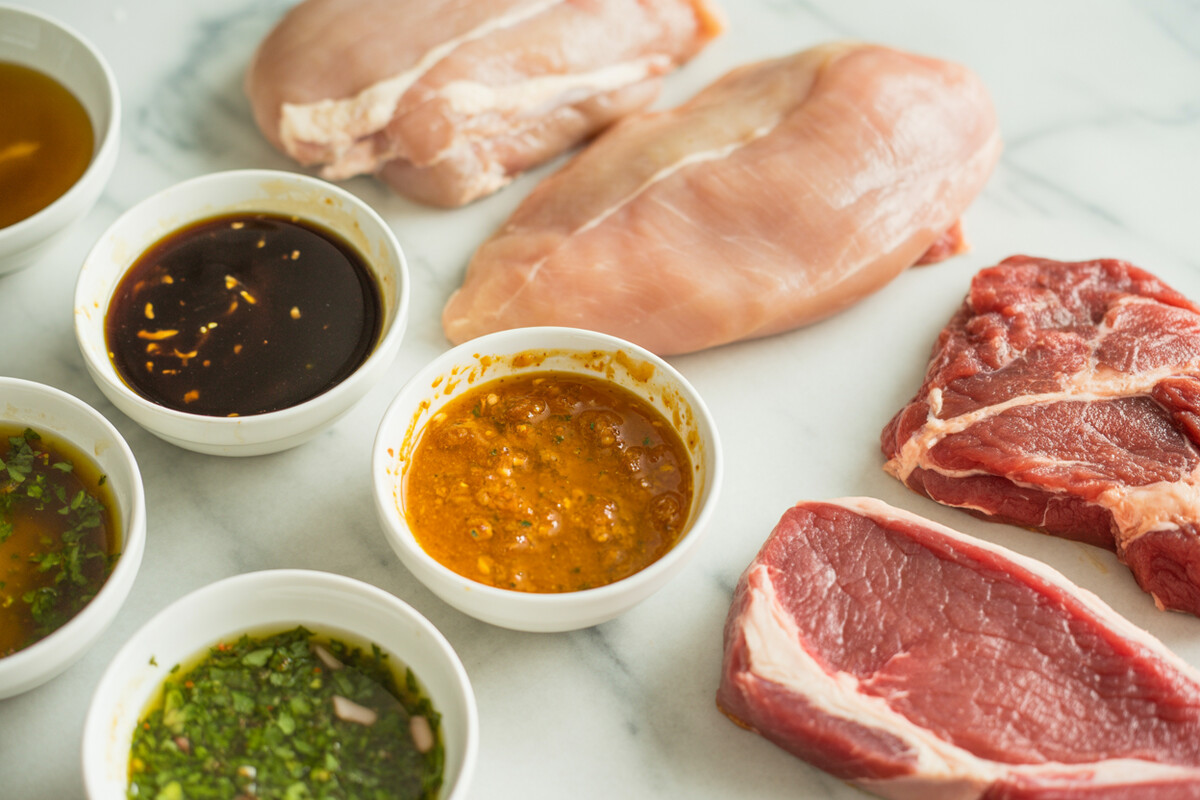
10-Minute Marinades: Quick Sauces to Instantly Upgrade Any Protein
Discover fast, flavor-packed marinades you can whip up in 10 minutes to transform chicken, beef, fish, or tofu. Easy recipes, bold results!
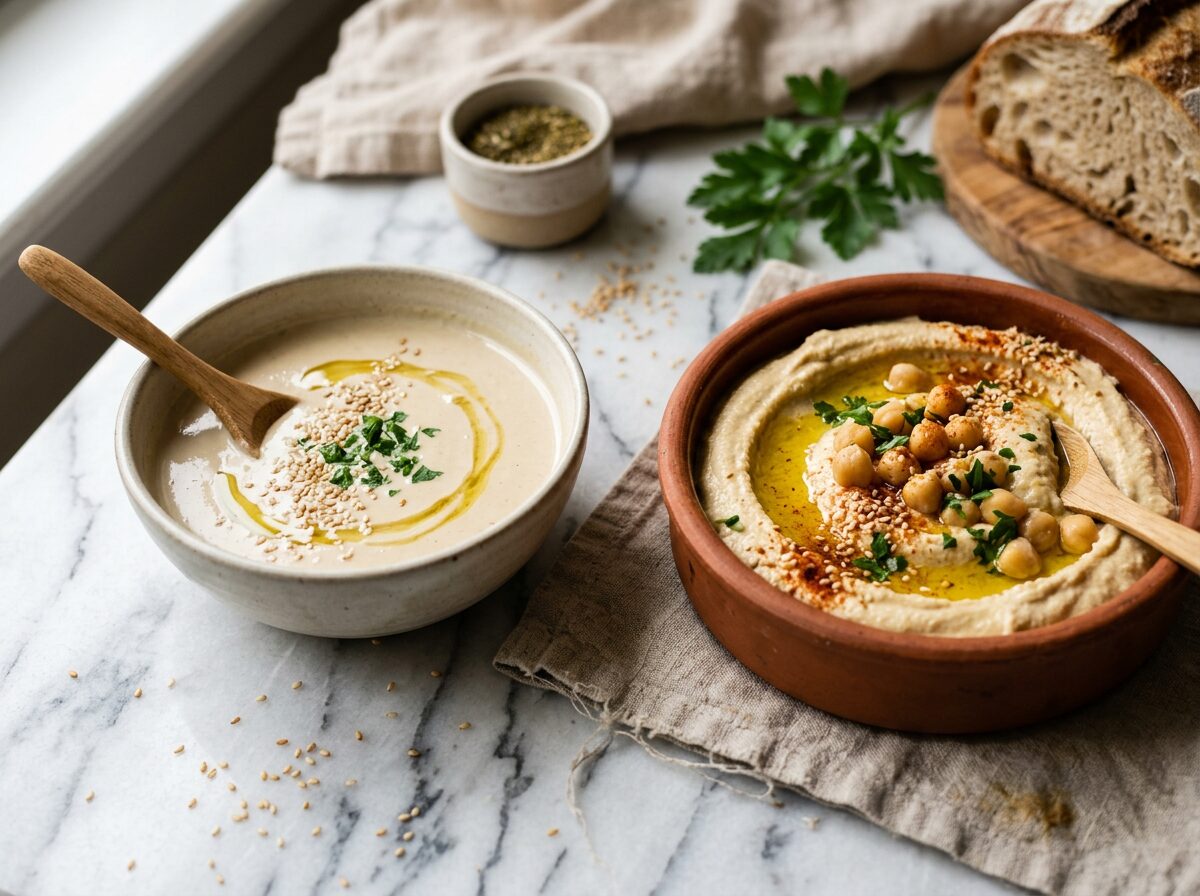
Tahini Sauce vs. Hummus: Differences, Uses, and When to Choose Each
Compare tahini sauce and hummus: key ingredients, texture, flavor, and best uses. Learn when to use each Middle Eastern classic in your cooking.
How to Fix a Too-Salty Sauce: Proven Techniques for Instant Rescue
Learn expert methods to quickly fix a too-salty sauce—dilution, balancing, and ingredient tricks—to save your dish without starting over.