How to Make Copycat Olive Garden Alfredo Sauce That Stays Creamy
Learn the secrets to making Olive Garden's Alfredo sauce at home and keep it silky, not clumpy or greasy. Step-by-step tips for perfect creamy results.
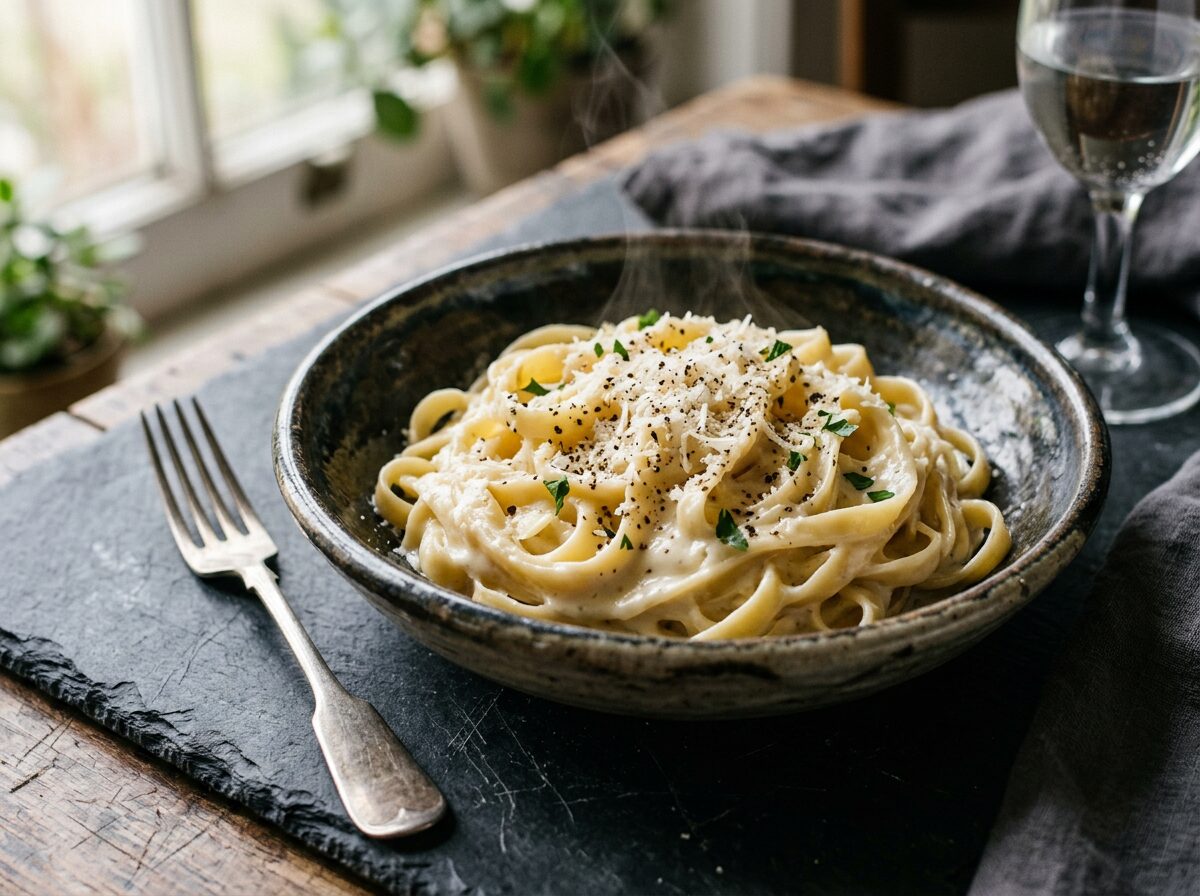
Written by FoodieManiac
With over 8 years of sauce-making experience, I've tested hundreds of techniques and products to bring you practical, reliable advice. Learn more about me →
Why Olive Garden Alfredo Sauce Is So Addictive (and Why It’s Tricky at Home)
Let’s be honest: Olive Garden’s Alfredo sauce is the reason half of us even go there. It’s that ultra-creamy, garlicky, cheesy blanket that makes you think “I could just eat this with a spoon.” I used to think it was just heavy cream and cheese thrown together, but I was dead wrong. The first time I tried to make it at home, I ended up with a greasy, broken mess (it separated into sad pools of oil and weird curds). I’ve had Alfredo seize, get gritty, turn watery, or taste bland. I’ve also learned what actually makes it stay smooth and creamy, even if you’re not serving it straight off the stove. If you've ever wondered why your Alfredo just doesn’t hit the same way, trust me, I’ve been there.
What Makes a Good Alfredo Sauce?
True Alfredo (the Roman kind) is just butter, Parm, and pasta water. Olive Garden’s version is full-on American: cream, butter, garlic, a little flour, and both Parmesan and Romano cheese. It's richer, thicker, and it clings to pasta like a dream. But here’s the catch: this style of Alfredo sauce can easily break, turn grainy, or end up way too thick. Real talk - it’s all about temperature, timing, and not rushing the cheese.
Copycat Olive Garden Alfredo Sauce Recipe (That Stays Creamy)
Ingredients
- 4 tablespoons (1/2 stick) unsalted butter
- 2 cups heavy cream (don’t use half & half, it’s just not the same)
- 2 cloves garlic, minced
- 3/4 cup freshly grated Parmesan cheese (not the green can - trust me, it won’t melt right)
- 1/4 cup freshly grated Romano cheese (Pecorino or domestic is fine - don’t overthink it)
- 1 tablespoon all-purpose flour (optional, but it helps with stability)
- 1/2 teaspoon kosher salt (start here and add more to taste - but not until after you add the cheese!)
- 1/2 teaspoon fresh cracked black pepper
- Pinch of nutmeg (optional, but highly recommended for that restaurant vibe)
Equipment
- Medium saucepan (preferably stainless steel, but nonstick works if that’s all you have)
- Whisk
- Microplane or fine grater for cheese
- Heat-proof spatula
Instructions (With My Real-World Commentary)
- Prep your cheese first. Seriously, do this before you even turn on the stove. Pre-grated cheese (especially the powdery kind) will never melt smoothly. I learned that the hard way - it clumps and makes the sauce gritty. Grate it fresh and set aside.
- Melt the butter with garlic. Add butter to your saucepan over medium-low heat. Once it’s halfway melted, add the minced garlic. Let it sizzle gently for about 1 minute. Don’t let it brown. If it starts to color, pull the pan off the heat for a sec.
- Optional: Whisk in the flour. Sprinkle in the flour and whisk for 30 seconds. This isn’t a full-on roux, just enough to give the sauce some insurance so it stays creamy (I resisted this step for years, but it works, and you don't taste it).
- Add the cream slowly. Pour in the cream while whisking. Turn the heat to medium and keep whisking until it’s hot, about 3-4 minutes. Don’t let it boil - if you see bubbles around the edge, turn the heat down. Boiling cream is Alfredo’s #1 enemy. (I’ve split more sauces by getting distracted here than I care to admit.)
- Let it thicken a bit. Simmer gently (again, NOT boiling) for 5-6 minutes, whisking every minute or so. It will get a little thicker, enough to coat the back of a spoon. If it’s reducing too fast, lower the heat. If it’s not thickening at all after 8 minutes, crank it up a little, just keep a close eye.
- Turn off the heat, then add cheese. This is where most people mess up. Take the pan off the heat. Add Parmesan and Romano in small handfuls, whisking after each addition. It should melt in smoothly. If you dump it in all at once, you risk a grainy, lumpy sauce.
- Season and finish. Stir in salt, pepper, and nutmeg. Taste. Add more salt in tiny pinches if needed - you can always add more, but you can never take it out (I’ve ruined a whole batch by getting cocky here).
- Serve immediately over pasta. Alfredo waits for no one. If it sits, it thickens up. Reserve some of your hot pasta water - a few tablespoons whisked in will loosen the sauce if needed.
Tested Tips
- Don’t walk away: The sauce will go from perfect to scorched in seconds if you leave it. I’ve tried to “just answer a text” and came back to a brown, split mess. Stay near the stove and keep whisking.
- Pasta water rescue: If your sauce gets too thick, add 2-3 tablespoons of hot pasta water. Whisk it in off the heat. It thins out the sauce and helps it cling to the pasta. I do this almost every time.
- The flour trick: Adding just 1 tablespoon of flour makes all the difference for stability. If you want to go traditional and skip it, go ahead - but you’ll need to eat the sauce right away. If it starts breaking, whisk in a splash of cold cream to pull it back together.
- Cheese timing: Add the cheese after you turn off the heat. If you add it while the sauce is still bubbling, it turns gritty or stringy. I ruined five attempts before learning this the hard way.
- Reheating leftovers: Alfredo hates the microwave. If you must reheat, do it gently on the stove with a splash of cream or milk, whisking constantly. If it still splits, try a pinch of flour or even a spoonful of cream cheese to help it come back together.
Common Mistakes (And Real Fixes)
- Using pre-shredded cheese: Bagged cheese has anti-caking agents that make the sauce gritty. Grate it yourself. The difference is night and day.
- Overheating the sauce: High heat makes the fat separate and the sauce go oily. Always keep it at a gentle simmer, never a boil.
- Adding salt before cheese: Parmesan and Romano are salty. Add salt after the cheese melts in, not before, or the sauce can be inedible. Start with 1/2 teaspoon, then adjust in pinches.
- Letting the sauce sit too long: It thickens as it cools. If you need to hold it for a few minutes, keep it on the lowest heat with a lid, and stir every minute or two.
- Trying to use milk instead of cream: I’ve tried every “lighter” version. Milk or half & half just turns watery or curdles. If you want a lighter sauce, try my Thermomix Creamy Avocado Cilantro Lime Dressing on pasta instead - but for Alfredo, cream is king.
How to Keep Alfredo Sauce Creamy (Even After It Sits)
This is the million-dollar question. The flour trick helps, but here’s what actually works:
- Keep the sauce warm on the lowest setting, covered, and stir it often. If you have a warming burner, use it.
- If it thickens up, add a splash of hot pasta water or a tablespoon of cream, whisking until smooth.
- Serve immediately for best texture. Alfredo is not a make-ahead sauce. If you want something you can prep in advance, try my Thermomix Creamy Sun-Dried Tomato Pasta Sauce or Creamy Jalapeño Cilantro Dip (Chuy's Copycat) - they hold up way better.
If you notice your Alfredo turning watery, check out this guide: Why Your Quick Creamy Sauce Turns Watery: Causes and Simple Fixes. It’ll save you a headache.
Serving Ideas and Simple Mix-Ins
You know the classics: fettuccine, chicken, shrimp. But here’s what I like to do when I want to feel slightly fancier (or just use up stuff in the fridge):
- Sautéed mushrooms and spinach tossed in at the end
- Roasted broccoli or asparagus
- A swirl of chimichurri for a herb kick
- Spicy twist: a spoonful of Spicy Maple Sriracha BBQ Sauce for heat and sweet (seriously, try it)
- Leftover rotisserie chicken, shredded and warmed in the sauce at the last second
If you want the full Olive Garden vibe, pair your Alfredo with their signature salad and Copycat Olive Garden Italian Dressing on the side.
What About Leftovers? (And Freezing)
Here’s the truth: Alfredo sauce is best eaten fresh. The texture after reheating is never quite the same, but you absolutely can save leftovers. Store in an airtight container for up to 3 days. Reheat low and slow on the stove, whisking in a little cream or milk to help it come together. For freezing, check out my guide: How to Freeze Sauces the Right Way: Storage Tips for Maximum Freshness. Just know the sauce might separate a bit after thawing, but a good whisk (and maybe a pinch of flour) will usually salvage it.
What to Do If Your Alfredo Turns Grainy, Gritty, or Oily
I wish I could say this never happens to me anymore, but even after hundreds of tries, a sauce can still split if I get distracted. If yours does, don’t panic. Check out this fix-it guide: Why Your Cheese Sauce Turns Grainy - Causes and Easy Fixes Explained. Usually, whisking in a splash of cold cream off the heat will help pull it back together. If it’s still hopeless, try blending it (carefully!) with an immersion blender. That trick has rescued many a lumpy Alfredo in my kitchen.
Can I Use Different Cheeses?
Parmesan and Romano are classic. But if you only have Parm, just use more. Asiago works too, but don’t use mozzarella - it’ll make the sauce stringy. And please, no pre-grated “Parmesan” from the green can. It just doesn’t melt right and will make your sauce gritty. If you want a cheese sauce with a different flavor profile, try my Homemade Creamy Parmesan Peppercorn Dressing or Homemade Creamy Buffalo Blue Cheese Dip instead.
Still Getting Stuck? Here Are More Guides to Help
- Why Your Quick Cheese Sauce Gets Lumpy - Fast Fixes and Pro Tips
- Why Your Sauce Tastes Metallic: Causes and Easy Fixes for Home Cooks
- How to Rescue Any Sauce (The Complete Guide)
- Alfredo vs. Carbonara Sauce: How to Tell Them Apart and When to Use Each
Final Thoughts from My Sauce-Obsessed Kitchen
Making Alfredo sauce that stays creamy isn’t hard, but it does take a little attention and the right steps. Use real cream, grate your cheese fresh, and keep the heat low. Don’t stress about perfection - even if it splits, you can usually fix it. And if you want to branch out, try some of my other creamy faves like Thermomix Creamy Roasted Garlic Caesar Dressing or Creamy Sun-Dried Tomato Basil Dip. Happy saucing!
TAGS
Try These Recipes
Related Articles
How to Make Copycat McDonald’s Big Mac Sauce: The Real Flavor Unlocked
Recreate the iconic Big Mac Sauce at home! Step-by-step recipe, ingredient swaps, and pro tips to nail the tangy, creamy McDonald’s flavor perfectly.
How to Make Copycat Big Mac Sauce: The Classic Burger Condiment at Home
Master the iconic Big Mac sauce at home with this copycat recipe. Step-by-step instructions, tips, and perfect pairings for burgers and more.
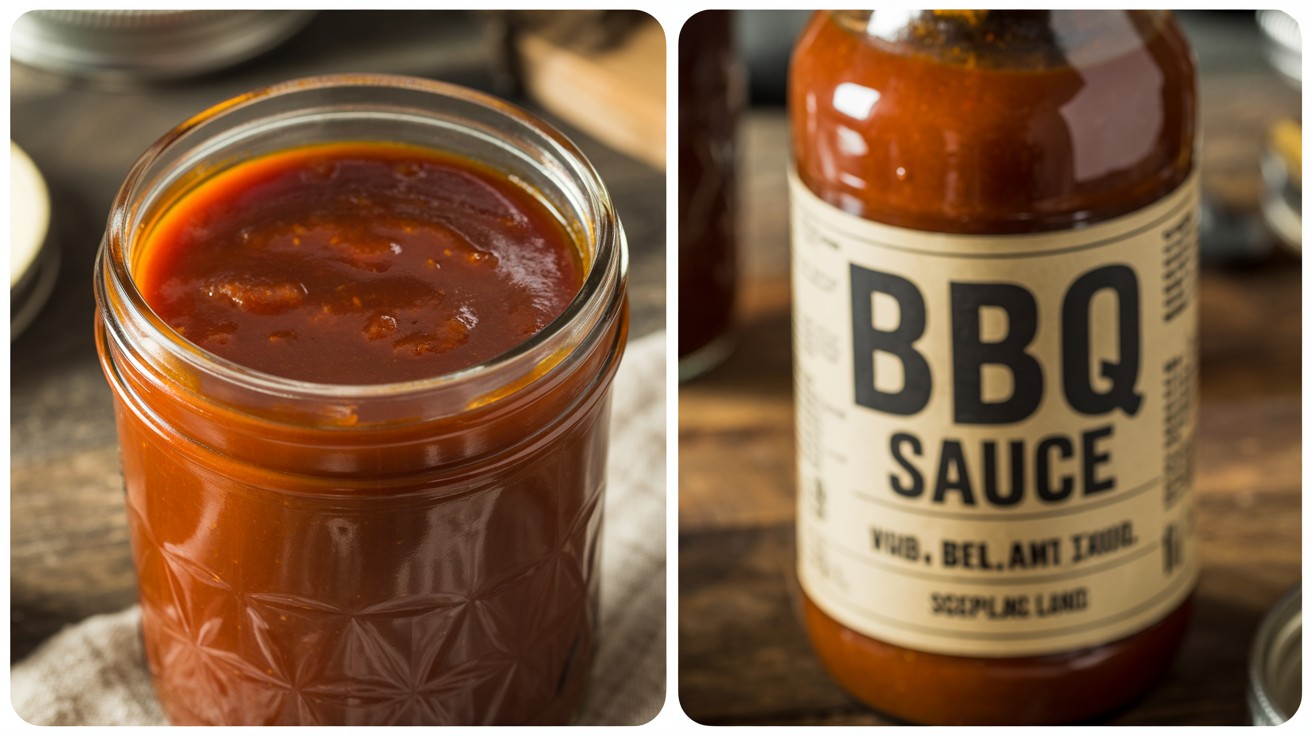
Homemade vs. Store-Bought Sauces: Is It Worth Making Your Own?
An honest comparison of homemade and store-bought sauces - cost, taste, shelf life, and which sauces are always worth making from scratch.
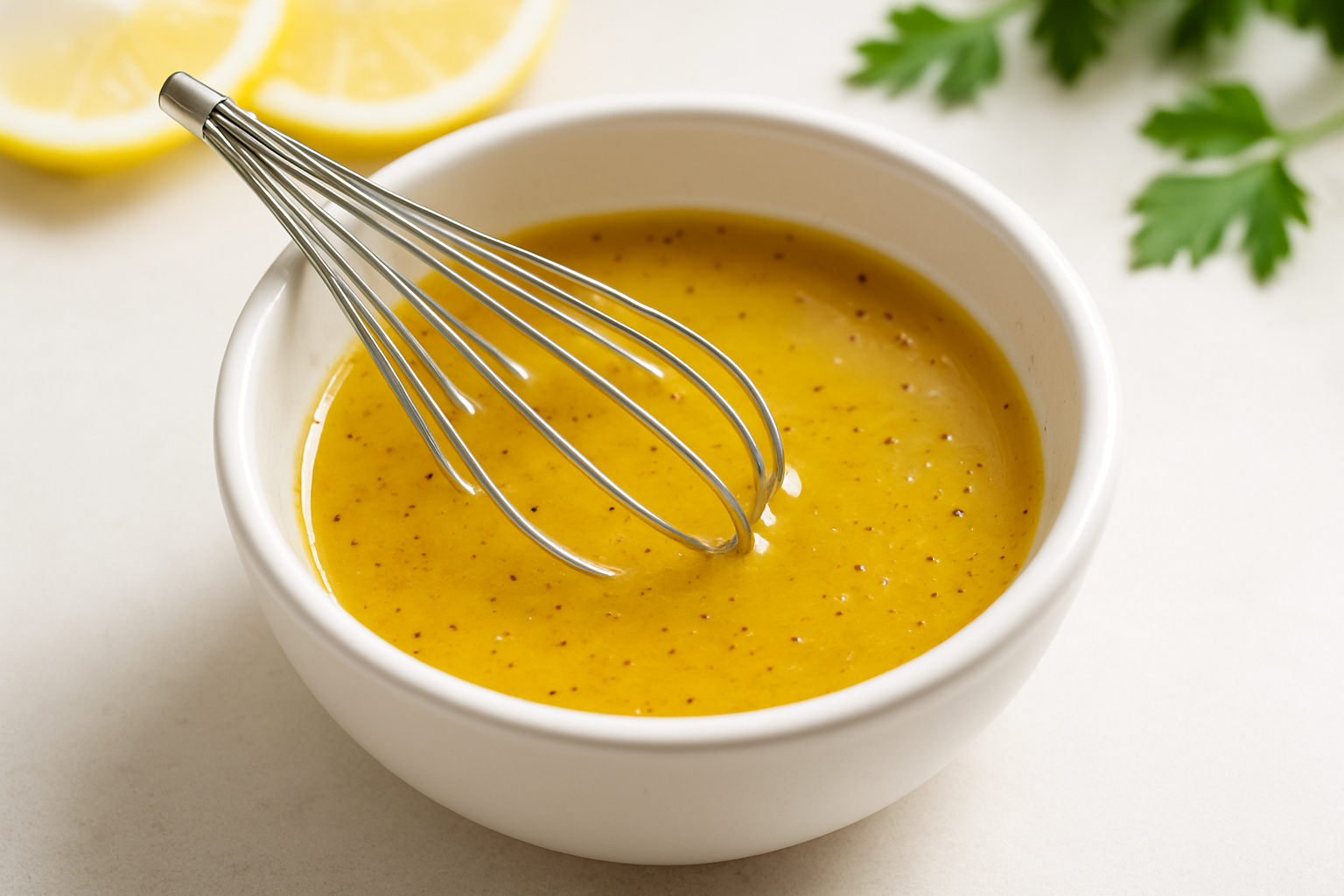
5-Minute Salad Dressings: Quick Sauces to Upgrade Any Bowl
Whip up vibrant, flavorful salad dressings in just minutes. Easy homemade sauce recipes to elevate salads, grain bowls, and veggies fast.