Worcestershire Sauce vs. Soy Sauce: Flavor, Uses, and Substitutes Compared
Compare Worcestershire sauce and soy sauce—flavor, cooking uses, substitutes, and when to use each for the best results in your recipes.
Written by FoodieManiac
With over 8 years of sauce-making experience, I've tested hundreds of techniques and products to bring you practical, reliable advice. Learn more about me →
Worcestershire Sauce vs. Soy Sauce: Flavor, Uses, and Substitutes Compared
Introduction: Why Compare Worcestershire and Soy Sauce?
Both Worcestershire sauce and soy sauce are powerhouse condiments used worldwide to build umami, depth, and complexity in food. They often appear side-by-side in recipes and are sometimes suggested as substitutes for each other. But each brings a unique flavor profile, history, and best-use scenario. Understanding their differences will help you select the right sauce, substitute with confidence, and create more balanced dishes.
Flavor Profiles: What Sets Them Apart?
Worcestershire Sauce: Complex, Tangy, and Savory
Worcestershire sauce is a fermented liquid condiment originating from England in the 19th century. Its ingredient list is long and layered: malt vinegar, spirit vinegar, molasses, sugar, salt, anchovies, tamarind extract, onion, garlic, and spices. This fermentation and blend yields a sauce with notable tang, subtle sweetness, anchovy-driven umami, and aromatic spice. Its acidity is sharper than soy sauce, and the flavor is more multifaceted.
Soy Sauce: Salty, Umami, and Earthy
Soy sauce, a staple of East Asian cooking, is made by fermenting soybeans and wheat with salt and specific molds. There are two major types: light (thin, saltier, reddish-brown) and dark (thicker, less salty, with caramel notes). Soy sauce is defined by salty-umami intensity, with toasty and earthy undertones. It lacks the acidity and layered spice of Worcestershire, making it more direct in flavor.
How They’re Made: Fermentation and Ingredients
Worcestershire Sauce Production
Authentic Worcestershire sauce is brewed and aged for up to two years. After mixing the base ingredients (vinegars, molasses, anchovies, tamarind, onions, garlic, and spices), the mixture ferments in barrels at 18-22°C (64-72°F) for at least 18 months. This prolonged fermentation builds the signature depth and melds flavors. Straining and bottling come only after this maturation process.
Soy Sauce Production
Soy sauce is made by steaming soybeans and roasting wheat, then inoculating with Aspergillus molds. This mixture, called koji, ferments with brine at around 25-30°C (77-86°F) for 6-18 months. The result is pressed, pasteurized at 80°C (176°F) to ensure shelf-stability, and bottled. Each production stage influences the sauce’s color, aroma, and flavor intensity.
Best Uses in Cooking: When and How to Use Each Sauce
When to Reach for Worcestershire Sauce
- Meat Marinades: Its acidity and anchovy umami tenderize and flavor beef, pork, and chicken. For steak, use 2 tbsp per pound of meat, marinate 1-2 hours at 4°C (39°F).
- Burger Mixes: Add 1 tbsp per pound of ground beef for savory depth. Especially effective in recipes like Copycat Big Mac Sauce to mimic the original's complexity.
- Bloody Marys and Savory Cocktails: 3-5 dashes per drink, mixed with tomato juice, horseradish, and hot sauce.
- Gravies and Pan Sauces: After deglazing, add 1-2 tsp per cup of sauce for umami punch. For tips, see How to Deglaze Like a Chef.
- Cheese Sauces: A few drops in rarebit or cheese dip recipes, as in Creamy Roasted Garlic Parmesan Dip, amps up savoriness.
When to Use Soy Sauce
- Stir-Fries: Add 1-2 tbsp per batch during the last 1-2 minutes of cooking over high heat (200°C/400°F) to avoid bitterness from over-reduction. If your sauce turns watery, troubleshoot with Why Your Stir-Fry Sauce Turns Watery - Easy Fixes.
- Dipping Sauce Base: Mix with rice vinegar, sesame oil, and aromatics for dumplings or sushi. Start with 2 tbsp soy sauce, 1 tbsp vinegar, 1 tsp sesame oil.
- Soup Seasoning: Add 1-2 tsp per quart (1 L) of broth for depth, but taste as you go—soy sauce can quickly overpower.
- Salad Dressings: Combine with ginger, garlic, and citrus for Asian-inspired vinaigrettes. Use 1 tbsp soy sauce per 3 tbsp oil for balance.
- Glazes for Roasted Vegetables: Mix 2 tbsp soy sauce with 1 tbsp honey and 1 tsp chili paste, brush on veggies before roasting at 220°C (425°F) for 20-25 minutes. For more ideas, visit Best Sauces for Grilled Vegetables.
Can They Substitute for Each Other?
Worcestershire sauce and soy sauce can sometimes be swapped in small amounts, but differences in salt, acid, and anchovy content must be considered. Here’s how to substitute effectively:
- Using Soy Sauce Instead of Worcestershire: For every 1 tbsp Worcestershire, use 1 tbsp soy sauce plus ½ tsp lemon juice and a pinch of sugar. For extra authenticity, add 1 minced anchovy fillet per 2 tbsp of sauce if possible.
- Using Worcestershire Instead of Soy Sauce: Substitute 1:1, but reduce any added vinegar or acid in the recipe. Add a pinch of salt to make up for Worcestershire’s lower sodium content.
Be aware: Worcestershire is not vegetarian, due to anchovies, while most soy sauces are plant-based. For vegan dishes, opt for vegan Worcestershire brands or use mushroom soy sauce.
Sodium and Nutrition: Which is Healthier?
Soy sauce is significantly higher in sodium: regular soy sauce contains 900-1000 mg sodium per tablespoon, while Worcestershire averages 65-150 mg per tablespoon. When reducing sodium, use Worcestershire or low-sodium soy sauce. For recipes requiring more liquid but less salt, dilute soy sauce with water (2:1) and add a splash of vinegar or lemon for brightness.
Texture, Color, and Cooking Impact
Worcestershire Sauce
Worcestershire is thin, dark brown, and slightly syrupy. It integrates easily into both hot and cold applications without affecting texture. When heated, its volatile aromatics intensify, so add it at the end of cooking to preserve nuance. For creamy dips and dressings such as Thermomix Creamy Roasted Garlic Caesar Dressing, just ½-1 tsp per batch is enough—excess can overwhelm the balance.
Soy Sauce
Soy sauce is thin and dark, but can stain dishes brown, especially when used in marinades or glazes. When reduced over heat, it thickens and intensifies in saltiness. For glossy stir-fry sauces, whisk in 1 tsp cornstarch per ½ cup soy sauce mixture, then simmer for 1-2 minutes until thickened (internal temp 92-95°C/198-203°F). Avoid overheating—boiling soy sauce too long can turn it bitter.
Combining Worcestershire and Soy Sauce for Maximum Umami
Many modern recipes blend Worcestershire and soy sauce to capture both salty and tangy dimensions. For example, in a marinade for grilled chicken, using 2 tbsp soy sauce plus 1 tbsp Worcestershire per pound creates a savory, balanced flavor. Marinate at 4°C (39°F) for 2-3 hours. For burger sauces, a mix of 1 tsp Worcestershire and 1 tsp soy sauce in a creamy base (mayo, mustard, pickles) delivers both depth and brightness, as in Copycat Shake Shack Sauce Recipe.
Practical Cooking Tips: Getting the Best Results
- Always Taste Before Adding More: Both sauces are potent. Add in ½ teaspoon increments, stir, and taste before increasing.
- Watch for Curdling in Creamy Sauces: Both sauces are acidic and can curdle dairy—temper by mixing into a small amount of sauce first, then whisking into the main batch. For troubleshooting, see Why Your Creamy Sauce Curds When Reheated.
- Deglaze for Flavor: After searing meats, deglaze with 1-2 tbsp Worcestershire or soy sauce in a hot pan (medium-high, 200°C/400°F) to lift fond and create a fast, flavorful pan sauce.
- Use in Dips and Dressings: Both sauces can anchor creamy dips. Try 1 tsp Worcestershire in Creamy Jalapeño Cilantro Dip (Chuy’s Copycat) or ½ tsp soy sauce for a subtle umami boost in Avocado Cilantro Lime Crema.
Substitute Combinations and DIY Recipes
Homemade Worcestershire Substitute
Mix 1 tbsp soy sauce, 1 tbsp apple cider vinegar, ½ tbsp molasses, 1 anchovy fillet (mashed), ¼ tsp ground ginger, ¼ tsp garlic powder, 1 pinch cinnamon. Whisk and use 1:1 as a Worcestershire replacement. Simmer over low heat (70°C/160°F) for 5 minutes to meld flavors before cooling and bottling.
Homemade Soy Sauce Substitute
Mix 1 cup beef or vegetable broth, 1 tbsp dark molasses, 1 tbsp vinegar, 1 tsp salt, 1 tsp Worcestershire, and 1 pinch black pepper. Simmer at 90°C (195°F) for 10 minutes, cool, and store in the fridge for up to 1 week. Use as a 1:1 soy sauce swap in sauces and marinades.
Popular Recipes Featuring Worcestershire and Soy Sauce
- Homemade Spicy Alabama Red BBQ Sauce—Worcestershire adds tang and depth to barbecue sauces.
- Authentic Mexican Salsa Verde (Tomatillo Green Sauce)—Try a dash of soy sauce to boost umami in green salsas.
- Creamy Roasted Jalapeño Ranch Dip—A splash of Worcestershire intensifies the savory notes.
- Thermomix Creamy Chipotle Sauce—Soy sauce enhances smokiness and salt balance.
Expert Tips for Storage and Shelf Life
Both Worcestershire and soy sauce are shelf-stable due to their salt, acid, and fermentation, but flavor is best preserved by storing in a cool, dark place. Refrigeration after opening extends peak freshness (up to 3 years for Worcestershire, 1-2 years for soy sauce). Always seal tightly to prevent oxidation and evaporation. If a sauce develops off aromas or mold, discard immediately.
Conclusion: Choosing the Right Sauce for Every Dish
Worcestershire sauce and soy sauce are not interchangeable but can sometimes substitute for each other with careful adjustment. For layered, tangy depth with a hint of spice, use Worcestershire. For pure umami and saltiness, reach for soy sauce. Both belong in a well-stocked kitchen and can be combined for even greater flavor complexity.
For more guidance on choosing and using sauces, see Worcestershire Sauce vs. Soy Sauce: Differences, Uses, and Substitutes and explore Best Sauces for Grilled Vegetables: 12 Pairings That Add Big Flavor for creative ways to deploy these condiments in your cooking.
TAGS
Related Articles
Tahini Sauce vs. Hummus: Flavor, Texture, and How to Use Each Best
Tahini sauce and hummus are staple Mediterranean condiments. Compare flavor, texture, nutrition, and best uses for each in your cooking.
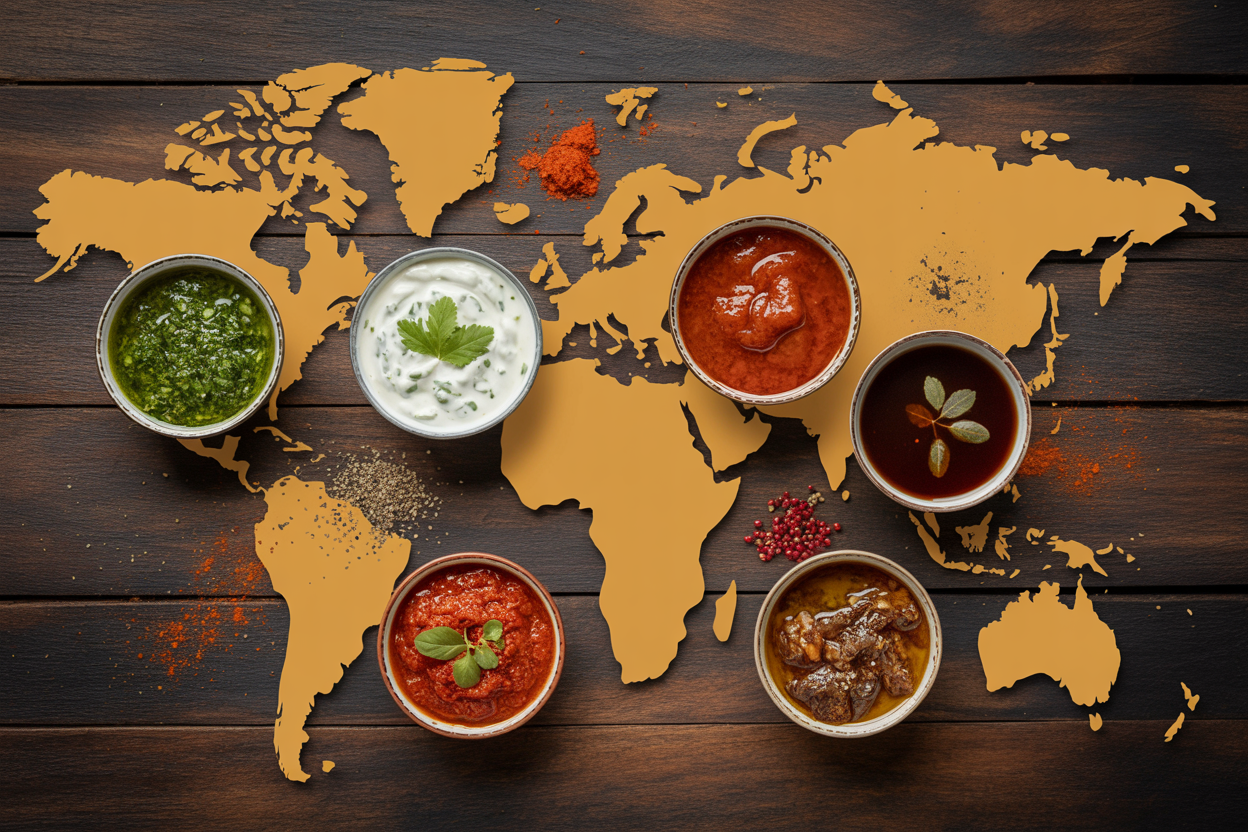
Global Sauce Traditions: A Tour of the World's Most Essential Condiments
From Argentine chimichurri to Japanese teriyaki, explore how different cultures use sauces to define their cuisine. A guide to the world's most important condiments and how to make them at home.
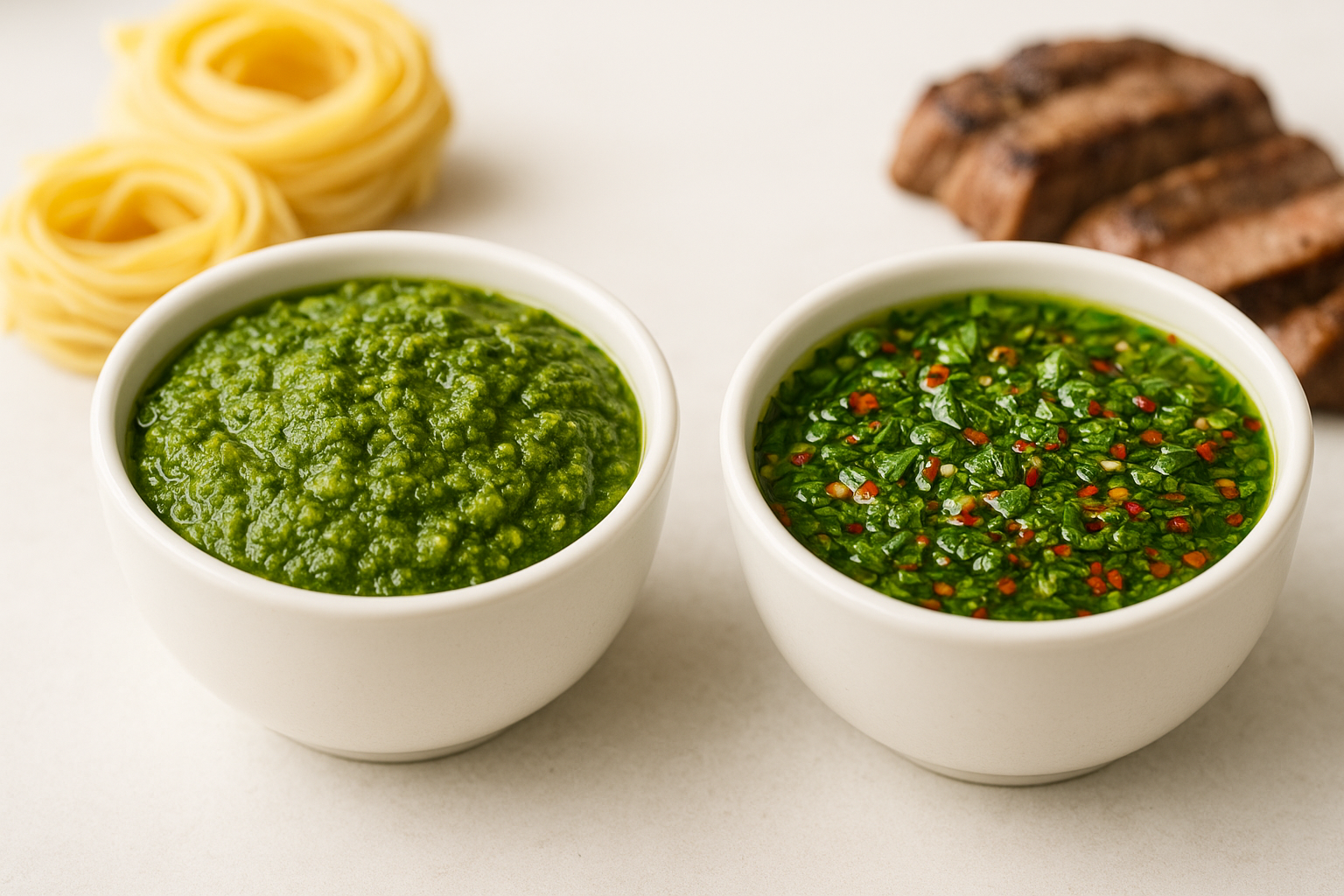
Pesto vs. Chimichurri: Comparing Herb Sauces for Pasta, Meat, and More
Pesto and chimichurri are bright, herbal sauces with different uses. Learn differences, best pairings, and how to choose the right one for your dish.
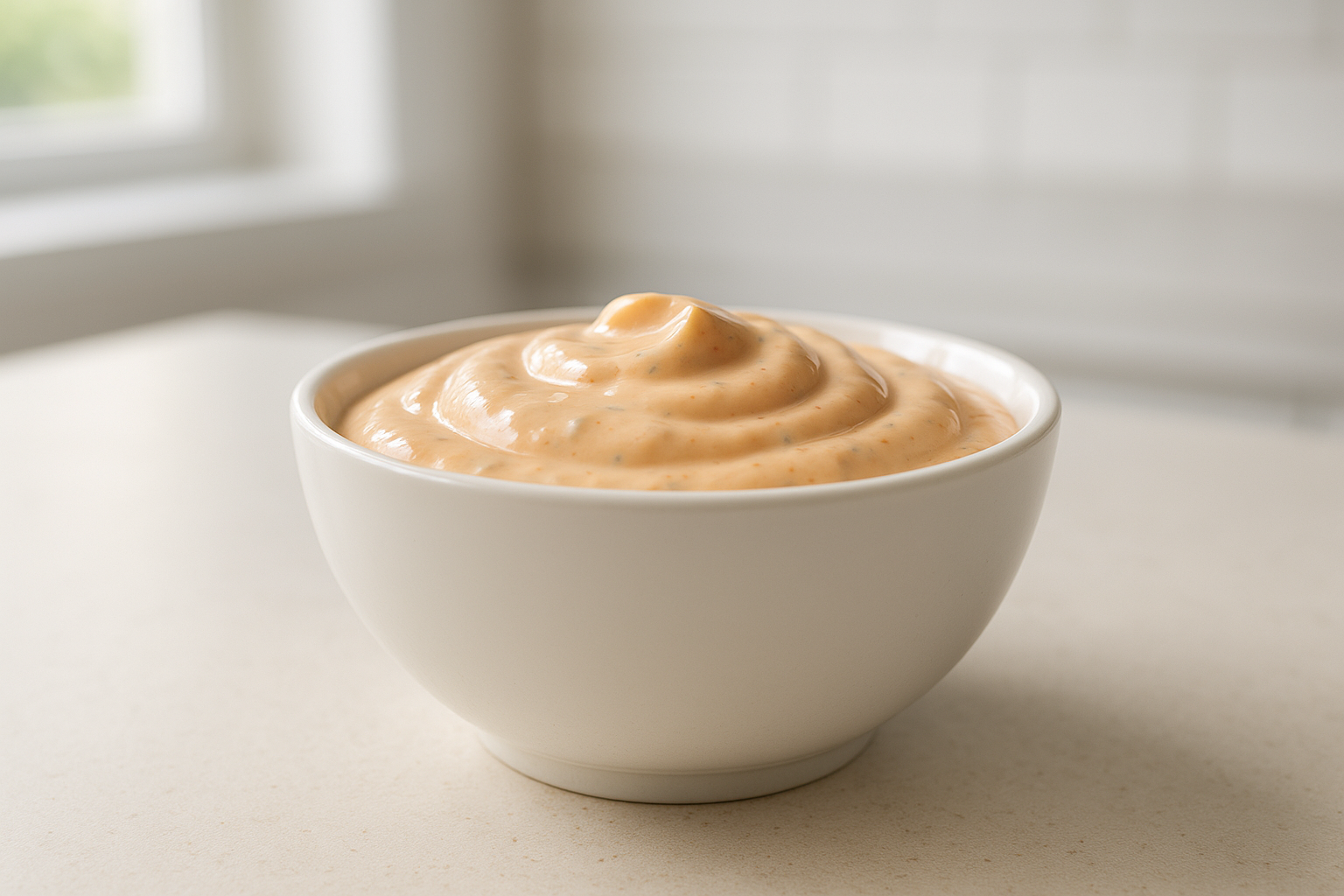
How to Make Copycat Big Mac Sauce: The Secret to Classic Burger Flavor
Recreate McDonald's legendary Big Mac sauce at home! Step-by-step recipe, tips, and variations for the perfect burger condiment every time.