Worcestershire Sauce vs. Soy Sauce: Differences, Uses, and Substitutes
Confused when to use Worcestershire sauce or soy sauce? Learn the key differences, best uses, and how to substitute one for the other in your recipes.
Written by FoodieManiac
With over 8 years of sauce-making experience, I've tested hundreds of techniques and products to bring you practical, reliable advice. Learn more about me →
Worcestershire Sauce vs. Soy Sauce: Differences, Uses, and Substitutes
Let’s be honest - if you’ve ever stood at your fridge door, holding a bottle of each, wondering which one you can splash into your stir-fry, you’re not alone. I still remember the first time I confused the two and dumped Worcestershire into fried rice. Not my finest hour. They both bring deep, savory flavor, but they’re wildly different once you know what’s going on.
What Actually Is Worcestershire Sauce?
The first time I tasted Worcestershire sauce as a kid, I thought it was some strange, spicy soy sauce. Nope! It’s actually a British invention from the early 1800s, and it’s a real Frankenstein’s monster of ingredients: anchovies, tamarind, vinegar, molasses, sugar, onions, garlic, and spices, all fermented together. The result is a punchy, tangy, slightly sweet sauce that’s super layered and a little mysterious. I still can’t always pick out all the flavors, even after making a dozen copycats.
If you love a sauce that just keeps unfolding in your mouth - salty, sour, a little funky, a little sweet - Worcestershire is your friend. It’s not vegetarian (anchovies!), so watch out if you’re cooking for someone who avoids fish.
What About Soy Sauce?
Soy sauce is way older and simpler. It’s basically fermented soybeans, wheat, salt, and water. The main flavor is umami and salt - deep, earthy, and a little sharp, especially if you use the cheap stuff (I do, honestly, for marinades). There’s a whole world of soy sauces, from light to dark to tamari (which is usually gluten-free), but most of us just keep a basic bottle in the fridge.
Soy sauce is the backbone of a ton of Asian-style sauces and dishes, but it’s also an amazing secret ingredient in burgers, barbecue, and even creamy dips like my Creamy Roasted Jalapeño Ranch Dip (a splash of soy gives it a savory kick).
Flavor Showdown: What’s the Difference?
The Obvious Stuff
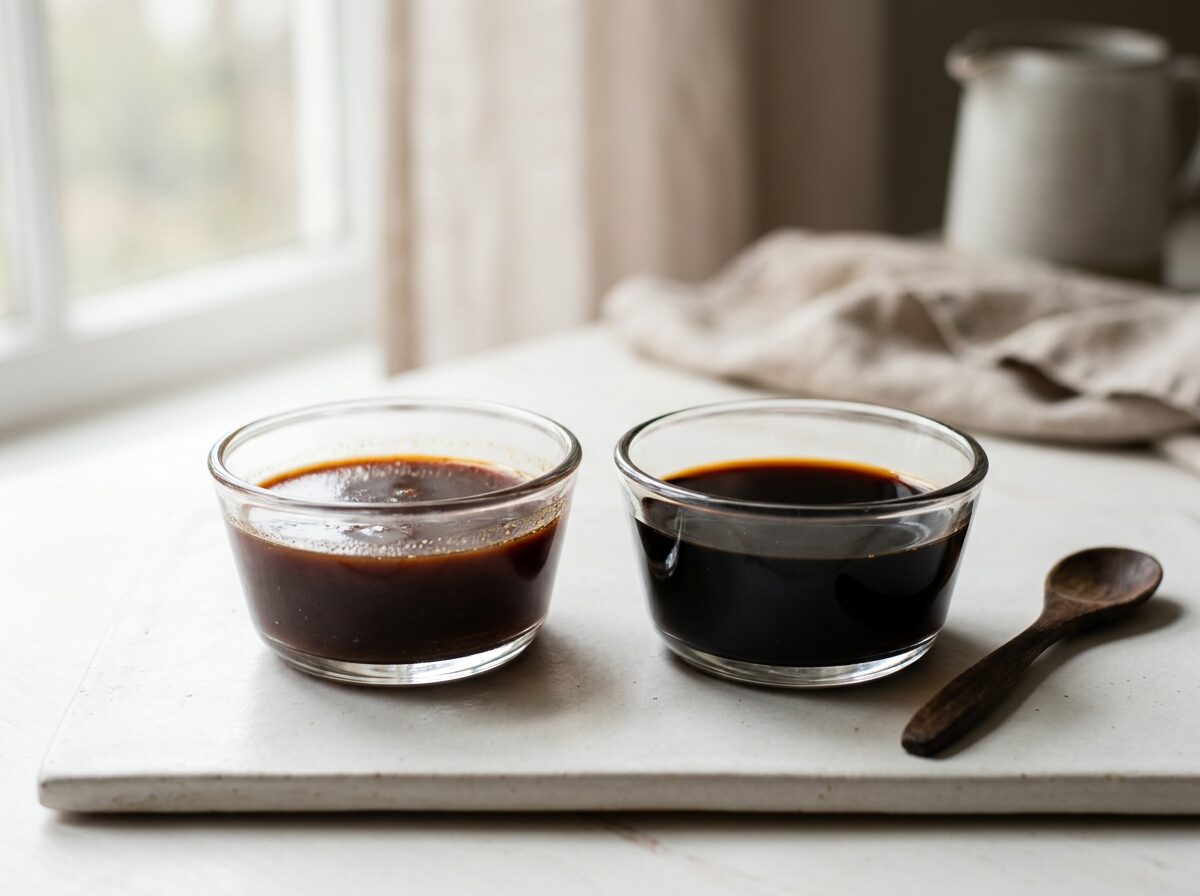
- Color: Both are brown, but soy is usually darker and more opaque. Worcestershire is thinner and runs almost like vinegar.
- Smell: Soy sauce is salty and sharp. Worcestershire is tangy, and you’ll get a whiff of vinegar and something fishy (that’s the anchovy, don’t freak out).
- Salinity: Soy sauce is generally saltier per teaspoon. Worcestershire is savory too, but has more tang and sweetness up front.
- Umami: Both bring umami, but soy is straightforward. Worcestershire is layered - sweet, sour, spicy, a little earthy, and a lot more complex.
What Surprised Me
Honestly, I used to think you could swap them any time a recipe called for “a savory sauce.” But the first time I put Worcestershire in a teriyaki, it tasted like barbecue sauce gone wrong. The vinegar and tamarind are just too wild for Asian-style stir-fries. And soy sauce in a Bloody Mary? It’s just salty and flat - all the magic is missing.
Classic Uses for Each
Worcestershire Sauce
- Marinades for steak and burgers: I won’t make a burger without a splash in the mix. It brings out beefy flavors like nothing else. Try it in your next batch before adding my Copycat Shake Shack Sauce for a true flavor bomb.
- Caesar dressing: The original uses anchovy and Worcestershire for that classic punch. If you want to shortcut, check out my Thermomix Creamy Roasted Garlic Caesar Dressing.
- Bloody Marys: I’ve never had a good one without at least a teaspoon. Don’t skip it.
- Barbecue sauces: Adds depth and cuts sweetness. I always add a splash to my Homemade Carolina Gold BBQ Sauce.
- Shepherd’s pie/meat pies: A few dashes in the filling brings everything together.
Soy Sauce
- Stir-fries and fried rice: The backbone of flavor. Start with 1 tablespoon per 2 cups rice or veggies, taste, then add more if needed - too much, and it’ll get way too salty, fast.
- Marinades for chicken, pork, beef, tofu: Soy adds salt and umami, and helps browning. It’s in almost every Asian marinade I use.
- Salad dressings: Add a splash to sesame vinaigrettes or even creamy dips like my Creamy Roasted Garlic Parmesan Dip. Unexpected, but so good.
- Dipping sauces: Dumplings, sushi, spring rolls - soy is the MVP. For spicy, creamy dips, try mixing it into my Creamy Jalapeño Cilantro Dip (Chuy's Copycat).
Can You Swap One for the Other?
Here’s where things get messy. In a pinch, you can sub one for the other, but your dish is going to taste different. I’ve done it desperately when I was out of soy sauce and wanted to make fried rice - Worcestershire brought a weird sweetness and tang, and the whole thing tasted off. The same goes for using soy sauce in a beef stew or Caesar dressing - it’s just salty, not complex.
If you’re only adding a dash, you might get away with it. But if the sauce is a main flavor (like in a marinade or dip), you’ll want to tweak things. Here’s how I’ve managed in real life:
- Worcestershire instead of soy: Add a little extra salt, and a splash of water to tone down the vinegar. You’ll get tang and sweetness, but not the same deep umami.
- Soy instead of Worcestershire: Add a pinch of brown sugar and a teaspoon of vinegar or lemon juice per tablespoon soy. If you have fish sauce, a drop or two helps, but don’t overdo it - fish sauce is way stronger. (If you’re curious about fish sauce vs. oyster sauce, check out my guide: Fish Sauce vs. Oyster Sauce: Which Adds More Umami to Stir-Fries?.)
Best Substitutes for Each
Worcestershire Sauce Substitutes
When I run out (which happens more than I’d like), here are my go-tos:
- Soy sauce + vinegar + sugar: Mix 1 tablespoon soy, 1 teaspoon apple cider vinegar, and 1/2 teaspoon brown sugar. Optional: a drop of fish sauce, or a pinch of garlic/onion powder.
- Fish sauce (tiny amount): Fish sauce is much saltier and funkier. Use 1/4 teaspoon and add extra vinegar and sugar to round it out.
- A1 or steak sauce: Not the same, but if you’re making burger patties or a marinade, it’ll do the trick.
Soy Sauce Substitutes
- Tamari: Usually gluten-free, slightly less salty, but otherwise close.
- Coconut aminos: Less salty, a little sweet. Great for people avoiding soy.
- Miso paste + water: Whisk 1 teaspoon miso with 2 tablespoons water for a quick umami hit. Not perfect, but it works in sauces and soups.
- Salt + stock: For marinades, use a mix of salt and beef or chicken stock. Not the same depth, but it’ll season things up.
Tested Tips
- The “taste as you go” law: With both sauces, start with half the called-for amount, stir, and taste before adding more. I’ve ruined more stir-fries by adding too much soy, and once made a Caesar dressing that tasted like pure Worcestershire. You can always add more - you can’t un-salt a sauce.
- Shake the bottle (seriously): Worcestershire sometimes settles and separates. If you forget to shake, you’ll just pour out watery vinegar. I’ve done it and wound up with a weirdly bland sauce. Always shake first.
- Reduce for more punch: If you want a thicker, more intense soy sauce (for dipping), simmer it gently until it reduces by about a third. BUT - watch it closely, it goes from “perfect” to “burned and bitter” in a minute. I’ve walked away and come back to a sticky, ruined pan more times than I’ll admit.
- Don’t splurge on “premium” soy for marinades: The cheap stuff is fine if you’re mixing it with other strong flavors. Save the fancy stuff for dipping or drizzling on plain rice.
- Allergies matter: Worcestershire is not vegetarian (anchovies!), and most soy sauce has gluten. If you’re cooking for friends, always check.
- Quick flavor boost: If your sauce tastes flat, a few drops of either one (Worcestershire for Western dishes, soy for Asian) can wake it up. Just don’t dump - add, stir, taste, repeat.
Can You Use Them in the Same Dish?
You actually can, and I do it all the time in burger patties, meatloaf, and marinades. The combo brings out the best of both: soy’s umami plus Worcestershire’s tang. For example, when I make the base for my Copycat Big Mac Sauce, a dash of both really brings it together. Just go easy - start with half a teaspoon each for a pound of ground meat, taste, then adjust.
Extra Saucy Ideas and Recipes
If you’re looking to experiment, here are some recipes where either soy or Worcestershire can shine:
- Authentic Moroccan Chermoula Sauce - try adding a splash of soy for an extra umami punch.
- Homemade Chimichurri Sauce - Worcestershire can add a secret depth here.
- Creamy Sun-Dried Tomato Basil Dip - a dash of either sauce can round out the flavor.
- Spicy Maple Sriracha BBQ Sauce - Worcestershire takes it to the next level.
Pro Tips From the Sauce Trenches
- Don’t be afraid to experiment, but taste as you go. You’ll learn what works for your palate.
- For more ideas on matching sauces and flavors, check out Best Sauces for Grilled Vegetables.
- If you want to master pan sauces (where both soy and Worcestershire can shine), my favorite guide is How to Deglaze Like a Chef. It’ll change your weeknight dinners.
- Struggling with sauces that taste too salty? You’re not alone. I wrote up some fixes in Why Your Homemade Teriyaki Sauce Turns Out Too Salty - Simple Fixes.
Bottom Line: Which Should You Use?
If you’re after pure salty umami, reach for soy sauce. If you want something tangy, a little sweet, and layered, use Worcestershire. Sometimes you want both. And if you mess up and use the “wrong” one, don’t panic - just adjust, taste, and remember you’re not the first person to do it.
And hey, next time you’re making a sauce, try adding a teaspoon of Worcestershire to your next burger mix, or a splash of soy to your next barbecue sauce. You might just invent your own secret recipe.
TAGS
Related Articles
Worcestershire Sauce vs. Soy Sauce: Flavor, Uses, and Substitutes Compared
Compare Worcestershire sauce and soy sauce—flavor, cooking uses, substitutes, and when to use each for the best results in your recipes.
Global Sauce Traditions: A Tour of the World's Most Essential Condiments
From Argentine chimichurri to Japanese teriyaki, explore how different cultures use sauces to define their cuisine. A guide to the world's most important condiments and how to make them at home.
How to Make Copycat Big Mac Sauce: The Secret to Classic Burger Flavor
Recreate McDonald's legendary Big Mac sauce at home! Step-by-step recipe, tips, and variations for the perfect burger condiment every time.
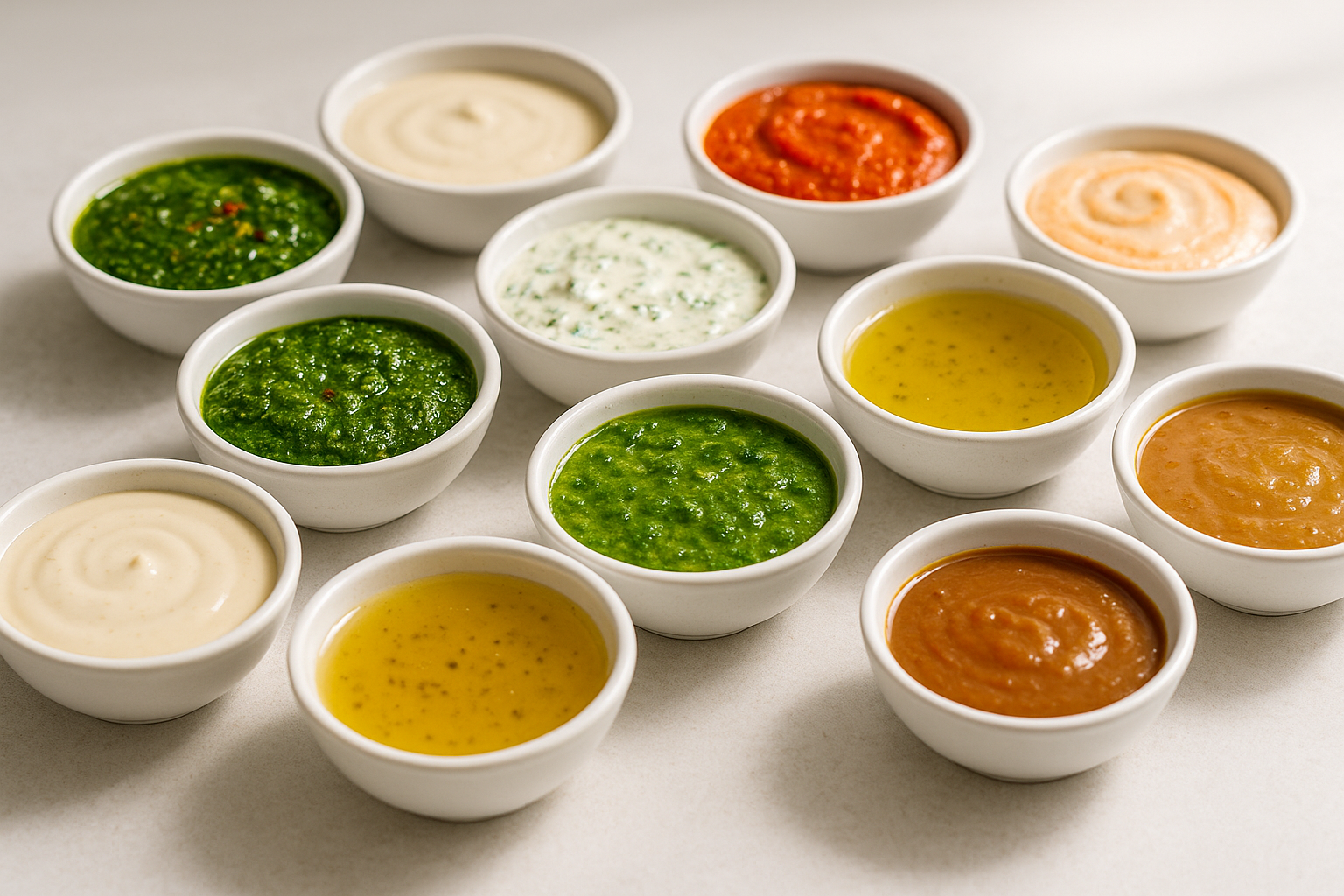
Best Sauces for Grilled Vegetables: 12 Pairings to Elevate Summer Produce
Discover 12 delicious sauces that perfectly pair with grilled vegetables. Find recipes and tips for elevating your summer produce with bold flavors.