Why Your Homemade Teriyaki Sauce Turns Out Too Salty - Simple Fixes
Is your teriyaki sauce overpoweringly salty? Learn the common mistakes and easy ways to balance flavors for perfect homemade teriyaki every time.
Written by FoodieManiac
With over 8 years of sauce-making experience, I've tested hundreds of techniques and products to bring you practical, reliable advice. Learn more about me →
Why Does Homemade Teriyaki Sauce Always Come Out So Salty?
Teriyaki sauce is one of those things I thought I nailed the first time. “It’s just soy sauce, sugar, and some ginger, right?” That’s what every internet recipe says. But then you taste it, and—wham—it’s like licking a salt shaker, not eating sweet sticky chicken. If this sounds familiar, you’re not alone. I’ve ruined enough batches to float a boat in, and I finally figured out why homemade teriyaki so often ends up way too salty. Let’s talk about what’s actually happening and how you can fix it, even if you don’t have fancy ingredients or a lot of time.
What’s In Teriyaki Sauce (And Where Does All That Salt Come From)?
Before you even turn on the stove, it helps to know what’s going into your sauce. Classic teriyaki is just soy sauce, mirin (sweet rice wine), sake, and sugar. Sometimes garlic, ginger, or cornstarch for thickness. But here’s the trap: soy sauce is already hugely salty, and every brand is different. Mirin and sake are also a little salty. If you use regular table soy sauce (like Kikkoman), you’re starting with a salt bomb. If you reduce it a lot on the stove, the salt gets even more concentrated.
I learned this the hard way when I tried to “amp up the flavor” by reducing my sauce for extra stickiness. It tasted like candy...dipped in seawater. Not the vibe.
Different Soy Sauces, Different Results
Not all soy sauces are created equal. Some are brewed longer and saltier, some are lighter and thinner. If you use Chinese dark soy (super thick, very salty) instead of Japanese shoyu or a low-sodium version, your teriyaki will be a whole different beast. I can’t tell you how many times I’ve mixed up “light” and “low-sodium” soy sauce—light actually means color, not less salt. So don’t trust the label; taste it first.
Sweetness Balances Salt—But Only Up To a Point
Adding more sugar does help balance salt, but it’s not a magic fix. Too much, and you end up with a sauce that’s syrupy and weirdly flat. (I’ve been there. I poured it over salmon once and it tasted like candied fish.) The real trick is getting the right ratios from the start—so you don’t have to drown out the salt later.
Where Most People Go Wrong With Homemade Teriyaki
- Using the wrong soy sauce. Regular supermarket brands like Kikkoman are saltier than a lot of Japanese-style “teriyaki” sauces you get at restaurants.
- Over-reducing the sauce. Every minute you simmer, water evaporates but the salt stays. I used to think “the thicker, the better.” Then I tried to eat it.
- Not measuring. “Splash of this, dash of that” is fun, but with salty ingredients, a splash can wreck the batch. I recommend actually using a tablespoon at first. (I know, it’s less romantic.)
- Forgetting about the other salty stuff in your dish. If you’re marinating chicken in teriyaki and then also pouring it on cooked rice, you’re doubling up on salt. Same goes for stir-frying with salted butter or adding salted stock.
Simple Fixes for Too-Salty Teriyaki
So, you made a batch and it’s too salty. Here’s what I do (and yes, I’ve done all these):
- Thin it out. Add a tablespoon of water at a time, whisk, and taste. Don’t dump in a cup at once—you can always add more. Sometimes, honestly, this is all you need.
- Add a splash of unsalted stock. Chicken or veggie stock (store-bought is fine) adds flavor while taming salt. I keep a box in the fridge just for “oops” moments like this.
- Balance with sweetness, but don’t go overboard. Try adding half a teaspoon of brown sugar or honey, stir, and taste. If it still burns your tongue, go back to step one.
- Double the batch. If you have the time (and patience), make another batch without soy sauce and combine them. Basically, you’re diluting the salt with more of everything else. Not glamorous, but it works.
- Serve with plain rice. I know this sounds like cheating, but I’ve saved many a salty meal by pairing it with unsalted white rice or plain veggies. Sometimes that’s all you need.
How To Make Teriyaki Sauce Less Salty From the Start
The best fix is prevention. Here’s my go-to order of operations that finally gave me that restaurant-style, not-too-salty teriyaki at home:
1. Use Low-Sodium Soy Sauce
Seriously, just buy the bottle with the green lid. It’s not “cheating”—it’s smart. If you’re feeling fancy and want to hunt down Japanese tamari or naturally brewed shoyu, that’s great, but honestly, low-sodium Kikkoman works just fine. If you’re curious about when to use which, check out this guide on Teriyaki vs. Soy Sauce: Key Differences and When to Use Each.
2. Taste Before You Reduce
Don’t trust the recipe. Mix the sauce ingredients in a bowl, taste it, and then decide if it needs more sugar, ginger, or water. It should taste a little strong before reducing, but not undrinkable. If it’s already super salty at this stage, fix it now.
3. Don’t Over-Reduce
Simmer your sauce on medium-low, and set a timer for 5 minutes. Stir and check the thickness. If you want it stickier, give it 2 more minutes, but don’t walk away. I’ve burned this more times than I’ll admit. If you want it thicker without salt concentration, mix a teaspoon of cornstarch with a tablespoon of cold water, whisk it in, and simmer for 1 minute. Boom—glossy, thick sauce with less risk of over-salting.
4. Skip Extra Salt in Your Marinade
If you’re marinating meat in teriyaki, don’t add extra salt or salted seasonings. The sauce brings plenty. I sometimes skip salt entirely when pan-searing chicken if I’m using a sticky teriyaki glaze.
Tested Tips
- Start small: Only use half the amount of soy sauce a recipe calls for the first time you try it. Taste, then adjust. You can always add more, but you can’t take it out. I ruined three batches before finally trying this.
- Cornstarch slurry for thickness: If you want that glossy, thick texture without boiling your sauce to death, mix 1 teaspoon cornstarch with 1 tablespoon cold water and whisk it in once the sauce is hot. I used to over-reduce and end up with salty glue—this trick saved me.
- Water rescue: If your sauce is already too salty after cooking, whisk in a tablespoon of water at a time. Don’t just dump in half a cup (I did, and it turned watery and bland). Go slow and taste after each addition.
- Mix your brands: If you have two soy sauces (say, regular and low-sodium), try a 50/50 blend. Sometimes low-sodium alone tastes flat, and regular is too much. I stumbled onto this by accident and now do it every time.
- Don’t skip the mirin—but cheap is fine: Real Japanese mirin is pricey, but the $4 “aji-mirin” from the supermarket works just as well for teriyaki. I’ve tested both. Save the fancy stuff for sashimi.
- Freeze leftovers right: If you make a big batch and fix the salt, freeze the extra in small jars. Here’s my favorite guide on how to freeze sauces safely—I wish I’d read it before freezing a whole quart in one giant block.
Shortcuts and Real-World Swaps (That Actually Work)
- No mirin? Use a tablespoon of dry sherry or a splash of sweet white wine with a pinch of sugar. It’s not the same, but honestly, most people won’t notice.
- No sake? Skip it. I’ve made plenty of teriyaki without it and nobody complained.
- Store-bought ginger and garlic paste? Totally fine. Don’t kill yourself mincing fresh if you’re in a rush. I use the squeeze tubes all the time.
- Store-bought stock? Absolutely acceptable for thinning salty sauce. I keep a box in the fridge just for rescue missions.
What Happens If You Just Use Regular Soy Sauce?
If you only have regular (red label) soy sauce, use half the amount the recipe says. Replace the rest with water. It won’t taste exactly like takeout, but it’ll be edible. If you want to get a little more technical, check out this article about umami boosters—sometimes a tiny dash of oyster sauce or even a sprinkle of MSG can make a less-salty teriyaki still taste big and savory.
How I Actually Make Teriyaki Sauce (The Realistic Version)
This is my weeknight go-to. It’s not “authentic,” but it won’t blow your tastebuds out with saltiness, and it works with whatever’s in your fridge.
- 1/4 cup low-sodium soy sauce (or 2 tablespoons regular + 2 tablespoons water)
- 2 tablespoons mirin (or 1 tablespoon white wine + 1/2 teaspoon sugar)
- 1 tablespoon brown sugar or honey
- 1 teaspoon grated ginger (or 1/2 teaspoon paste)
- 1 small garlic clove, minced (or 1/2 teaspoon paste)
- 1/2 teaspoon cornstarch, mixed with 1 tablespoon cold water (optional, for thickness)
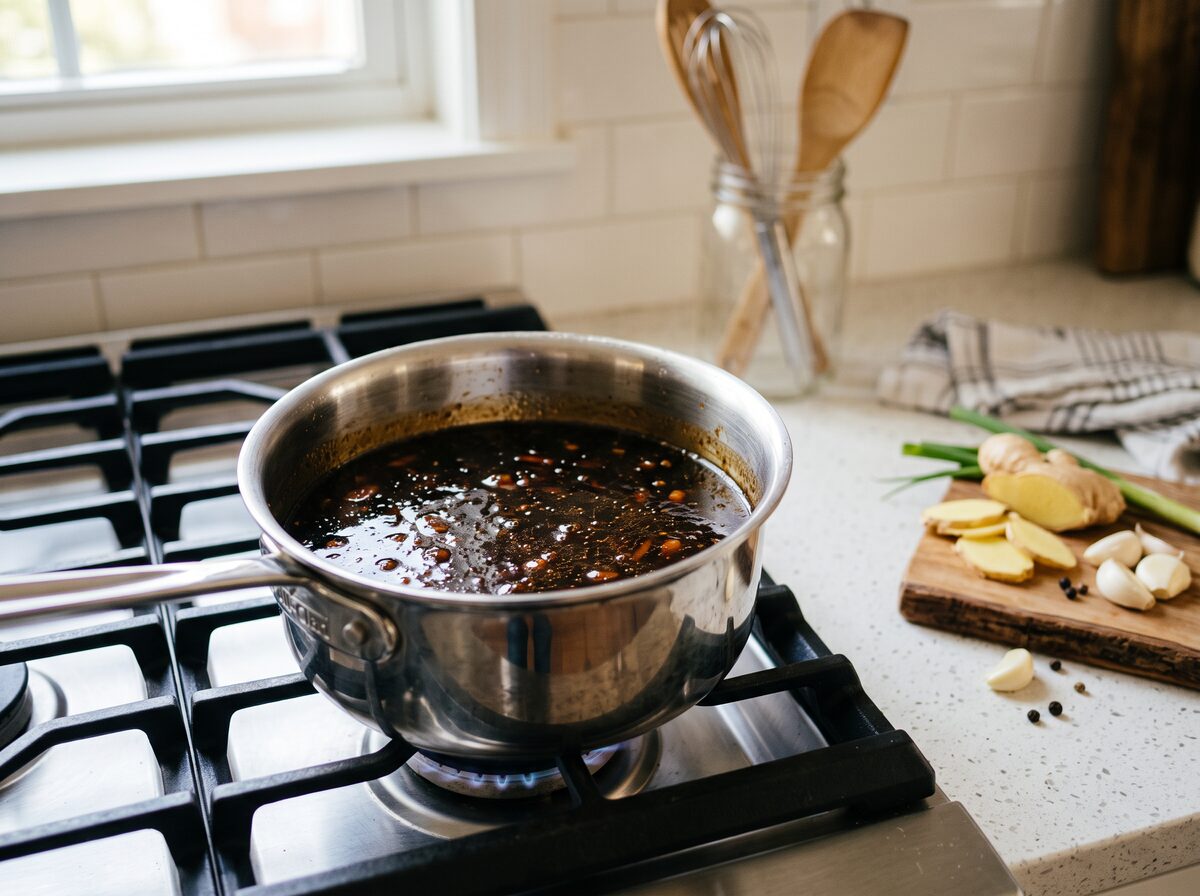
Mix everything except the cornstarch slurry in a small saucepan. Taste it. If it’s already salty, add a splash more water. Heat to a simmer on medium-low. Let it bubble for about 5 minutes, stirring now and then. If you want it thicker, whisk in the cornstarch slurry and cook 1 extra minute. That’s it. Pour over chicken, veggies, salmon, or whatever needs a sweet-salty kick.
What If You Want to Get Fancy?
If you want to take it up a notch, go for real brewed mirin or sake, and fresh ginger. But honestly, I save my splurges for sauces where it really matters (like this mint chutney or a killer jalapeño ranch dip). With teriyaki, I think the easy version is just fine.
Pairing and Storing Your Teriyaki Sauce
This sauce is killer on grilled chicken, roasted vegetables, or as a dip for dumplings. If you want to get creative, try drizzling it over rice bowls loaded with crispy veggies and a little avocado cilantro lime crema for balance. Or, swipe it on salmon and finish under the broiler—just watch it closely, sugar burns fast. If you’re making a big batch, check these tips on freezing sauces safely so you don’t end up with a brick of salty ice.
Want More Sauce Fixes?
If you’re a sauce nerd like me (I’m guessing yes, if you’re still reading), you might like my guides on fixing too-acidic sauces or why mole sauce goes bitter. And if you love copycat sauces, don’t miss my Big Mac Sauce recipe—it’s surprisingly easy and way better than the bottled stuff.
Bottom Line: You Can Make Great Teriyaki Without a Salt Bomb
I wish I could say there’s a secret ingredient, but honestly, it comes down to tasting as you go and not trusting every recipe on the internet (even mine—taste it!). Buy low-sodium soy sauce, go easy on the reductions, and don’t be afraid to tweak as you cook. Most of all, don’t let a salty flop discourage you. I’ve made more mistakes than I can count, but every failed batch taught me something. And hey, even if it’s salty, there’s always plain rice, right?
TAGS
Try These Recipes
Related Articles
How to Make Quick Pan Sauces Without Wine: Flavorful Alternatives
No wine? No problem! Learn how to create rich, quick pan sauces using pantry staples. Boost flavor for meats, veggies, and more in just minutes.
How to Make 3-Ingredient Sauces: Fast, Flavorful Recipes for Any Meal
Discover easy 3-ingredient sauces you can whip up in minutes to elevate any dish—perfect for quick weeknight meals and busy home cooks.
How to Make Toum: Lebanon’s Creamy Garlic Sauce and Serving Ideas
Master Lebanese toum sauce at home with this step-by-step recipe. Learn tips for perfect texture and delicious ways to use this garlicky condiment.
How to Make 3-Ingredient Sauces in Under 5 Minutes (With Recipes)
Discover easy 3-ingredient sauces you can whip up in 5 minutes or less. Perfect for busy cooks—includes quick recipes and pairing tips.