Why Your Stir-Fry Sauce Turns Watery - Easy Fixes for Thick, Glossy Results
Tired of thin, runny stir-fry sauce? Learn the common causes and get fast, foolproof fixes for a thick, glossy sauce that clings perfectly every time.
Written by FoodieManiac
With over 8 years of sauce-making experience, I've tested hundreds of techniques and products to bring you practical, reliable advice. Learn more about me →
Why Does My Stir-Fry Sauce Always Turn Watery?
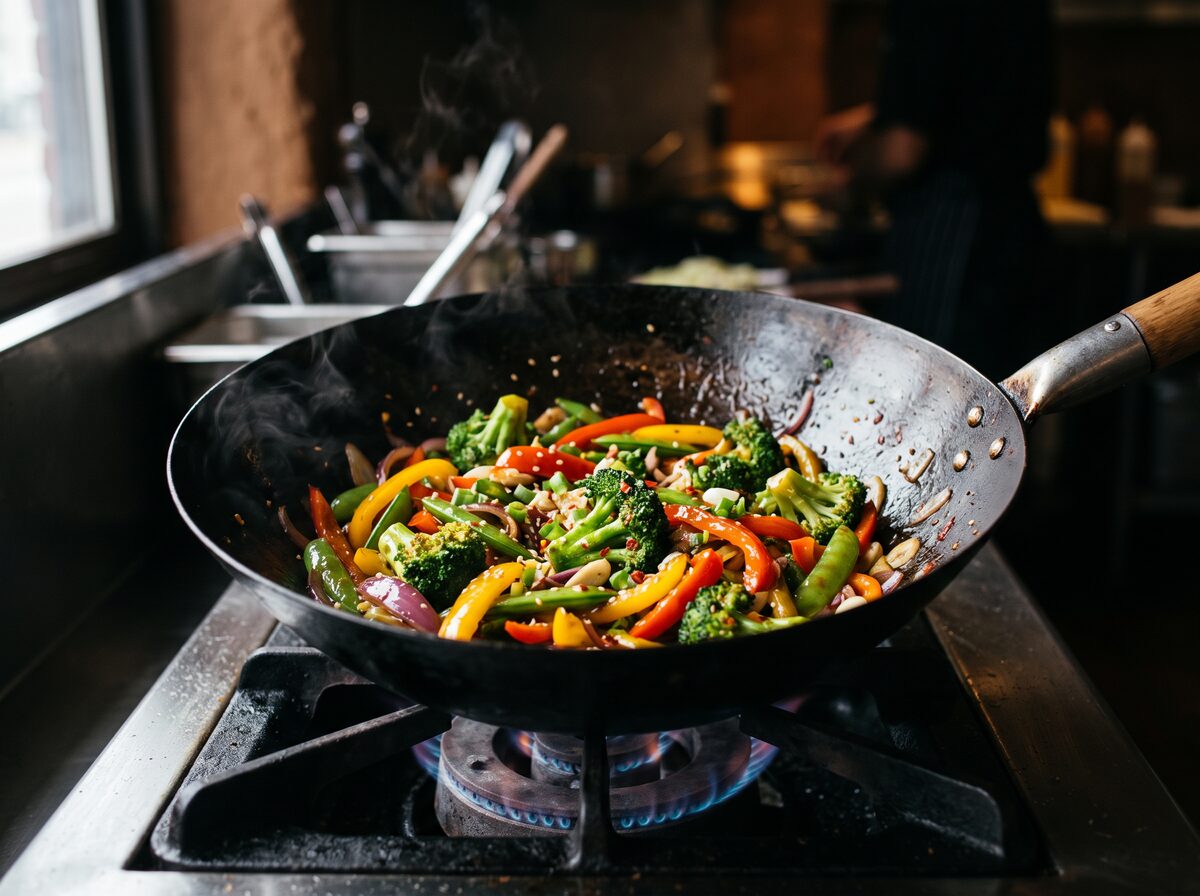
If you’ve ever poured your homemade stir-fry sauce over sizzling veggies and protein, only to watch it pool at the bottom of the wok like sad, brown water, trust me: you’re not alone. I’ve been there. I’ve been the person trying to rescue a pan of limp vegetables with a double dose of cornstarch slurry, only to end up with something that tastes like glue. Stir-fry sauce is one of those things that seems simple—until it isn’t.
Let’s break down why your sauce might be thin and how you can nail that glossy, velvety finish every time, even if you’re juggling three burners and your smoke alarm is threatening to join the party.
The Real Reasons Your Stir-Fry Sauce Is Watery
1. You’re Not Using a Thickener (Or Not Enough of It)
This is the big one. Most classic stir-fry sauces rely on a starch—usually cornstarch or potato starch—to get that signature body. If you leave it out, or skimp, your sauce will stay runny. Even a tablespoon or two makes a big difference. I’ve tried “just winging it” with soy sauce and aromatics, and it always ends up at the bottom of the pan, not clinging to the food.
2. You’re Adding Too Much Liquid
It’s tempting to throw in extra broth, water, or soy sauce for more “sauce.” The problem? More liquid means more to thicken. Even if you use a thickener, if there’s too much liquid, it’ll never get that syrupy texture. My early stir-fries were swimming for this reason. Start small—you can always add more if it’s too thick.
3. Your Pan Isn’t Hot Enough
Heat is everything. Stir-fry sauces are designed to thicken quickly with high heat. If the pan is just gently simmering, the starch won’t activate properly. You want a real sizzle when the sauce hits. The first time I tried to make a stir-fry on a weak burner, my sauce just sat there, all sad and soupy. Lesson learned: crank it up.
4. You’re Not Cooking the Sauce Long Enough
Starch-thickened sauces take a minute or two to fully set up. If you pour it over and immediately serve, it’ll look thin. Give it a solid 60-90 seconds of bubbling after adding the sauce—watch closely. When it’s done, it’ll be glossy and cling to a spoon. If you see puddles, keep going.
5. Veggies Release a Ton of Water
This one surprised me. Mushrooms, zucchini, bok choy, and even bell peppers dump out a lot of moisture when they hit heat. If you crowd the pan or skip pre-cooking them, all that water will thin your sauce. I used to have a wok full of beautiful broccoli, only to realize I’d basically made soup. Now I cook watery veggies first, drain if needed, then add them back at the end.
Let’s Talk Thickeners—What Actually Works?
You don’t need anything fancy. Here’s the honest breakdown:
- Cornstarch: The go-to. Mix 1 tablespoon with 2 tablespoons cold water per cup of sauce. Don’t dump dry starch straight in (trust me, it turns lumpy).
- Potato starch: Works the same way, but gives a silkier finish. Use the same ratio as cornstarch.
- Tapioca starch: Slightly stretchier texture, but great if you’re gluten-free. Same process.
- Flour: Not great here. It makes things cloudy and pasty—save it for gravies.
- Arrowroot: Decent if you can find it, but it can turn slimy if you overcook. I’ve done that. It’s weird.
Mix your starch with cold water first. This “slurry” is what you add at the very end of cooking, when everything is almost done. Pour it in, crank the heat, and stir. Magic happens in about 60 seconds.
Shortcut Alert: Store-Bought Sauce and Broth
Honestly, store-bought stock is fine here. You don’t need homemade for a weeknight stir-fry. Same for bottled oyster sauce or hoisin—no shame. You can even start with a bottle of Homemade Sweet Chipotle BBQ Sauce or Copycat Shake Shack Sauce as a base and jazz it up with soy, garlic, and ginger. I’ve done it on busy nights, and no one ever complains.
How to Build a Stir-Fry Sauce That Clings
My Go-To Basic Formula
- 3 tablespoons soy sauce
- 2 tablespoons oyster sauce (or hoisin, or skip if vegetarian—just add a little sugar instead)
- 1 tablespoon rice vinegar or dry sherry
- 1 teaspoon sugar (don’t skip it—it’s what gives that classic shine)
- 1/2 cup chicken or veggie broth (or water, in a pinch)
- 1 tablespoon cornstarch mixed with 2 tablespoons cold water (stir this separately, don’t just dump it in!)
Mix everything except the cornstarch slurry together. Cook your protein and veggies. When almost done, push everything to the edges of the pan, pour the sauce into the center, let it bubble, then stir in the cornstarch slurry. Cook over high heat for 1-2 minutes, stirring constantly, until it’s thick and glossy. Toss everything together.
Timing and Real Kitchen Chaos
Don’t stress about perfect timing. If you’re distracted and the sauce sits too long before you add the slurry, just give it a quick whisk and pour it in. If you over-reduce and it’s thick as paste, splash in a tablespoon of water at a time until it loosens up. You’ve got more wiggle room than you think.
Optional Add-Ins That Work
- Sesame oil—add at the end, not the start, for the best aroma
- Fresh garlic and ginger—sauté first for the best flavor
- Chili paste, Sriracha, or Aji Verde Sauce for heat
- A spoonful of Salsa Verde for a tangy twist (not traditional, but it works!)
- Leftover Roasted Jalapeño Ranch Dip—yes, I’ve done this, and it’s wild on chicken and veggies
Tested Tips
- Slurry rescue: If your cornstarch slurry sits too long, it can settle into a weird paste. Just stir it up again before pouring into the hot pan. If you dump in a lumpy slurry, whisk like mad and crank the heat—usually you can save it. Worst case: strain the sauce, then return to the pan.
- Veggie moisture control: Cook high-water veggies (like zucchini or mushrooms) first and remove them from the pan. Pour off excess liquid before adding the sauce. I used to just keep everything in the pan, and my sauce was always thin. Now I batch-cook and it’s night and day.
- The right pan temp: Always get your wok or skillet hot enough that a drop of water sizzles instantly. If it’s too cool, the sauce never thickens right. If you accidentally overcrowd and things cool off, take half out, finish in batches, and combine at the end.
- Don’t rush the thickening: After you add the slurry, keep stirring over high heat for at least a minute. If you stop too soon, it’ll seem thin, but it actually thickens as it boils. Be patient—if you remove it early, you’ll just have watery sauce.
- If it’s too thick: Add water or broth, one tablespoon at a time, until it’s glossy and coats the spoon. I’ve over-thickened more sauces than I can count. Don’t panic, just thin it back out.
- Cold leftovers fix: If your sauce tightens up in the fridge and turns solid, microwave it in short bursts and stir, or loosen on the stove with a splash of water. The starch will relax and it’ll be good as new.
What About Flavor? (And Common Mistakes)
It’s easy to focus just on texture, but flavor matters too. A watery sauce not only looks sad, it tastes weak. Here’s what I’ve learned the hard way:
- Don’t go wild on soy sauce—it’ll make things salty but not thicker. Start with 3 tablespoons, taste, and add more if needed. You can’t un-salt a sauce.
- Balance the sweet and sour—a teaspoon of sugar and a splash of vinegar makes a huge difference. If you skip these, your sauce will taste flat, even if it’s thick.
- MSG? Go for it—if you like the restaurant flavor. Just a pinch (1/8 teaspoon) is plenty. Totally optional.
If you want to get nerdy about sauce flavor, check out Worcestershire Sauce vs. Soy Sauce: Differences, Uses, and Substitutes or Fish Sauce vs. Oyster Sauce: Which Adds More Umami to Stir-Fries?. I use both, depending on what I’m making and what’s open in the fridge.
Common Shortcuts—What’s Worth It?
- Bottled sauces: Honestly, most store-bought stir-fry sauces are fine for weeknights. Doctor them up with fresh aromatics or a splash of vinegar. If you want a homemade twist, try adding a spoonful of Copycat Big Mac Sauce or Thermomix Creamy Roasted Garlic Caesar Dressing for a creamy fusion vibe.
- Pre-minced garlic and ginger: Totally fine in a pinch. The flavor isn’t as fresh, but it works when you’re rushing. Don’t use the ones packed in oil for high-heat cooking—they can burn fast.
- Broth concentrate or bouillon: Works great. Just dilute it—too much and things get salty real fast. I use half a cube per half-cup of water.
What If It Still Goes Wrong?
Even after making a thousand sauces, sometimes I still end up with watery stir-fry sauce. Here’s what I do:
- If it’s thin after thickening: add another half-batch of cornstarch slurry (1/2 tablespoon cornstarch in 1 tablespoon water), cook another minute, and see if it tightens.
- If it’s lumpy: strain it, then return to the pan and reheat with a splash of water.
- If you lose the glossy finish: add 1 teaspoon sugar and 1 teaspoon oil, stir well, and heat through.
And if all else fails, spoon it over rice and pretend you meant to make a sauce bowl. No one has to know.
Recipes That Nail the Sauce
If you want to see how different sauces behave, try some of these (they’re not all stir-fry, but you’ll get a feel for thick vs. thin sauces):
- Homemade Spicy Alabama Red BBQ Sauce—great for learning about starch thickeners
- Authentic Mexican Salsa Verde (Tomatillo Green Sauce)—naturally thick from veggies, no starch
- Creamy Roasted Jalapeño Ranch Dip—see how dairy changes texture
- Thermomix Creamy Roasted Garlic Caesar Dressing—emulsion instead of starch thickening
For more sauce troubleshooting, check out Why Your Creamy Sauce Turns Watery After Refrigeration: Prevention Tips and Why Your Homemade Teriyaki Sauce Turns Out Too Salty - Simple Fixes. Both have saved me during dinner-panic mode more than once.
Final Stir-Fry Sauce Wisdom
The difference between restaurant stir-fry and homemade is almost always in the sauce. Don’t stress about perfection. Once you get the hang of thickeners, heat, and not drowning your pan in liquid, you’ll get that thick, glossy, flavor-packed finish every time. And if you mess it up—join the club. The only way to get good at sauces is by making a thousand of them, with plenty of failures along the way. That’s how I learned, and honestly, the disasters make for the best stories (and sometimes, the best late-night snacks).
If you want to nerd out even more, check out How to Deglaze Like a Chef: Essential Technique for Flavorful Pan Sauces and How to Make Harissa Sauce: North Africa’s Spicy, Versatile Condiment. They’ll change how you think about sauce, even beyond stir-fry.
Now go crank the heat, mix up a quick slurry, and show that watery sauce who’s boss.
TAGS
Try These Recipes
Related Articles
10-Minute Marinades: Quick Sauces to Instantly Upgrade Any Protein
Discover fast, flavor-packed marinades you can whip up in 10 minutes to transform chicken, beef, fish, or tofu. Easy recipes, bold results!
Tahini Sauce vs. Hummus: Differences, Uses, and When to Choose Each
Compare tahini sauce and hummus: key ingredients, texture, flavor, and best uses. Learn when to use each Middle Eastern classic in your cooking.
Best Sauces for Grilled Vegetables: 10 Pairings That Add Bold Flavor
Discover 10 delicious sauces that perfectly complement grilled vegetables. Elevate your summer grilling with these easy, flavor-packed pairings and recipes.
How to Thicken Sauces Naturally (7 Methods)
Discover 7 natural ways to thicken sauces without cornstarch! From reduction to roux, learn the best methods for every sauce type. No more watery sauces!