Why Your Quick Tomato Sauce Tastes Raw - Simple Fixes for Rich Flavor
Is your fast tomato sauce harsh or sour? Learn easy ways to mellow raw flavor and build richness for a better pasta night, even with canned tomatoes.
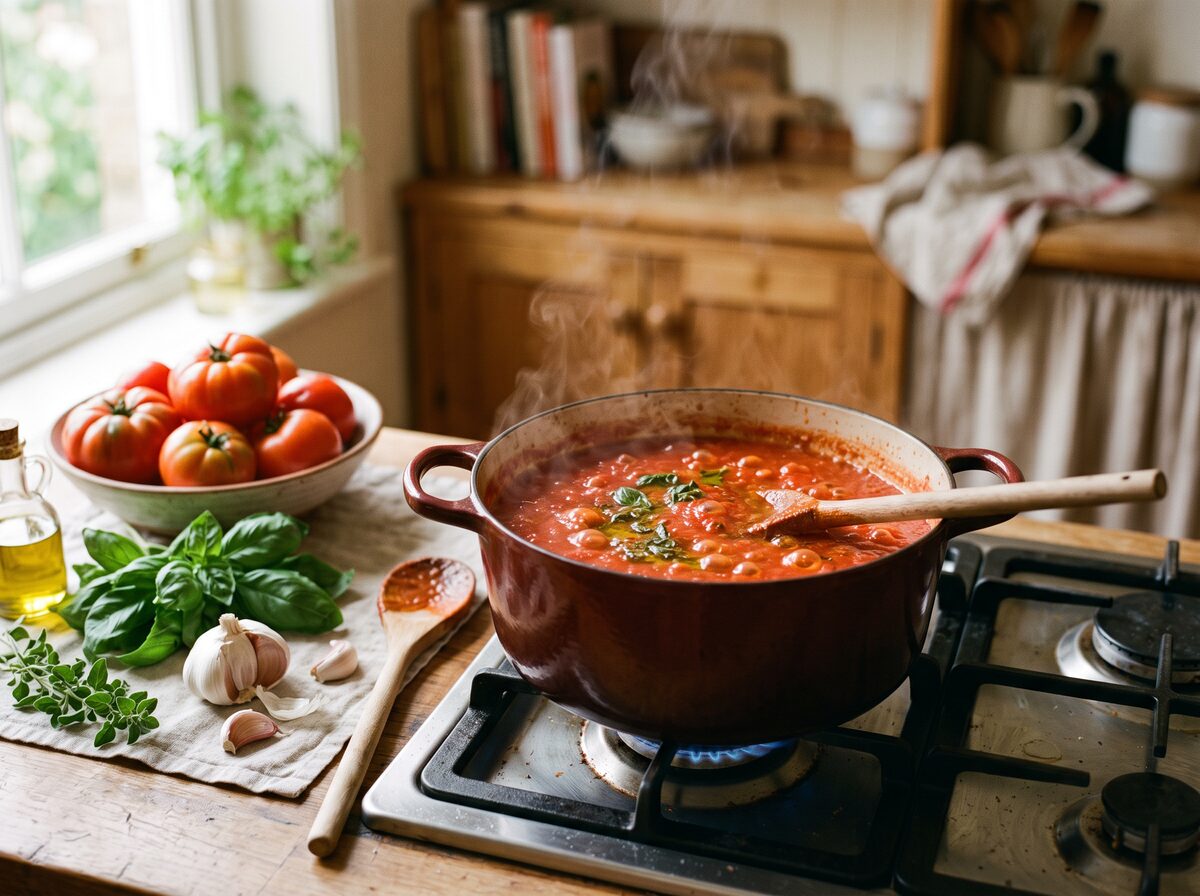
Written by FoodieManiac
With over 8 years of sauce-making experience, I've tested hundreds of techniques and products to bring you practical, reliable advice. Learn more about me →
Why Your Quick Tomato Sauce Tastes Raw - Simple Fixes for Rich Flavor
That Raw Tomato Bite: Why It Happens
Listen, I love a fast pasta night as much as anyone. But nothing kills my vibe faster than tossing noodles with a tomato sauce that tastes like it came straight from the can. You know that sour, almost metallic edge? I’ve made this mistake maybe a hundred times (especially on weeknights when I’m tired and hungry and just want food now). It’s not just you. Quick sauces are notorious for tasting harsh, thin, and, well…raw.
But here's the thing: you don't have to simmer tomato sauce for hours to make it taste good. You just need to know why that raw flavor happens and what fixes it. Over a decade of sauce obsession (and way too many failed experiments), I’ve figured out the real kitchen tricks that work even when you’re rushed. Let’s get into it.
What Makes Tomato Sauce Taste “Raw”?
There are a few culprits, and I’ve run into all of them:
- Uncooked acidity. Tomatoes are acidic, especially if they’re not cooked long enough. That’s the sharp, almost sour taste you get.
- Metallic can flavor. If you use canned tomatoes and don’t cook them right, you get that weird tinny thing. I’ve even noticed this with pricier brands.
- Underdeveloped sweetness. Tomatoes have natural sugars. If you don’t cook them enough, those sugars don’t break down and caramelize—so the sauce tastes flat and tangy.
- Lack of fat or aromatics. If you skip the olive oil, onions, or garlic because you’re in a rush, your sauce misses that mellow, rounded base.
I used to think tomato sauce was just tomatoes and salt. Nope. It’s all about balancing those sharp edges and layering in flavor—even if you only have 20 minutes.
Realistic Fixes That Actually Work
1. Cook Your Tomatoes Harder (and Hotter)
This is one of the simplest things but also the easiest to get wrong. If you just heat tomatoes gently and move on, you keep all the harshness. Instead, really let them sizzle for a few minutes. I mean, let the sauce bubble hard in your pan on medium-high for 5-7 minutes. Stir often so it doesn’t stick. You’ll see the color go from bright red to a deeper, slightly orange-red. That’s the raw edge cooking off. Don’t be afraid of a little splatter (I keep a splatter guard handy for this exact reason).
2. Aromatics: Not Optional (But Flexible)
Even a quick sauce needs a base. If you have 2 minutes, chop half an onion and a clove of garlic. Cook them in olive oil until soft before adding your tomatoes. If you’re really in a hurry, use a microplane to grate the onion—cooks even faster. The aromatics round out the flavor and help kill that raw taste.
If you’re out of fresh stuff, dried garlic powder or onion powder actually works. Add a quarter teaspoon of each once the tomatoes are in. Not fancy, but it does the trick.
3. Don’t Fear a Pinch of Sugar
I fought this for years. I thought adding sugar was “cheating.” Guess what? Sometimes tomatoes need a little help. Start with 1/2 teaspoon, stir, and taste. If the sauce is still harsh, add another 1/4 teaspoon. You don’t want it to taste sweet—just less sour. If you overdo it, a squeeze of lemon or splash of vinegar brings back the brightness (yes, I’ve gone overboard more than once).
Some folks use grated carrot for sweetness, which works if you have an extra minute. But honestly, sugar is fastest when you’re hangry.
4. Salt Gradually (But Don’t Under-Salt)
I’ve ruined more sauces by dumping in salt than I care to count. Start with half a teaspoon per 28-ounce can of tomatoes. Stir, simmer, taste. Add more in 1/4 teaspoon increments. The salt tames acidity and brings out tomato flavor, but you can’t un-salt a sauce. I always taste with a spoon and a piece of bread or pasta, not just the sauce alone.
5. A Little Fat Goes a Long Way
Tomato sauce needs fat for richness. If you’re skipping the olive oil, your sauce will always taste thin. Use 2-3 tablespoons per can of tomatoes. If you want to get wild, swirl in a knob of butter at the end. This is the biggest restaurant secret for finishing tomato sauce. Butter softens everything and gives that glossy look.
6. Simmer Time: 15 Minutes Is Enough (Most Nights)
All those “traditional” recipes say to simmer for an hour or two. Sometimes that’s great, but honestly, 15-20 minutes at a gentle simmer gets you 90% of the way there. Stir every few minutes so it doesn’t scorch. If you have more time, go longer. But if the house smells like tomatoes and you’re hungry, you’re good.
If you want to get a little fancier, check out my Thermomix Roasted Tomato Basil Sauce—it’s a bit more hands-on, but the flavor is bonkers.
Tested Tips
- The lid trick: If your sauce is reducing too fast and getting super thick before the flavor mellows, put a lid on the pan partway. I made a year's worth of chunky, almost paste-like sauces before someone told me this. It keeps the moisture in so you can simmer longer without burning.
- Deglaze for depth: After sautéing your onions and garlic, splash in a couple tablespoons of dry white wine (or even water if you’re out). Scrape up the brown bits before adding tomatoes. No, it won’t taste boozy. It just makes everything taste fancier—like in this guide to deglazing.
- Smooth it out: If the sauce is still sharp after simmering, try blending half of it. I use an immersion blender right in the pot. It gives a silkier texture and somehow tames the acidity. Just be careful—hot sauce splatters like crazy. Let it cool for a minute or hold a towel over the top.
- Stir in a splash of cream: For a super mellow finish, add 2-3 tablespoons of heavy cream at the end. It turns your sauce pink (hello, vodka sauce vibes) and makes it taste like you cooked it for hours. Don’t have cream? A dollop of ricotta or a splash of milk also works in a pinch.
- Don’t skip fresh herbs at the end: Add chopped basil or parsley off the heat. I used to throw them in at the start, but they lose all their flavor if cooked too long. Save them for the last minute for the brightest flavor.
- Making extra? Freeze it right: Tomato sauce actually tastes better after freezing. Cool it completely, portion into containers, and freeze. Want more freezing tips? Check out my guide to freezing sauces.
Shortcuts That Are Actually Fine
Don’t Stress Over Tomatoes
I’ve used every tomato under the sun—San Marzano, budget cans, even boxed passata. Here’s what’s real: expensive D.O.P. San Marzanos are great, but not necessary for a weeknight. Most store brands are fine if you doctor them up with the tips above. If you find tomatoes that taste metallic, add a pinch more sugar and a splash of wine. Boxed tomato puree (passata) works great too—just simmer it a bit longer since it’s usually rawer tasting.
If you want to try something different, roasted tomato sauces like my Thermomix Roasted Tomato Basil Sauce or Creamy Sun-Dried Tomato Basil Dip bring out natural sweetness, with barely any effort.
Canned or Fresh? Use What You Have
Fresh tomatoes are amazing in August, but most of the year, canned is better. If you use fresh, peel and seed them if you have time—otherwise, just chop and cook a little longer. In a real rush, even crushed tomatoes straight from the can will work if you cook them hard for 10 minutes before adding anything else.
Seasoning: Less Is More (At First)
Skip the dried Italian herb blends unless you really love them. They can make sauce taste like pizza parlor spaghetti (which is not always what you want). Stick to fresh basil, parsley, or oregano added at the end, or just salt, pepper, and a tiny pinch of red pepper flakes for heat.
If you want to experiment with other sauce profiles, check out my Authentic Turkish Ezme Sauce for a spicy tomato-pepper twist, or my Authentic Argentine Chimichurri Sauce for something herby and sharp that’s also fantastic on grilled meat.
Common Sauce Mistakes (And Fixes)
- Too acidic? Add a pinch more sugar, a splash of cream, or even a tiny pat of butter. Or try a pinch of baking soda—just a pinch, or it’ll taste soapy. I talk more about balancing acidity in this guide.
- Too thick? Stir in a little water or reserved pasta cooking water. I used to just add tap water, but pasta water has starch that helps the sauce cling.
- Too bland? Add another pinch of salt or a drizzle of olive oil. Or try a splash of balsamic vinegar for depth. Sometimes tomatoes just need a little nudge.
- Flavor still flat after all this? Stir in a tablespoon of grated Parmesan or Pecorino. Cheese adds umami and pulls everything together. If you want a creamy, punchy sauce, seriously try my Creamy Roasted Garlic Parmesan Dip as a pasta topping.
Beyond the Basics: More Sauce Inspiration
Once you’ve mastered the quick tomato sauce, you can riff endlessly. Try adding a spoonful of Authentic Indian Mint Cilantro Chutney for a herby, spicy kick, or swirl in some Creamy Roasted Jalapeño Ranch Dip for a Tex-Mex pasta twist. If you’re feeling experimental, use your tomato sauce as a base and stir in a bit of Thermomix Creamy Sun-Dried Tomato Basil Sauce for extra richness.
And if you ever end up with way too much sauce (it happens to me constantly), check out my freezing guide so you never waste a drop. Sauces nearly always taste even better after a nap in the freezer.
Final Thoughts (From My Messy Kitchen)
Your quick tomato sauce doesn’t have to taste raw. Seriously. Most of the fixes are simple—just a hotter pan, a little patience, and being brave with salt, fat, and a pinch of sugar. Don’t be afraid to taste, adjust, and taste again. And remember: nobody in Italy is judging you for adding a knob of butter or a splash of cream. If it tastes good, you did it right.
If you’re sauce-obsessed like me and want to level up even more, check out my guide on how to pair sauces with pasta shapes for next-level weeknight dinners. Or if you want to go creamy instead of tomato, I’ve got a whole list of super-fast, flavor-packed sauces for every craving.
Happy simmering—and if you burn the bottom of the pan, just call it “fond” and keep going. We’ve all been there.
TAGS
Related Articles
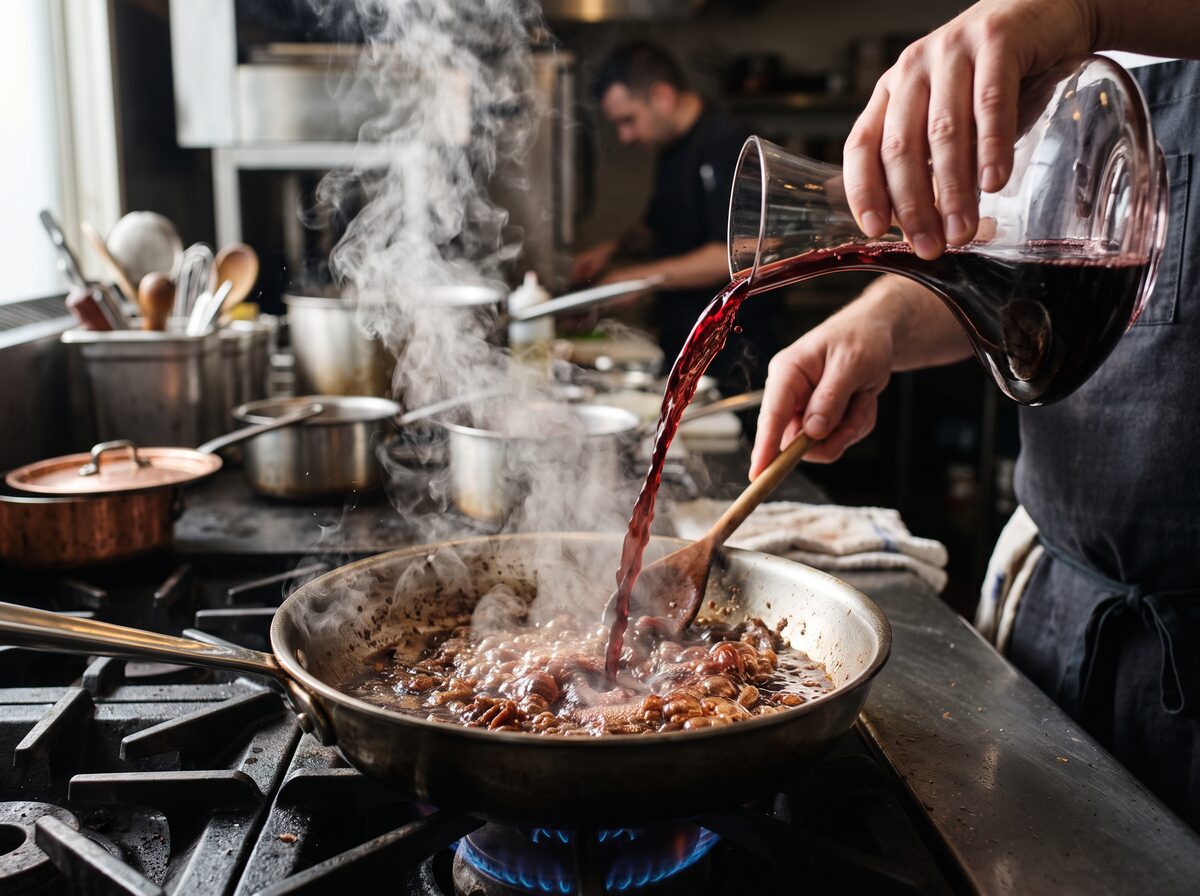
How to Deglaze Like a Pro: Unlocking Deep Flavor for Restaurant-Quality Sauces
Master deglazing to build rich, complex sauces at home. Step-by-step techniques, liquid choices, and chef tips for pro-level flavor every time.
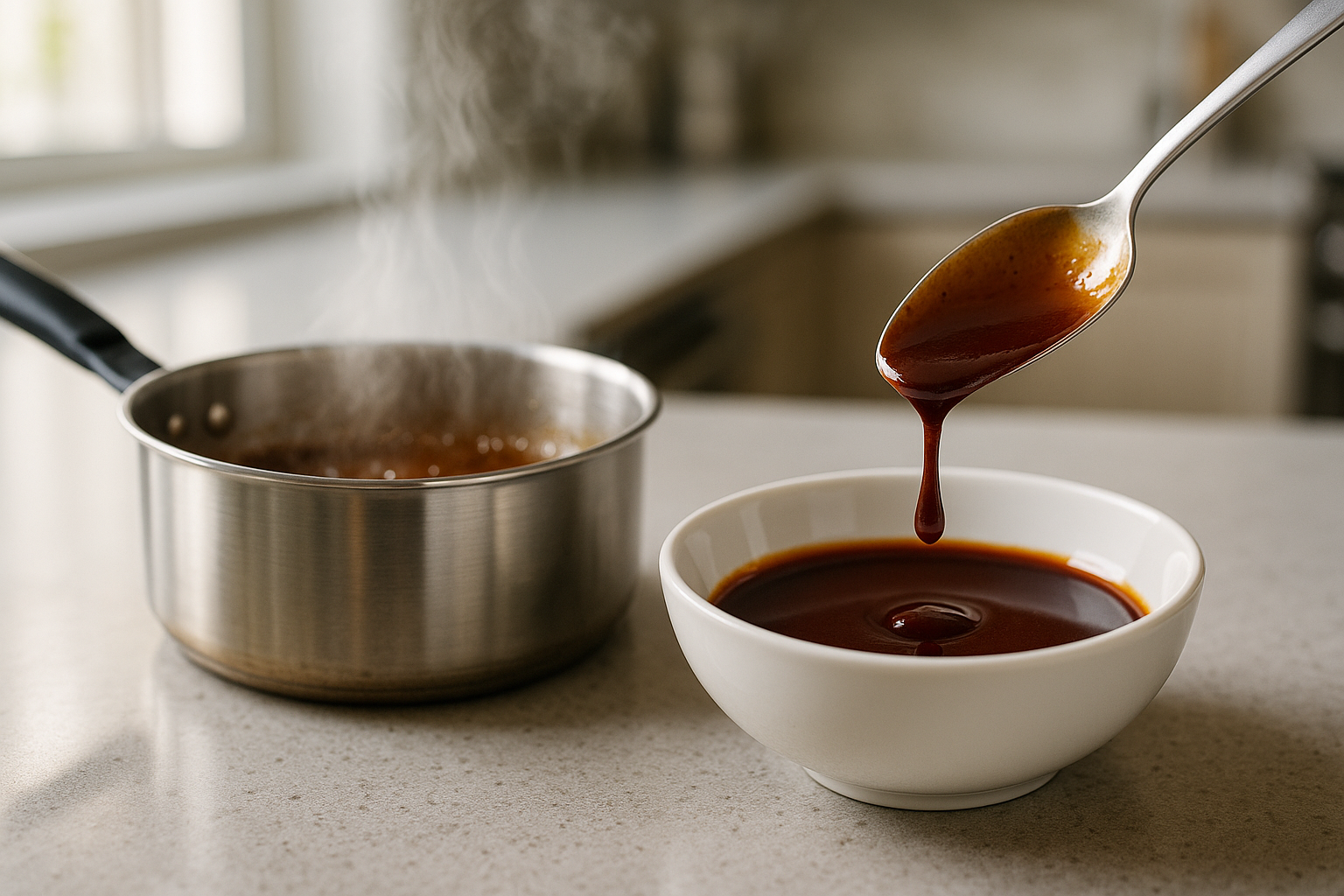
How to Reduce Sauces for Maximum Flavor: Techniques and Timing
Master reduction for deeply flavorful sauces. Learn techniques, timing, and tips to thicken and intensify your sauces like a pro at home.
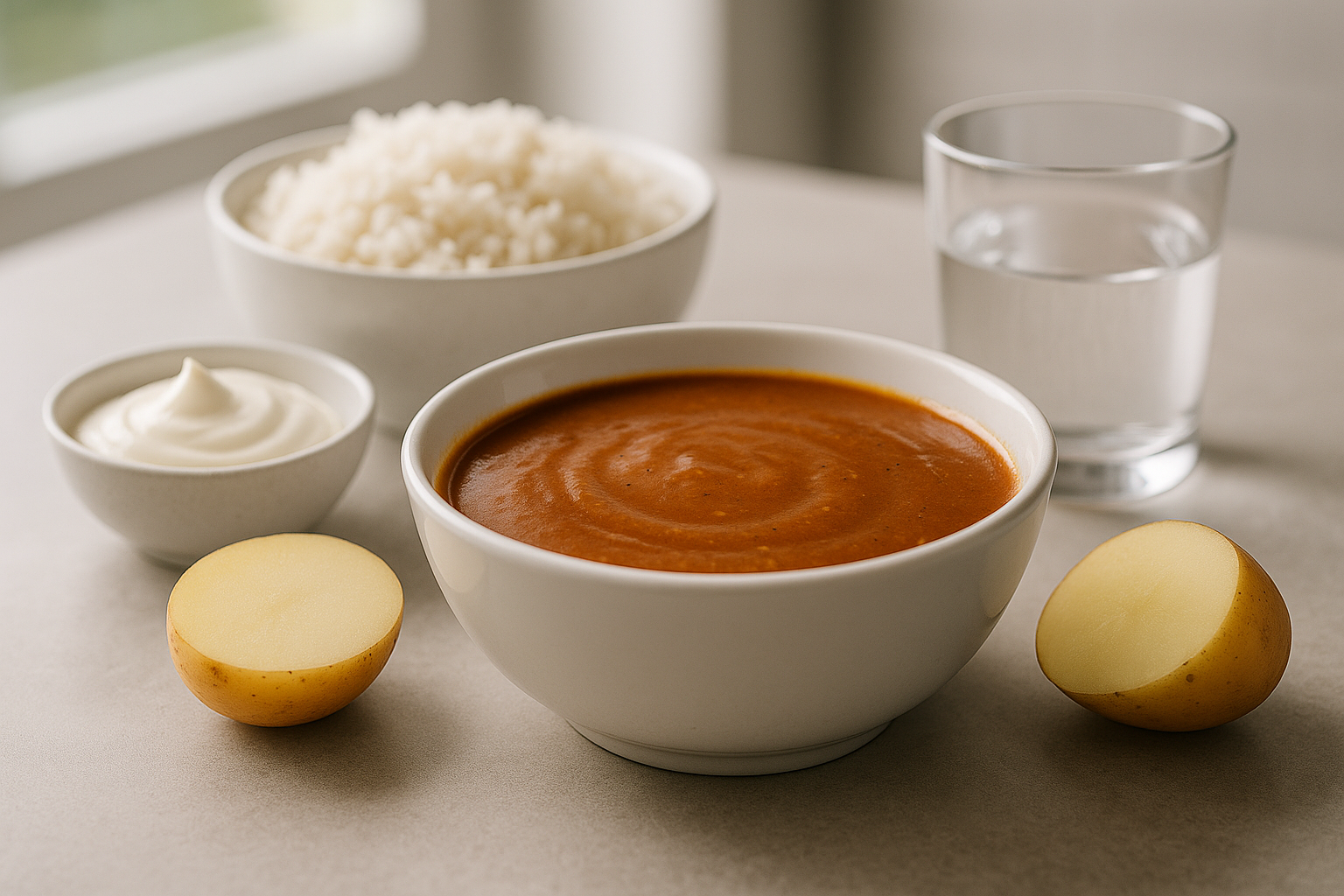
How to Fix Over-Salted Sauces: Chef-Approved Rescue Techniques
Learn step-by-step methods to save over-salted sauces. Tips, tricks, and ingredient fixes to balance flavors and rescue your favorite recipes.
Why Your Pan Sauce Turns Out Greasy - Quick Fixes for Silky Results
Tired of greasy, separated pan sauces? Learn quick tricks to fix and prevent oily sauces for smooth, restaurant-quality results at home every time.