Why Your Quick Pan Sauce Tastes Bland - Simple Ways to Boost Flavor Fast
Is your pan sauce missing flavor? Learn easy, pro-approved tricks to make quick sauces taste rich, savory, and delicious every time you cook.
Written by FoodieManiac
With over 8 years of sauce-making experience, I've tested hundreds of techniques and products to bring you practical, reliable advice. Learn more about me →
Why Quick Pan Sauce Tastes Like Nothing (And How to Fix It)
If you’ve ever poured a fresh pan sauce over your perfectly seared steak, only to taste it and mutter “meh,” you’re not alone. I can’t tell you how many times I’ve followed a recipe exactly, scraped up those browned bits, added my splash of stock, and still ended up with something that tasted like warm water with a hint of meat. It’s frustrating, especially when you know how good a pan sauce should be. Let me walk you through where things usually go wrong, and how to fix it fast - from someone who’s made every bland, watery, and split sauce mistake in the book.
What Actually Is a Quick Pan Sauce?
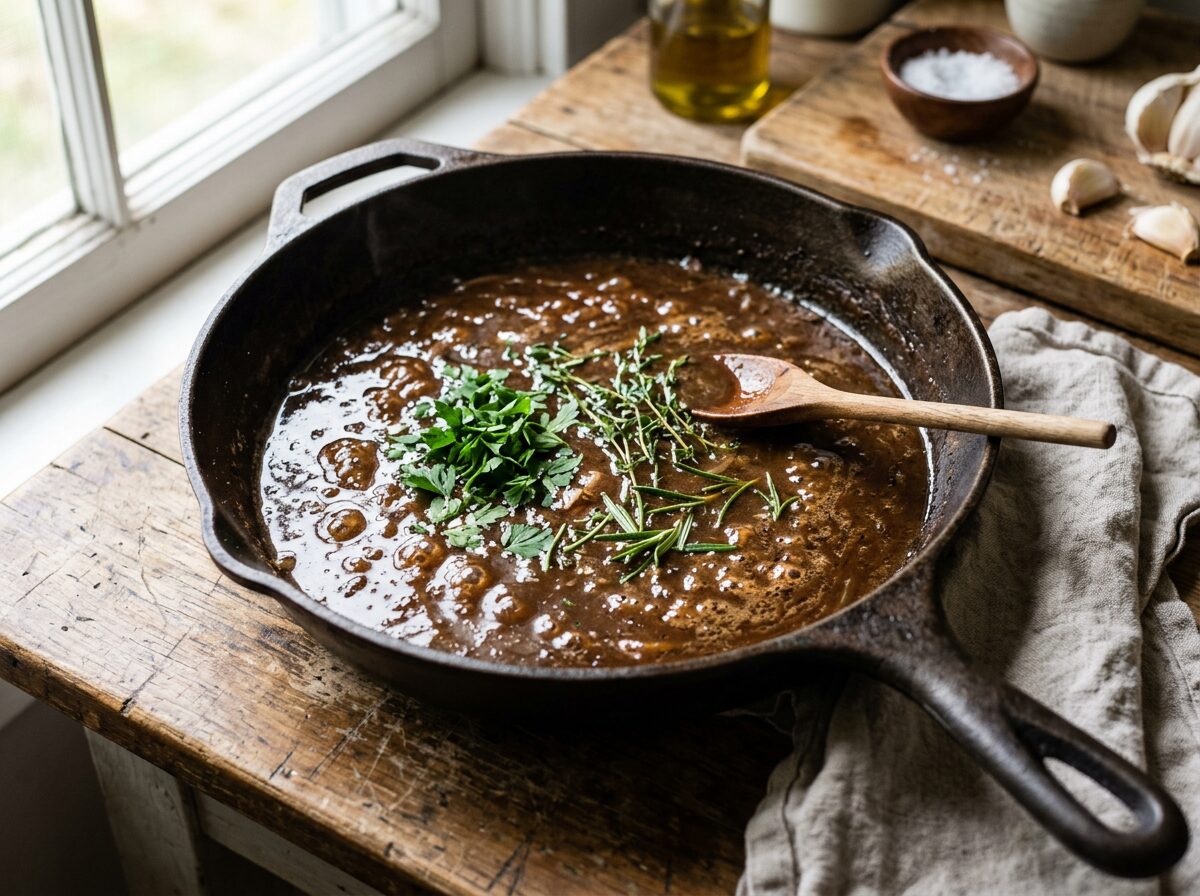
A pan sauce is what happens when you use the brown bits left in your skillet (the fancy word is “fond”) after searing meat, deglaze with some liquid, and quickly build a sauce right there. It’s supposed to be fast - I’m talking 5-10 minutes, tops. No fancy roux, no hours of simmering. Just a little magic before you serve.
But here’s the thing: because it’s so quick, every step and ingredient matters a lot more. You don’t have hours to build flavor, so you have to be smart (and a little aggressive) about getting flavor in right away. If you want to learn more about how chefs layer flavor in sauces, check out this guide on the layering method - it changed how I cook.
Why Does My Pan Sauce Taste Bland?
Not Enough Fond
This is the #1 reason for boring sauces. Every time I try to rush the sear, or when I use nonstick (don’t), I end up with a pale pan and a sauce that tastes like nothing. You want those dark, sticky bits on the bottom - that’s pure flavor. If your pan looks clean after searing, you’re missing the magic.
Watered Down Stock (Or None at All)
Here’s a hard truth: most store-bought stocks are basically salty water. I use them anyway (who has time to make stock every week?), but you need to concentrate them or use less. If you just dump in a cup of Swanson or whatever and expect miracles, you’ll get a weak sauce. I learned this the hard way after a year of bland chicken pan sauce.
No Acid
This one surprised me at first. I used to finish my sauces with just butter and call it done. But a splash of vinegar, wine, or even lemon juice at the end is what makes a sauce pop. Otherwise, it just sits flat. I didn’t believe it until I tried it side by side - now I always keep lemons and red wine vinegar next to the stove.
Underseasoning
The first time I made a “classic” pan sauce, I followed the recipe and salted “to taste.” Well, my taste buds must have been broken, because it was so bland. You need more salt than you think. Start with half a teaspoon, taste, and add more slowly. You can always add, but you can’t un-salt a sauce. If you do overdo it, here’s how to rescue a sauce that’s too salty.
Not Enough Reduction
This is the one I mess up if I’m in a hurry. If you don’t let the sauce reduce and thicken, all the flavors stay diluted. Bring it to a rapid simmer (not just a wimpy bubble) and let it go until it looks syrupy - usually 2-4 minutes for most quick sauces. If you take it off too soon, it’ll taste weak and watery.
Building Big Flavor, Fast
Step 1: Sear Hard, Don’t Crowd
Searing meat properly is half the battle. Pat your protein dry, get your pan hot (medium-high, not maxed out), and don’t touch it for a few minutes. If you try to “peek” or flip early, you’ll get zero fond. And never crowd the pan - I ruined so many sauces by steaming my chicken instead of searing. Do batches if you have to.
Step 2: Deglaze Aggressively
This means pouring in your wine, broth, or even water and scraping up every last brown bit. Use a wooden spoon and don’t be gentle - those bits are gold. Wine adds acidity (always a win), but you can use just stock if you want. The key is to get it all off the bottom.
Step 3: Taste, Season, Reduce
Add your seasonings now. This is where you want to get bold - a little mustard, a splash of soy sauce, a teaspoon of miso, a pinch of smoked paprika. Don’t just rely on salt. Let it bubble away until it thickens. If it coats the back of a spoon, it’s usually ready.
Step 4: Finish With Fat and Acid
Turn the heat off and swirl in butter, cream, or a splash of olive oil. Then - and this is key - add a squeeze of lemon or a dash of vinegar. Taste again. I swear, this is the magic step. If you skip it, you’ll notice.
Tested Tips
- Fond first: If you’re not getting enough brown bits after searing, toss a teaspoon of tomato paste or a few sliced mushrooms in the pan and let them brown. This builds up fond fast. I discovered this when I tried to make a sauce after sautéing shrimp and had zero fond - tomato paste saved it.
- Don’t drown the pan: Only add enough liquid to cover the bottom of the pan by about 1/4 inch. If you add too much, it’ll never reduce in time and the sauce will taste weak. If you accidentally pour in too much, scoop some out right away or crank the heat and be patient - just watch for burning.
- Acid at the end: Always finish with a splash of acid. If you forget and the sauce tastes flat, stir in 1/2 teaspoon vinegar or lemon juice, taste, and add more if needed. I’ve revived so many bland sauces this way.
- Butter swirl: Take the pan off the heat before adding butter or cream. If you add fat while it’s boiling, the sauce can split (I’ve done this way too often). If it does split, whisk in a teaspoon of cold water off heat to bring it back together.
- The lid trick: If your sauce is reducing too fast and getting too thick, put the lid on halfway. I spent a year making sauces too thick before someone told me this. If it’s already too thick, add a splash of stock to loosen.
- Shortcut stock: Store-bought stock is fine here, honestly. But if you want real depth, stir in a teaspoon of Better Than Bouillon or reduce the stock by half before using. It makes a huge difference in flavor.
Common Pan Sauce Add-Ins That Actually Work
- Dijon mustard: 1 teaspoon. Adds tang and body instantly.
- Soy sauce: 1/2 teaspoon. Deepens umami, especially with beef or mushrooms.
- Miso paste: 1 teaspoon. Stir in just before finishing for a savory punch.
- Chopped fresh herbs: Add at the very end. Parsley, tarragon, or chives are my go-tos.
- Shallots or garlic: Sauté for 1 minute after removing meat, before deglazing. Instantly ups the flavor.
- Vinegar or lemon: Always add to taste at the end (start with 1/2 teaspoon, taste, add more if needed).
You don’t have to use all of these, but picking one or two can turn a boring sauce into something craveable. For more ideas, check out this guide on infusing sauces with herbs and spices.
Pan Sauce Troubleshooting (What Goes Wrong and How To Fix It)
My Sauce Is Too Thin
Let it simmer longer. If you’re in a rush, whisk in a teaspoon of cornstarch mixed with a tablespoon of cold water, then simmer for 30 seconds. It’s not “cheffy,” but it works. I’ve done this when dinner was late and the hangry looks were coming my way.
My Sauce Split
This happens if you add fat while the sauce is boiling. Take it off the heat, whisk in a splash of cold water, and stir hard. Sometimes it comes back, sometimes it doesn’t. If it’s really broken, just call it “rustic.” If you want to learn why sauces break and how to prevent it, I wrote a whole guide: Why Sauces Break (And How to Prevent It Every Time).
My Sauce Is Too Salty
Been there, done that. Add a splash of cream (if it fits the flavor), or a little water and simmer again. You can also whisk in a bit of unsalted butter. If it’s still too much, serve it on the side instead of pouring.
My Sauce Looks Greasy
This usually means too much fat or not enough reduction. Skim off excess fat with a spoon, or blot with a paper towel (carefully). For more details, check out this guide on greasy pan sauces.
When to Go Fancy and When to Keep It Simple
I love a good pan sauce, but here’s the truth: you don’t always need fancy wine or homemade demi-glace. Most nights, I just use whatever stock I have, a splash of vinegar, and some butter. That’s plenty for a weeknight. Save the good wine for when you actually want to drink it. If you do want to up your game, a teaspoon of homemade dukkah spice mix or a dollop of creamy sun-dried tomato basil dip (yes, as a pan sauce base) can really impress.
And honestly, some proteins don’t need a pan sauce at all. If I’m making grilled meats, half the time I just reach for chimichurri or salsa criolla instead. It’s faster and brightens up everything.
Pan Sauce Pairings and Shortcuts
Here are a few of my favorite combos when I want a killer sauce without fuss:
- Chicken + pan sauce with Dijon, a splash of white wine, and lots of black pepper
- Pork chops + apple cider vinegar, a little brown sugar, and thyme
- Steak + red wine, beef stock, and a pat of butter at the end (don’t forget the acid!)
- Fish + lemon juice, capers, and fresh parsley (skip the stock, just use a splash of water)
Want to try something totally different? Pan sauces don’t always have to be classic French. I’ve swirled in sweet chipotle BBQ sauce for pork, or even used a spoonful of roasted garlic Caesar dressing as an instant flavor boost for chicken. Don’t be afraid to experiment with leftovers - sometimes I’ll even add a scoop of sriracha ranch to a pan sauce for spicy chicken. Sounds weird, but it works.
Final Thoughts: Don’t Stress, Just Taste and Adjust
Here’s the thing: pan sauces are quick, forgiving, and way more about tasting than following exact recipes. If it tastes bland, reduce it more, add a splash of acid, or stir in something savory. If you want to geek out more on how fat, acid, and salt actually work in sauces, here’s a nerdy guide I wrote that’s totally worth reading.
And if you’re ever totally lost, just taste as you go and don’t be afraid to add more salt, acid, or a pat of butter. That’s the real secret. You got this. And next time you nail a sauce, you’ll know exactly why.
TAGS
Related Articles
How to Make 3-Ingredient Sauces: Fast, Flavorful Recipes for Any Meal
Discover easy 3-ingredient sauces you can whip up in minutes to elevate any dish—perfect for quick weeknight meals and busy home cooks.
How to Deglaze for Pan Sauces: Step-by-Step Guide to Rich, Flavorful Results
Master deglazing for pan sauces with this step-by-step guide. Learn the best liquids, timing, and techniques for restaurant-quality sauces at home.
How to Make 3-Ingredient Sauces in Under 5 Minutes (With Recipes)
Discover easy 3-ingredient sauces you can whip up in 5 minutes or less. Perfect for busy cooks—includes quick recipes and pairing tips.
How to Make 3-Ingredient Sauces: Fast Recipes for Flavorful Meals
Discover quick and easy 3-ingredient sauce recipes you can whip up in minutes to boost flavor in any meal—perfect for busy weeknights.