How to Make 5-Minute Stir-Fry Sauce: Easy Recipe for Any Veggie or Protein
Whip up a versatile 5-minute stir-fry sauce that works with any vegetables or protein. Quick, customizable, and packed with flavor for weeknight meals.
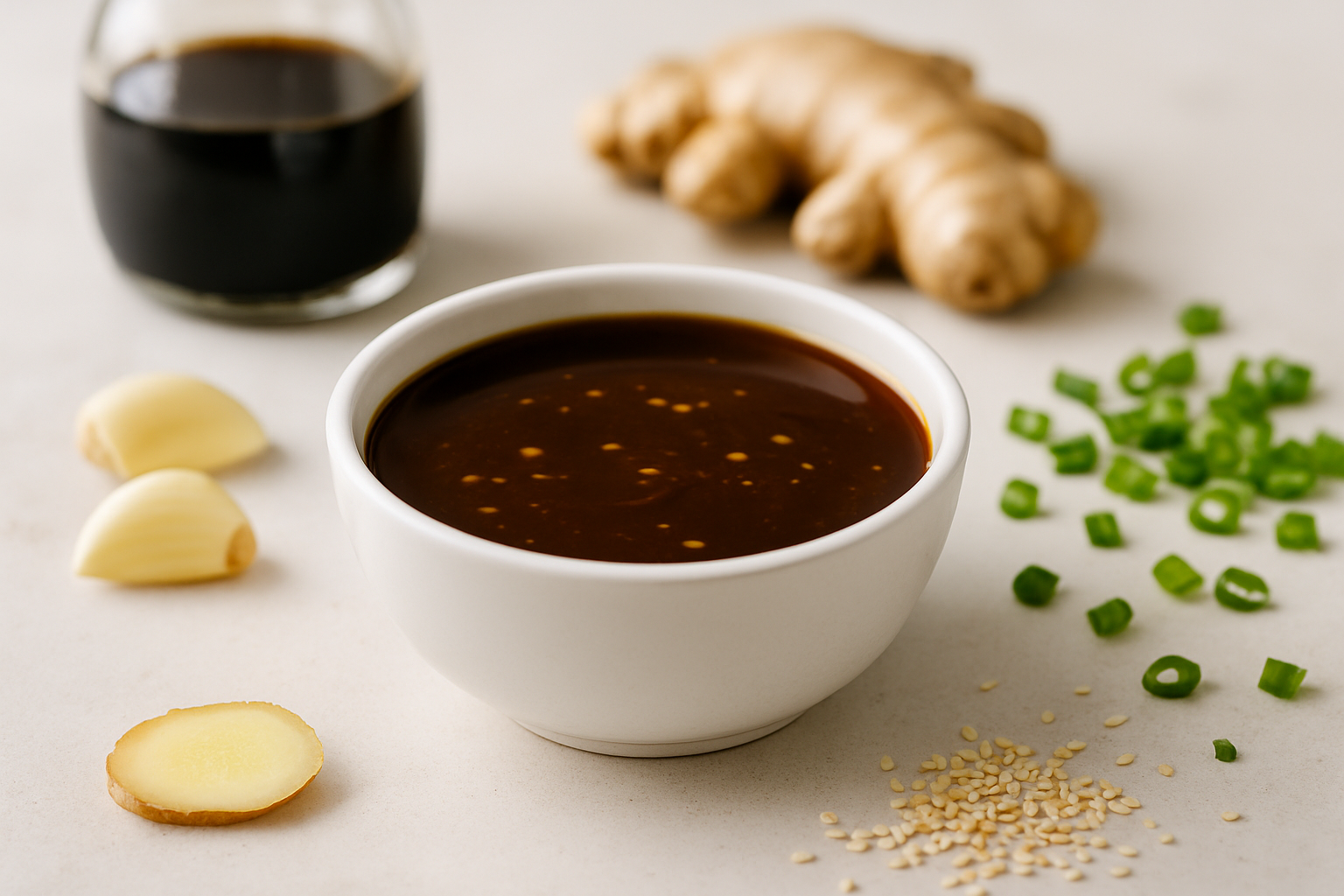
Written by FoodieManiac
With over 8 years of sauce-making experience, I've tested hundreds of techniques and products to bring you practical, reliable advice. Learn more about me →
Why a 5-Minute Stir-Fry Sauce Belongs in Every Kitchen
Stir-fry sauces are the backbone of quick, flavorful weeknight dinners. With the right combination of savory, sweet, salty, and umami, you can transform simple vegetables or proteins into a restaurant-worthy meal. The beauty of a 5-minute stir-fry sauce is its versatility: it clings to any ingredient, thickens quickly, and balances flavors without fuss. Unlike many specialty sauces that require unique ingredients or long simmering times, this recipe uses pantry staples and basic techniques to create a glossy, craveable finish every time.
Core Ingredients for a Balanced Stir-Fry Sauce
Every great stir-fry sauce balances salt, sweet, acid, and umami. Here’s what you’ll need for a classic, all-purpose sauce that works on chicken, beef, tofu, shrimp, or any vegetable:
- 3 tbsp soy sauce (regular or low sodium)
- 2 tbsp oyster sauce (or vegetarian oyster sauce)
- 1 tbsp brown sugar (or honey/maple syrup)
- 1 tbsp rice vinegar (or apple cider vinegar)
- 1 tsp toasted sesame oil
- 2 cloves garlic, minced (about 1 tsp)
- 1 tsp fresh ginger, grated
- 1 tbsp cornstarch
- 1/2 cup cold water or low-sodium chicken/vegetable broth
- Optional: 1/2 tsp chili flakes or sriracha for heat
This sauce makes about 3/4 cup, enough for 12-16 ounces (350-450g) of protein and 3-4 cups of vegetables.
The Role of Each Ingredient
- Soy sauce: Salty, umami base. For gluten-free, use tamari.
- Oyster sauce: Adds depth and a subtle sweetness; vegetarian versions use mushrooms for umami.
- Brown sugar: Balances salt; honey or maple syrup can be substituted for different flavor notes.
- Rice vinegar: Provides brightness and prevents the sauce from tasting flat.
- Sesame oil: For nutty aroma; only use toasted sesame oil and add at the end to preserve its flavor.
- Garlic & ginger: Fresh aromatics infuse every bite; always mince or grate finely for even distribution.
- Cornstarch: The thickener. Must be dissolved in cold liquid to prevent lumps and to activate properly when heated.
How to Make 5-Minute Stir-Fry Sauce: Step-by-Step
1. Mix the Sauce Base
In a small bowl or 2-cup liquid measuring cup, combine:
- 3 tbsp soy sauce
- 2 tbsp oyster sauce
- 1 tbsp brown sugar
- 1 tbsp rice vinegar
- 1/2 cup cold water or broth
- 1 tbsp cornstarch
Whisk thoroughly until cornstarch is dissolved. This prevents lumps when the sauce hits the heat. Add the garlic, ginger, and chili flakes if using. Set aside.
2. Prepare Your Stir-Fry Ingredients
Have your vegetables and proteins chopped and ready. Stir-fries move fast: cook over high heat (400-450°F/200-230°C) in a wok or large skillet. Cook proteins first, remove, then stir-fry vegetables. Return protein to the pan before adding the sauce.
3. Cook and Thicken the Sauce
With all ingredients in the pan, increase heat to high and pour in your prepared sauce. Stir constantly. The sauce will turn glossy and thicken within 60-90 seconds as the mixture reaches a simmer (about 212°F/100°C). Once thickened, immediately turn off the heat. Drizzle in the toasted sesame oil and toss to coat.
Essential Tips for Perfect Stir-Fry Sauce Every Time
Use Cold Liquid for Cornstarch
Cornstarch must be dissolved in cold water or broth before adding to hot ingredients. Directly adding cornstarch to hot liquid will cause instant gelatinization and lumps. For best results, whisk your sauce base until totally smooth before cooking.
Control the Thickness
Want a thinner sauce? Use 2 tsp cornstarch. For a thicker glaze, use up to 1.5 tbsp. If your sauce becomes too thick, add 1-2 tbsp water or broth and stir over medium heat until it loosens.
Timing Is Crucial
Do not overcook the sauce. Cornstarch-based sauces reach full thickness within 60-90 seconds of boiling. Continuing to cook can cause the sauce to thin out again or turn gummy. As soon as the sauce is glossy and coats the back of a spoon, remove from heat.
Use High Heat for Searing
For best flavor and caramelization, cook your proteins and veggies over high heat (400-450°F/200-230°C). The quick-cooking process creates flavorful browned bits (fond) that dissolve into your sauce, boosting umami. If using nonstick pans, keep temperature below 450°F to avoid damaging the coating.
Customize Your Stir-Fry Sauce
This master recipe is a canvas for your creativity. Try these variations for different cuisines and dishes:
- Spicy Sichuan: Add 1 tsp chili garlic paste and 1/2 tsp ground Sichuan peppercorns.
- Thai-Inspired: Swap rice vinegar for lime juice, add 1 tbsp fish sauce, and 1 tsp brown sugar.
- Lemon-Ginger: Add 2 tsp lemon zest and 2 tbsp lemon juice; omit oyster sauce for a lighter profile.
- Peanut Stir-Fry: Whisk in 2 tbsp creamy peanut butter and 1 tsp extra soy sauce.
- Vegan: Use mushroom-based “oyster” sauce and vegetable broth.
For inspiration on sauces with unique flavor profiles, explore our Authentic Turkish Ezme Sauce for a spicy, tangy kick, or a Fresh Salsa Criolla for bright, herby notes.
Best Proteins and Veggies for Stir-Fry Sauce
- Proteins: Chicken breast or thigh, flank steak, pork tenderloin, shrimp, tofu, tempeh, seitan.
- Vegetables: Broccoli, bell peppers, snap peas, carrots, mushrooms, zucchini, green beans, baby corn, bok choy.
Cut proteins into bite-sized strips (1/2-inch thick) for even cooking. Blanch denser veggies like broccoli in boiling water for 1 minute before stir-frying to ensure they cook through quickly and absorb sauce better.
How Much Sauce to Use
For 1 pound (450g) of protein and 4 cups of vegetables, 3/4 to 1 cup of sauce is ideal. This ensures every bite is coated but not soupy. If doubling the recipe, simply double all ingredients but thicken in batches for best results.
Cooking Temperatures and Timing for Optimal Results
- Preheat wok/skillet: Medium-high to high (400-450°F/200-230°C) for 2-3 minutes before adding oil.
- Protein: Sear 2-3 minutes until browned; remove before overcooking. Chicken should reach 165°F (74°C), beef and pork 145°F (63°C), shrimp until pink and opaque.
- Vegetables: Stir-fry 2-4 minutes; add denser vegetables first.
- Sauce: Simmer for 60-90 seconds after adding to pan; remove from heat when glossy and thick.
Storage, Shelf Life, and Safety
This sauce can be made ahead and stored in the fridge for up to 1 week. If storing, keep it in an airtight glass jar or BPA-free plastic container. Shake or whisk before use, as cornstarch may settle. For more on safe storage and containers, read How to Store Sauces in the Fridge: Safety, Shelf Life, and Best Containers.
Always reheat the sauce to a simmer before serving to ensure food safety, especially if adding to cooked proteins or vegetables.
Advanced Techniques: Maximizing Stir-Fry Sauce Flavor
Deglaze for Umami
After stir-frying proteins, there are browned bits (fond) in the pan. Pouring sauce into a hot pan and scraping up these bits with a spatula dissolves them, infusing your sauce with extra savory notes. This technique, also used in 5-Minute Pan Sauces, dramatically boosts flavor.
Layer Your Aromatics
For a deeper, more complex sauce, sauté garlic and ginger in 1 tbsp oil for 30 seconds over medium-high heat before adding the sauce base. This “blooms” the aromatics, releasing oil-soluble compounds and intensifying their aroma.
Infuse with Fresh Herbs and Spices
After the sauce has thickened, fold in chopped fresh cilantro, Thai basil, or scallions for a burst of freshness. To learn more about layering flavors, check out How to Infuse Sauces With Herbs and Spices: Techniques for Maximum Flavor.
Troubleshooting: Common Stir-Fry Sauce Issues
- Sauce too thin: Simmer for 30 seconds longer, or dissolve 1 tsp cornstarch in 1 tbsp cold water and whisk in, then cook another minute.
- Sauce too thick/gummy: Add 1-2 tbsp water or broth, stir over low heat until desired consistency returns.
- Lumpy sauce: Always dissolve cornstarch in cold liquid; strain sauce through a fine mesh sieve if lumps form.
- Too salty: Add a squeeze of lemon juice or a splash of unsalted broth. For more rescue ideas, read How to Fix Over-Salted Sauces: Chef-Approved Rescue Techniques.
Serving and Pairing Suggestions
- Serve over steamed jasmine or basmati rice for classic takeout flavor. For more pairing inspiration, explore Best Sauces for Rice: 13 Flavorful Pairings From Around the World.
- Use as a finishing glaze for grilled chicken, shrimp skewers, or roasted tofu.
- Drizzle over simple steamed or roasted veggies for extra flavor.
Looking for more ways to elevate your meals with easy sauces? Try a Homemade Chimichurri as a fresh, herbal counterpoint to grilled proteins, or a Spicy Pineapple BBQ Sauce for a sweet and fiery twist.
Related Sauces and Further Reading
If you’re interested in expanding your sauce repertoire, browse these quick and flavorful recipes:
- Copycat McDonald's Hot Mustard Sauce Recipe for a tangy, spicy dip perfect for both proteins and veggies.
- Thermomix Creamy Roasted Garlic Caesar Dressing for a salad-friendly, umami-packed condiment.
- Thermomix Honey Sriracha Dipping Sauce if you crave sweet heat in minutes.
- Authentic Japanese Teriyaki Sauce Recipe for a silky, glossy finish on meats and tofu.
For a deeper dive into sauce mastery, review 10-Minute Marinades: Quick Sauces to Instantly Upgrade Any Protein and How to Store Creamy Sauces: Prevent Separation and Spoilage Safely.
Conclusion: The 5-Minute Stir-Fry Sauce for All Occasions
Mastering a versatile, 5-minute stir-fry sauce empowers you to whip up fast, healthy, and delicious meals with any vegetable or protein. Remember to use cold liquid for cornstarch, balance flavors, and cook over high heat for the best texture and flavor. With this formula, you can customize for any cuisine, dietary preference, or spice level. For more sauce inspiration, explore our complete guide to silky, smooth sauces and never let a meal go bland again.
TAGS
Try These Recipes
Related Articles
How to Freeze Sauces for Maximum Freshness: Methods, Tips, and Mistakes to Avoid
Learn the best techniques to freeze sauces, dressings, and dips. Discover which sauces freeze well, storage tips, and how to thaw for best results.
How to Make 3-Ingredient Sauces: Fast, Flavorful Recipes for Any Meal
Discover easy 3-ingredient sauces you can whip up in minutes to elevate any dish—perfect for quick weeknight meals and busy home cooks.
How to Make 3-Ingredient Sauces in Under 5 Minutes (With Recipes)
Discover easy 3-ingredient sauces you can whip up in 5 minutes or less. Perfect for busy cooks—includes quick recipes and pairing tips.
How to Make 3-Ingredient Sauces: Fast Recipes for Flavorful Meals
Discover quick and easy 3-ingredient sauce recipes you can whip up in minutes to boost flavor in any meal—perfect for busy weeknights.