How to Choose the Right Sauce for Grilled vs. Roasted Meats
Confused about which sauces work with grilled or roasted meats? Learn how cooking method affects the best sauce pairing and get expert tips for success.
Written by FoodieManiac
With over 8 years of sauce-making experience, I've tested hundreds of techniques and products to bring you practical, reliable advice. Learn more about me →
How to Choose the Right Sauce for Grilled vs. Roasted Meats
If you’re anything like me, the sauce is the best part of dinner. I’ve spent years chasing that perfect dribble for steak, the sticky glaze for roast chicken, and the punchy dip for grilled pork. I’ve also made a thousand mistakes along the way (don’t ask about the time I tried to make a balsamic reduction with cheap vinegar and filled the house with smoke). But after all those fails - and wins - I’ve figured out how to actually pick sauces that make grilled and roasted meats sing, not just coat them in random goo.
This isn’t a “just use ketchup” situation. Let’s break down what really works, what to avoid, and how to shortcut without sacrificing flavor. Grab a wooden spoon, because I’m telling you exactly what I wish someone had told me years ago.
Grilled vs. Roasted: Why the Cooking Method Changes Everything
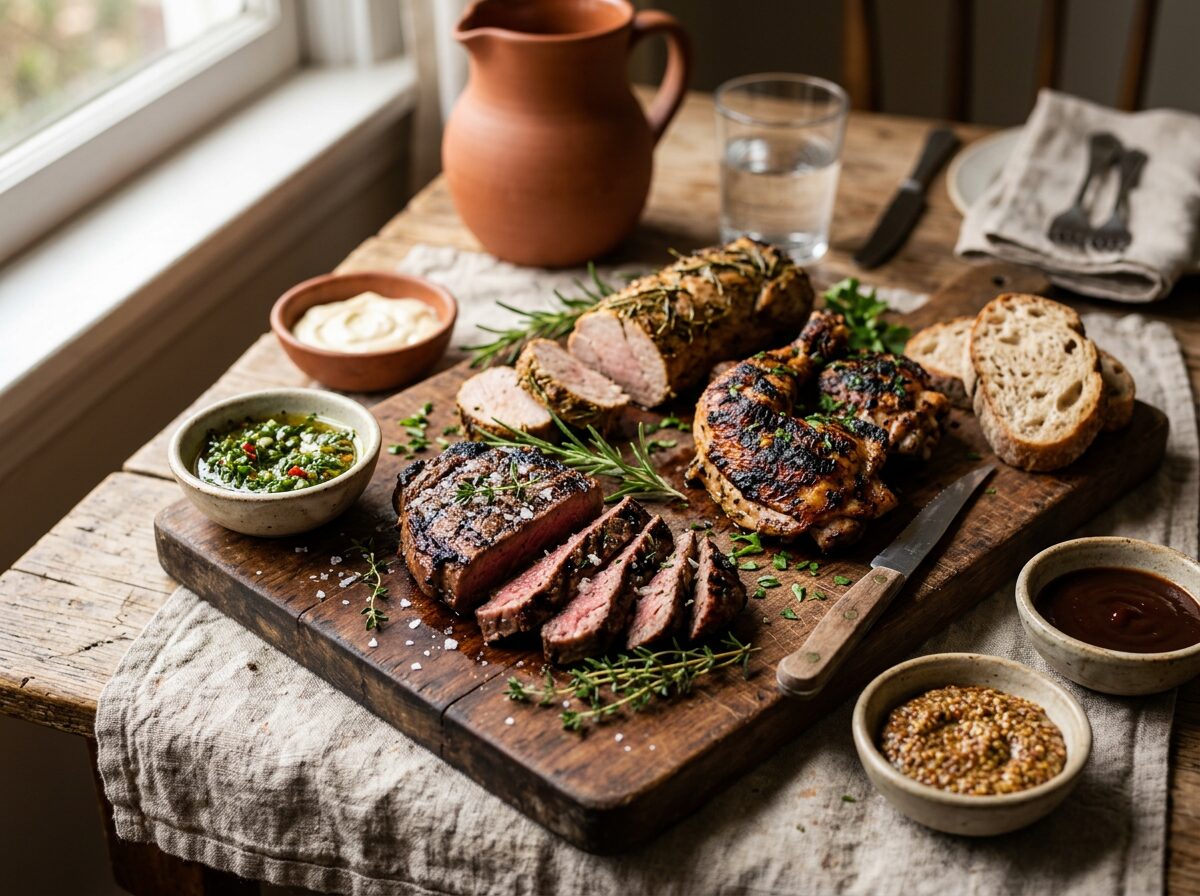
The secret most cookbooks skip is that grilling and roasting do really different things to meat. Grilling’s all about high, direct heat - you get that char, those smoky edges, and sometimes a little dryness if you turn your back for five minutes (guilty). Roasting is slower, with gentle, enveloping heat. Meats come out juicier, sometimes a little fattier, and the flavor is rounder but less smokey.
This means your sauce needs to either enhance those qualities, or balance them out. A heavy, creamy sauce on a smokey grilled steak? Sometimes great, sometimes… just too much. A sharp, acidic sauce on a juicy, slow-roasted pork shoulder? That can wake it up. Let’s break down what actually works in each case. And yeah, I’ll give you real sauce recipes to try (and where I’ve messed them up myself).
What Sauces Work Best for Grilled Meats?
Think Bright, Fresh, and Bold
Grilled meats are already intense, so I’ve learned to go for sauces that add contrast. Brightness, fresh herbs, a little heat, or some tang. My go-to for steak or grilled chicken? Chimichurri. It’s basically parsley, garlic, vinegar, olive oil, and a little chili. I’ve ruined plenty of chimichurri by adding too much onion or letting it sit too long (it gets muddy and sad), so mix it up fresh if you can. Don’t use your fanciest olive oil here - save that for drizzling on salads. A mid-range one is fine.
If you want something chunkier, try a Salsa Criolla - think chopped onions, peppers, and vinegar. It’s killer on grilled sausages or beef. Or, if you like a garlicky punch, try Toum. It’s an absolute flavor bomb on grilled lamb and chicken, but be warned: the first time I made it, it split and turned into garlicky soup. Follow the directions closely and don’t rush the oil drizzle.
Here’s a list of other grilled-friendly sauces I actually use:
- Ezme (spicy tomato & pepper dip) - fantastic with kebabs
- Polynesian Sauce - sweet, tangy, and surprisingly good on grilled pork or chicken
- Jerk Marinade - use as a glaze or a dipping sauce; don’t overdo it unless you love heat
When to Use Creamy or Rich Sauces on Grilled Meats
Sometimes you want creamy. But be careful: grilled meats can get overwhelmed if the sauce is too thick or heavy. I like to swirl a little Sriracha Ranch on grilled chicken or drizzle Avocado Cilantro Lime Dressing on grilled shrimp. The acid and herbs keep it from feeling cloying.
Quick tip: If you’re grilling fatty cuts (like bone-in chicken thighs or ribeye), go lighter on the sauce. If you’re grilling lean cuts (like pork tenderloin), a creamier sauce can help with moisture and flavor.
BBQ Sauces: When and How to Use Them
This is controversial, but honestly, store-bought BBQ sauce is fine. I make my own when I have time, like this Sweet Chipotle BBQ Sauce, but if you’re just grilling burgers and want a shortcut, grab a bottle. But here’s what I learned after many burnt racks: Add BBQ sauce at the very end of grilling, or even just for dipping. Sugary sauces burn fast. I’ve scraped off enough blackened sugar to know better now.
Sauces for Roasted Meats: What Actually Works
Lean Into Richness, Depth, and Creaminess
Roasting draws out natural sweetness and deep flavor, but it can also leave you with a pan full of magical brown bits. Don’t waste those. This is where pan sauces shine. If you’ve never deglazed a roasting pan, you’re missing out - check out Deglazing Techniques for Sauces for the basics. Even just splashing in a cup of low-sodium chicken stock (store-bought is fine) and scraping with a wooden spoon can give you a killer sauce in five minutes.
For roast beef or pork, I love a creamy horseradish sauce or a mustard-based dip. If you’re feeling fancy, mix sour cream, prepared horseradish (start with a teaspoon, taste, then add more), a squeeze of lemon, and a pinch of salt. If you want a shortcut, Hot Mustard Sauce from the drive-thru world actually works surprisingly well with roast pork.
Roast chicken loves a good herby or lemony sauce. Try this Sun-Dried Tomato Basil Dip as a spread or drizzle - it’s especially good on leftovers. Or go classic with a Roasted Garlic Lemon Tahini Dressing. It’s not hard, but you do need to roast the garlic first (wrap a head in foil, drizzle with oil, and bake at 400°F for 30-40 minutes). Don’t skip this - raw garlic just isn’t the same.
Don’t Forget Acid and Sweetness
If your roast tastes a little flat, a splash of acidity can save it. Try a squeeze of lemon over sliced roast lamb, or serve with Italian Salsa Verde (capers, parsley, anchovy - don’t worry, the anchovy disappears into savory goodness).
For pork, a sweet-tangy sauce like Spicy Pineapple BBQ Sauce works wonders. I’ve made versions with canned pineapple and fresh - canned is totally fine and way easier. Just watch the salt, since canned fruit can be syrupy.
Matching Sauces to Meat: A Cheat Sheet
- Grilled steak: Chimichurri, Paprika Sauce, or a sharp mustard
- Grilled chicken: Sriracha Ranch, Jerk Marinade, or Toum
- Grilled pork: Sweet Chipotle BBQ Sauce, Polynesian Sauce, or Ezme
- Roast beef: Creamy horseradish, Hot Mustard Sauce, or Salsa Verde
- Roast chicken: Sun-Dried Tomato Basil Dip, Roasted Garlic Lemon Tahini Dressing, Roasted Garlic Caesar
- Roast pork: Spicy Pineapple BBQ Sauce, apple sauce, or Peruvian Aji Verde
- Roast lamb: Salsa Verde, Mint Chutney, or lemon yogurt sauce
Mix and match, but remember: grilled = bright, fresh, or spicy; roasted = creamy, savory, or gently sweet.
Tested Tips
- The lid trick: If your sauce is reducing too fast and getting thick or burnt (I do this almost every time I multitask), put the lid on the pan halfway. This slows evaporation without making your sauce watery. Saved my pan sauces more than once.
- Add acid last: If you’re making a creamy sauce for roasted meats, add lemon juice or vinegar at the very end and off the heat. If you add it too soon, it can curdle. Trust me, I’ve dumped entire pans for this reason.
- Start salt low: Especially with reductions or canned ingredients. I always start with 1/2 teaspoon of salt, then taste after simmering. You can always add more - but you can’t un-salt. If it’s too salty, a splash of cream or a little sugar can help, but it won’t fix everything.
- Use what’s on hand: Store-bought stock, jarred roasted peppers, even bottled BBQ sauce can be totally fine. Don’t let perfectionism stop you from making a quick sauce. The only thing I don’t shortcut is fresh herbs for raw, uncooked sauces - dried just doesn’t work here.
- Rescue a broken sauce: If your creamy sauce splits (you’ll see oily puddles), take it off the heat and whisk in a tablespoon of cold water or cream, a little at a time. Sometimes it comes back together - sometimes it doesn’t, but it’s worth a shot. For more, see How to Rescue Any Sauce.
- Deglaze those pans: After roasting, pour off most of the fat (leave a tablespoon or two), add a splash of wine, stock, or even water, and scrape up the brown bits. Those bits are pure flavor. For details, check Deglazing Techniques for Sauces.
Shortcut Sauces That Actually Work
Not every sauce needs to be a project. Here are a few “cheater” sauces that I use all the time and no one complains:
- Lemon-herb drizzle: Mix 1/4 cup olive oil with the zest and juice of one lemon, a clove of minced garlic, and a handful of chopped herbs (whatever’s in the fridge). Salt to taste. It’s great on both grilled and roasted meats.
- Quick pan gravy: After roasting, deglaze pan with 1 cup chicken stock, scrape up bits, simmer, then whisk in a knob (2 tablespoons) of cold butter. Salt and pepper, done.
- Instant yogurt sauce: 1 cup Greek yogurt, 1 tablespoon lemon juice, a pinch of garlic powder, salt and pepper. Stir and serve. Goes with grilled lamb, chicken, or pork.
What Not to Do (From Painful Experience)
- Don’t sauce grilled meats while they’re still screaming hot, unless it’s a glaze you want to caramelize. Fresh herb sauces wilt and lose their punch if they hit a 600°F steak straight off the grill.
- Don’t drown roasted meats in extra-sweet sauces. They taste cloying, not balanced. Use sweet sauces as a drizzle, not a blanket.
- Don’t skip tasting as you go, especially with reductions. Flavors get intense fast. I once made a pan sauce so salty it almost pickled the meat.
Want to Get Deeper Into Sauce-Making?
If you’re geeking out about sauce basics, check out these guides:
- Deglazing Techniques for Sauces: How to Unlock Deep Pan Flavor
- The Role of Fat, Acid, and Salt in Sauces
- How Chefs Build Flavor in Sauces (The Layering Method)
- Why Sauces Break (And How to Prevent It Every Time)
Final Thoughts
The right sauce doesn’t just cover up meat - it makes it shine. Grilled meats love brightness and acid; roasted meats love richness and depth. You can get fancy, or you can just use what’s in your fridge. The only real mistake is letting sauce stress you out or skipping it entirely. So experiment, taste as you go, and don’t worry if it’s not perfect. Some of my best sauces were “accidents” I could never repeat if I tried. Happy cooking!
TAGS
Related Articles
Best Sauces for Pork: 12 Pairings for Chops, Tenderloin, and More
Discover 12 delicious sauces for pork, from chops to tenderloin. Elevate your meals with the perfect sauce pairing for every pork cut and recipe.
How to Make 3-Ingredient Sauces: Fast, Flavorful Recipes for Any Meal
Discover easy 3-ingredient sauces you can whip up in minutes to elevate any dish—perfect for quick weeknight meals and busy home cooks.
How to Make 3-Ingredient Sauces in Under 5 Minutes (With Recipes)
Discover easy 3-ingredient sauces you can whip up in 5 minutes or less. Perfect for busy cooks—includes quick recipes and pairing tips.
Best Sauces for Pork: 12 Perfect Pairings for Chops, Tenderloin, and More
Discover 12 delicious sauces that pair perfectly with pork chops, tenderloin, ribs, and roasts. Elevate every pork dish with these expert sauce ideas.