How to Make Zhoug Sauce: Yemen’s Spicy, Herbaceous Green Condiment
Discover how to make authentic Zhoug sauce at home. This Yemeni green condiment adds bold, spicy flavor to meats, veggies, grains, and more.
Written by FoodieManiac
With over 8 years of sauce-making experience, I've tested hundreds of techniques and products to bring you practical, reliable advice. Learn more about me →
Introduction to Zhoug: Yemen’s Green Fire
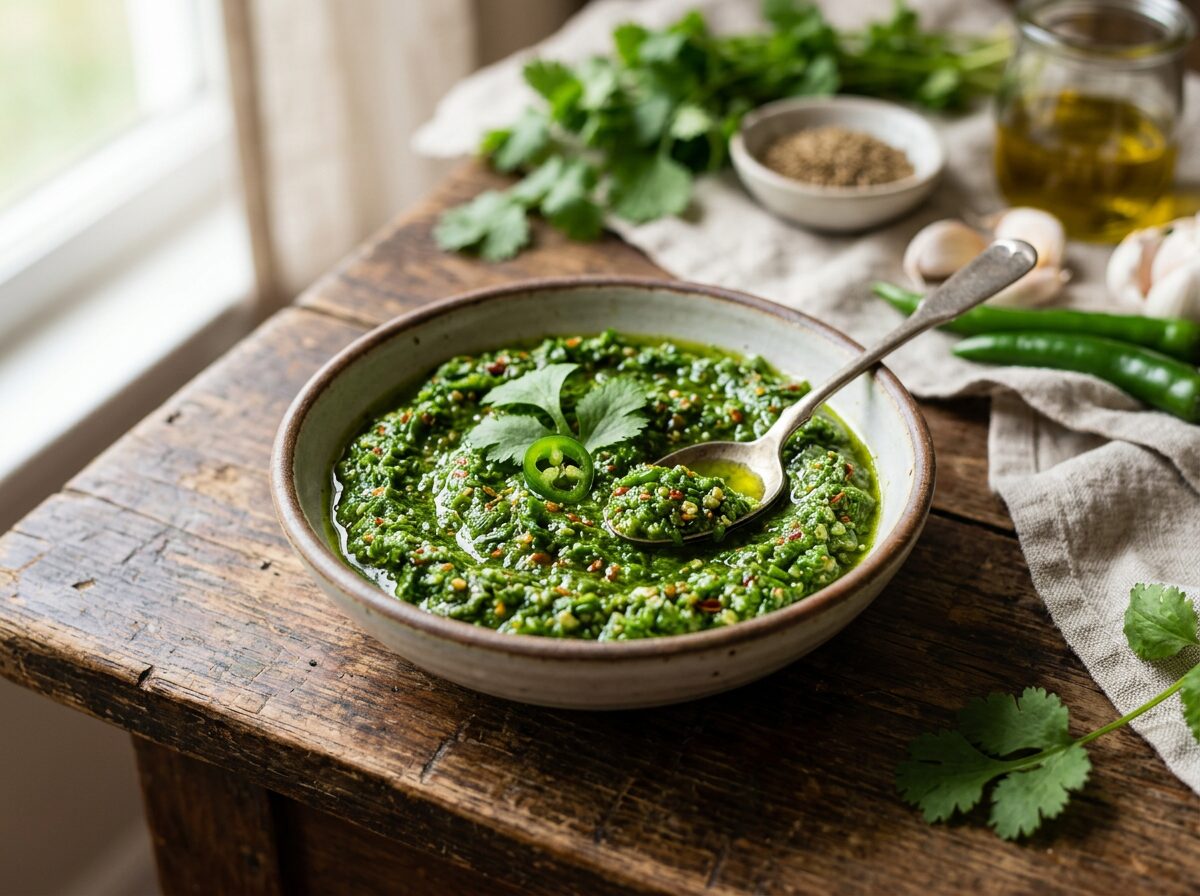
Zhoug (also spelled zhug, skhug, or sahawiq) is Yemen’s signature spicy green sauce, now beloved across the Middle East. With a base of fresh herbs, green chilies, garlic, and warming spices, zhoug delivers a bold, complex kick that’s both fiery and herbaceous. Its vibrant flavor and color make it a natural pairing for grilled meats, roasted vegetables, eggs, sandwiches, and even as a punchy salad dressing. This article will guide you through the essentials of making authentic zhoug at home, with precise techniques, actionable tips, and expert troubleshooting to ensure your sauce is bright, balanced, and bursting with flavor.
Key Components of Zhoug Sauce
Understanding each ingredient’s role is crucial for making exceptional zhoug. Let’s break down the primary components and how they affect the sauce’s flavor, aroma, and texture:
- Fresh Herbs: Cilantro is essential, providing zhoug’s signature green color and herbal punch. Some traditional versions add parsley for a more rounded flavor.
- Green Chilies: The heat and brightness come from fresh green chilies. Jalapeños are commonly used outside Yemen, but serrano or bird’s eye chilies can be substituted for more heat.
- Garlic: Raw garlic gives zhoug its pungent, zesty backbone. Always use fresh cloves for maximum impact.
- Spices: Ground cumin and coriander add warmth and depth. Cardamom and black pepper are optional, but recommended for authentic flavor.
- Acid: Lemon juice or white vinegar balances the heat and brings brightness.
- Oil: Olive oil is traditional, lending body and mellowing the raw ingredients.
- Salt: Essential for seasoning and extracting moisture from the herbs and chilies.
Essential Equipment for Zhoug
While a mortar and pestle yields the most authentic texture, most home cooks use a food processor for ease and consistency. Here’s what you’ll need:
- Food processor or blender: For quick, even chopping.
- Chef’s knife and cutting board: For rough chopping and prepping ingredients.
- Measuring spoons and cups: Precision matters for balance.
- Spatula: For scraping down the bowl to ensure even blending.
Classic Zhoug Sauce Recipe (Yemeni Style)
Ingredients (Makes ~1 cup)
- 2 cups (50g) packed fresh cilantro leaves and tender stems
- 1 cup (25g) packed fresh parsley leaves (optional, for milder flavor)
- 4–6 green chilies (jalapeño for mild-medium, serrano for hot), seeds removed for less heat, roughly chopped
- 4–6 garlic cloves, peeled
- 1 teaspoon ground cumin
- 1 teaspoon ground coriander
- ½ teaspoon ground cardamom (optional, traditional)
- ½ teaspoon black pepper
- ¾ teaspoon kosher salt, plus more to taste
- 3 tablespoons freshly squeezed lemon juice (or white vinegar)
- ⅓ cup (80ml) extra virgin olive oil
Preparation Steps
- Prep the herbs: Rinse cilantro and parsley thoroughly to remove grit. Spin dry or pat dry with paper towels. Remove any tough stems, but keep tender stems for flavor and body.
- Process the aromatics: In a food processor, combine garlic, chilies, cumin, coriander, cardamom, black pepper, and salt. Pulse 6–8 times until finely chopped but not pureed.
- Add herbs and acid: Add cilantro, optional parsley, and lemon juice. Pulse in 10-second bursts, scraping the bowl as needed, until finely chopped but not fully smooth. Aim for a slightly coarse, spoonable texture—avoid over-processing, or the sauce will become muddy and lose brightness.
- Stream in oil: With the machine running, slowly drizzle in olive oil (room temperature, ~70°F) until the mixture emulsifies. Total processing time should not exceed 45 seconds to preserve color and freshness.
- Taste and adjust: Taste for salt, acidity, and heat. Add more salt or lemon juice as needed. If the sauce is too thick, add an extra tablespoon of oil or a splash of cold water to loosen (no more than 2 tablespoons, to avoid diluting flavor).
- Transfer and store: Spoon the zhoug into a clean glass jar. Rest at room temperature for 20 minutes before serving to allow flavors to meld. For storage, refrigerate at 36–40°F for up to 5 days. See Why Your Sauce Jar Grows Mold: Common Storage Mistakes and Fixes for safe storage tips.
Chef’s Tips for the Best Zhoug
- Control the heat: Start with fewer chilies if you’re heat-sensitive. You can always add more, but you can’t take it out. For a milder sauce, remove all seeds and membranes from the chilies.
- Keep it green: Over-blending or letting the sauce sit out at room temperature for too long will dull the vibrant color. Work quickly and keep ingredients cool.
- Grind spices fresh: For maximum flavor, toast whole cumin, coriander, and cardamom for 2–3 minutes in a dry pan over medium heat (300°F), then grind before using.
- Balance is key: Zhoug should be spicy but not overwhelming, with enough acid and salt to keep the flavors sharp. If the sauce tastes flat, add a pinch more salt or a squeeze of lemon.
- Texture matters: The goal is a spoonable, slightly coarse paste—never a smooth puree. Hand-chopping the herbs or using a mortar and pestle yields the most complex texture, but a food processor on pulse mode works well.
Variations & Regional Styles
While Yemeni zhoug is the original, there are variations across the Middle East:
- Red Zhoug: Substitute half the green chilies with red chilies or add a spoonful of tomato paste for a redder, sweeter version.
- With Nuts: Some modern recipes add a handful of toasted walnuts or almonds for richness and body, similar to other Mediterranean dips.
- Extra Spices: Add a pinch of ground cloves or cinnamon for subtle warmth, but use sparingly to avoid overpowering the herbs.
- Parsley-Heavy Zhoug: For a less cilantro-forward flavor, use a 1:1 ratio of cilantro and parsley, or try adding mint.
Serving Suggestions for Zhoug
- With Grilled Meats: Spoon zhoug over lamb, chicken, or beef skewers. Try it with Homemade Chimichurri Sauce for Grilled Meats for a flavor comparison.
- Eggs and Breakfast: Swirl zhoug into scrambled eggs, shakshuka, or avocado toast.
- Sandwiches and Wraps: Spread zhoug on pita, burgers, or falafel wraps.
- Roasted Vegetables: Drizzle over roasted carrots, potatoes, or cauliflower. See How to Pair Sauces With Roasted Potatoes: Flavor Combos That Work for inspiration.
- Dips and Appetizers: Mix zhoug with yogurt for a cooling dip, or serve alongside hummus and Authentic Lebanese Tarator Sauce for a mezze platter.
- Salad Dressing: Whisk with extra oil and lemon for a bright, spicy vinaigrette—much like a creamy cilantro dressing.
How to Store and Preserve Zhoug
Zhoug’s flavor and color are best within the first 48 hours, but proper storage can extend its shelf life:
- Refrigeration: Store zhoug in a sterilized glass jar, covered with a thin layer of olive oil to prevent oxidation. Refrigerate at 36–40°F and use within 5 days. Always use a clean spoon to avoid contamination.
- Freezing: Zhoug freezes well. Portion into ice cube trays, freeze solid, then transfer to an airtight container. Thaw cubes as needed. See How to Freeze Sauces the Right Way: Storage Tips for Maximum Freshness for detailed guidance.
- Preventing Mold: Always check for off smells, discoloration, or mold before use. For more, read How to Prevent Mold in Homemade Sauces: Safe Storage Tips That Work.
Common Mistakes and How to Fix Them
- Too Spicy: If your zhoug is too fiery, blend in more herbs or a small spoonful of Greek yogurt to mellow the heat.
- Dull Color: Work quickly and avoid over-processing. If the sauce oxidizes, try blending in a handful of fresh herbs and a squeeze of lemon juice to refresh it.
- Bitter Taste: Over-blending or old, woody herbs can cause bitterness. Always use fresh, tender herbs and pulse in short bursts.
- Watery Texture: Too much liquid? Strain through a fine mesh sieve or blend in extra herbs to thicken.
How Zhoug Compares to Other Green Sauces
Zhoug is part of a family of bright, herb-forward sauces. If you love zhoug, you might also enjoy these:
- Authentic Moroccan Chermoula Sauce Recipe—a North African sauce with cumin, cilantro, and preserved lemon.
- Authentic Argentine Chimichurri Sauce Recipe—parsley-based with garlic and vinegar.
- Authentic Indian Mint Chutney (Hari Chutney) Recipe—mint and cilantro with green chilies and lime.
- Authentic Italian Salsa Verde Sauce Recipe—parsley, capers, and anchovies for a savory umami punch.
Each has its own ratio of herbs, spices, and acid. For ideas on how to pair these sauces with proteins, see How to Pair Sauces With Roasted Meats: Matching Flavors for Any Cut.
Advanced Zhoug: Customization & Pairing Tips
Making Zhoug Creamy
For a richer, milder version, blend in ¼ cup of Greek yogurt or tahini. This creates a creamy sauce ideal for dipping or spreading, similar to a Creamy Jalapeño Cilantro Dip (Chuy’s Copycat).
Pairing Zhoug With Dishes
- With BBQ: Zhoug’s acidity and heat cut through fatty meats. Try alongside Homemade Sweet Chipotle BBQ Sauce for a spicy-sweet contrast.
- With Grains: Stir zhoug into cooked quinoa, rice, or couscous for a punchy, aromatic side.
- With Dairy: Mix into labneh, yogurt, or sour cream for a cooling dip. See Sour Cream vs. Greek Yogurt Sauces: Which Is Better for Dips and Dressings? for more on dairy-based sauces.
- With Roasted Fish: The herbal and spicy notes complement mild white fish; drizzle over fillets just before serving.
Troubleshooting & Pro Tips
- Herb Selection: Always opt for the freshest herbs. Avoid limp or yellowed leaves, which will muddy the flavor and color.
- Oil Temperature: Use olive oil at room temperature (68–72°F). Cold oil can cause the sauce to seize; hot oil will wilt the herbs and dull the color.
- Acidity Level: The acid should be present but not overpowering. If your lemons are very sour, start with 2 tablespoons and add more after tasting.
- Emulsification: Adding oil slowly while pulsing helps the sauce emulsify, creating a cohesive texture that coats foods evenly.
- Storage Safety: Label jars with the preparation date. Never store at room temperature for more than 2 hours. For more storage safety, read How to Tell If Your Sauce Has Gone Bad: Spoilage Signs and Safety Tips.
Conclusion: Zhoug’s Place in Home Sauce-Making
Mastering zhoug empowers you to add instant flavor and color to a wide range of dishes. Its versatility rivals that of creamy dressings or herb-forward Moroccan chermoula. Whether you prefer it fiery or mild, chunky or creamy, zhoug is a must-have in any sauce lover’s repertoire. Experiment with the base recipe, adjust to your palate, and discover new favorite pairings. For more inspiration on building your homemade sauce arsenal, check out How to Make 3-Ingredient Sauces for Instant Flavor Boosts. With attention to detail and a few chef’s tricks, you’ll have a fresh, vibrant condiment worthy of any table.
TAGS
Try These Recipes
Related Articles
How to Make Copycat Chick-fil-A Sauce at Home (Step-by-Step Recipe)
Recreate the iconic Chick-fil-A Sauce at home! This easy copycat recipe delivers that sweet, smoky, tangy flavor with common pantry ingredients.
How to Make Romesco Sauce: Spain's Bold, Nutty Condiment Explained
Learn to make authentic Spanish romesco sauce at home. Step-by-step recipe, tips, and pairing ideas for this smoky, nutty, and versatile condiment.
How to Make Gochujang Sauce: Korea’s Fermented, Flavor-Packed Condiment
Learn to make authentic gochujang sauce at home with this easy Korean recipe, plus tips for using it in marinades, dressings, and dipping sauces.
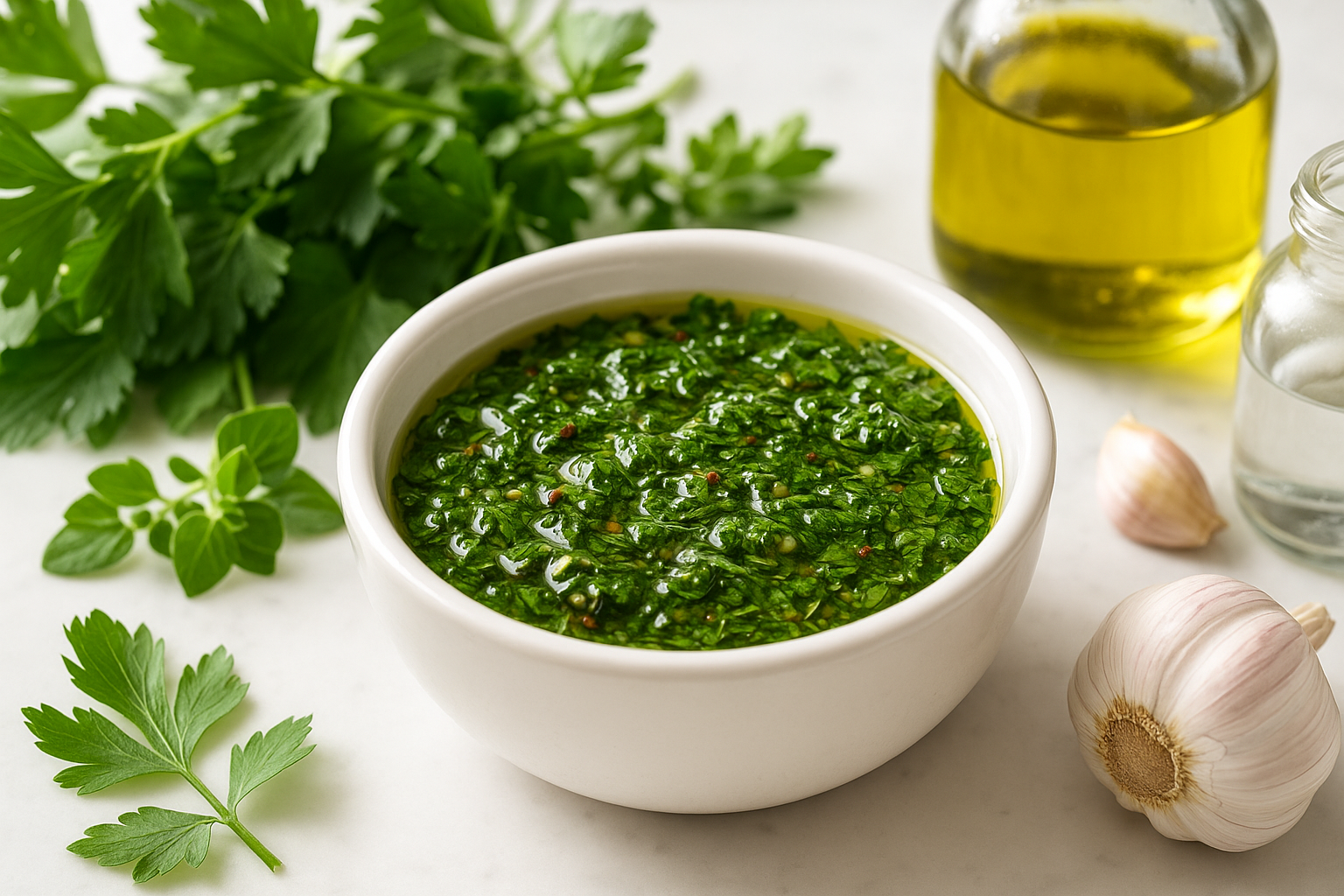
How to Make Chimichurri Sauce: Argentina’s Classic Herb Condiment
Learn how to make authentic chimichurri sauce with fresh herbs, garlic, and vinegar - plus pairing tips for steak, chicken, and vegetables.