How to Make Japanese Tonkatsu Sauce: Sweet, Savory, and Umami-Rich
Learn to make authentic Japanese tonkatsu sauce at home - perfect for fried cutlets, sandwiches, and more. Easy steps with simple pantry ingredients.
Written by FoodieManiac
With over 8 years of sauce-making experience, I've tested hundreds of techniques and products to bring you practical, reliable advice. Learn more about me →
What Is Japanese Tonkatsu Sauce?
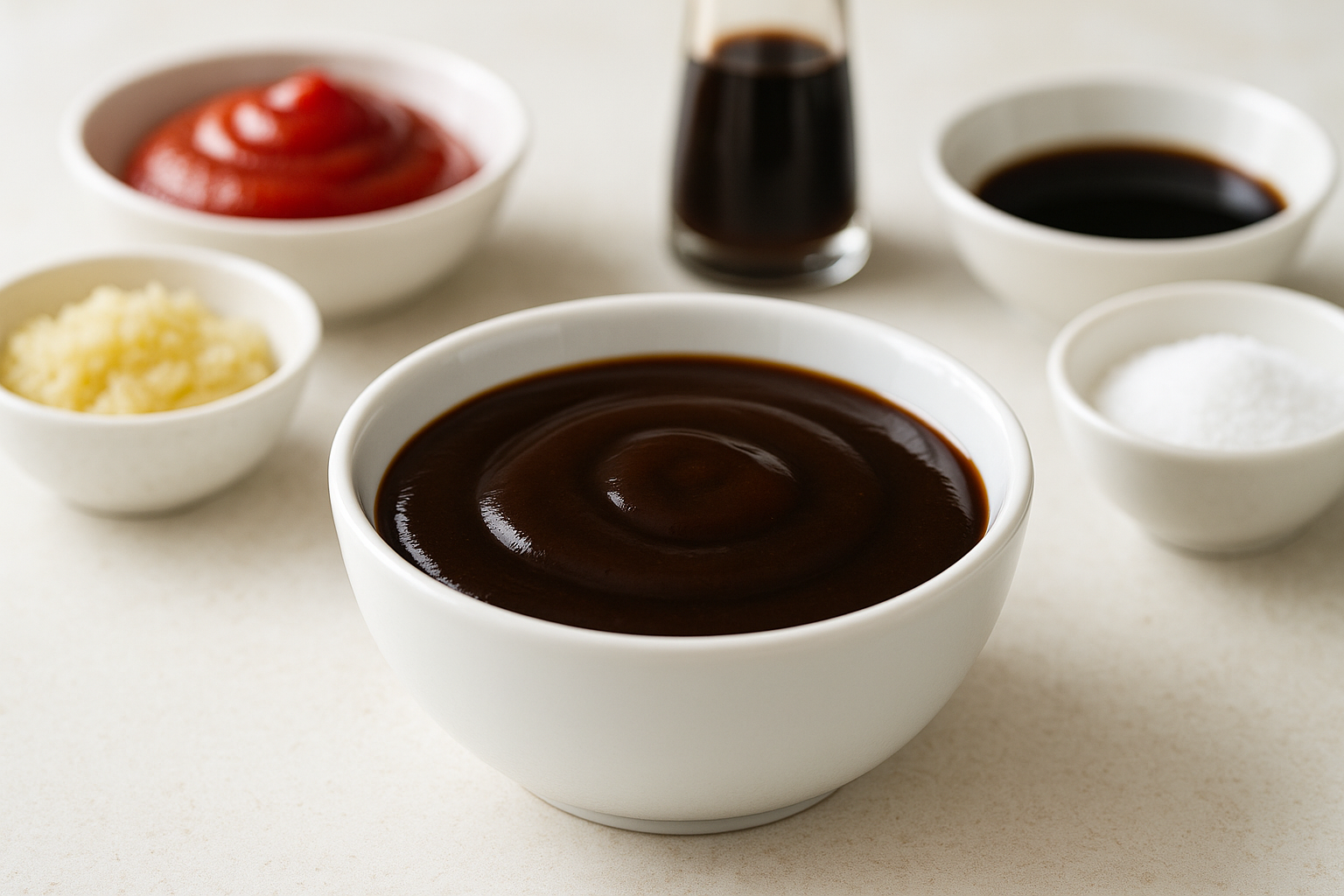
Japanese tonkatsu sauce is a thick, sweet, tangy, and umami-packed condiment traditionally served with tonkatsu: panko-breaded, deep-fried pork cutlets. Its flavor profile bridges the gap between classic barbecue sauce and fruity Worcestershire, delivering a complex depth that elevates fried meats and vegetables. The sauce's unique taste comes from a carefully balanced blend of fruits, vegetables, sugar, vinegar, and savory seasonings. In Japanese cuisine, tonkatsu sauce is as essential as ketchup is to fries, but it offers a much richer flavor experience.
Essential Ingredients for Authentic Tonkatsu Sauce
While commercial tonkatsu sauces (like Bulldog) contain more than a dozen ingredients, you can easily replicate the core flavor at home using pantry staples. Each component serves a specific function - don’t skip or replace them unless you’re familiar with their impact on flavor and texture.
- Ketchup (1/2 cup): Provides sweetness, acidity, and a tomato base.
- Worcestershire Sauce (1/4 cup): Delivers umami depth and a fermented tang.
- Soy Sauce (2 tablespoons): Adds salt and savory backbone.
- Sugar (2 tablespoons, brown preferred): Enhances sweetness and body.
- Mirin (1 tablespoon): Brings subtle sweetness and gloss (substitute with honey or extra sugar if needed).
- Rice Vinegar (2 teaspoons): Lifts the flavors with gentle acidity.
- Dijon Mustard (1 teaspoon): Adds mild heat and complexity.
- Garlic Powder (1/2 teaspoon): Boosts savory notes.
- Ground Ginger (1/4 teaspoon): Provides subtle warmth and aroma.
Optional: A tablespoon of finely grated apple or prune makes the sauce more authentic, echoing the fruitiness in many Japanese brands.
Step-by-Step: How to Make Japanese Tonkatsu Sauce
1. Measure Precisely
Use digital kitchen scales or proper measuring spoons and cups. Tonkatsu sauce demands balance - too much vinegar, soy, or sugar will throw off the intended harmony. For best results, stick to the quantities above for a batch yielding about 3/4 cup of sauce (enough for 4-6 servings).
2. Combine and Whisk
Add all the ingredients to a small saucepan (preferably stainless steel or non-reactive to prevent metallic flavors). Whisk vigorously to combine before applying any heat. This ensures the sugar dissolves properly and prevents clumping.
3. Simmer Gently
Set the saucepan over medium-low heat. Bring the mixture just to a gentle simmer (about 85-90°C / 185-195°F). Do not boil - high heat will scorch the sugars and dull the fresh flavors.
- Simmer time: 3-5 minutes, stirring frequently with a silicone spatula or whisk, until the sauce thickens slightly. The sauce should coat the back of a spoon, but will thicken more as it cools.
- Tip: If using grated apple or prune, simmer for a full 5 minutes to soften the fruit and meld flavors.
4. Cool and Store
Remove from heat. Let the sauce cool to room temperature (about 20-30 minutes). Transfer to a clean jar or squeeze bottle. For optimal flavor, refrigerate for 24 hours before serving - this resting period allows the flavors to meld and deepen.
- Storage: Sealed and refrigerated, tonkatsu sauce keeps for up to 2 weeks. For longer storage, see our guide: How to Vacuum Seal Sauces for Maximum Freshness and Long-Term Storage.
Science and Techniques: Achieving the Perfect Texture and Flavor
Balancing Sweet, Savory, and Umami
The key to great tonkatsu sauce is balance. Ketchup brings sweetness and acidity; Worcestershire and soy sauce add umami; sugar and mirin enhance body and gloss; vinegar provides brightness. Taste your sauce after cooling - if it’s too tart, add a teaspoon of brown sugar. If it’s too sweet, stir in a few drops of additional soy sauce or Worcestershire.
Thickening the Sauce
Commercial sauces often use apple or prune puree and starch thickeners. For homemade, gentle simmering reduces water and naturally thickens the sauce. Avoid cornstarch unless you need an ultra-thick dipping sauce; it can dull the flavor and create a pasty texture.
Filtering for Smoothness
If you added fresh fruit (apple or prune), strain your sauce through a fine mesh sieve before bottling for a glossy, professional finish. See our guide: How to Strain Sauces Like a Pro: Techniques for Silky, Smooth Results.
Serving Suggestions and Pairings
Tonkatsu sauce is best known as the classic topping for pork tonkatsu, but it also pairs beautifully with:
- Chicken katsu or tofu katsu
- Fried shrimp (ebi fry)
- Japanese croquettes (korokke)
- Omelets and sandwiches
- Vegetable fritters and fries
Explore more sauce pairings for pork in Best Sauces for Pork: 12 Easy Pairings for Chops, Tenderloin, and More.
Creative Dipping and Drizzling
- Use as a glaze for grilled meats - brush on during the last 2-3 minutes of cooking.
- Mix with Japanese mayonnaise for a creamy katsu sandwich spread.
- Drizzle over rice bowls or roasted vegetables for instant umami.
Customizing Your Tonkatsu Sauce
Fruit Variations
For extra authenticity, blend in 1 tablespoon of finely grated Asian pear, Fuji apple, or prune before simmering. These fruits amplify sweetness and body, echoing the flavor profile of Japanese Bulldog sauce.
Spice It Up
If you enjoy a gentle kick, add 1/4 teaspoon of freshly ground black pepper or a pinch of cayenne during simmering. This is especially good if you plan to serve the sauce with fried chicken or beef.
Vegan and Gluten-Free Tips
Check labels for Worcestershire sauce - many brands contain anchovies. For a vegan version, use vegan Worcestershire or a mix of soy sauce, tamarind paste, and a dash of hot sauce. For gluten-free, ensure your soy and Worcestershire sauces are certified gluten-free.
Storing and Preserving Homemade Tonkatsu Sauce
Short-Term Storage
Store in a sterilized glass jar or squeeze bottle. Always refrigerate and use a clean spoon for serving. The sauce will keep for up to 2 weeks.
Long-Term Storage
For longer preservation, vacuum seal the sauce in a pouch or jar, or pasteurize it by heating to 85°C (185°F) and bottling hot in sterilized jars. For details, see How to Pasteurize Homemade Sauces for Longer Shelf Life at Home and How to Can Sauces Safely at Home: Step-by-Step Guide for Beginners.
Expert Tips for Flawless Tonkatsu Sauce Every Time
- Simmer, Don’t Boil: High heat creates off-flavors and ruins the sauce’s fresh notes. Keep it just below a simmer (85-90°C / 185-195°F).
- Rest for Depth: Let the sauce sit overnight in the fridge before serving; the flavors meld and become more complex.
- Adjust Consistency: If the sauce thickens too much after cooling, whisk in a teaspoon of water at a time until you reach your desired pourability.
- Batch and Freeze: Tonkatsu sauce freezes well. Pour into silicone ice cube trays, freeze, and store cubes in a zip-top bag for up to 3 months.
Recipe Variations and Global Inspiration
If you enjoy homemade sauces, try exploring other sweet-savory condiments for dipping and drizzling. Some favorites from our recipe archive include:
- Copycat McDonald's Sweet and Sour Sauce Recipe
- Homemade Spicy Maple BBQ Sauce
- Authentic Japanese Teriyaki Sauce Recipe
- Copycat Chick-fil-A Polynesian Sauce Recipe
For a deep dive into differences and best uses of classic condiments, see Ponzu vs. Soy Sauce: Key Differences and How to Use Each in Cooking and Salsa vs. Pico de Gallo: Differences, Best Uses, and How to Make Each.
Troubleshooting: Common Tonkatsu Sauce Issues
- Too Thin: Simmer for 2-3 more minutes or chill; the sauce thickens as it cools.
- Too Thick: Whisk in water or rice vinegar, 1 teaspoon at a time, until desired consistency returns.
- Overly Salty: Add a teaspoon of honey, brown sugar, or grated apple to mellow excess salt. More tips: How to Fix Over-Salted Sauces: Chef-Approved Rescue Techniques.
- Lacks Depth: Stir in a dash more Worcestershire or soy sauce, or a few drops of lemon juice for brightness.
Conclusion: Mastering Tonkatsu Sauce at Home
Japanese tonkatsu sauce is more than just a condiment - it's a study in balance, depth, and umami. With this method, precise measurements, and actionable tips, you can create a sauce that rivals your favorite Japanese restaurant. Experiment with fruit, adjust sweetness, and always taste as you go. For more inspiration, try pairing homemade tonkatsu sauce with grilled foods, or explore other umami-rich sauces like Authentic Japanese Teriyaki Sauce or our Homemade Kansas City-Style BBQ Sauce.
Want more saucy secrets? Check our guide: our quick sauce guides and discover new favorites for every dish.
TAGS
Related Articles
How to Make Toum: Lebanon’s Creamy Garlic Sauce and Serving Ideas
Master Lebanese toum sauce at home with this step-by-step recipe. Learn tips for perfect texture and delicious ways to use this garlicky condiment.
How to Make Harissa Sauce: North Africa’s Fiery, Versatile Condiment
Learn how to make authentic harissa sauce at home, tips for balancing heat, and ways to use this spicy North African staple in everyday cooking.
Worcestershire Sauce vs. Soy Sauce: Flavor, Uses, and Substitutes Compared
Compare Worcestershire sauce and soy sauce—flavor, cooking uses, substitutes, and when to use each for the best results in your recipes.
Global Sauce Traditions: A Tour of the World's Most Essential Condiments
From Argentine chimichurri to Japanese teriyaki, explore how different cultures use sauces to define their cuisine. A guide to the world's most important condiments and how to make them at home.