Why Your Homemade Satay Sauce Turns Gritty - Causes and Simple Fixes
Learn why homemade satay sauce can turn gritty and how to fix it. Get practical tips for achieving smooth, authentic peanut sauce every time.
Written by FoodieManiac
With over 8 years of sauce-making experience, I've tested hundreds of techniques and products to bring you practical, reliable advice. Learn more about me →
Why Satay Sauce Gets Gritty: The Real Reasons (And Why It’s So Annoying)
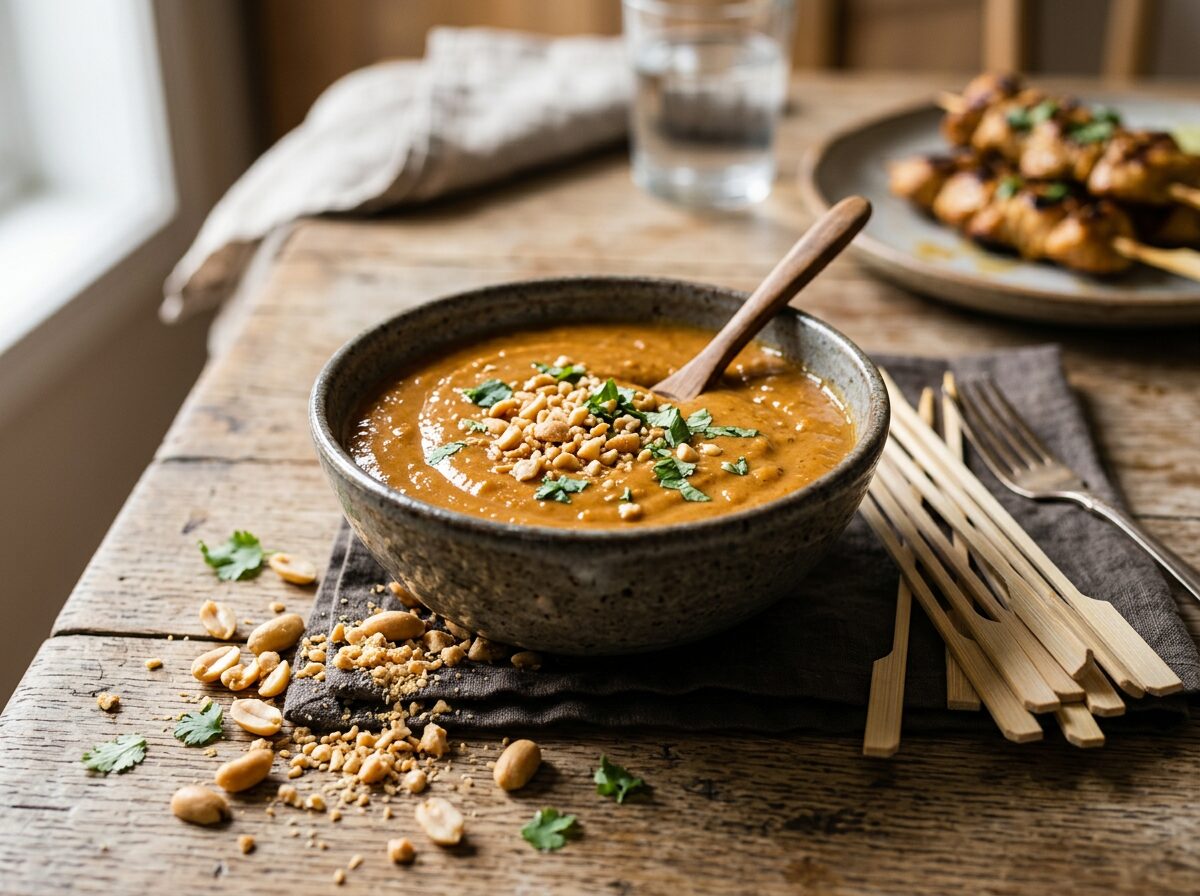
If you’ve ever tried to whip up homemade satay sauce and ended up with something that looks more like chunky peanut porridge than a smooth, luscious dip, you’re not alone. I’ve been there. Multiple times. My first attempt was for a weeknight chicken satay - I followed the recipe, put everything in the pan, and proudly served it. My partner took one bite and said, “Is it supposed to be...chalky?” Ouch.
Satay sauce (or peanut sauce) is one of those things that sounds simple but has a sneaky ability to go wrong, fast. Grittiness is the number one complaint I get from friends and readers. So let’s get real about what causes it, and how you can finally get that dreamy, creamy texture at home - no fancy gadgets required.
What Makes Satay Sauce Gritty?
Let’s start with the basics. Satay sauce always has some kind of ground nut or seed (usually peanut), plus liquid (water, coconut milk, or both), and flavorings (soy, garlic, chili, lime, etc). Grittiness usually means one of three things:
- The peanut solids aren’t thoroughly broken down or hydrated
- The sauce overheated and “split” (the oils separated from the solids)
- There’s sugar or seasoning that hasn’t dissolved
Sounds simple, but it’s a little more nuanced in practice. Here’s where I’ve personally messed it up (and seen friends do the same):
1. Using the Wrong Peanut Butter
I know, I know - “natural” peanut butter sounds healthier. But here’s the deal: most store-bought satay sauces use processed peanut butter (like Jif or Skippy) because it’s super smooth, emulsified, and behaves predictably in heat. Natural peanut butter (just peanuts and salt) is often drier and separates faster, especially if you don’t stir it really well before scooping. That leads to gritty pockets and quick splitting.
I’ve tried making satay sauce with fancy, fresh-ground peanut butter from the health food store. It tasted great, but it looked like wet cement and had the texture of damp sand. If you want to use the natural stuff, just be aware you’ll have to work harder to get it smooth - more on that later.
2. Not Enough Liquid or the Wrong Kind
Satay sauce needs liquid to hydrate all those ground peanut bits. Coconut milk is classic, but I’ve also used water, chicken stock, or even a splash of oat milk in a pinch. If you skimp on the liquid, or if you use a super thick coconut cream by accident, the sauce will never get silky. It will be thick, pasty, and yes - gritty.
Also, a weird quirk: some canned coconut milks have stabilizers that make them gel in cold weather, which means they don’t blend as easily. If your coconut milk looks like cottage cheese, warm it first and whisk until smooth before adding it to the pan.
3. Cooking Too Hot, Too Fast
This is the number one gritty-sauce culprit for me. Peanut butter is basically an emulsion of solids and oil. If you blast it over high heat, the oil separates out and the solids clump up. Once it splits, no amount of stirring will re-emulsify it. (Same problem as a broken mayonnaise, or a lumpy cheese sauce.)
I have burned satay sauce more times than I’ll admit - and it’s always because I got impatient and cranked the heat. Low and slow is the way. You want gentle bubbles, not a rolling boil.
4. Adding Sugar or Seasonings at the Wrong Time
Some recipes tell you to toss everything in the pan at once. I used to do this. But if you add brown sugar, palm sugar, or even chili flakes too early, they won’t dissolve properly. That means you get little crunchy bits, and the sauce never feels totally smooth. Now I dissolve sugars in the liquid first, before adding peanut butter. Total game-changer.
5. Cheap or Coarse Peanut Butter (Or DIY Ground Peanuts)
If you’re using homemade ground peanuts, you’ll almost always get a grittier result unless you’re using a high-powered blender. Food processors don’t cut it. And don’t even try to make satay sauce with those “old school” grind-your-own peanut butters from the grocery store unless you’re going for texture over creaminess.
If you want to make your own, blend roasted, unsalted peanuts with a splash of oil until it’s really smooth. Otherwise, honestly, just use store-bought smooth peanut butter. It’s what most Indonesian cooks use for fast weeknight satay at home.
How to Fix Gritty Satay Sauce (And How to Prevent It Next Time)
If you’re standing over the stove right now, staring at a pan of gritty peanut sauce, don’t panic. Here’s what I do:
1. Add More Liquid - Slowly
Add a tablespoon of hot water, coconut milk, or stock at a time. Whisk like your life depends on it. Sometimes it takes a few rounds of this, but it usually helps hydrate the solids and loosen everything up.
2. Blend It
If whisking isn’t cutting it, transfer the sauce to a blender or use an immersion blender right in the pan. (Careful - it’s hot.) This can rescue most gritty sauces, though it won’t help if it’s already separated and oily. If that’s the case, check out my guide to rescuing sauces for last-ditch fixes.
3. Strain It (For the Perfectionists)
If you just can’t stand any texture at all, pass the sauce through a fine-mesh sieve. You’ll lose a bit of volume, but what’s left will be silky smooth. I only do this when I’m making satay for picky guests or if I’m entering a sauce contest (yes, I actually did this once).
4. Prevention is Easier Than Fixing
Going slow and using the right ingredients saves so much hassle. More on this in the Tested Tips below.
Tested Tips
- Start with smooth, emulsified peanut butter: If you want creamy satay every time, go with a classic like Jif or Skippy. Natural peanut butter can work, but you’ll need to blend or whisk extra long, and add a splash more liquid. If you’re using homemade, blend it until it’s glossy and pourable, not just crumbly.
- Gentle heat is key: Never let the sauce boil hard. If it starts bubbling aggressively, pull it off the heat and stir. Satay sauce should be gently warmed, not cooked on high. I ruined at least five batches before getting this through my head.
- Pre-dissolve your sugar: Mix your sugar (brown, palm, whatever you’re using) into the coconut milk or water before adding peanut butter. This helps everything dissolve and prevents those gritty, sandy bits. I used to just dump it all in - don’t do that.
- Fixing a split sauce: If your sauce gets oily and separated, whisk in a tablespoon of hot water at a time, off the heat. Sometimes it pulls it back together. If not, give it a quick blitz with an immersion blender.
- Don’t skip the simmer: Letting the sauce gently simmer for 3-5 minutes (stirring constantly) helps the flavors meld and the texture smooth out. If you rush this step, you get pasty sauce. If it gets too thick, just add more liquid. I’ve made this mistake a dozen times.
- When in doubt, add acid last: Lime juice or vinegar can make the sauce seize up if you add it too early. Stir it in at the very end, off the heat, for a glossy finish.
Is It Ever Okay for Satay Sauce to Be a Little Gritty?
Honestly? Yes. Some traditional satay sauces in Indonesia and Malaysia are a bit chunky, especially if they’re made with fresh-ground peanuts. If you’re serving it with grilled chicken or beef skewers, a little texture is fine, even good. But if you want that restaurant-style, dip-your-spring-rolls creaminess, smooth is the way to go.
Just like with a chunky chimichurri or an Ezme sauce, it’s about what you like. If you want to see how different textures work in dips, try my Creamy Sun-Dried Tomato Basil Dip or the super smooth Thermomix Creamy Sriracha Ranch Dressing.
Common Shortcuts (That Actually Work)
- Store-bought smooth peanut butter is 100% fine - I use it all the time.
- Boxed or canned chicken stock for thinning the sauce? Go for it. I can’t taste the difference in satay sauce after all the seasonings are added.
- Microwaving the peanut butter and coconut milk together before adding to the pan helps them blend faster. Just don’t overheat.
- If you’re out of coconut milk, a mix of water and a big spoon of sour cream, yogurt, or even oat milk works. It’s not traditional, but it’s tasty.
When to Splurge and When to Save
I’ve tried every version. The expensive organic peanut butters rarely make a difference in taste after you add soy, garlic, and chili. Save your money for good soy sauce or real palm sugar (which does taste more complex than white or brown sugar, if you can find it). Thai or Indonesian brands of coconut milk are usually richer than generic grocery store ones, but honestly, I make this with Goya or Aroy-D and it’s always good.
Final Thoughts: Satay Sauce Will Always Keep You Humble
Every home cook has a “nemesis” sauce. For me, it used to be satay. I ruined at least a dozen batches before figuring out that low heat, enough liquid, and late-stage acid are what make it work. Now I can make it nearly blindfolded, but I still mess up if I rush. (For more “what can go wrong” sauce stories, check out my sauce rescue guide or if you’re battling separated vinaigrettes, here’s why vinaigrettes separate and how to fix them.)
If you’re ready to branch out, try some other creamy sauces that are a little more forgiving - like my Creamy Buffalo Blue Cheese Dip or the ultra-smooth Thermomix Creamy Roasted Garlic Caesar Dressing.
And if you ever worry your sauce has gone off, read How to Tell If Your Sauce Has Gone Bad - because nothing ruins dinner like questionable peanut sauce!
Happy stirring - and may your next batch be silky, nutty, and absolutely dip-worthy.
TAGS
Related Articles
Freezing Sauces 101: Best Methods to Preserve Flavor, Texture, and Quality
Learn how to freeze sauces the right way. Discover tips on storage, thawing, and which sauces freeze best to keep flavors fresh and textures perfect.
How to Make 3-Ingredient Sauces: Fast, Flavorful Recipes for Any Meal
Discover easy 3-ingredient sauces you can whip up in minutes to elevate any dish—perfect for quick weeknight meals and busy home cooks.
How to Make 3-Ingredient Sauces in Under 5 Minutes (With Recipes)
Discover easy 3-ingredient sauces you can whip up in 5 minutes or less. Perfect for busy cooks—includes quick recipes and pairing tips.
Freezing Sauces 101: Best Methods for Preserving Flavor and Texture
Learn how to freeze sauces the right way—tips for creamy, tomato, and herb sauces plus thawing tricks to maintain taste and texture.