Why Your Homemade Salsa Verde Turns Brown - Causes and Easy Fixes
Is your salsa verde losing its vibrant green color? Learn why it turns brown, how to prevent it, and tips to keep your Mexican sauce bright and fresh.

Written by FoodieManiac
With over 8 years of sauce-making experience, I've tested hundreds of techniques and products to bring you practical, reliable advice. Learn more about me →
Why Does Homemade Salsa Verde Turn Brown?
If you’ve ever made salsa verde at home, you know how glorious that fresh green color looks... for about 20 minutes. Then, out of nowhere, it turns a sad, muddy brown. The first time I made it, I thought I’d done something horribly wrong. Spoiler: you probably didn’t mess up as badly as you think. This is super common, even for people like me who make sauces all the time. I’ll walk you through exactly why it happens and how to keep your salsa verde looking (and tasting) bright and fresh.
What Actually Is Salsa Verde?
Quick refresher: salsa verde is a classic Mexican green sauce made with tomatillos, chiles (usually jalapeños or serranos), onion, garlic, cilantro, and a hit of lime. It’s tangy, just a little spicy, and goes on pretty much everything. If you want a rock-solid recipe, check out my Authentic Mexican Salsa Verde (Tomatillo Green Sauce)—that’s the one I make on repeat in my kitchen.
Why Does My Salsa Verde Turn Brown?
The short answer: oxidation. The longer answer involves a couple of science-y things, but I promise it’s easy to understand, and knowing this will actually help you make better salsa. Here’s why it happens:
- Tomatillos and cilantro oxidize fast. Once you blend or chop them, the insides are exposed to air and start to brown, just like an apple or avocado.
- Heat speeds things up. If you roast the tomatillos or blend while they’re hot, it’ll brown even quicker.
- Acid slows browning (but only if you add enough). If you skip the lime juice or don’t use enough, the salsa has less protection against oxidation.
- Storage makes it worse. Homemade salsa verde, especially if left uncovered, will brown faster in the fridge than you’d expect. I learned this the hard way after leaving a batch in a bowl overnight. It looked like swamp water by morning.
Does Browning Mean It’s Gone Bad?
Nope! Brown salsa verde usually isn’t spoiled. It just looks less appetizing. It might taste a little less fresh or a bit more muted, but it’s safe to eat as long as it doesn’t smell funky or show signs of mold. Honestly, I’ve used salsa verde that turned brown after a day or two and nobody noticed (but I noticed, and it bugged me).
The Main Culprits: Ingredients and Technique
Let’s break down what’s actually causing your salsa to turn brown, and what you can tweak.
1. Tomatillos
Fresh tomatillos are the backbone of salsa verde’s color. If your tomatillos are overripe (really soft), starting to yellow, or you use canned tomatillos, you’ll get a duller, browner salsa. I’ve made the mistake of grabbing those soft tomatillos at the back of the pile—don’t do it. Look for firm, bright-green ones with tight husks.
2. Cilantro
Cilantro is fragile. If you over-blend it, or use cilantro that’s wilting or yellowing, the green will fade fast. It helps to add cilantro at the very end and pulse just a couple times. The first time I dumped everything in the blender and let it rip for a minute, I ended up with army-green sludge.
3. Not Enough Acid
The acid in lime juice (or sometimes vinegar) helps keep the salsa green. If you skip the lime, or just squeeze in a wedge and call it a day, the salsa browns much faster. Start with at least 2 tablespoons of fresh lime juice for one pound of tomatillos—taste and add more if it needs extra tang.
4. Overheating
Blending hot tomatillos (straight from the oven or pan) can cook the cilantro and turn the whole thing brown. Let the tomatillos cool to just warm before blending. I’ve rushed this step more times than I’ll admit because I was hungry, and every time, I regretted it.
5. Air Exposure
More air equals more browning. If you store salsa verde in a bowl or loose container, it will brown on top. A tight-fitting lid or a layer of plastic wrap pressed directly against the salsa helps a ton.
Tested Tips
- Chill your tomatillos: If you’re blending raw or roasted tomatillos, let them cool all the way to room temp (or even chill them in the fridge for 15 minutes). Blending hot tomatillos always made my salsa turn dull. Cooler tomatillos keep the color brighter.
- Add the cilantro last: Pulse cilantro in at the end, not the beginning. The more you blend, the muddier the green gets. I used to just blend everything at once out of laziness—big mistake. A few pulses is all it needs.
- Up the lime juice: Two tablespoons per batch is my starting point, but I often end up adding closer to three. If your salsa tastes flat or looks dull, try a little more acid before anything else. But go slow—a sour salsa is hard to fix. (If you overshoot, here’s how to rescue an over-acidic sauce.)
- Press wrap right on the surface: After you make the salsa, press a piece of plastic wrap right onto the surface of the salsa before you put the lid on. This slows down browning on top. I learned this from a friend who works in a taqueria—game changer.
- Don’t stress about store-bought tomatillos: If you can’t find fresh, canned tomatillos actually work fine. They’re a little less bright, but with enough lime and cilantro, nobody will notice. Just drain them well and skip the roasting step.
- Use the salsa sooner than later: Salsa verde is at its greenest the day it’s made. If you need it for a party, make it the morning of. After 24 hours in the fridge, even with all the tricks, it’ll start to dull.
How to Make Salsa Verde That Stays Green
Let me walk you through the steps I use for a green, not brown, salsa verde. It’s not complicated, but a few tweaks make a big difference. (If you want a detailed recipe, I’ve got a full one here.)
1. Use the Freshest Tomatillos You Can Find
Look for tomatillos that are firm, bright green, and still have their husks. If you only have canned, just drain them and skip roasting.
2. Roast (or Don’t Roast) Thoughtfully
Roasting brings out flavor, but if you want the brightest color, try blending half raw and half roasted tomatillos. I started doing this after a chef friend told me that’s what taquerias in Mexico do. It works. If you’re roasting, 425°F for 15 minutes is plenty. Let them cool to room temperature before blending.
3. Don’t Over-Blend
Blend just until smooth, then add the cilantro and pulse 2-4 times. Over-blending gives you brown mush. If you’re using a food processor, you have a bit more control than with a blender (but either works).
4. Use Enough Lime Juice
Start with 2 tablespoons, but don’t be afraid to add another tablespoon if it needs more tang or the color looks dull. I’ve found that under-acidic salsa verde browns in half the time.
5. Salt Carefully
Start with half a teaspoon, taste, and go from there. Too much salt makes the green taste flat, not bright. If you over-salt, here’s a guide to fixing a too-salty sauce.
6. Store It Right
Transfer to a glass jar or airtight container. Press plastic wrap right on the surface. Lid on tight. If you want to freeze it, check out How to Freeze Sauces the Right Way for tips that actually work (I’ve lost so many good salsas to freezer burn and weird texture).
What If It Still Turns Brown?
Sometimes, even with all the tricks, your salsa verde gets a little brown. It happens. The flavor is still good for a couple days, but if the color bothers you, here’s what you can do:
- Give it a stir—sometimes the top is brown but the underneath is still green.
- Pulse in a handful of fresh cilantro and a splash of lime right before serving. This brightens both flavor and color. I’ve revived more than one sad batch this way.
- Use it as a base for something else—try adding it to soups, stews, or even as a layer in enchiladas. Once it’s cooked, nobody knows what color it started as.
Shortcuts That Actually Work
We’re all busy. Here are some honest shortcuts that won’t ruin your salsa verde:
- Canned tomatillos: Totally fine if you can’t get fresh. Just drain well and don’t over-blend.
- Pre-chopped onion and garlic: No shame. It won’t affect color. Just don’t use pre-chopped cilantro—always chop that fresh.
- Blender or food processor: Both work. If your blender heats up ingredients too much, let things cool first.
Salsa Verde Variations Worth Trying
If you’re feeling adventurous or want to change things up, try a few tweaks:
- Swap the herbs: Use a mix of cilantro and parsley for a mellower flavor (not traditional, but tasty—think Moroccan Chermoula vibes).
- Add avocado: For a creamy version, blend in half an avocado. It’ll stay green longer, but don’t expect leftovers to keep their color. See also my Avocado Cilantro Lime Crema.
- Up the spice: Add extra serrano or even a roasted jalapeño for more kick. If you love creamy and spicy, you might also like my Creamy Roasted Jalapeño Ranch Dip.
What About Freezing Salsa Verde?
Freezing will make the color duller, but it’s great for meal prep. Freeze in small portions, thaw in the fridge, and hit it with fresh lime and cilantro before serving. For more on this, here’s my freezer guide—I’ve ruined enough sauces to know which ones survive the deep freeze.
Other Sauces That Brown, and How to Deal
Browning isn’t just a salsa verde issue. If you’re into green sauces, you might have run into it with things like mint-cilantro chutney (don’t even get me started on how fast that browns), aji verde, or even fresh herb dressings. The tips above work for all of them. And if you’re struggling with other sauce fails (like watery salsa roja), my guide on why salsa roja turns watery is worth a read.
Final Thoughts: Is It Worth Fussing Over?
Honestly, if the flavor is great, I don’t worry too much if my salsa verde browns a little. But if you want to impress at a party, or just want that Instagram-perfect green, these tips really do help. It took me dozens of batches to figure out what works in a real kitchen, not just in recipes online. Remember, it’s salsa—it should be fun, not stressful.
And if you’re looking for more ways to get your sauce fix, check out my Authentic Lebanese Toum, Creamy Cilantro Lime Yogurt Dressing, or Sweet & Spicy Pineapple Habanero BBQ Sauce. More sauce, less stress. Happy cooking!
TAGS
Try These Recipes
Related Articles
Freezing Sauces 101: Best Sauces to Freeze and How to Thaw Them Safely
Discover which sauces freeze well, step-by-step freezing methods, and how to safely thaw for best flavor and texture. Preserve your homemade sauces longer.
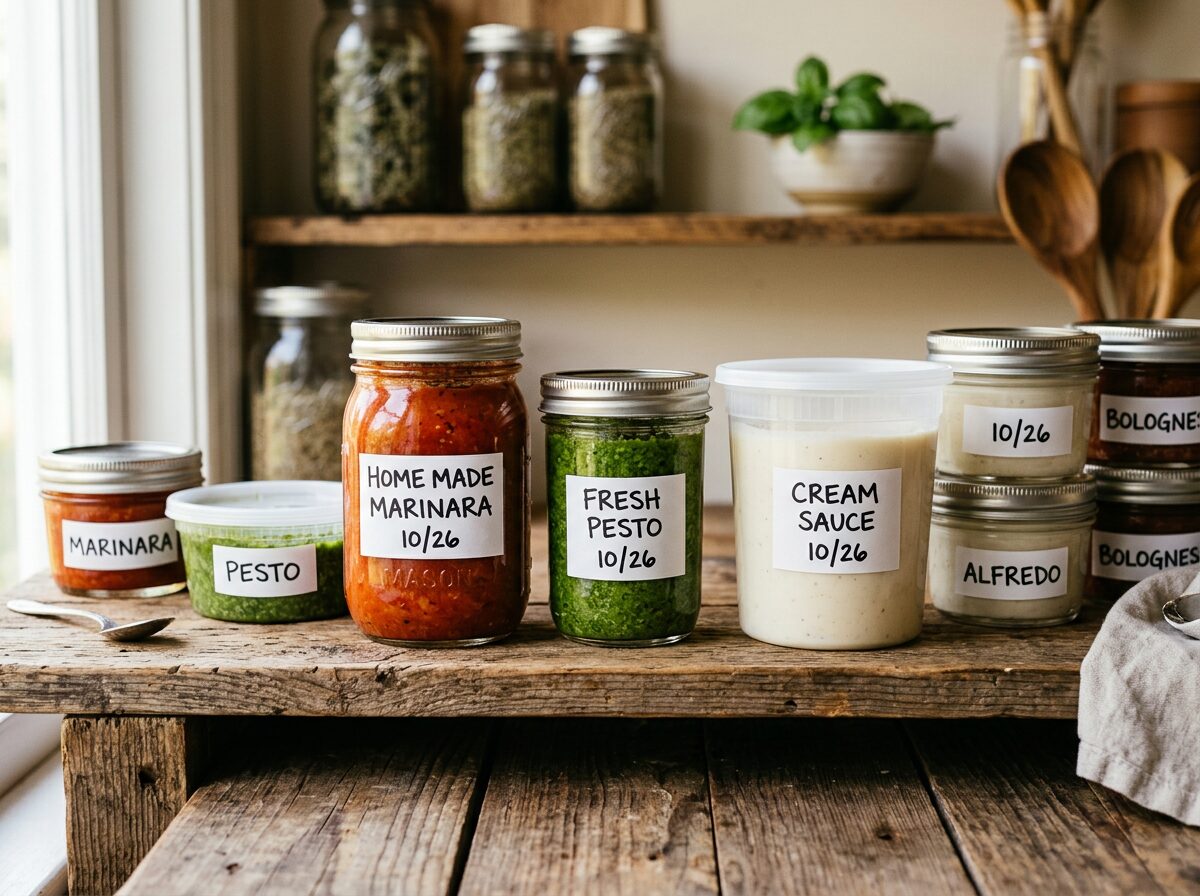
Freezing Sauces 101: Best Methods to Preserve Flavor, Texture, and Quality
Learn how to freeze sauces the right way. Discover tips on storage, thawing, and which sauces freeze best to keep flavors fresh and textures perfect.
How to Freeze Sauces: Best Methods for Preserving Flavor and Texture
Learn how to freeze sauces, dips, and dressings safely for long-term storage. Get tips to maintain flavor, texture, and quality when thawing and reheating.
Freezing Sauces 101: Best Methods for Preserving Flavor and Texture
Learn how to freeze sauces the right way—tips for creamy, tomato, and herb sauces plus thawing tricks to maintain taste and texture.