How to Make Copycat McDonald’s Szechuan Sauce That Actually Tastes Right
Struggling to recreate McDonald’s Szechuan sauce at home? Learn the secret to that perfect balance of sweet, tangy, and umami with this easy guide.

Written by FoodieManiac
With over 8 years of sauce-making experience, I've tested hundreds of techniques and products to bring you practical, reliable advice. Learn more about me →
Why McDonald’s Szechuan Sauce Is So Hard to Nail (and Why I Refused to Stop Trying)
Let’s get the obvious out of the way: you can find about a million “copycat” McDonald’s Szechuan sauce recipes online. Most of them are either way too sweet, way too gloopy, or taste like someone dumped soy sauce and sugar in a bowl and called it a day. I’ve made all of those mistakes, sometimes all in one night. The thing about the real deal is that it’s surprisingly balanced - salty, sweet, tangy, a little spicy, a little umami, and just thick enough to coat a nugget without dripping everywhere. Getting that right took me more tries than I’ll admit, and I almost gave up. But you know me - I’m obsessed with sauces, and quitting on one just isn’t my style.
If you just want a sauce for dipping, you could honestly use my Copycat Chick-fil-A Polynesian Sauce or even Big Mac Sauce and be happy. But if you want the nostalgic, slightly mysterious oomph of McDonald’s Szechuan, read on. I’ll show you what works, what to skip, and how not to burn your entire kitchen down.
What’s Really in McDonald’s Szechuan Sauce?
The funny thing is, McDonald’s own ingredient list is a mess - tons of corn syrup, thickeners, natural flavors, and just enough actual Szechuan-y stuff to give it some credibility. But the main notes are: soy, sugar, vinegar, garlic, a hint of ginger, a little sesame oil, and something fruity (it’s apricot in the real version, but you can get away with plum or even peach preserves if you’re desperate).
Here’s the short version: You need salty soy, sweet and tangy fruit, some heat, a little acid, and a smooth, glossy finish. And you need to avoid the two classic pitfalls: too salty and too runny. Trust me, I’ve poured out more failed Szechuan sauce attempts than any reasonable person should.
Ingredients (and What’s Okay to Substitute)
- 1/2 cup low-sodium soy sauce (do NOT use full-salt unless you want salt paste)
- 1/4 cup apricot preserves (plum or peach jam works in a pinch - don’t bother with expensive preserves, basic is fine)
- 1/4 cup rice vinegar (plain white vinegar makes it too harsh, cider vinegar is too funky)
- 2 tablespoons water (tap is fine, filtered if you want to be fancy)
- 2 tablespoons brown sugar (white sugar works, but brown gives more depth)
- 1 tablespoon ketchup (cheap stuff is fine)
- 1 teaspoon garlic powder
- 1/2 teaspoon ground ginger (fresh is good, but makes the texture weird)
- 1/2 teaspoon toasted sesame oil (don’t skip this unless you absolutely hate sesame)
- 1/2 teaspoon crushed red pepper flakes (or 1/2 teaspoon sriracha for a smoother heat)
- 1/2 teaspoon cornstarch, mixed into 1 tablespoon cold water (for thickening)
Notice what’s missing? No fancy MSG, no hoisin, no oyster sauce. I tried them - they muddle the flavor. If you’re curious about when to use fish sauce or Worcestershire (and when not to), check out this quick guide.
Step-By-Step: Making the Sauce (With Real-World Kitchen Notes)
1. Mix Your Base Ingredients
Grab a small saucepan. Dump in the soy sauce, apricot preserves, rice vinegar, water, brown sugar, ketchup, garlic powder, ginger, sesame oil, and red pepper flakes. Don’t bother pre-mixing - everything will melt together as it heats.
If your preserves are chunky, don’t stress. They’ll break down. If you have a kid or partner who hates “bits,” just blitz the sauce with a hand blender at the end. I usually don’t bother because I like a little texture and I’m lazy.
2. Heat It Up (But Don’t Walk Away)
Put the pan over medium heat and start stirring. This is where I’ve burned the sugar more times than I can count. Once you see bubbles around the edge, drop the heat to low and keep it moving. The goal is a gentle simmer for 4-5 minutes. Don’t let it boil hard or you’ll cook all the vinegar off and you’ll have a sad, flat-tasting sauce.
If you want to know why sauces can sometimes thicken too much after cooling, this guide is super helpful.
3. Thicken to That Classic Nugget-Coating Texture
Mix your cornstarch and cold water in a little cup - stir until there’s zero lumps. Pour it into the simmering sauce while whisking. It’ll look cloudy for a second, then go glossy and slightly thick in about 30 seconds. If it stays runny, give it another minute on low. If it’s still thin, add another half teaspoon cornstarch mixed with a splash more water (never dump in dry cornstarch or you’ll get glue balls - ask me how I know).
Once it’s thick enough to coat the back of a spoon, pull it off the heat. Don’t try to get it ultra-thick on the stove - it firms up as it cools. If you over-thicken, add a teaspoon of water at a time and whisk until it loosens.
4. Taste, Adjust, and Cool
Let it cool for 10-15 minutes. Taste it. If it’s too salty, add a splash of water and a pinch more sugar. Too sweet? Add a dash more vinegar. If it needs more oomph, a tiny extra splash of soy or a pinch of MSG can work (but I rarely need it).
This sauce is best at room temp. If you fridge it, it’ll thicken - just zap it for 10 seconds in the microwave and stir. For more on why sauces get weird in the fridge, check out this article.
Tested Tips
- Low and slow is key: Don’t crank the heat. Sugar and soy both burn so fast. If it smells sharp or acrid, you’ve scorched the base. Just toss it and start again - there’s no saving burnt soy.
- Don’t skip the cornstarch step: The sauce will look thin before you add the slurry. Stir it in slowly and wait. If you still see white lumps, strain the sauce before cooling. I once served lumpy sauce at a party and had to pretend it was “rustic.”
- Apricot jam matters, but not the brand: I’ve tried fancy preserves - not worth it. The cheap, smooth stuff from the bottom shelf is perfect. It melts fast and gives the right tangy background.
- Taste before you adjust: The first time I made this, I dumped in extra soy at the end and it got so salty I couldn’t eat it. Always start with less. If you need more salt, add by 1/4 teaspoon and taste again. You can’t un-salt a sauce.
- Fixing over-thick sauce: If you left it on the heat too long (happens to all of us), whisk in a teaspoon or two of hot water, one at a time, until it loosens. Don’t just dump water in or you’ll lose the glossy texture.
How to Serve (and What to Skip)
This is a dunking sauce. Nuggets, obviously, but also fries, grilled chicken, roasted tofu, and even as a drizzle for stir-fried veggies. I once used it as a glaze for salmon and it worked shockingly well. But don’t try to use it as a stir-fry sauce itself - it’s too sweet and thick for that. If you want a proper stir-fry sauce, you want something more in the style of my Chermoula or Aji Verde for punchy flavors.
If you’re hunting for more wild dipping ideas, try my Creamy Roasted Jalapeño Ranch Dip or Spicy Pineapple BBQ Sauce - both pair weirdly well with nuggets, too.
Can You Make This Ahead?
Absolutely. It keeps in the fridge for up to 2 weeks in a jar with a tight lid. If you notice it separates or gets watery (it happens!), just give it a good shake or a quick whisk. If you want to freeze it, do it in small portions - it can lose a little shine after thawing, but it’ll still taste great. Need freezing tips? Here’s my freezing guide with all the mistakes I learned the hard way.
What If I Want It Spicier?
The original McDonald’s Szechuan isn’t that spicy, but you can definitely crank it up. Add more red pepper flakes, or stir in a teaspoon of chili garlic sauce at the end. Sriracha works in a pinch. If you want a dip with more heat and a creamy kick, check out my Creamy Sriracha Mayo Sauce.
For Sauce Nerds: Why This Works (And Why Others Don’t)
The trick is balance. Apricot for fruitiness, soy for savory, vinegar for tang, sugar and sesame for roundness. Most recipes just dump everything in and hope for the best. I’ve made that mistake a dozen times. If you want to nerd out on what causes sauces to go wrong (like split, separate, or taste off), this guide is a must-read.
And if you’re a Big Mac sauce fan, definitely read my guide on that classic sauce - it’ll help you spot the difference between “fast food magic” and just another mayo-based spread.
Last Thoughts (And My Favorite Szechuan Sauce Fails)
I’ve scorched more sugar, made more soy syrup, and eaten more “almost right” Szechuan sauces than anyone should. But when you nail it, it’s pure nostalgia and honestly better than what you get from the drive-thru. If you mess it up, don’t stress - it’s just sauce. Worst case, you end up dipping your fries in something else. And let’s be honest - fries taste good in pretty much anything. (If you want to go wild, try them in Shake Shack Sauce or Roasted Red Pepper Feta Dip.)
Let me know if you try this one, and what you dip in it. And if you want to swap sauce-making disasters, my inbox is always open.
TAGS
Try These Recipes
Related Articles
How to Make Copycat Big Mac Sauce: The Classic Burger Condiment at Home
Master the iconic Big Mac sauce at home with this copycat recipe. Step-by-step instructions, tips, and perfect pairings for burgers and more.
The Art of the Copycat: How to Reverse-Engineer Any Restaurant Sauce at Home
Learn the systematic approach to recreating fast-food and restaurant sauces at home. From identifying base flavors to adjusting ratios, this is the methodology behind every copycat recipe.
How to Make Copycat Raising Cane’s Sauce: The Ultimate Dipping Recipe
Craving that famous Cane’s dipping sauce? Learn how to make the best copycat Raising Cane’s Sauce at home with simple pantry ingredients and pro tips.
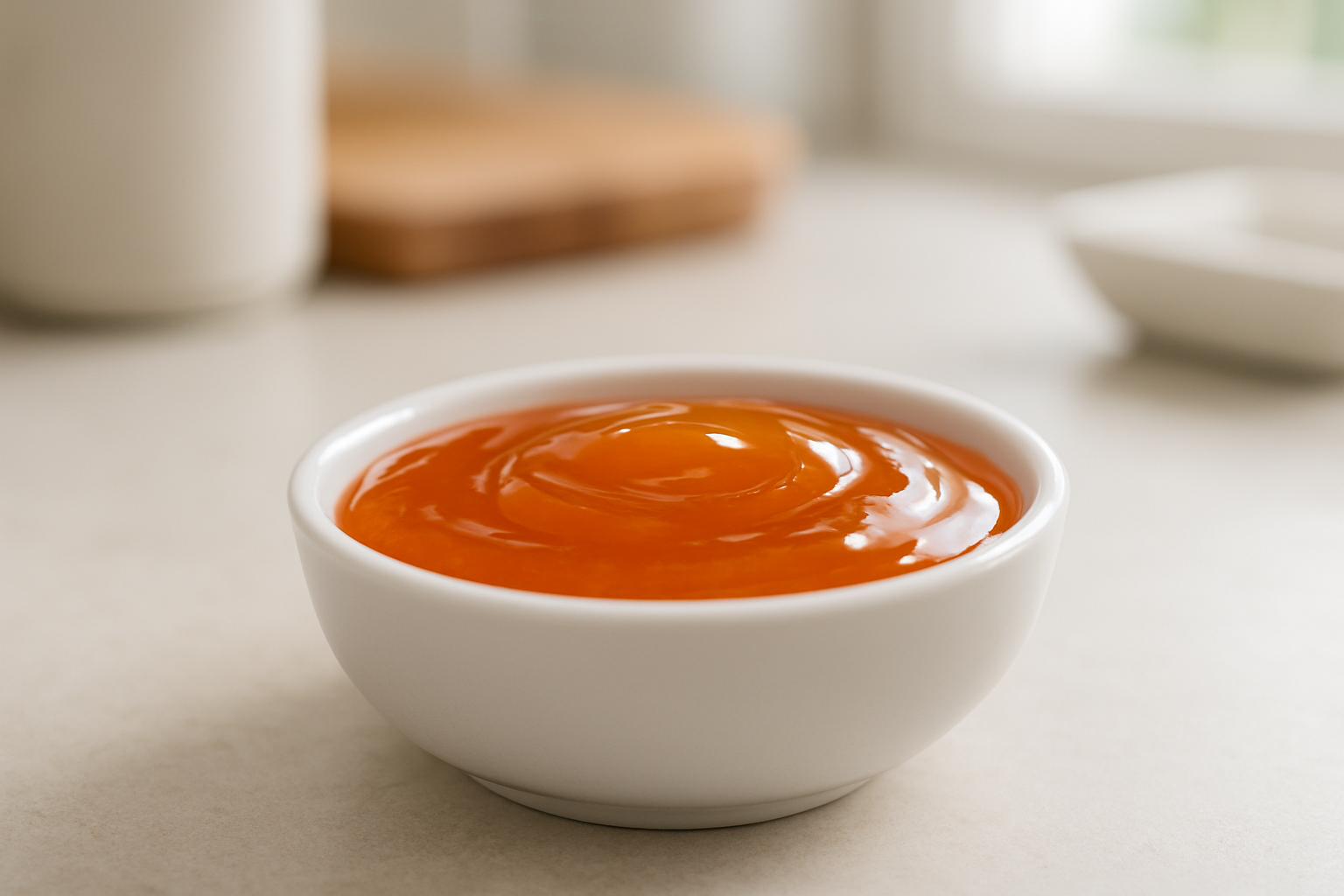
How to Make Copycat McDonald’s Sweet and Sour Sauce at Home
Craving McDonald's sweet and sour sauce? Learn how to make a spot-on copycat at home with pantry ingredients, step-by-step instructions, and tips.