How to Make Copycat McDonald’s Sweet and Sour Sauce at Home
Craving McDonald's sweet and sour sauce? Learn how to make a spot-on copycat at home with pantry ingredients, step-by-step instructions, and tips.
Written by FoodieManiac
With over 8 years of sauce-making experience, I've tested hundreds of techniques and products to bring you practical, reliable advice. Learn more about me →
Understanding McDonald’s Sweet and Sour Sauce: What Makes It Unique?
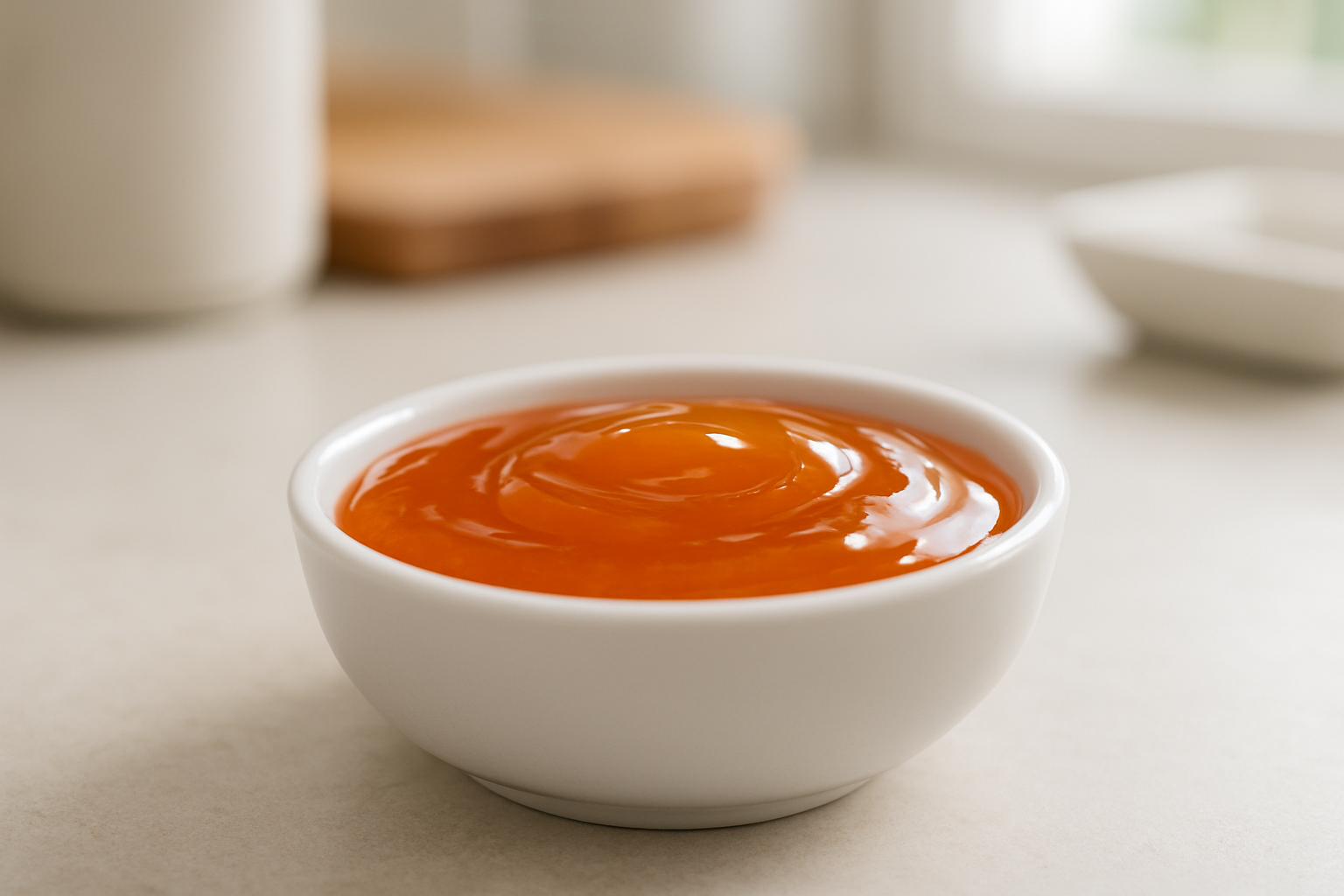
McDonald’s Sweet and Sour Sauce is a staple dipping sauce with a cult following. Its flavor profile is a perfect balance of tangy, sweet, fruity, and savory notes, making it the ideal companion for chicken nuggets, fries, and even burgers. Unlike many homemade sweet and sour sauces, McDonald’s version relies on a blend of fruit purees, vinegar, sugar, and subtle spices for its signature taste and glossy texture.
Key Elements of the Classic Flavor
- Tang: Provided by distilled vinegar and apricot or peach puree concentrate.
- Sweetness: Comes from sugar and corn syrup.
- Fruitiness: Real fruit purees (apricot and peach) are essential for authenticity.
- Umami/Depth: Soy sauce or hydrolyzed vegetable protein adds complexity.
- Texture: Cornstarch is the thickener, yielding a glossy, dippable sauce.
To nail the copycat at home, you need to balance these components with precision, mindful of ingredient quality and cooking technique.
Copycat McDonald’s Sweet and Sour Sauce: Ingredient Selection
For best results, use precise measurements and source quality ingredients. Below is the formula for about 1 cup (8 oz) of sauce, which matches a typical batch size for home use.
- 1/3 cup (80 mL) apricot preserves (or peach preserves, see tip below)
- 3 tablespoons rice vinegar (or distilled white vinegar for extra tang)
- 2 tablespoons light corn syrup
- 2 tablespoons granulated sugar
- 1 tablespoon soy sauce
- 1 tablespoon ketchup
- 2 teaspoons yellow mustard
- 1/2 teaspoon garlic powder
- 1/2 teaspoon onion powder
- 1/4 teaspoon salt
- 1 tablespoon cornstarch + 2 tablespoons cold water (slurry for thickening)
Ingredient Tips
- Fruit Preserves: Apricot is classic, but peach preserves can be used for a slightly lighter, more floral note. Avoid jams with seeds or large chunks for a smooth texture.
- Corn Syrup: Adds sheen and viscosity. If you wish to avoid it, substitute with glucose syrup or a mix of honey and water, though the texture may differ.
- Yellow Mustard: Provides acidity and color. Do not use Dijon or spicy brown for this recipe.
Step-By-Step Instructions for Authentic Copycat Results
1. Combine and Heat the Base
In a small saucepan (preferably stainless steel for even heating), combine the apricot preserves, rice vinegar, corn syrup, sugar, soy sauce, ketchup, mustard, garlic powder, onion powder, and salt. Stir well to fully dissolve the sugar and integrate the ingredients.
Set the pan over medium heat. Stir occasionally as the mixture comes to a gentle simmer. Target temperature: 180°F (82°C). This ensures the fruit base is fully dissolved and the flavors meld without boiling off the volatile aromatics.
2. Thicken with a Cornstarch Slurry
In a small bowl, whisk together 1 tablespoon cornstarch with 2 tablespoons cold water to create a smooth slurry. Stir until no lumps remain. Pour the slurry into the simmering sauce, whisking constantly. This prevents clumping and ensures a glossy, restaurant-style finish.
Continue to simmer the sauce, stirring frequently, until it thickens to your desired consistency - usually 2-3 minutes after adding the cornstarch. The sauce should coat the back of a spoon. Target final cooking temperature: 200°F (93°C). Remove from heat.
3. Strain for Smoothness (Optional but Recommended)
For a truly authentic, McDonald’s-level texture, strain the sauce through a fine mesh sieve into a clean bowl or measuring cup while still hot. This removes any bits of fruit or undissolved spice, yielding a silky, dippable sauce. For more on straining techniques, read How to Strain Sauces Like a Pro.
4. Cool and Store
Let the sauce cool to room temperature, then transfer to a glass jar or airtight container. For best flavor and safety, refrigerate for at least 2 hours before serving, allowing flavors to meld and sauce to fully set.
This homemade sweet and sour sauce keeps in the refrigerator for up to 2 weeks. For tips on maximizing freshness, see How to Vacuum Seal Sauces for Maximum Freshness and Long-Term Storage.
Flavor Adjustment Tips: How to Tweak Your Sauce
- For more sweetness: Add an additional teaspoon of sugar or corn syrup at the end, and stir until dissolved.
- For extra tang: Add up to 1 teaspoon more vinegar or a small squeeze of lemon juice.
- For deeper color: Add 1/2 teaspoon more soy sauce or a drop of caramel coloring (optional).
- For a fruitier note: Stir in 1 tablespoon of peach preserves along with the apricot base, if desired.
Always make small adjustments, tasting as you go. Remember, the sauce will mellow as it cools, so a slightly sharper flavor when warm is ideal.
Serving Suggestions and Pairings
This copycat sauce is iconic with chicken nuggets, but its uses go far beyond. Try it as a glaze for grilled chicken, a dip for fries or tempura, or a spread for sandwiches and burgers. For parties, offer it as part of a sauce flight with other dippable favorites like Homemade Creamy Parmesan Caesar Dip, Homemade Creamy Buffalo Blue Cheese Dip, or Copycat Freddy's Fry Sauce Recipe.
If you love exploring unique global flavors, consider pairing your sweet and sour sauce with air-fried veggies or crispy tofu, or even using it as a base for fusion wraps.
Technical Tips for Sauce-Making Success
Controlling Consistency and Gloss
The hallmark of McDonald’s sauce is its shiny, pourable, but not runny texture. Cornstarch is the key: always dissolve it in cold water before adding to the hot mixture to prevent lumps. If the sauce is too thick, whisk in hot water a teaspoon at a time until you reach the right consistency. If too thin, simmer gently for 1-2 more minutes, stirring to avoid scorching.
Temperature Control
Don’t let the sauce boil aggressively - this can break down the fruit and dull the bright, fresh flavor. Use a digital thermometer for accuracy, keeping the sauce between 180°F–200°F (82°C–93°C) throughout the cooking and thickening process.
Storage and Food Safety
Always cool the sauce completely before sealing and refrigerating. Homemade sauces lack commercial preservatives, so use clean utensils and containers. For extended shelf life and food safety, you can pasteurize your sauce - see How to Pasteurize Homemade Sauces for Longer Shelf Life at Home.
Frequently Asked Questions
Can I Freeze This Sauce?
Yes, sweet and sour sauce freezes well. Portion into small airtight containers, leaving 1/2 inch headspace for expansion. Thaw overnight in the refrigerator and whisk before serving. For detailed freezing and thawing techniques, consult Freezing Sauces 101: Best Methods, Containers, and Thawing Tips.
Can I Use This Sauce for Stir-Fries?
Absolutely. Add the sauce at the end of cooking, tossing quickly over high heat to coat proteins or vegetables. Avoid prolonged simmering to preserve the fruity notes and glaze-like texture. For other stir-fry sauce ideas, try Authentic Japanese Teriyaki Sauce Recipe or Thermomix Teriyaki Sauce Recipe.
Is This Recipe Gluten-Free?
To make it gluten-free, substitute tamari or coconut aminos for regular soy sauce and verify that your preserves and vinegar are gluten-free.
Comparing Sweet and Sour Sauce to Other Condiments
Sweet and sour sauce is part of a global family of sweet-tangy condiments. Compare it with Copycat Chick-fil-A Polynesian Sauce Recipe for a thicker, tropical spin or Homemade Kansas City-Style BBQ Sauce for a smoky-sweet BBQ experience. For herbal, Mediterranean notes, try Homemade Greek Lemon-Oregano Vinaigrette as a dipping alternative.
Interested in more about sauce pairings and global variations? Read Best Sauces for Pork: 12 Easy Pairings for Chops, Tenderloin, and More and Salsa vs. Pico de Gallo: Differences, Best Uses, and How to Make Each.
Expert Troubleshooting and Pro Techniques
- Too Thin: Return to the heat and simmer, stirring, until thickened, or add 1/2 teaspoon more cornstarch slurry.
- Too Thick: Whisk in 1-2 teaspoons hot water gradually until desired consistency returns.
- Lumpy Sauce: Always add cornstarch as a fully dissolved slurry, not dry. If lumps form, strain through a fine mesh sieve.
- Overly Sweet: Balance with an extra splash of vinegar or a pinch of salt.
- Flat Flavor: Add a dash more mustard or a squeeze of lemon juice for brightness.
If you ever over-season your sauce, use the rescue tips from How to Fix Over-Salted Sauces: Chef-Approved Rescue Techniques.
Conclusion: Homemade Sweet and Sour Sauce, Unlocked
Recreating McDonald’s Sweet and Sour Sauce at home is about balance, precision, and understanding the science of thickening and flavor layering. With the right ingredients and careful technique, you can produce a sauce that rivals the original - fresh, tangy, sweet, and infinitely dippable.
Expand your sauce repertoire by experimenting with other fast-food copycats such as How to Make Copycat In-N-Out Sauce: The Secret Spread Recipe Revealed, or try global classics like Authentic Lebanese Tarator Sauce (Tahini Garlic Sauce) or Authentic Hungarian Paprika Sauce (Paprikás Mártás). Mastering the techniques in this guide will empower you to make any sauce a star at your table.
TAGS
Try These Recipes
Related Articles
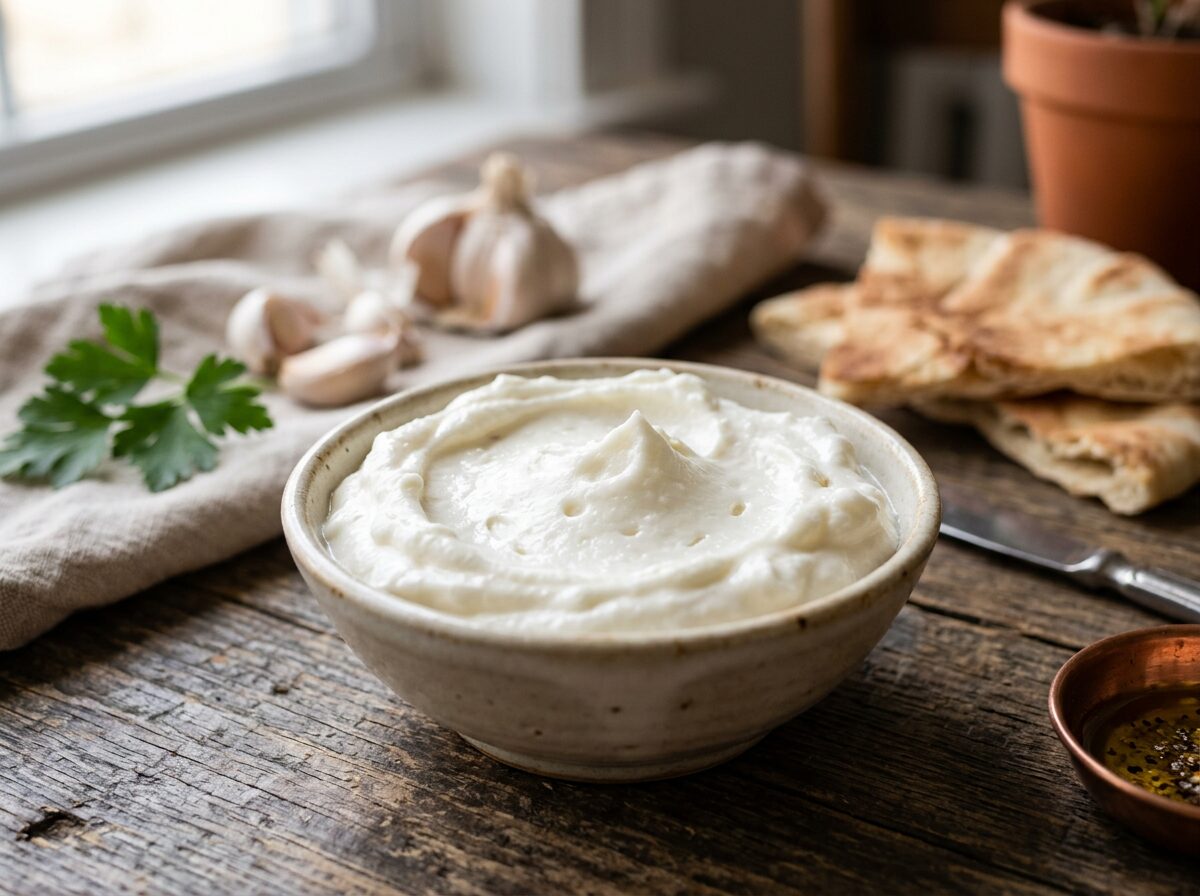
How to Make Toum: Lebanon’s Creamy Garlic Sauce for Grilled Meats
Learn to make authentic Lebanese toum sauce at home. This fluffy garlic condiment is perfect for grilled meats, shawarma, and roasted veggies.
How to Make Copycat McDonald’s Big Mac Sauce: The Real Flavor Unlocked
Recreate the iconic Big Mac Sauce at home! Step-by-step recipe, ingredient swaps, and pro tips to nail the tangy, creamy McDonald’s flavor perfectly.
How to Make Copycat Big Mac Sauce: The Classic Burger Condiment at Home
Master the iconic Big Mac sauce at home with this copycat recipe. Step-by-step instructions, tips, and perfect pairings for burgers and more.
The Art of the Copycat: How to Reverse-Engineer Any Restaurant Sauce at Home
Learn the systematic approach to recreating fast-food and restaurant sauces at home. From identifying base flavors to adjusting ratios, this is the methodology behind every copycat recipe.