Soy Sauce vs. Tamari: Which Is Better for Gluten-Free Cooking?
Confused about soy sauce vs. tamari? Learn the differences, flavor profiles, and which sauce to use for gluten-free recipes at home.
Written by FoodieManiac
With over 8 years of sauce-making experience, I've tested hundreds of techniques and products to bring you practical, reliable advice. Learn more about me →
Soy Sauce vs. Tamari: Which Is Better for Gluten-Free Cooking?
Why This Question Even Matters
I’ll be honest - the first time I tried gluten-free soy sauce, it tasted like sadness in a bottle. It was thin, salty, and totally lacking that deep umami punch I wanted for my stir-fries. But then I discovered tamari, and suddenly gluten-free cooking didn’t feel like punishment anymore.
If you’re staring at those two dark bottles in the grocery aisle and wondering which one to grab, especially if you’re cooking gluten-free, you’re not alone. I’ve made every mistake here: bought the wrong bottle, ruined a dipping sauce, and even served sushi with “gluten-free” soy sauce that was...not actually gluten-free. Let’s break it down so you don’t have to repeat my mistakes.
What’s the Real Difference Between Soy Sauce and Tamari?
The Basics
Both are made from soybeans and both are salty, dark, and packed with umami. But their ingredients and flavor are not identical:
- Soy sauce: Usually made from soybeans, wheat, salt, and a fermenting agent. The classic, widely used version (what you get at most sushi restaurants) is about 50/50 soy and wheat.
- Tamari: Traditionally made with little to no wheat (sometimes zero). It’s a byproduct of miso paste. If you buy a bottle labeled “tamari,” check the back - most brands are gluten-free, but not every single one. I’ve grabbed the wrong one before. Read the label!
Flavor and Texture
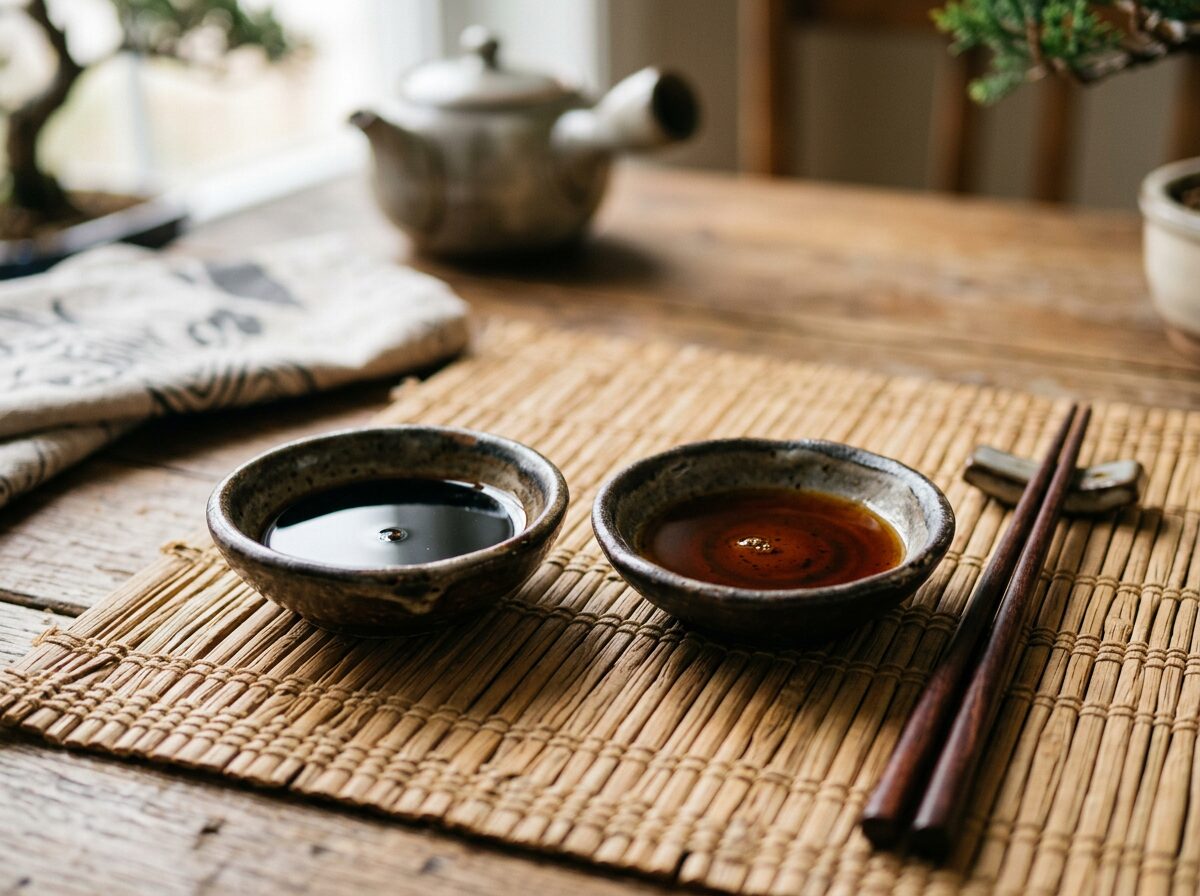
This is where it gets interesting. Tamari is usually thicker, a little smoother, and less harshly salty than regular soy sauce. The umami is deeper and rounder - I use it in dressings all the time, like for my Thermomix Creamy Sriracha Ranch Dressing, when I want the soy flavor to show up but not overpower everything else. A lot of people (me included) actually prefer the taste of tamari, gluten-free or not.
Soy sauce is sharper, a bit more bracing, and can taste “metallic” if you use too much. It’s what gives classic fried rice or a quick stir-fry sauce its punch. But if you’re sensitive to salt or want a sauce for dipping, I find tamari is less likely to blow out your taste buds.
Gluten Content: What to Watch Out For
Here’s the tricky part. “Soy sauce” is almost never gluten-free unless it specifically says so. Even those little packets with your takeout? Full of wheat. I learned that the hard way after a friend with celiac ate sushi at my house, and I didn’t check closely enough. That’s not a mistake you want to make twice.
Tamari is usually gluten-free, but double-check. Some cheaper brands still add a little wheat. Always read the ingredients list. If you want total peace of mind, look for bottles that are certified gluten-free. I keep a “safe” tamari bottle in the fridge just for guests, clearly labeled.
Which One Is Better for Gluten-Free Cooking?
If you’re cooking for anyone who needs to avoid gluten, tamari is almost always the safer and tastier choice. Here’s why:
- Flavor: Tamari gives you all the umami and none of the thin, watery aftertaste that some gluten-free soy sauces have.
- Versatility: It works in marinades, stir-fries, dipping sauces, dressings, even as a drizzle on roasted veggies or grilled meats. I’ve even swapped it into my Ezme Sauce for a deeper flavor.
- Reliability: Most tamari is actually gluten-free, while “gluten-free soy sauce” can be a minefield of bad textures and off-flavors unless you buy a good brand.
If you absolutely love the taste of classic soy sauce and want a gluten-free version, search for “gluten-free soy sauce” specifically. Some brands do a solid job, but I still find tamari is easier to work with and the flavor is less aggressive.
How They Cook: Real Kitchen Differences
Heat and Caramelization
Soy sauce and tamari behave a little differently when heated. Tamari’s higher soybean content means it thickens a bit as it reduces, which is great for glazes and bowls of noodles. If you toss it in a screaming hot pan, though, it can burn quickly. (I’ve scorched more than a few teriyaki sauces by walking away for “just a second.”)
Soy sauce is thinner and less likely to get syrupy as fast, but the tradeoff is its flavor can get a little harsh if you reduce it too much. When I’m making a quick glaze for chicken, I’ll use tamari if I want that glossy, sticky finish, or soy sauce if I want something lighter and more pourable.
Swapping One for the Other
You can usually swap tamari for soy sauce in a recipe 1:1, but there are two catches:
- Saltiness: Tamari is sometimes saltier, sometimes less salty, depending on the brand. Start with half the amount, taste, then add more. You can always add, but you can’t un-salt a sauce. If you’re making something like my Copycat Chick-fil-A Polynesian Sauce, start with less and build up.
- Texture: Tamari can make dressings a bit thicker. If you want a thinner sauce, add a teaspoon of water at a time until it’s just right.
If you’re switching from regular soy sauce to tamari for a gluten-free guest, don’t apologize - most people won’t even notice the swap. In fact, I’ve started using tamari in my Creamy Sun-Dried Tomato Basil Dip because it just tastes better, gluten-free or not.
Tested Tips
- Read every label: Don’t assume tamari is always gluten-free. I grabbed a bottle that had wheat as the second ingredient once. Now I check every single time, even with brands I trust.
- Rescue a salty sauce: If you accidentally over-pour (been there), add a splash of water or unsalted stock to dilute it. Store-bought stock is fine here, honestly. If you’re making a dip like my Creamy Parmesan Caesar Dip, whisk in a spoonful of Greek yogurt to mellow the salt.
- Watch the heat: Tamari burns fast if you’re reducing it on high. Keep it at a gentle simmer, and don’t walk away. If it starts sticking, add a splash of water and scrape it up with a spatula. I’ve ruined enough sticky glazes to know this by heart.
- Cheap soy sauce is not worth it: The bargain bottles taste like saltwater and can ruin your sauce. Spend a little extra for a mid-range tamari or soy sauce. The difference is huge, especially in dressings and dipping sauces.
- Don’t skip the taste test: Every brand of tamari and soy sauce is different. Before you add it to a whole pot of soup or stir-fry, taste a few drops on a spoon. I once dumped a super-salty tamari into a batch of Homemade Sweet Chipotle BBQ Sauce and had to double the batch just to salvage it.
When to Use Each: My Go-To Uses
Tamari
- Gluten-free cooking (obviously), but also for anyone who wants a deeper, rounder umami flavor
- In salad dressings and cold dips where the soy flavor needs to shine without overpowering
- As a finishing drizzle over roasted veggies or grilled meats (try it with my Homemade Chimichurri Sauce for an umami twist)
- In noodle sauces where you want a little thickness and gloss
Soy Sauce
- Classic stir-fries and fried rice when you want a brighter, lighter soy note
- Marinades for beef or chicken, especially if you’re using it as a base and adding other flavors
- Anywhere you want a thin, pourable consistency (like a dipping sauce for dumplings)
Shortcuts and Honest Truths
Let’s be real. Most of us don’t have time to ferment our own soy sauce. Store-bought is totally fine - just avoid the rock-bottom brands, and for gluten-free, tamari is the easy winner.
If you’re in a pinch and only have regular soy sauce, and nobody at the table is gluten-sensitive, use it. If you’re hosting anyone with celiac or gluten intolerance, don’t risk it - go tamari.
Trying to build deeper flavor? Layer your sauces. I sometimes mix a splash of tamari with a spoonful of Homemade Spicy Maple BBQ Sauce for a smoky-sweet glaze. If you want to nerd out on layering flavors, check out my favorite guide on How Chefs Build Flavor in Sauces (The Layering Method).
Common Mistakes (That I’ve Definitely Made)
- Assuming “soy sauce” is gluten-free. It isn’t! Double-check every time.
- Using too much. Both can easily overpower a dish. Start with a half teaspoon per cup of sauce or soup, taste, then adjust. If you overdo it, you’ll be stuck diluting like crazy.
- Not accounting for salt in the rest of the recipe. If your stock or cheese is salty, cut back your soy/tamari. I’ve ruined more creamy dips this way than I’d like to admit (see my failed batch of Creamy Buffalo Blue Cheese Dip).
- Burning it in the pan. Tamari in particular turns bitter and sticky if you let it go too long on high heat. Keep an eye on it.
FAQs: Quick Answers for Real-Life Cooking
- Can I use tamari in non-Asian recipes? Yes! Tamari is amazing in salad dressings, BBQ sauces, and even as a secret ingredient in things like Copycat McDonald’s Hot Mustard Sauce. It boosts umami anywhere you’d use Worcestershire or anchovy paste.
- Is low-sodium soy sauce gluten-free? Not unless it says so. Low-sodium just means less salt, not less wheat.
- What if I can’t find tamari? Look for “gluten-free soy sauce” but check reviews. Some are watery. Or, use coconut aminos as a backup - it’s sweeter and less salty, but works in a pinch.
- Can I mix tamari and soy sauce? Absolutely. If you’re easing into gluten-free cooking, blend them to adjust flavor and saltiness. Just keep track of the total salt.
The Bottom Line: Which Should You Use?
For gluten-free cooking, tamari is my hands-down pick. It’s reliable, flavorful, and easy to swap into almost any recipe that calls for soy sauce. Just read the label and taste as you go. If you’re not worried about gluten, use whichever tastes better to you - but don’t cheap out on the brand. Your sauces will thank you.
And if you’re still experimenting with new sauces, don’t forget to check out my guides on How to Rescue Any Sauce and The Role of Fat, Acid, and Salt in Sauces. Trust me, they’ll save you from more than one salty disaster.
TAGS
Try These Recipes
Related Articles
How to Make 3-Ingredient Sauces: Fast, Flavorful Recipes for Any Meal
Discover easy 3-ingredient sauces you can whip up in minutes to elevate any dish—perfect for quick weeknight meals and busy home cooks.
How to Make 3-Ingredient Sauces in Under 5 Minutes (With Recipes)
Discover easy 3-ingredient sauces you can whip up in 5 minutes or less. Perfect for busy cooks—includes quick recipes and pairing tips.
Best Sauces for Pork: 12 Perfect Pairings for Chops, Tenderloin, and More
Discover 12 delicious sauces that pair perfectly with pork chops, tenderloin, ribs, and roasts. Elevate every pork dish with these expert sauce ideas.
Worcestershire Sauce vs. Soy Sauce: Flavor, Uses, and Substitutes Compared
Compare Worcestershire sauce and soy sauce—flavor, cooking uses, substitutes, and when to use each for the best results in your recipes.