How to Fix a Too-Salty Sauce: Professional Chef Techniques That Work
Learn effective chef-approved methods to rescue sauces that are too salty, plus prevention tips for perfect seasoning every time.
Written by FoodieManiac
With over 8 years of sauce-making experience, I've tested hundreds of techniques and products to bring you practical, reliable advice. Learn more about me →
Understanding Why Sauces Get Too Salty
Salt is a fundamental seasoning in sauce-making, acting as both a flavor enhancer and a preservative. However, over-salting is a common mistake, especially in reduced sauces where flavors concentrate as water evaporates. Adding salty ingredients like soy sauce, anchovies, cheese, or commercial broths can also tip the balance. Recognizing why your sauce became too salty is the first step toward fixing it effectively.
Immediate Actions: Tasting and Assessment
Before you take any corrective steps, taste your sauce at room temperature (20-22°C/68-72°F). Flavors are muted when hot, so let a spoonful cool for 30 seconds before tasting. Identify if the saltiness is sharp on the tongue or if it lingers in the aftertaste, as this will guide your approach. Also, note the sauce volume; a cup (240 ml) of sauce is easier to fix than a mere half-cup (120 ml).
Technique 1: Dilution With Low-Sodium Liquid
The Science of Dilution
Dilution physically spreads the salt among more liquid, directly reducing its concentration per bite. This method preserves the sauce’s flavor balance if handled thoughtfully.
- Best for: Broth-based, tomato, or cream sauces.
- How to do it: Add unsalted stock, water, or low-sodium milk in small increments—start with 2 tablespoons (30 ml) at a time per cup (240 ml) of sauce.
- Simmer for 3–5 minutes on low (80°C/175°F) after each addition to blend flavors before retasting.
- If thinning occurs, reduce gently over medium-low heat (90–95°C/195–203°F) until desired consistency returns, stirring frequently.
Practical Example
In a Moroccan Chermoula Sauce, if over-salted, add 1–2 tablespoons (15–30 ml) of unsalted vegetable stock per cup, then simmer and taste. Repeat until balanced. This maintains the sauce’s herbal, spicy qualities.
Technique 2: Add Bulk With Unsalted Ingredients
Starchy and Neutral Additions
Adding more unsalted solids can absorb and spread out the salt. This technique is ideal for thicker sauces and dips.
- Best for: Cheese sauces, dips, gravies.
- How to do it: Blend in cooked, unsalted rice, potatoes, pureed white beans, or cauliflower. Start with 1–2 tablespoons (15–30 g) per cup and adjust as needed.
- Simmer for 5–10 minutes at 85–90°C (185–194°F) to integrate flavors.
- For creamy sauces, whisk in unsalted cream or Greek yogurt, 1 tablespoon (15 ml) at a time.
Practical Example
If your Creamy Roasted Jalapeño Ranch Dip is too salty, blend in a little unsalted sour cream or mashed avocado. This not only cuts saltiness but also keeps the texture smooth.
Technique 3: Balance With Acidity or Sweetness
How Acids and Sweeteners Work
Acidic ingredients like lemon juice or vinegar counteract saltiness by activating different taste receptors. Sweeteners can mask salt, but use moderation to avoid a cloying result.
- Best for: Tomato sauces, vinaigrettes, BBQ sauces.
- How to do it: Add 1/4 teaspoon (1 ml) of fresh lemon juice or 1/2 teaspoon (2.5 ml) apple cider vinegar per cup of sauce. Stir in and taste.
- If needed, add a pinch (1/8 teaspoon/0.5 g) of sugar, honey, or maple syrup. Stir well and reassess.
Practical Example
For a Sweet & Spicy Pineapple Habanero BBQ Sauce that’s too salty, a teaspoon (5 ml) of pineapple juice or a drizzle of honey can restore balance and highlight fruity undertones.
Technique 4: Fat Can Round Out Saltiness
Emulsify or Enrich
Fat coats the palate, blunting the sharpness of excess salt. This works especially well in creamy sauces or those meant for dipping.
- Best for: Ranch dips, caesar dressings, aiolis.
- How to do it: Whisk in 1 tablespoon (15 ml) of heavy cream, unsalted butter, or olive oil per cup of sauce. For vinaigrettes, add an extra tablespoon (15 ml) olive oil and shake vigorously.
- Emulsify with a stick blender for 10–20 seconds if needed to restore a creamy texture.
Practical Example
If a batch of Creamy Cilantro Lime Yogurt Dressing tastes too salty, whisk in unsalted yogurt or a splash of olive oil, then chill for 15 minutes to meld flavors.
Technique 5: The “Potato Trick”—Does It Really Work?
The idea of simmering a raw potato in a salty sauce to "absorb" salt is popular but scientifically unreliable. Potatoes soak up some liquid, but they don’t selectively extract salt. If you use this method, slice a peeled potato and add it to simmer for 20–30 minutes, then remove and discard. However, dilution or bulk addition is more predictable and effective.
For a deeper dive into sauce myths and science, see our guide How to Fix a Too-Salty Sauce: Proven Techniques for Instant Rescue.
Technique 6: Doubling the Recipe
If you have the ingredients and time, making a second unsalted batch and combining it with the salty batch is the most foolproof fix. This halves the salt concentration without compromising texture or flavor.
- Best for: Marinara, béchamel, or simple pan sauces.
- How to do it: Prepare the same sauce base with no salt. Combine with the salty batch, heat together at low simmer (80–85°C/176–185°F) for 5–10 minutes, and taste.
This approach is ideal for sauces where dilution or other fixes would negatively affect consistency, such as in a Lebanese Muhammara or a classic Alfredo.
Technique 7: Serving Strategies to Offset Saltiness
If your sauce is still slightly salty after all adjustments, pair it with unsalted or bland foods. Serve over steamed rice, roasted potatoes, plain pasta, or fresh vegetables. This not only balances the meal but also saves the sauce from being wasted.
- For spicy sauces like Homemade Spicy Mango Habanero BBQ Sauce, use as a glaze for grilled meats with minimal seasoning.
- For creamy dips, serve with raw vegetable crudités or unsalted crackers.
What NOT to Do: Common Mistakes When Fixing Salty Sauce
- Don’t add more spices blindly. While spices add complexity, they won’t mask saltiness and can make the sauce overwhelming.
- Don’t try to “boil off” salt. Salt does not evaporate. Reducing the sauce will only intensify the saltiness.
- Don’t use salted butter or stock. Always check ingredient labels, as hidden salt can sabotage your efforts.
Special Considerations For Different Sauce Types
Creamy Sauces and Dips
Fat and dairy are your best friends. For a too-salty Thermomix Creamy Roasted Jalapeño Ranch Dip, use unsalted Greek yogurt or a splash of cream to mellow saltiness. Chill for 30 minutes at 4°C/39°F to let flavors meld before serving.
Vinaigrettes and Salad Dressings
Acidity is the key. For a salty Copycat Olive Garden Italian Dressing, whisk in extra vinegar or lemon juice (1/2 teaspoon per cup), then adjust oil to maintain emulsion. Shake vigorously for 30 seconds.
BBQ and Tomato-Based Sauces
Add sweetness and bulk. A Homemade Carolina Gold Mustard BBQ Sauce can be balanced with a tablespoon of honey and a splash of apple cider vinegar. Simmer gently (80°C/176°F) for 5 minutes and taste again.
Herb and Spice Sauces
Fresh herbs and unsalted nuts can absorb and mask salt. For sauces like Authentic Moroccan Chermoula Sauce, blend in extra parsley, cilantro, or ground almonds, then adjust olive oil as needed.
Long-Term Prevention: How to Avoid Over-Salting in the Future
- Add salt in stages. Taste after each addition, especially if reducing or simmering for a long time.
- Use low- or no-sodium stock as your base. This allows you to control final seasoning.
- Be mindful of salty add-ins. Ingredients like soy sauce, cheese, cured meats, or commercial broths contribute significant sodium.
- Taste at the same temperature as serving. A sauce that tastes perfect hot may seem saltier when cool, as explained in Why Your Quick Garlic Sauce Tastes Raw - Simple Fixes for Smooth Flavor.
What to Do With Leftover Sauce: Freezing and Storage Tips
If you can't fix your sauce immediately, freeze it flat in small portions (no more than 1 cup/240 ml per bag) at -18°C/0°F. Thaw and adjust with dilution, bulk, or acid after defrosting. For best results, see our guide How to Freeze Sauces the Right Way: Tips for Fresh Flavor and Texture.
Conclusion: Professional Chef Secrets for Saving Salty Sauces
Restoring a too-salty sauce is a skill every chef must master. By understanding the science—dilution, bulk, acidity, sweetness, fat, and serving strategies—you can recover nearly any sauce. Next time you make a Thermomix Buffalo Wing Sauce or try a new Copycat Big Mac Sauce, season gradually, taste thoughtfully, and use these professional techniques to ensure perfectly balanced flavor every time.
TAGS
Related Articles
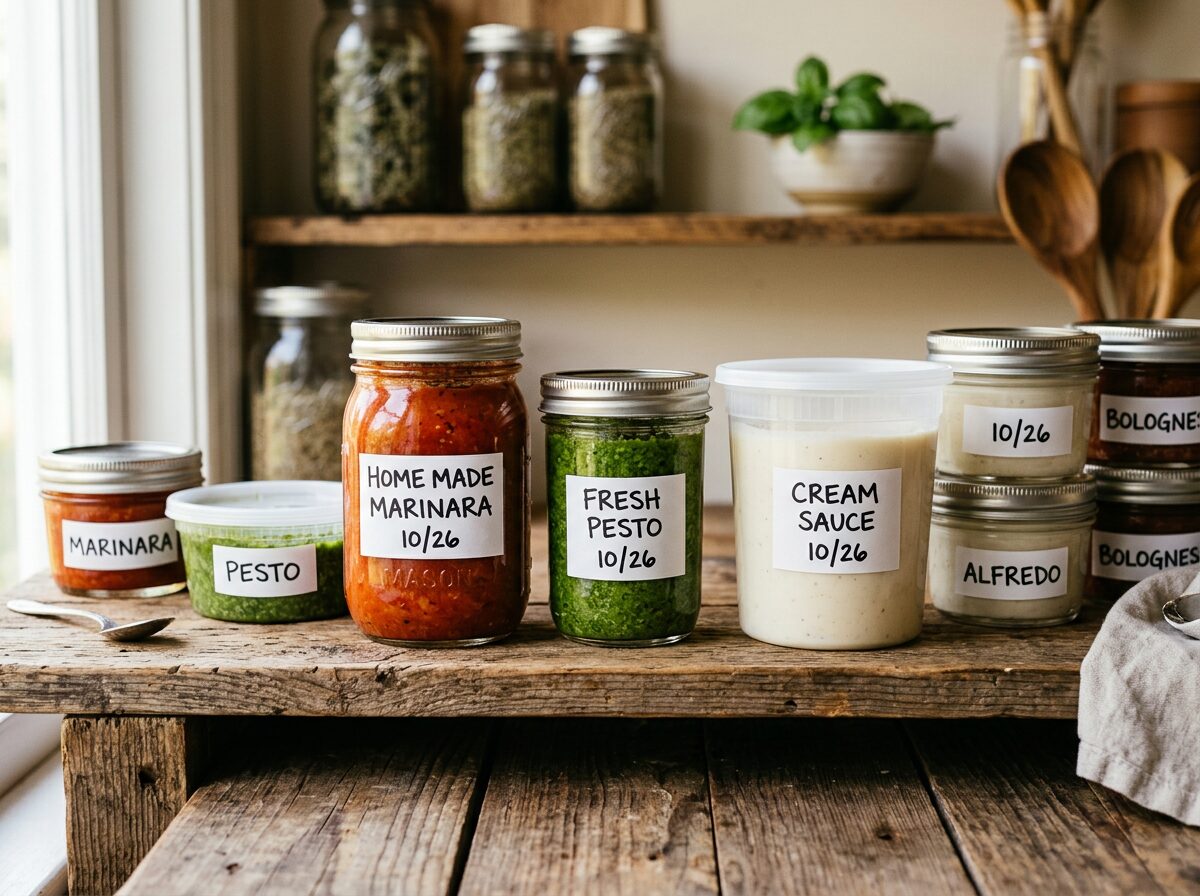
Freezing Sauces 101: Best Methods to Preserve Flavor, Texture, and Quality
Learn how to freeze sauces the right way. Discover tips on storage, thawing, and which sauces freeze best to keep flavors fresh and textures perfect.
How to Freeze Sauces: Best Methods for Preserving Flavor and Texture
Learn how to freeze sauces, dips, and dressings safely for long-term storage. Get tips to maintain flavor, texture, and quality when thawing and reheating.
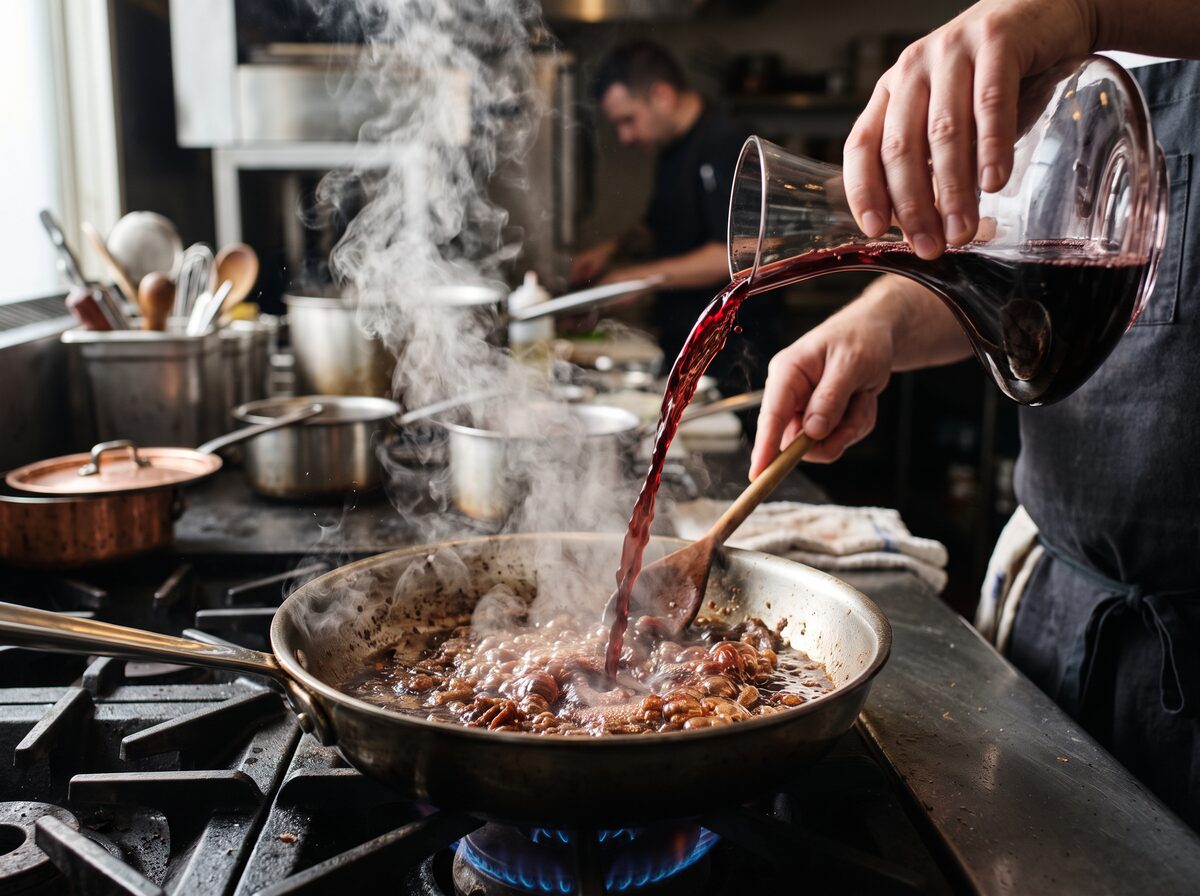
How to Deglaze Like a Pro: Unlocking Deep Flavor for Restaurant-Quality Sauces
Master deglazing to build rich, complex sauces at home. Step-by-step techniques, liquid choices, and chef tips for pro-level flavor every time.
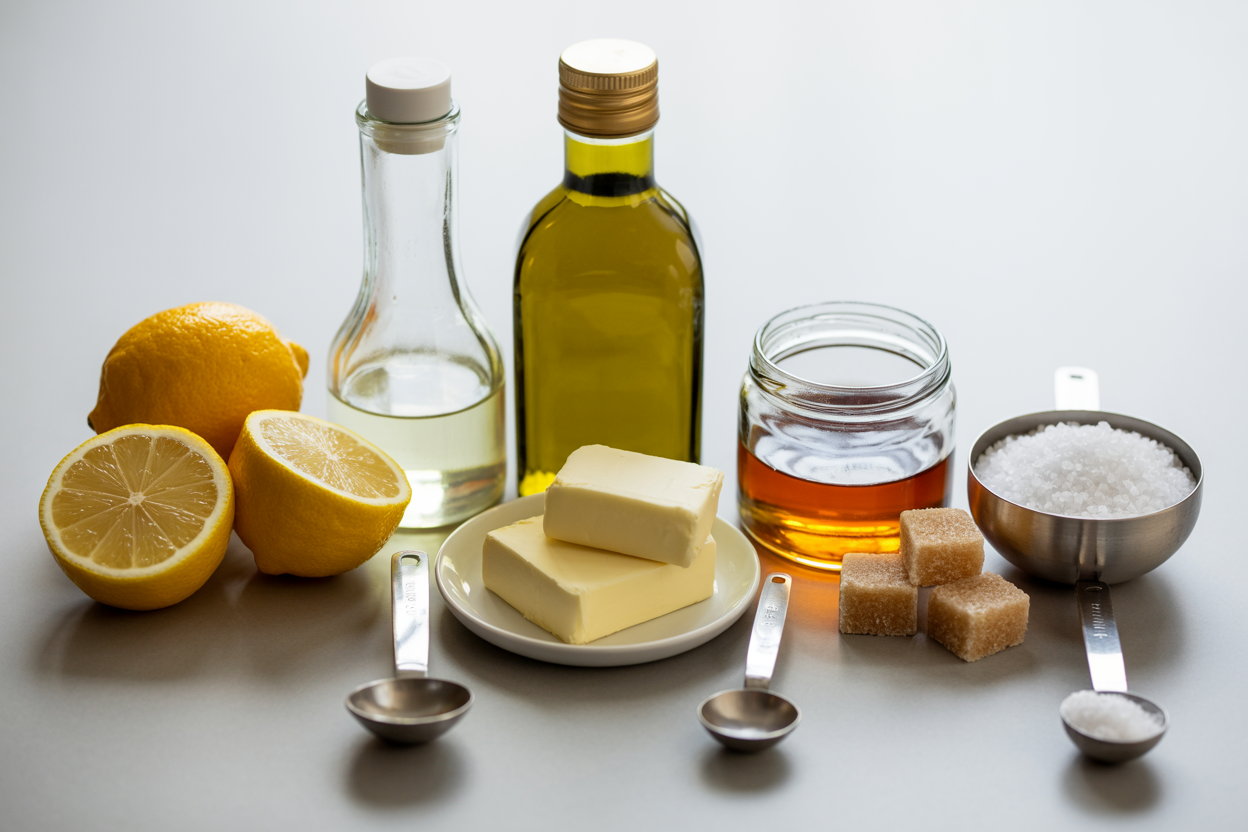
Acid, Fat, Sugar, Salt: How to Balance Flavors in Any Homemade Sauce
The four pillars of flavor balance and how to use them to fix, improve, and create sauces from scratch. A practical framework for tasting and adjusting any sauce.