Why Your Quick Pan Sauce Turns Out Thin - Easy Ways to Thicken Fast
Frustrated by watery pan sauces? Learn why your quick sauce isn't thickening and get simple, foolproof fixes for a silky, restaurant-style finish every time.

Written by FoodieManiac
With over 8 years of sauce-making experience, I've tested hundreds of techniques and products to bring you practical, reliable advice. Learn more about me →
Why Does My Quick Pan Sauce Always End Up Thin?
Let’s get real. You finish cooking that perfect steak or chicken, toss some wine or stock in the pan, scrape up the browned bits, and two minutes later you’ve got...well, something that tastes good but pours like water. I’ve been there. I used to think pan sauces were supposed to magically thicken in five minutes just by “reducing.” Spoiler: that almost never happens unless you get lucky or already know the tricks. If your quick pan sauces are turning out thin, I promise it’s not just you. This is one of those things that sounds easy but is weirdly finicky in a home kitchen.
Let’s break down exactly what’s going wrong, what you actually need to do to fix it, and how to get that restaurant-level, glossy, cling-to-the-spoon pan sauce - fast, even on a random Wednesday night.
What Makes a Pan Sauce Thicken?
Pan sauces get thick from two things: reducing (aka boiling off liquid to concentrate what’s left behind), and adding something that gives body - like butter, cream, or a thickener. Simple, but in practice, a lot can go sideways.
- Reduction: If you just simmer wine or broth, water evaporates. Whatever’s left (sugar, protein, fat) gets more concentrated. If there’s not enough “stuff” in there, though, you’ll just have less liquid - not a thicker one.
- Emulsification: Whisking in cold butter at the end (the classic French move) thickens a sauce a bit and adds silkiness, but it only works if there’s already some reduction and the butter doesn’t split. I’ve split more pan sauces than I care to admit.
- Starch or Cream: If you just want it thick, a slurry (cornstarch + water) or a splash of cream works wonders. Not “cheffy,” but totally legit. See: nearly every creamy dip or sriracha mayo sauce out there.
Why Reduction Alone Doesn’t Always Work
The truth: most home pan sauces don’t thicken up much with reduction alone. Restaurants use rich homemade stock, veal demi-glace, or pan juices that are full of gelatin and collagen. If you’re using store-bought chicken broth (which is 99% water), you can boil forever and it’ll still be thin. Been there, boiled that. Store-bought stock is fine for flavor, but don’t expect it to magically thicken. If you want to see a thick reduction, try reducing a cup of Carolina Gold BBQ sauce to half - that’ll get syrupy. Plain broth? Not so much.
Common Mistakes That Keep Your Pan Sauce Thin
- Not enough “body” in your liquid: Wine and boxed stock are basically water with flavor. They need help to thicken.
- Too much liquid: If you start with a cup of liquid, it can take 15-20 minutes to reduce. By then, your main dish is cold or overcooked.
- Not deglazing properly: If you don’t scrape up the browned bits, you miss out on flavor and natural thickeners (see this deglazing guide). I used to just swirl the pan and wonder why my sauce tasted flat.
- Skipping the finishers: Adding cold butter or cream isn’t just for flavor - it helps the texture. Skipping this step is fine, but your sauce will be runnier.
- Wrong thickener, or adding it wrong: Dumping cornstarch straight into hot liquid? Hello, lumps. Been there. Mix it with cold water first, always.
How to Thicken Your Pan Sauce - Fast
Here’s what actually works, whether you want a classic glossy finish or just something that’ll coat your chicken. I’ll be honest - sometimes I go straight to cornstarch if I’m hangry and dinner’s late. No shame.
1. Reduce Aggressively (But Not Forever)
Pour in your wine or broth, crank the heat to medium-high, and let it bubble hard. Scrape up those brown bits. Watch the volume. You want it to go from a cup down to about 1/3 cup if you really want thickness. This usually takes 5-8 minutes, but depends on your pan size. Wide pans reduce faster. If you see the sauce starting to look sticky around the edges, you’re close.
2. Add Cold Butter or Cream at the End
Once reduced, take the pan off heat and whisk in a tablespoon or two of cold butter, one piece at a time. This is called “monter au beurre” if you want to sound fancy. Cream works too - about 2-3 tablespoons, whisked in off heat. If you add this while the sauce is boiling, it can split. I’ve done that a dozen times. If it splits, just add a splash of water and whisk hard - sometimes it comes back together.
3. Use a Slurry (Cornstarch or Arrowroot)
This is the no-fail thickener. Mix 1 teaspoon of cornstarch with 2 teaspoons cold water. Once your sauce is simmering, drizzle it in while whisking. Wait 30 seconds. If it’s not thick enough, repeat. Don’t overdo it, though, or you’ll get a weird, gloppy texture. Honest truth: this is how a lot of restaurants do it when they’re in a rush.
4. Try a Flour “Beurre Manié”
If you want a slightly more old-school result, mash together 1 tablespoon of flour and 1 tablespoon of soft butter. Drop pea-sized bits into your simmering sauce and whisk. It thickens gently, but flour can taste raw if you don’t simmer for 2-3 minutes after adding. If you’re in a true rush, skip this and go for cornstarch.
5. Mustard, Horseradish, or Other Flavor Boosters
This is my secret weapon. Sometimes I’ll whisk in a teaspoon of Dijon or a spoonful of creamy beet-horseradish dip for both flavor and a little body. Even a tablespoon of mustard BBQ sauce can work. It’s not “classic,” but it’s delicious and works in a pinch.
Tested Tips
- The wide-pan move: Use your biggest skillet. The more surface area, the faster your sauce reduces. I spent years using little saucepans and wondering why it took ages. If your sauce is taking forever, pour it into a bigger pan and crank the heat - it’ll reduce in half the time.
- Slurry fail-safes: Mix your cornstarch or arrowroot with cold water, not warm. If you dump it straight in, it clumps instantly (I’ve rescued too many lumpy sauces). If you do get lumps, strain the sauce through a fine-mesh sieve - problem solved.
- Butter at the end, always: Add cold butter after you turn off the heat. If you whisk it in while the sauce is boiling, it’ll break and look oily. If it does break, splash in a tablespoon of cold water and whisk like crazy. Sometimes this saves it.
- Don’t overdo thickeners: Start with a little - you can always add more. If you go too far, the sauce gets gummy and weird. If you overshoot, whisk in a splash of hot water or stock to loosen it.
- Season at the end: Reducing concentrates saltiness. I used to salt early and end up with a sauce that tasted like a salt lick. Add salt after reducing, starting with 1/4 teaspoon, then taste and add more as needed. Remember, you can’t un-salt a sauce.
- The “cheat” thickener: If all else fails, sometimes a spoonful of cold sour cream or even mayo can save a split or thin sauce. I’ve done this for quick weeknight chicken and it honestly works. Just don’t boil after adding.
What About Fancier or Alternative Thickeners?
If you’re feeling adventurous, other options exist. Egg yolk (tempered in so it doesn’t scramble) makes a crazy-rich sauce, but you have to be careful with the heat. Gelatin sheets or powdered unflavored gelatin can be used if you want that restaurant “gloss,” but honestly, I never bother unless I’m making something special. Most of the time, the classic methods above are all you need.
Real-Life Pan Sauce: Step-By-Step
Here’s my go-to method for a quick pan sauce after searing steak or chicken:
- Remove meat from skillet, leaving drippings and browned bits.
- Add 1/2 cup wine or stock to hot pan. Scrape up all the bits with a wooden spoon (here’s a full deglazing guide if you want details).
- Let it boil hard for 2-3 minutes. Watch for reduced volume and sticky edges.
- If you want it thicker, add a cornstarch slurry (1 teaspoon cornstarch + 2 teaspoons cold water), whisked in slowly.
- Off heat, whisk in 1-2 tablespoons cold butter or a splash of cream.
- Season with salt (start with 1/4 teaspoon), pepper, and a splash of acid (lemon or vinegar).
- Taste and adjust. If it’s still thin, reduce a bit more or add a touch more slurry.
That’s it. Fast, flexible, and honestly better than most restaurant sauces unless you’re sitting at a high-end spot with a vat of veal stock simmering away.
Shortcuts That Actually Work
I love a good kitchen shortcut, as long as it doesn’t taste like glue. Here’s what I’ve found:
- Store-bought stock: Totally fine here. Just don’t expect it to thicken much unless you reduce aggressively or add a thickener.
- Gravy packets: Not ideal for flavor, but if you’re desperate for thickness, a teaspoon of gravy mix in your pan sauce will do the trick. Just use less salt.
- Pre-made sauces: Sometimes I’ll stir a spoonful of Big Mac sauce, chimichurri, or even jalapeño ranch dip into a pan sauce for body and flavor. Don’t knock it till you try it.
- Butter + mustard: A little Dijon or even a swipe of leftover mustard BBQ sauce thickens and brightens. Magic.
When Should You Bother With the Fancy Stuff?
If you’re making a special meal (filet mignon, date night, impressing the in-laws), it’s worth using high-quality stock or even making a quick demi-glace if you’re feeling ambitious. But for most weeknight meals, the methods above are all you need. Save the veal bones for a rainy weekend.
Honestly, sometimes I just want a sauce that’s not watery and will cling to my food. If that’s your goal, a quick reduction and a little butter or cornstarch is all you need. Want to get fancy? Try adding a spoonful of toum for a garlicky punch, or finish with a drizzle of spicy maple bourbon glaze for steak. You can even repurpose leftover beetroot dip into a killer pink sauce for chicken or pork. The possibilities are endless.
More Sauce Troubleshooting
Still having sauce drama? You’re not alone. Here are a few deep-dive guides that saved me:
- Why Your Homemade Gravy Turns Lumpy: Common Causes and Easy Fixes
- Why Your Stir-Fry Sauce Turns Watery - Easy Fixes for Thick, Glossy Results
- How to Freeze Sauces for Maximum Freshness: Methods, Tips, and Mistakes to Avoid (for when you’ve made a giant batch and want to save it)
- How to Make 3-Ingredient Sauces in Under 5 Minutes (for when you just want something fast that won’t fail)
Final Thoughts From My Sauce-Stained Apron
Every home cook has made a watery pan sauce. It’s a rite of passage. The good news? You only need a pan, a little patience, and a willingness to fix things on the fly. Don’t stress about making it “traditional” - the best sauce is the one that tastes good and doesn’t run off your plate. Next time your sauce looks thin, grab that cornstarch, keep the butter cold, and remember: you can always thicken more, but you can’t un-thicken. And if all else fails, there’s always tomorrow’s sauce adventure.
TAGS
Related Articles
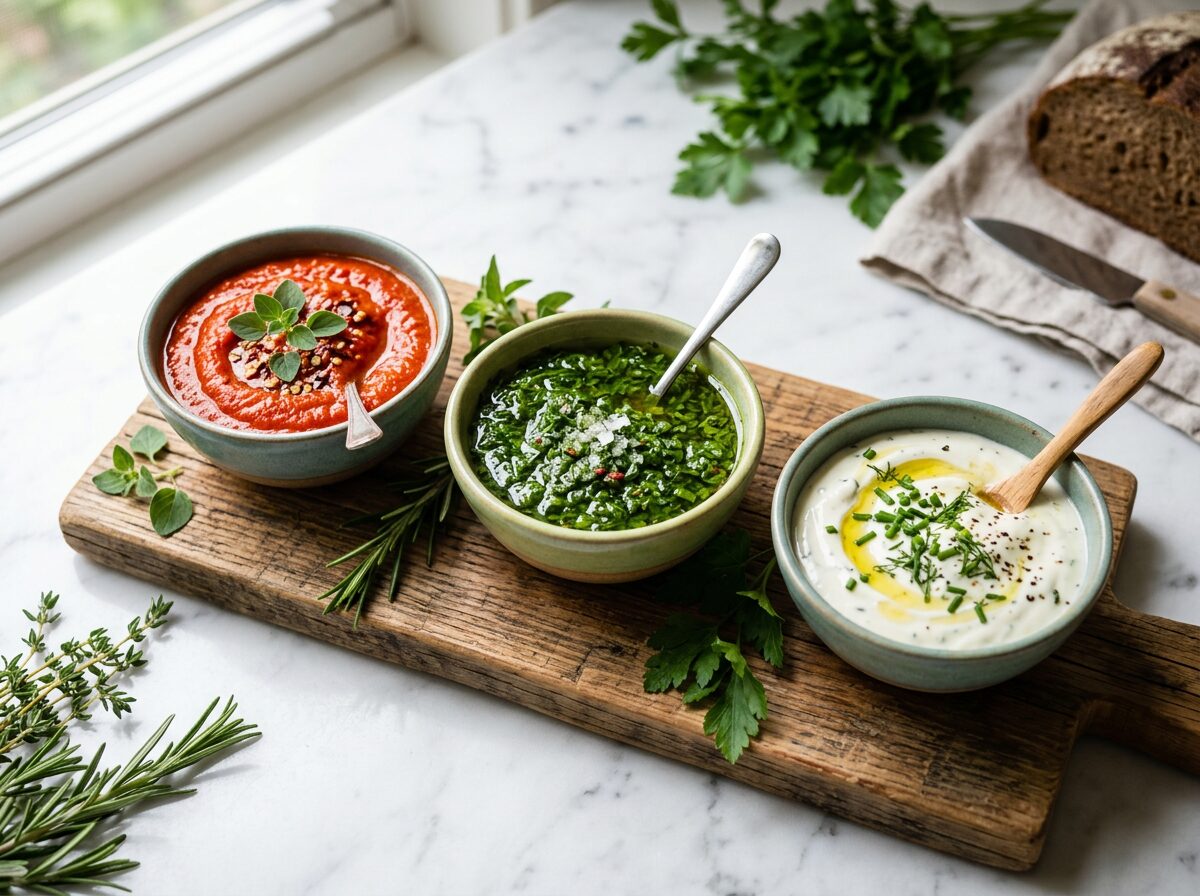
How to Make 3-Ingredient Sauces: Fast, Flavorful Recipes for Any Meal
Discover easy 3-ingredient sauces you can whip up in minutes to elevate any dish—perfect for quick weeknight meals and busy home cooks.

How to Deglaze for Pan Sauces: Step-by-Step Guide to Rich, Flavorful Results
Master deglazing for pan sauces with this step-by-step guide. Learn the best liquids, timing, and techniques for restaurant-quality sauces at home.
How to Make 3-Ingredient Sauces in Under 5 Minutes (With Recipes)
Discover easy 3-ingredient sauces you can whip up in 5 minutes or less. Perfect for busy cooks—includes quick recipes and pairing tips.
Best Sauces for Pork: 12 Perfect Pairings for Chops, Tenderloin, and More
Discover 12 delicious sauces that pair perfectly with pork chops, tenderloin, ribs, and roasts. Elevate every pork dish with these expert sauce ideas.