BBQ Sauce Styles Explained: A Region-by-Region Guide to American Barbecue
From vinegar-soaked Carolina to sweet Kansas City to the no-sauce philosophy of Texas - a comprehensive guide to every major American BBQ sauce style and how they developed.
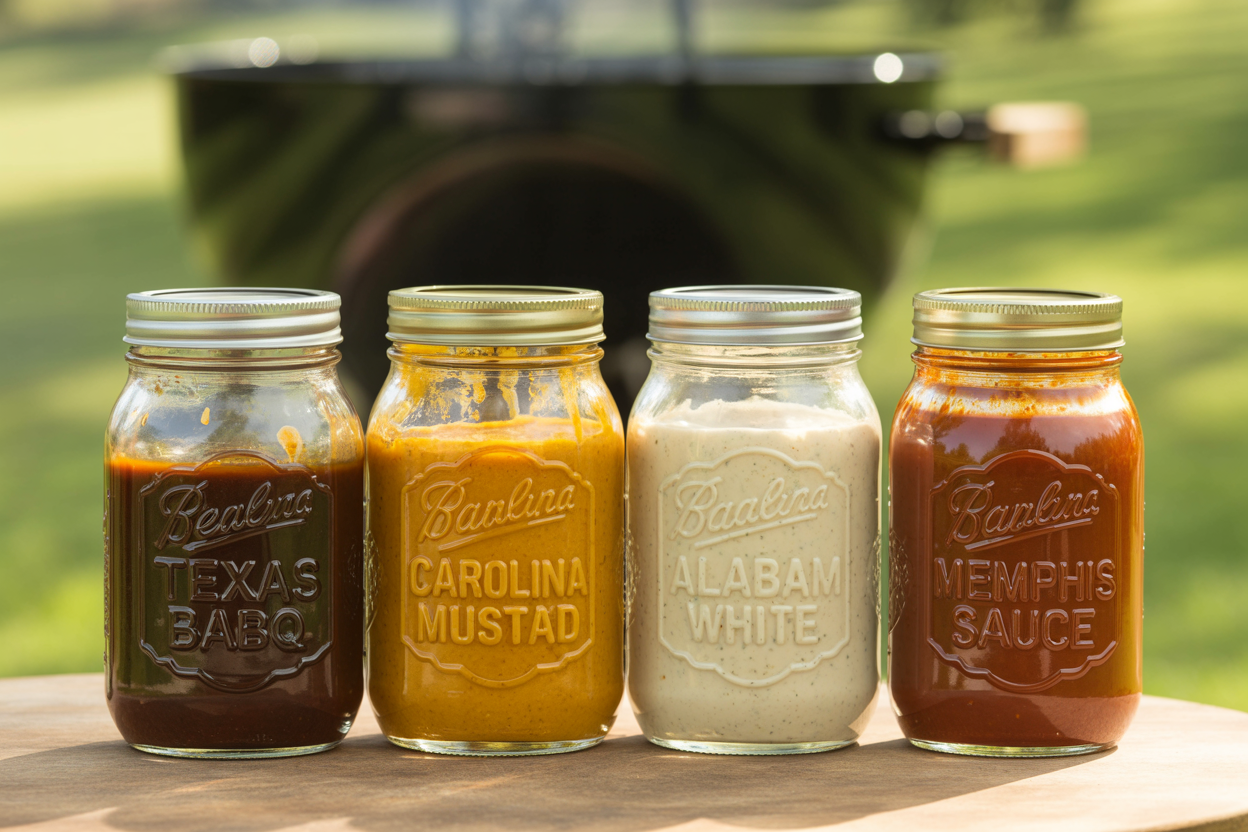
Written by FoodieManiac
With over 8 years of sauce-making experience, I've tested hundreds of techniques and products to bring you practical, reliable advice. Learn more about me →
Why BBQ Sauce Varies So Much by Region
Texas: Thin, Peppery, Tomato-Based
Carolina: Vinegar and Mustard Traditions
Eastern North Carolina: Vinegar-Based
The oldest BBQ tradition in America. Whole-hog barbecue mopped with nothing but vinegar, salt, black pepper, and red pepper flakes. No tomato, no sugar, no ketchup. The vinegar cuts the fat of whole-hog pork and acts as a preservative. This sauce is thin enough to soak into the meat rather than sitting on top.South Carolina: Mustard-Based (Carolina Gold)
The Midlands of South Carolina developed a distinctive yellow BBQ sauce built on yellow mustard, vinegar, brown sugar, and spices. German immigrants brought their mustard traditions, which merged with local BBQ culture. Our Carolina Gold BBQ Sauce captures this tangy, sweet, slightly sharp flavor that is unlike any other BBQ sauce in America. Best for: Pulled pork (vinegar), smoked pork shoulder (mustard), grilled chicken.Memphis, Kansas City, and Alabama
Memphis: Tomato-and-Vinegar Balance
Memphis splits the difference between Texas and Kansas City. The sauce is tomato-based but thinner and tangier than KC, with less sugar and more vinegar. Memphis is also known for "dry" ribs - no sauce at all, just a complex spice rub. When sauce is used, it is typically served on the side. Our Memphis-Style BBQ Sauce has that distinctive balance of tomato sweetness and vinegar tang.Kansas City: Thick, Sweet, and Smoky
This is what most Americans picture when they think "BBQ sauce." Kansas City style is thick, sweet, tomato-and-molasses-based, with liquid smoke and a glossy finish. It is the sauce you find in most supermarket bottles. KC sauce works as both a cooking glaze (it caramelizes beautifully) and a dipping sauce. Our Honey BBQ Glaze draws from this tradition.Alabama White Sauce
The wildcard. Alabama white BBQ sauce is mayo-based - mayonnaise, apple cider vinegar, lemon juice, horseradish, and black pepper. It was invented in 1925 by Big Bob Gibson in Decatur, Alabama, originally for smoked chicken. The tangy, creamy sauce is unlike anything else in BBQ. Our Alabama White BBQ Sauce follows the original concept - it sounds bizarre if you have never tried it, but it converts everyone who does.Choosing the Right Sauce for Your Cookout
- Beef (brisket, burgers, steaks) - Texas-style or Memphis-style. Thinner sauces that complement rather than mask the beef flavor.
- Pork (ribs, pulled pork, chops) - Kansas City or Carolina Gold. Pork's mild sweetness pairs well with bolder, sweeter sauces.
- Chicken - Alabama white sauce or Carolina vinegar. Chicken needs either creaminess or acidity to balance its leanness.
- Smoked sausage - Texas-style or a spicy vinegar sauce. Sausage is already rich and seasoned - keep the sauce simple.
Equipment Mentioned
TAGS
Try These Recipes
Related Articles
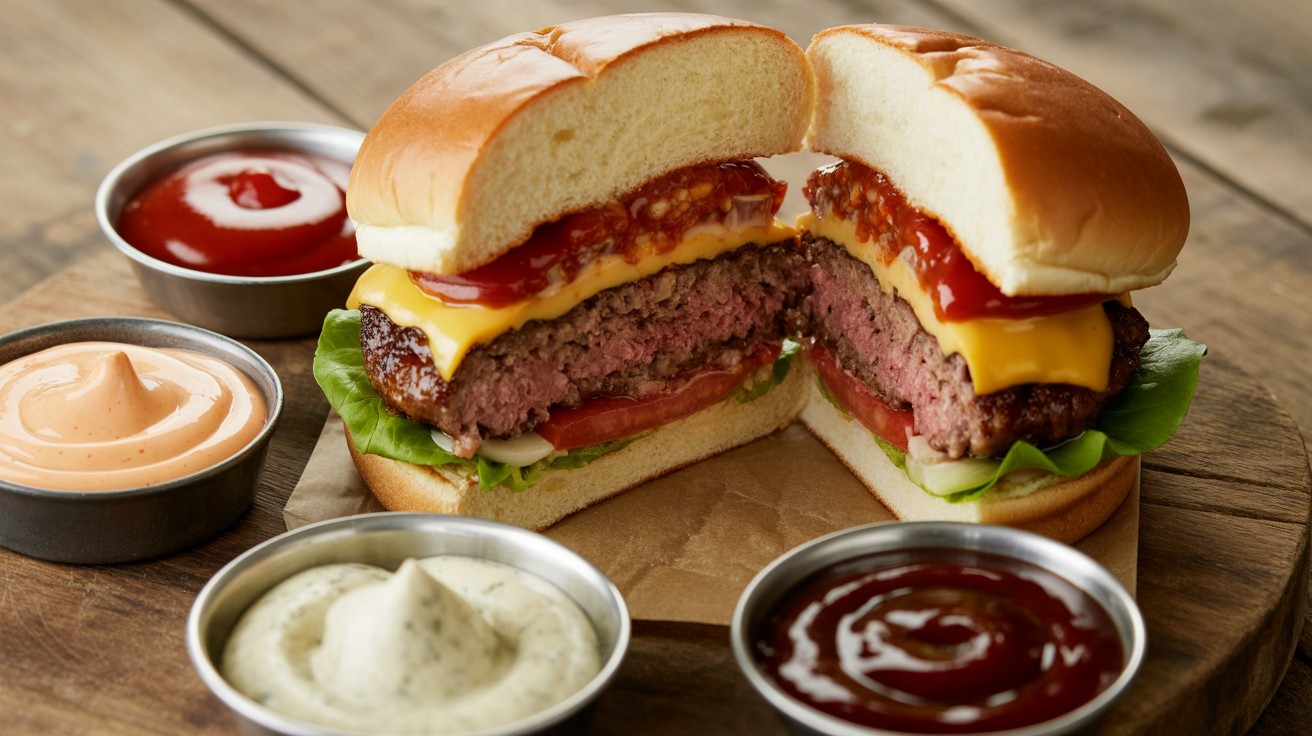
Best Sauces for Burgers: 14 Homemade Recipes Beyond Ketchup
Upgrade your burger game with 14 homemade sauces that go far beyond basic ketchup and mustard. From secret special sauces to global flavors, each recipe included.
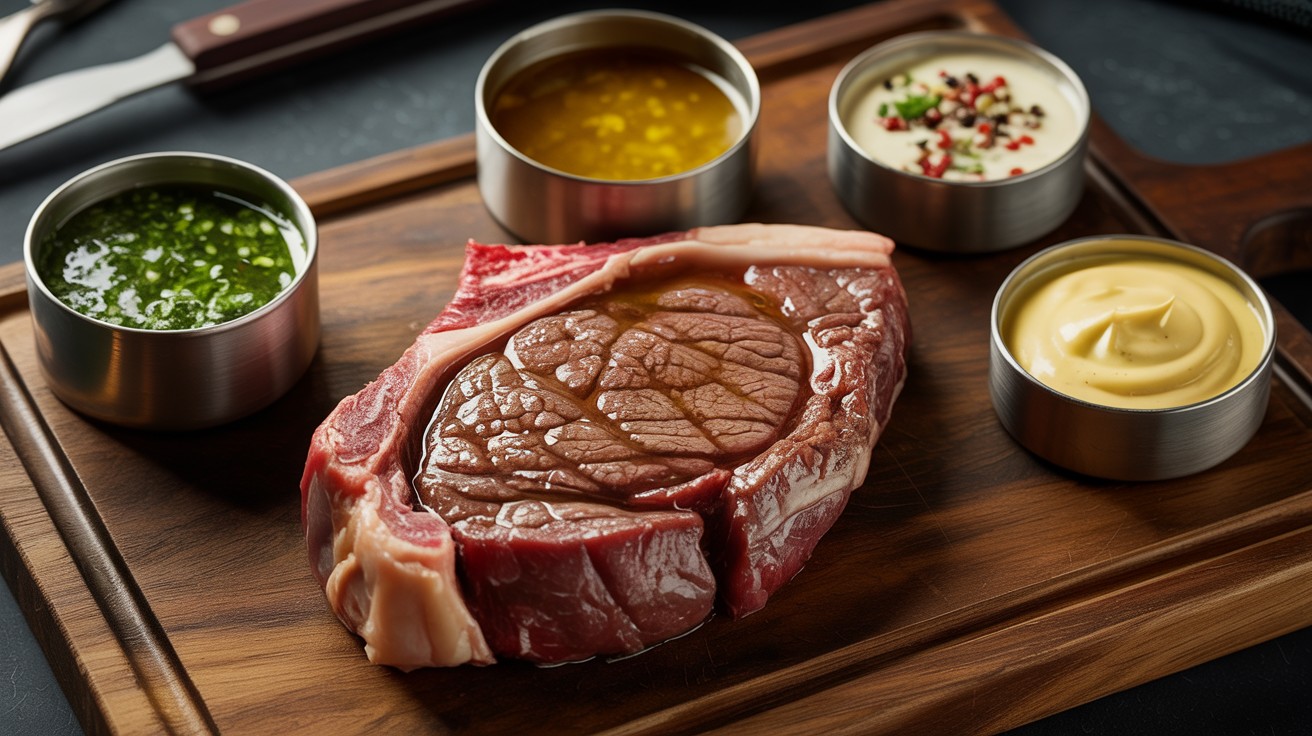
Best Sauces for Steak: 13 Recipes Worth the Good Cut
From classic chimichurri to compound garlic butter, these 13 homemade steak sauces complement everything from ribeye to filet mignon. Full recipes included.
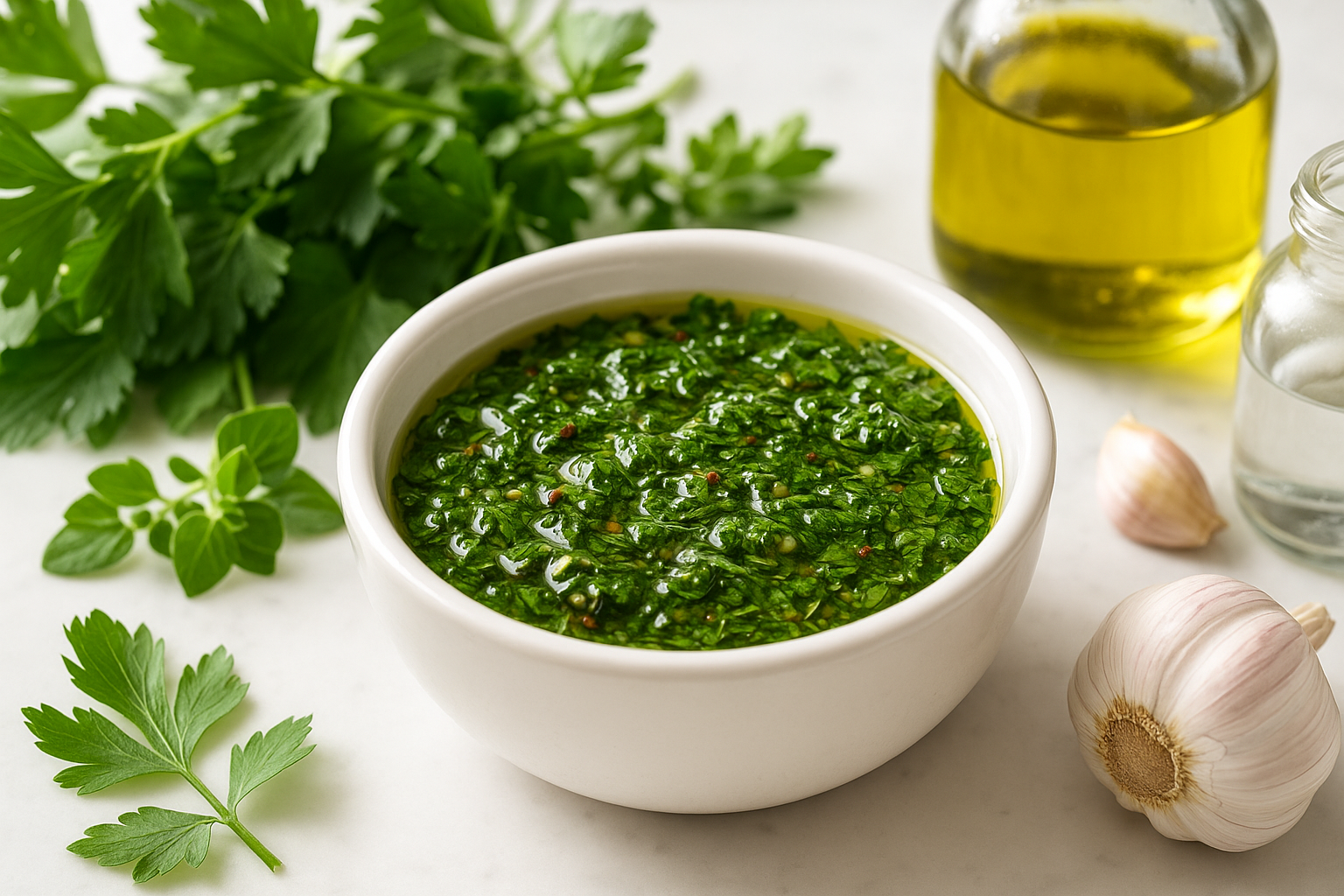
How to Make Chimichurri Sauce: Argentina’s Classic Herb Condiment
Learn how to make authentic chimichurri sauce with fresh herbs, garlic, and vinegar - plus pairing tips for steak, chicken, and vegetables.